
Review · DAR ES SALAAM SAFARIS
8 Days Safari to Mikumi, Ruaha & Udzungwa Mountains
Southern Tanzania is at its best when you leave the famous northern circuit behind. This eight-day route links Mikumi’s busy wildlife plains, enormous Ruaha, and the forested Udzungwa Mountains, giving you game drives, mountain scenery, a historic Stone Age site, and a waterfall hike in one trip. It is a lot of ground to cover, but the variety is the point.
I especially like the two full days in Ruaha, where elephants, greater and lesser kudu, sable, and roan antelope are the main prize. I also like the final mountain day at Sanje Waterfalls, which breaks up the long hours in the safari vehicle. The tradeoff is clear: several road journeys are long, and the schedule suits you best if you enjoy moving between parks rather than settling into one camp.
Key points at a glance

- Three very different protected areas: Mikumi offers open game-viewing country, Ruaha brings rugged scenery and rare antelope, and Udzungwa adds forest and waterfalls.
- Two full days in Ruaha: This is the strongest wildlife section, with elephants, kudu, sable, and roan among the possible sightings.
- A six to seven-hour mountain outing: The Sanje Waterfalls walk requires good physical fitness, though swimming is possible.
- A small group with a maximum of 12 people: You get a more personal setup than a large safari convoy.
- A 4×4 Land Cruiser with a driver-guide: The vehicle is important here because the route covers extensive distances between Dar es Salaam and the parks.
- A southern Tanzania focus: This is a good choice if you want a quieter route and do not need the Serengeti or Ngorongoro Crater.
Why this southern route is worth your eight days

Most first safari plans point north, toward the Serengeti and Ngorongoro. This trip takes a different line through Tanzania, starting and ending in Dar es Salaam and using Mikumi, Ruaha, and Udzungwa as its main stops.
That choice gives you more than animal sightings. You get broad rural views on the road, mountain ranges near Morogoro and Iringa, a look at the Kilombero sugar cane area from the Udzungwa hills, and the chance to see Tanzania at a slower pace. I like this mix because the safari never becomes only a hunt for the next lion.
The route also has a useful sense of progression. Mikumi introduces you to classic safari animals. Ruaha expands the scale, with more time in a large park and a strong chance of elephant sightings. Udzungwa then changes the mood completely, replacing open plains with a strenuous walk through mountain country.
Still, this is not a short-transfer holiday. The trip includes drives of several hours, and the journey between parks is part of the experience. You should be comfortable sitting in a vehicle for extended stretches and accepting that wildlife sightings cannot be promised. The description names lions, leopards, and African wild dogs as possible sightings, not guaranteed ones.
A few more safaris around Dar es Salaam worth a look
- 2 nights 3 days safari to mikumi national park
★ 5.0 · 62 reviews - 3 Days Safari to Mikumi NP – Accommodation Inside the Park
★ 5.0 · 40 reviews - 2 Days and 1 Night Mikumi Safari Private Tour
★ 5.0 · 32 reviews
Day 1: Dar es Salaam to Mikumi by way of Morogoro
The first morning begins at 7:30 a.m. in Dar es Salaam. After breakfast, you drive toward Mikumi National Park, stopping for lunch in Morogoro. The trip is listed as about four hours for this section, followed by an afternoon game drive.
Mikumi sits near the Uluguru Mountains, the Udzungwa range, and the Rift Valley escarpment. That setting gives the approach more visual interest than a simple highway transfer. Once inside the park, you begin looking for the animals that make this a good first safari stop: giraffe, buffalo, elephants, zebra, impala, wildebeest, hartebeest, warthog, eland, and other antelope.
The afternoon timing matters. You get an immediate taste of the park without spending your first day only on the road. After the drive, you continue to camp for dinner and overnight accommodation.
I would keep expectations sensible on this opening day. The combination of a road journey and a game drive can make the day feel full, especially after an early start. But it is a practical way to reach the first park and begin seeing wildlife right away.
Day 2: A full day among Mikumi’s elephants and giraffes
Day two gives Mikumi the time it deserves, with morning and afternoon game drives. You can also arrange a packed lunch and remain in the park for a full day rather than returning to camp in the middle.
That choice is useful. A morning drive offers cooler conditions and a good chance to search for animals before the heat of the day. The afternoon session gives you another window, with different light and fresh ground to cover. If you prefer a less rushed day, the picnic option keeps you out in the park longer.
Mikumi is known for large numbers of giraffe, buffalo, and elephants, plus a wide bird population. Lions, leopards, and African wild dogs may also appear, though you should treat those as fortunate sightings rather than the main promise of the day. Hippos, zebra, wildebeest, impala, warthog, hartebeest, eland, and other antelope add plenty of variety.
Several observation towers provide higher views across the park. These can help you understand the scale of the area and spot movement at a distance. They are also a welcome change from sitting low in the vehicle.
The practical point is that Mikumi gives you a broad introduction. You are not visiting for one specialist animal. You are building a picture of East African wildlife before the more remote-feeling Ruaha section.
Day 3: The long road to Ruaha through Iringa
After breakfast, the route follows the Udzungwa mountain chain and crosses the Great Ruaha River before passing through Iringa for lunch. The listed activity time is about three hours, although the full day includes the road journey to Ruaha and an evening game drive.
This is one of the days when the schedule needs careful reading. The stated stop duration does not describe every hour spent traveling from Mikumi to Ruaha. You should expect a substantial transfer day, broken up by lunch and the changing views around the mountains and river.
Ruaha is the major wildlife centerpiece of the trip. The park is described as the largest in East Africa after nearby game areas were incorporated into it, and its size is part of its appeal. It feels less like a quick wildlife circuit and more like a large natural region that takes time to cross.
An evening game drive gives you a first look before dinner and the overnight stay. The timing may produce a short introduction rather than a full exploration, but it means you do not lose the entire day to transport.
This is also where your driver-guide becomes especially important. Past trips have included guides named Hamisi, Basili, Otto, Juma, Musa, Martin, and Rahim. The experience is guide-dependent, particularly when the route covers long distances and the guide is also helping you read tracks, plants, birds, and animal behavior.
Same region, a very different drive:
- 2 Days Mikumi National Park Safari From Dar es salaam or Zanzibar
★ 5.0 · 21 reviews - 3 Days Safari – Selous Game Reserve
★ 5.0 · 21 reviews - 2 Days – Mikumi safari depart from Zanzibar or Dar es salaam
★ 5.0 · 21 reviews - 1 Day Safari to Mikumi National Park
★ 5.0 · 20 reviews
Days 4 and 5: Ruaha’s elephants, kudu, sable, and roan

Two complete days in Ruaha are the strongest feature of the schedule. Each day includes morning and afternoon game drives, with breakfast at camp and time in the park before returning for the evening.
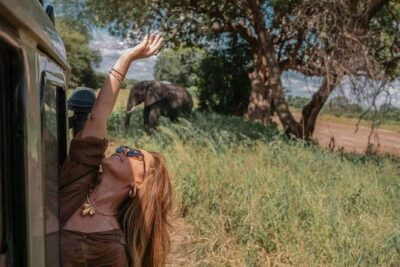
Ruaha is especially associated with elephants, and this is the place to give them your attention. Large herds can make the drive feel powerful even when no predator appears. The park also offers the possibility of greater and lesser kudu, sable antelope, and roan antelope, species that give Ruaha a different character from a standard introductory safari.
The two-day format improves your odds of seeing more than one small area. It also leaves room for the normal uncertainty of wildlife viewing. One drive may be quiet, while the next brings a better sighting. You are not forced to judge the park after a single afternoon.
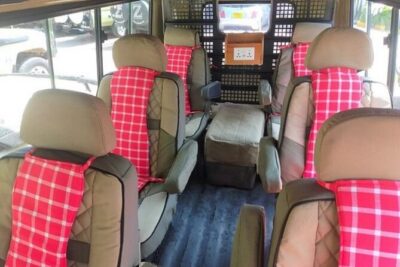
The vehicle is a 4×4 safari Land Cruiser, and the group maximum is 12. That is a reasonable size for a shared safari, though your personal comfort will depend on how many people actually book and how the seats are arranged. A spacious vehicle was specifically appreciated on one past trip, which matters on days listed at eight hours of game driving.
The drawback is stamina. Morning and afternoon drives can make for long days, and you may spend many hours seated while waiting for animals to appear. I would choose this section for the wildlife rather than for a soft, resort-style pace.
Day 6: Isimila Stone Age Site and the road toward Udzungwa

After breakfast, you leave Ruaha for Udzungwa Mountain National Park and stop at Isimila, a Stone Age site about 21 kilometers from Iringa. Lunch is planned at Kitonga Inn Hotel, located near Kitonga Mountain, before you continue to camp near Udzungwa.
This stop adds a human and archaeological element to a trip otherwise focused on animals. The information provided does not specify the length of the Isimila visit, so you should think of it as a short historical stop rather than a full museum day.
The journey remains a key part of day six. You will have already spent two demanding days on game drives, so this is a transition day with less pressure to find wildlife. The changing scenery around the mountains helps keep the road section interesting, but you should still expect more sitting and a later arrival at camp.
Lunch at Kitonga Inn breaks the drive and places you near another notable mountain setting. From there, you continue to Udzungwa in time for dinner and the overnight stay.
This day works well because it prevents the transfer from feeling like dead time. It also prepares you for a different kind of activity on day seven.
Day 7: The Sanje Waterfalls trek in Udzungwa

The most active day begins after breakfast. You collect a packed lunch, meet a mountain guide, and start the walk toward the summit of Sanje Waterfalls, at an altitude of about 750 meters above sea level.
The route is described as a gentle trek, but the full outing takes about six to seven hours with rest time. You need good physical fitness. That is the main suitability question for this tour, and you should not treat the word gentle as meaning effortless.
The reward is a waterfall setting with broad views toward the Kilombero sugar cane plantation. Swimming is possible, which gives you a welcome way to cool off after the climb. You then descend late in the day and return to the lodge or camp for dinner and another overnight stay.
This is a valuable change after several safari days. Instead of scanning open ground from a vehicle, you move on foot and pay attention to the forest, slopes, water, and changing views. A mountain guide accompanies the walk, which is appropriate for a route where pacing and local direction matter.
Bring a practical attitude. You need to handle a long day outdoors, carry what you need for the outing, and be ready for uneven ground. The tour provides packed lunch, but drinks and personal items are not included, so plan for your own small needs.
Day 8: Returning to Dar es Salaam

After breakfast, you drive back to Dar es Salaam. Lunch is taken at a restaurant, followed by an afternoon drop-off at your hotel, airport, or residence.
The exact arrival time is not given, so I would avoid scheduling a tight onward flight unless you confirm the timing directly before booking. Road conditions, the distance, and the pace of the return can all affect the final drop-off.
Ending at your chosen Dar es Salaam location is useful, especially if you are continuing to a hotel or airport. It also keeps the trip simple: one pickup point, one southern circuit, and a return to the same general area.
What the $1,995 price covers
At $1,995 per person, the price needs to be judged against the length and number of inclusions. You receive an eight-day route, a 4×4 Land Cruiser, a driver-guide, park fees, seven breakfasts, seven dinners, and eight lunches.
That is a meaningful package for a route covering three national parks and several long road sections. Park fees alone can add weight to a safari budget, and having transport, guiding, and meals arranged reduces the number of details you must manage yourself.
The price does not include drinks, laundry, tips, personal items, or travel insurance. Those costs are easy to overlook, especially on an eight-day trip. Carry a budget for drinks and small purchases, and consider insurance separately because it is not part of the package.
Group discounts are available, and the maximum group size is 12. If you are traveling with friends or family, ask how the discount works and how many people would share the vehicle. The value is strongest for people who want a packaged southern safari with meals and park access handled in advance.
Guides, vehicle space, and the human side of the trip
Your guide is central to the experience. Past departures have used Hamisi, Basili, Otto, Juma, Musa, Martin, Rahim, and Rama in guiding or trip-planning roles. Their reported strengths include careful driving over long distances, finding good game-viewing positions, explaining plants, animals, and birds, and handling trip details.
You should not assume a particular guide will be assigned. Still, the repeated attention given to guide quality tells you what to ask before departure: who will guide the trip, how many people will share the Land Cruiser, and how the operator handles long transfer days.
The 4×4 vehicle is not just transport. It is your viewing platform for many hours. A spacious setup matters on the two eight-hour Ruaha days, and good driving matters on the roads between Mikumi, Ruaha, and Udzungwa.
Who should book this safari
I would recommend this route to you if you want:
- A less common southern Tanzania itinerary
- Strong elephant viewing potential
- Two full days in Ruaha
- A mix of wildlife, mountains, archaeology, and waterfalls
- A small-group format with no more than 12 people
- A guided package with meals, park fees, and transport included
I would be more cautious if you want short transfers, a luxury lodge holiday, or a trip focused only on the Serengeti style of open-plains wildlife. The Sanje Waterfalls day also rules out anyone who cannot comfortably manage a six to seven-hour mountain outing.
The tour is listed as suitable for most people, but the hike is the exception that deserves attention. Ask about the walking conditions before you commit if you have concerns about fitness or mobility.
Booking advice and cancellation terms
Confirmation is provided at booking, and pickup is offered from Dar es Salaam. The activity requires good weather and a minimum number of participants. If poor weather or low numbers force cancellation, you are offered another date or experience, or a full refund.
Your own cancellation terms are strict: the experience is non-refundable and cannot be changed for any reason. I would only book after checking your dates, insurance, fitness level, and onward travel plans carefully.
Should you book the Mikumi, Ruaha, and Udzungwa route?
Book it if you want southern Tanzania in one varied trip and you are happy to trade some road time for a quieter, less familiar route. The combination of Mikumi wildlife, Ruaha elephants and rare antelope, and Udzungwa waterfalls gives the eight days a real shape.
I would choose it for the two Ruaha days and the contrast of the Sanje hike. I would not choose it if your priority is a relaxed schedule with minimal driving. At $1,995, the value is solid for a guided, park-fee-inclusive safari, but it depends on you accepting long transfers and a physically demanding final excursion.
FAQ
Where does the safari start and finish?
The safari starts in Dar es Salaam, Tanzania, with pickup offered at the meeting point. It ends back in Dar es Salaam, with afternoon drop-off at a hotel, airport, or residence.
How long is the experience?
The trip lasts approximately eight days, beginning at 7:30 a.m. on day one.
How many people can join the group?
The maximum group size is 12 travelers.
Which parks are included?
The route includes Mikumi National Park, Ruaha National Park, and Udzungwa Mountains National Park.
What animals might I see?
Possible sightings include elephants, giraffes, buffalo, zebra, hippos, wildebeest, impala, warthogs, hartebeest, eland, and other antelope. Lions, leopards, and African wild dogs may also be seen.
Is the Sanje Waterfalls walk difficult?
The walk takes about six to seven hours including rest time and requires good physical fitness. Swimming is possible at the falls.
Are meals included?
Seven breakfasts, seven dinners, and eight lunches are included. Drinks, laundry, tips, and personal items are not included.
Is travel insurance included?
No. Travel insurance is not included in the tour price.
Newest safaris around Dar es Salaam
- Dar Es Salaam: Day Trip Safari to Mikumi National Park by Train★ 4.5 · 15 reviews
- 1 Day Safari to Mikumi National Park★ 5.0 · 20 reviews
- Short Safari from Dar es Salaam to Mikumi National Park – 2 Days★ 5.0 · 10 reviews
- 5-Day Mikumi & Ruaha Tanzania Wildlife Lodge Safari★ 5.0 · 10 reviews
- 5 Days Safari to Selous & Mikumi★ 5.0 · 15 reviews
- 6 Days Safari to Udzungwa Mountain NP, Ruaha NP and Mikumi NP★ 5.0 · 10 reviews
- 3 Days Unique safari Selous Game Reserve Tanzania★ 5.0 · 12 reviews
- 2 Days Mikumi National Park Safari From Dar es salaam or Zanzibar★ 5.0 · 21 reviews
Dar es Salaam Safaris, side by side.
3 Days Safari to Mikumi NP – Accommodation Inside the Park
Read our review →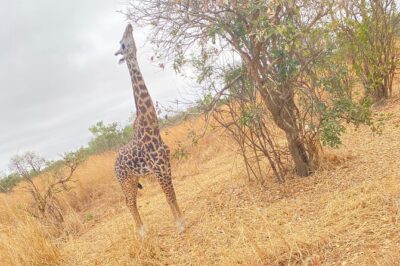
2 Days – Mikumi safari depart from Zanzibar or Dar es salaam
Read our review →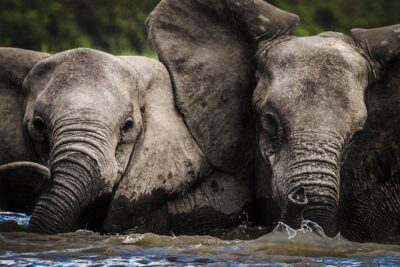
2 Days Mikumi National Park Safari From Dar es salaam or Zanzibar
Read our review →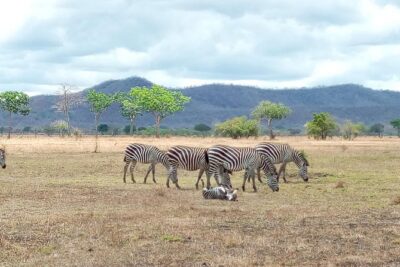
1. Day safaris to Mikumi by Train from dar es salaam
Read our review →Lists this safari turns up in