Review · QUAD BIKE & BUGGY SAFARIS
Mýrdalsjökull: South Coast ATV Quad Bike Safari
The best part of this ATV safari is the variety packed into two hours. You ride across the black sands of Sólheimasandur, stop at the famous DC3 wreck, follow the coast toward Dyrhólaey, then cross rivers into a mountain valley. It feels far removed from Iceland’s paved sightseeing route.
I like the friendly guiding and the useful gear, especially on cold or wet days. Guides including Anthony, Pawel, Paul, Bjarki, and Magni have helped riders with different skill levels, stopped for photos, and shared stories about the area. The main catch is weather: strong wind, rain, snow, or high water can change the route, and the glacier itself may not be reachable.
Key points to know before you ride
- The two-hour ride is the better buy: It adds the beach, plane wreck, fields, river crossings, and mountain valley rather than rushing through one or two stops.
- You share one ATV with another person: Odd-numbered groups and solo riders need a single-rider ATV, with an extra charge paid locally.
- You need a valid driver’s license: Even first-time riders can manage the route, but only licensed drivers may operate the quad bike.
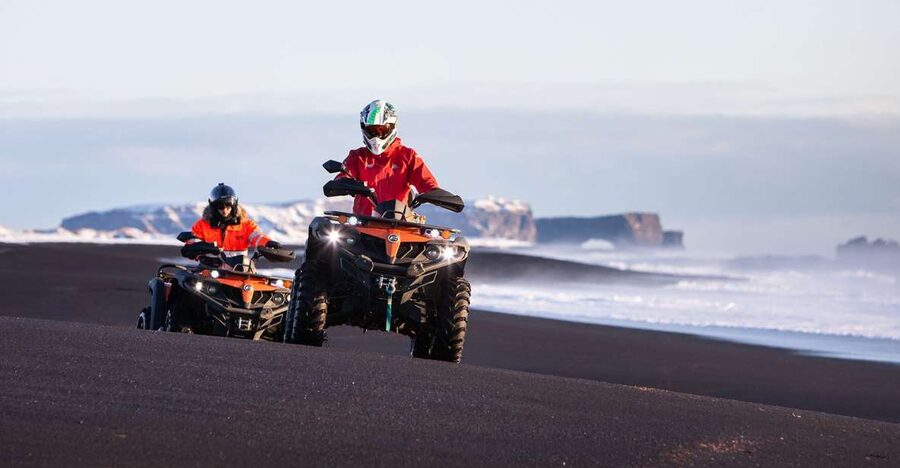
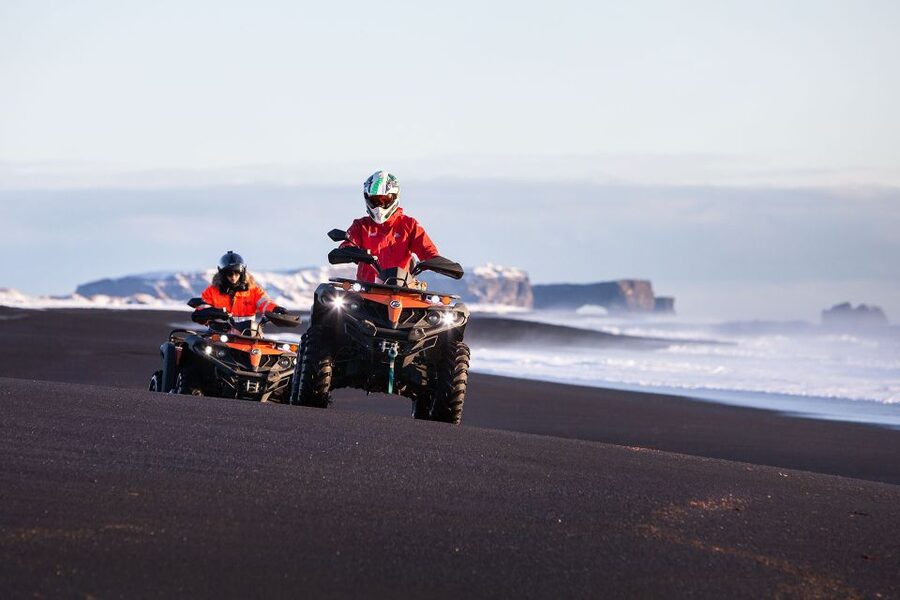
- The black beach is the star of the ride: You get room to build speed on the open sand when conditions and group ability allow it.
- Weather controls the adventure: River crossings and glacier access may be limited after storms, though the operator can adjust the route.
- Warm gear is supplied: Bring warm layers and waterproof shoes, and take the supplied wool gloves if available.
Riding from Mýrdalsjökull Base Camp
You meet at Mýrdalsjökull Base Camp on Ytri Sólheimar Road 222. The base is operated by Icelandic Mountain Guides by Icelandia, and the site can be farther up the road than a map app suggests. One practical tip: look for the Icelandic Mountain Guides by Icelandia sign on the left as you continue up the road, rather than stopping at the first location your phone points toward.
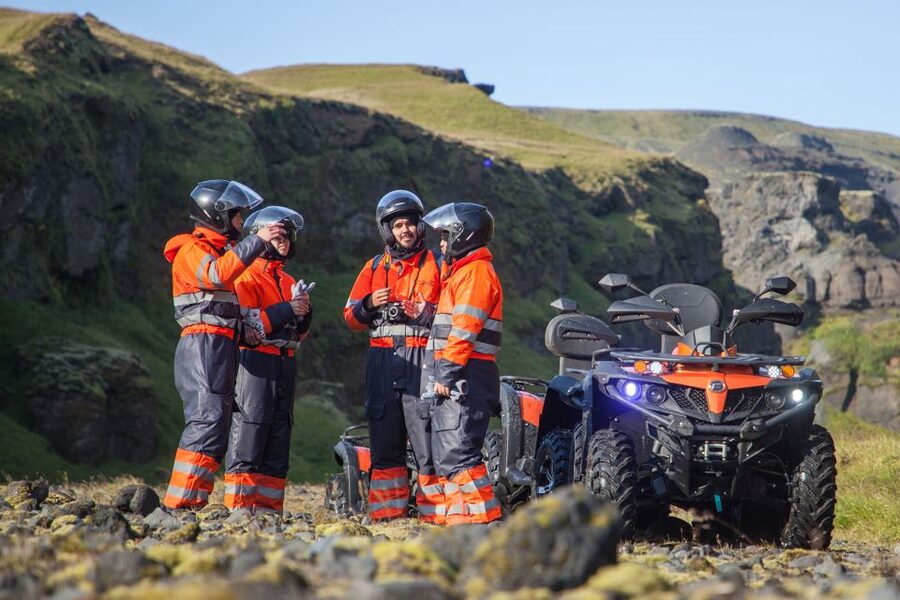
The first step is a short safety briefing. Your guide explains the controls, the route, and how to handle the changing ground. This matters if you have never driven an ATV, since the ride includes sand, rough tracks, water, and turns through open country.
You ride two people per ATV unless you book a single machine. Sharing works well for couples or family members who want to alternate driving, but it is worth deciding ahead of time who wants the wheel. If your group has an odd number, or you are alone, expect to pay for a single-rider ATV on site.
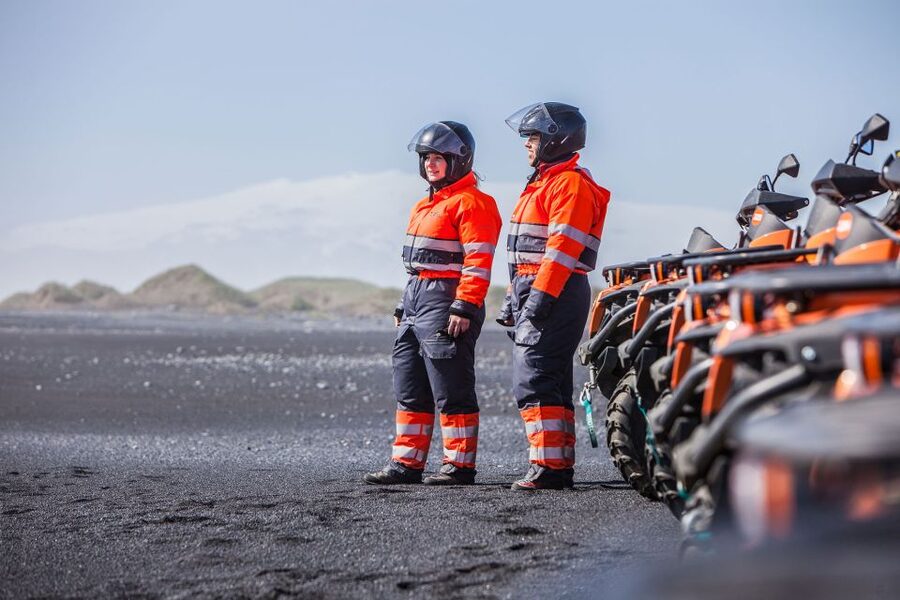
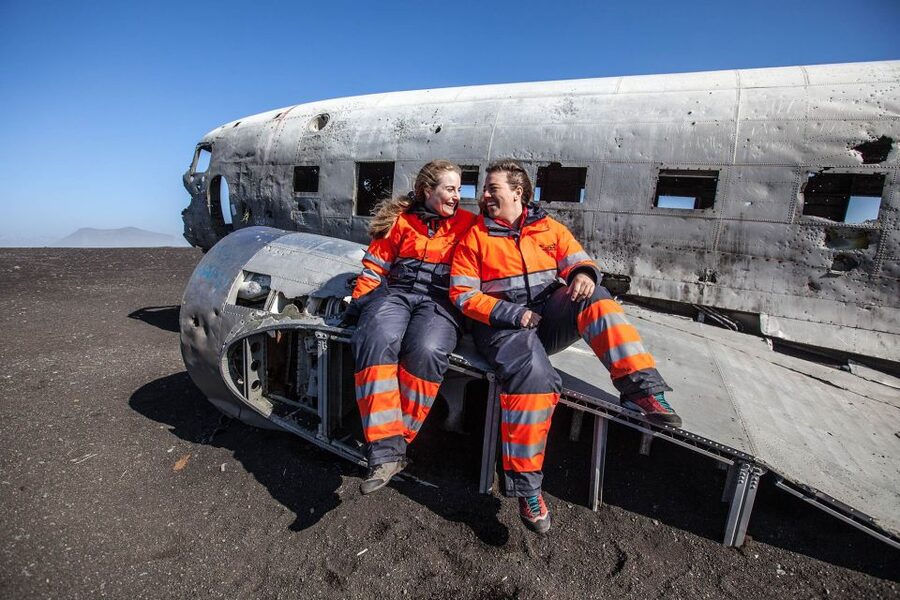
The operator provides an insulated cover-all, helmet, balaclava, and gloves. Boots may be supplied depending on the weather. I would still arrive in warm clothing and waterproof shoes. The cover-all blocks much of the wind, but your hands and base layers still matter, especially in winter. One useful cold-weather tip is to wear the supplied wool gloves beneath your own heavier gloves or mittens.
More Quad Bike Safaris in the world:
- Dubai: Desert Safari, Quad Bike, Camel Ride & Al Khayma Camp
★ 4.9 · 68,962 reviews - Dubai: Desert Safari, Quad Bike, Camel Ride and Sandboarding
★ 4.9 · 43,505 reviews - Dubai: Safari, Quad Bike, Camel Ride, and Buffet Dinner
★ 4.9 · 33,424 reviews
Why the two-hour option earns its price
The listed price is $144 per person, which is not a casual add-on to an Iceland road trip. Still, the value makes more sense when you consider what is included: a guide, ATV use for two people, protective clothing, several different riding surfaces, and stops at major sights that are awkward to reach on foot.
You can choose a one-hour express trip, but I would only choose it if time is tight or your group wants a short introduction to quad biking. The two-hour trip gives the guide room to take you from the sand to the coast, then inland toward the river and valley. Several riders who initially chose the shorter option changed to two hours and felt glad they did.
The longer trip also gives you more time for photos. This is important because the scenery changes quickly, and you will want a pause at the wreck, on the beach, and near the valley. The ride is not just about driving fast. It is the combination of open sand, water crossings, glacier views, and stops that makes the price easier to justify.
Some riders can upgrade to a buggy for an additional 10,000 Icelandic króna per person. That option is not part of the basic ATV price, so ask locally if you are considering it. The ATV is the standard experience described here.
Crossing the black sands of Sólheimasandur
The first major stretch takes you across Sólheimasandur, a broad black-sand plain near Iceland’s south coast. The ground gives the ride its other-worldly feel. Instead of green fields or paved roads, you see dark sand, open sky, distant mountains, and the ocean ahead.
This is also the section where the speed can become part of the fun. Guides set the pace for the group and point out where you can safely open up the throttle. Riders with experience may get chances to go faster, while beginners are not pushed beyond their comfort level.
Do not expect a race. The guide must keep the group together, and the route can include rougher tracks and changing conditions. Still, several guides have been praised for letting capable riders pick up speed while slowing down for those who need more time. That balance is one of the reasons the ride suits mixed groups.
The black sand is smooth in places, but other stretches can feel rough. In strong wind, the beach becomes a serious part of the experience. Winter riders have described being pushed by the wind even while standing still, so keep your face covered and follow your guide’s instructions closely.
The DC3 wreck and its strange story
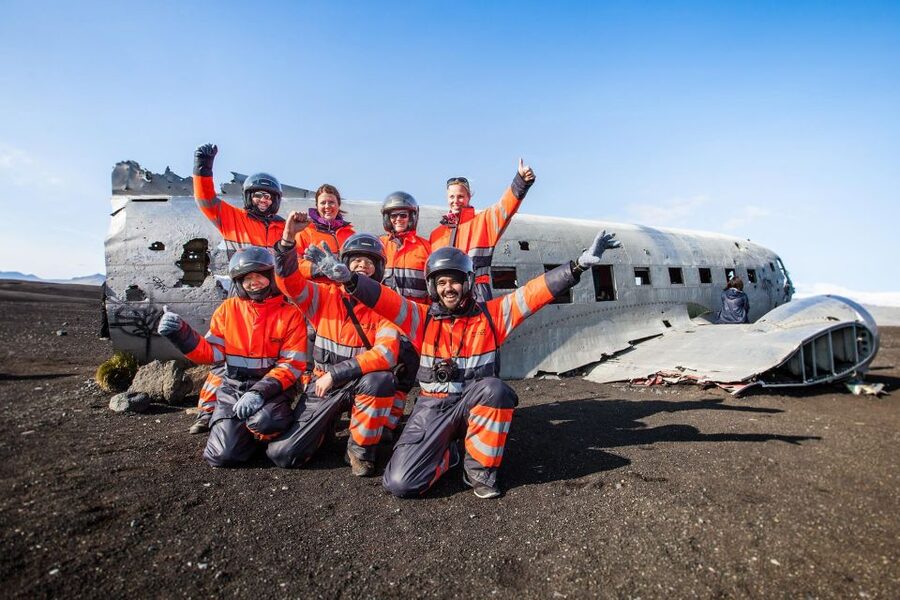
The DC3 plane wreck is the most recognizable stop. The aircraft came down on the Sólheimasandur sands in 1973, and the stripped fuselage now sits against the stark black plain. The metal shell looks almost unreal in this setting, with no normal airport, road, or town around it.
Your guide explains the story of the crash and gives you time to look around and take pictures. Guides such as Pawel, Oskar, and Bjarki have been singled out for explaining the wreck clearly and adding local stories rather than treating it as a quick photo stop.
The stop has real value because reaching the wreck by ATV avoids a long walk across the sand. You are not simply being driven to a viewpoint. You ride across the same open terrain that makes the wreck feel so isolated.
The site can be windy and exposed. Keep hold of loose items and be ready for wet or cold conditions. The wreck is a highlight, but it is not a sheltered attraction with facilities around it, so your supplied helmet and cover-all are useful here.
A few more safaris around the world worth a look
- Dubai: Red Dune Safari, Quad Bike, Camel Ride, BBQ Dinner
★ 4.9 · 32,185 reviews - Dubai: Premium Safari, Camel Ride & Al Khayma Camp 3-Buffets
★ 4.9 · 30,335 reviews - Dubai: Desert Safari with BBQ Dinner & Quad Biking Options
★ 4.9 · 20,485 reviews - Dubai: Half-Day Desert Safari, Camel Ride, ATV & Dune Buggy
★ 4.9 · 19,221 reviews
Dyrhólaey, ocean views, and the black-sand coast
From the wreck area, the route heads toward the coast. You get views of the Atlantic and the Dyrhólaey peninsula, the southernmost tip of Iceland. The peninsula is easy to recognize from its dramatic position at the edge of the sea, and it gives the ride a strong sense of place.
The beach is often the most exciting driving section. You may have room to ride at a brisk pace across firm sand, with the ocean beside you and the mountains behind. The guide decides how much speed is suitable for the day, the group, and the surface.
This is a good stop for people who want more than a standard sightseeing bus. You are close to the elements, and the wind, spray, and dark sand make the coast feel raw. The drawback is that the same exposure can make the stop uncomfortable in poor weather. Bring serious layers, not just a light jacket.
The route may not reach every planned coastal or glacier viewpoint. Storms and water levels can force the guide to change direction. That is not a fault in the operation. It is simply part of driving through open Icelandic country, where conditions can shift quickly.
Rivers, fields, and the mountain valley
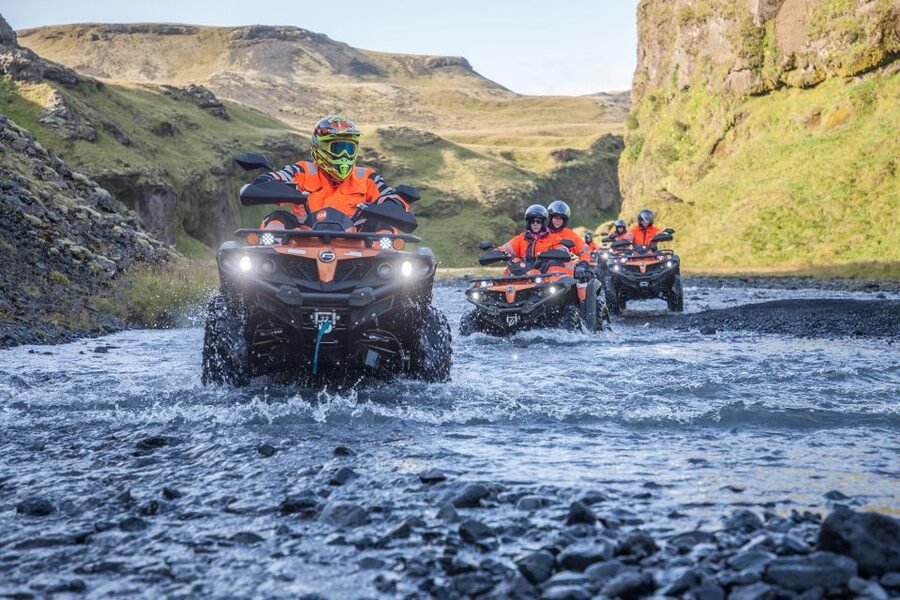
The return route follows the Jökulsá River and takes you away from the beach. This is where the two-hour outing earns its name as a safari rather than a simple beach ride. You move across rough ground, fields, and small streams before crossing a river into a mountain valley.
The water crossings are usually the most memorable technical feature. They add a little tension without making the outing a specialist off-road course. First-time riders have managed the route with help from patient guides, and the terrain is generally described as manageable rather than extreme.
Still, water levels matter. After heavy rain, some crossings may be impassable. In one stormy winter outing, the guide changed the route because several rivers were too high, but the group still reached the beach and the plane wreck. You should treat the itinerary as weather-dependent, not fixed.
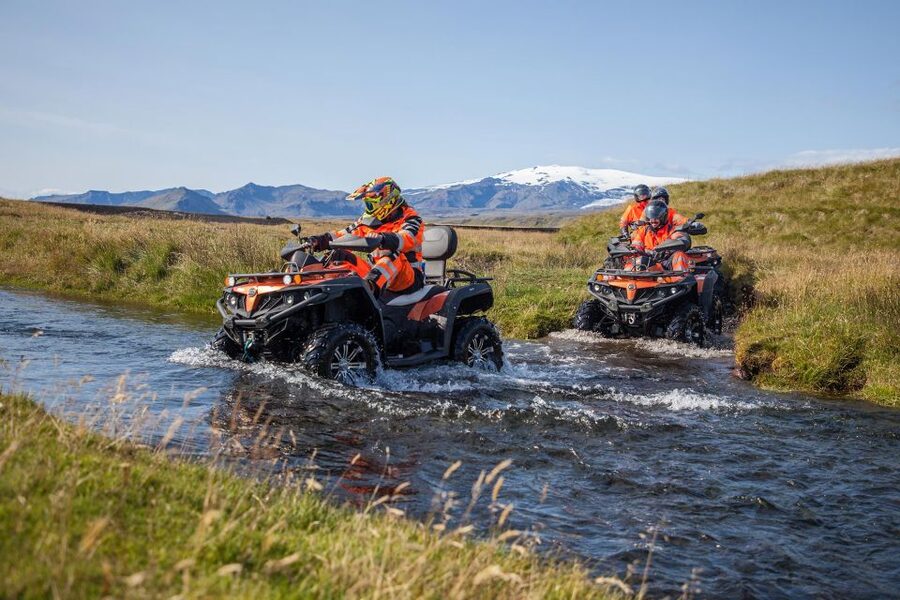
The valley offers a quieter finish. After the open beach and the noise of the ATV engines, the enclosed mountain setting feels calmer. Looking inland, you may see Mýrdalsjökull Glacier in the distance. The glacier is an important part of the setting, but the actual view and access depend on weather and route conditions.
In wet summer weather, the valley may be especially appealing because the streams and open fields show a different side of the area. In June, riders have seen purple lupine fields along with glacier-fed water. The scenery changes with the season, but the route keeps its mix of sand, water, and mountains.
Guides who make the difference
The guide is a major part of this experience. The most praised guides have been warm, patient, funny, and alert to the needs of the group. Anthony has been especially good with families and children, while Pawel has been noted for keeping a full group together and explaining where it is safe to increase speed.
Bjarki has helped turn the ride into a more personal outing by sharing stories and taking photos. Oskar has provided useful information about volcanoes, the beach, and the wreck. Magni and Paul have also led groups through the coast, fields, and river sections.
Names and guide assignments can change, but the pattern is clear: the staff do more than point the way. They watch the group, adjust the pace, explain the area, and step in when a rider feels nervous. That matters on rough ground, particularly if this is your first ATV experience.
The groups can be small, and very small departures sometimes feel almost private. One rider arrived as the only booking and received what was essentially a private tour. You should not count on having the guide to yourself, but the small-group option is worth selecting if available.
Who will enjoy this ATV safari
This outing suits you if you want an active way to see the south coast and do not mind getting close to cold, wind, water, and rough ground. It works particularly well for couples, families with older children, and friends who want a break from driving between waterfalls and viewpoints.
It is also a good choice for beginners. The terrain is not described as highly technical, and guides can work with riders who need extra help. You still need to be comfortable sitting on an ATV, following instructions, and handling changing surfaces.
Children under eight are not suitable for the activity, and pregnant women should not take part. Every driver needs a valid driver’s license. If you want to drive alone, book a single ATV and confirm the extra local charge.
This is less suitable if you want a quiet nature walk, a guaranteed glacier visit, or a polished attraction with a fixed schedule. It is a motorized adventure, and engine noise is part of it. You also need to accept that rain, snow, wind, or high rivers may shorten or change the planned route.
Planning the day from Reykjavík
The base is on Iceland’s south coast, not in Reykjavík. If you are driving from the capital, allow roughly two and a half hours based on the reported drive time, and leave room for changing road conditions. The area has other things to see, so the ATV trip can fit into a full south coast day, but do not schedule it so tightly that a delay ruins the rest of your plans.
You receive no hotel pickup or drop-off. That makes a rental car or another arranged transfer necessary. Check the exact meeting point before leaving, since the base may sit farther up Ytri Sólheimar Road than the booking map indicates.
Free cancellation is available up to 24 hours before the start time, and you can reserve now and pay later. Starting times vary, so check availability for your date. The tour is guided in English.
Should you book the two-hour ride?
I would book this experience if you want active scenery rather than passive sightseeing. The two-hour route gives you the strongest mix: open black sand, the DC3 wreck, Dyrhólaey and ocean views, rough tracks, river crossings, and the valley near Mýrdalsjökull.
The $144 price is high, but the time on the ATV, supplied gear, guide support, and range of scenery make it fair for a substantial Iceland activity. Choose the one-hour option only when your schedule or energy demands it. Choose a single ATV if you want full control or your group size requires one.
Skip it if you cannot drive, dislike exposed weather, need a guaranteed glacier stop, or prefer a quiet tour. For everyone else, this is one of the more memorable ways to experience the south coast, especially when the guide can let you open up the ATV on the empty black beach.
FAQ
Where does the ATV tour meet?
Meet at Mýrdalsjökull Base Camp on Ytri Sólheimar Road 222. Look for Icelandic Mountain Guides by Icelandia, Mýrdalsjökull Base.
How long does the tour last?
The activity lasts one to two hours, depending on the option you book. The two-hour trip provides more time for the beach, plane wreck, river crossings, and mountain valley.
Is an ATV provided for each person?
The standard booking provides one ATV for every two people. Solo riders and groups with an odd number need to book a single-rider ATV and pay the additional charge locally.
Do I need a driver’s license?
Yes. You need a valid driver’s license to operate a quad bike.
What equipment is included?
The operator provides a guide, ATV use for two people, an insulated cover-all, helmet, balaclava face mask, and gloves. Boots may be available depending on the weather.
What should I bring?
Bring your driver’s license, warm clothing, and waterproof shoes. Extra gloves are useful in cold conditions, particularly for protecting your fingers and thumbs.
Can children or pregnant women join?
Children under eight and pregnant women are not suitable for this activity. All participants must also follow the operator’s safety rules and may not be intoxicated or under the influence of alcohol or drugs.
Newest safaris around the world
- Dubai Desert Safari with Dune Bashing, Camel Rides & BBQ★ 5.0 · 51 reviews
- Morning Desert Safari with Buggy Ride & Sandboarding – Shared Car★ 5.0 · 10 reviews
- Afternoon Dune Drive Safari with SunSet Photo & Sand Boarding★ 5.0 · 43 reviews
- Morning Dubai desert safari – camel rides, quad bikes, dune buggies,dune bashing★ 4.0 · 43 reviews
- Dune Safari with 4X4 Car and BBQ Dinner★ 4.5 · 12 reviews
- Desert Safari, Open Desert Quad Bike Experience with BBQ Dinner★ 5.0 · 16 reviews
- Abu Dhabi city tour & desert safari from Dubai★ 5.0 · 87 reviews
- Adventure Quad Bike Safari, Camel Ride & Sandboarding★ 4.5 · 13 reviews
Quad Bike & Buggy Safaris, side by side.
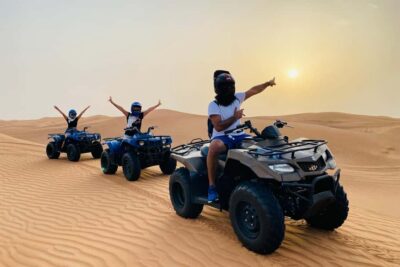
Desert Safari, Quad Bike, Camel Ride & Al Khayma Camp
Read our review →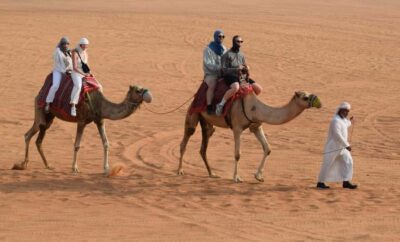
Desert Safari, Quad Bike, Camel Ride and Sandboarding
Read our review →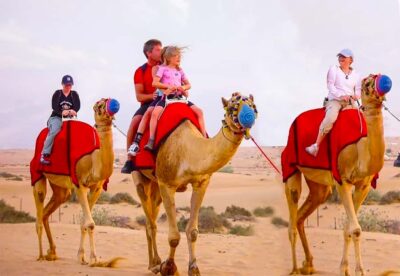
Safari, Quad Bike, Camel Ride, and Buffet Dinner
Read our review →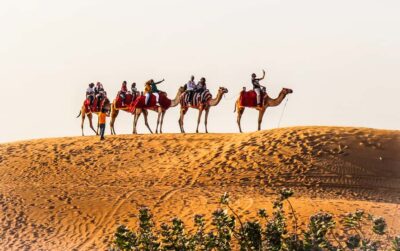
Red Dune Safari, Quad Bike, Camel Ride, BBQ Dinner
Read our review →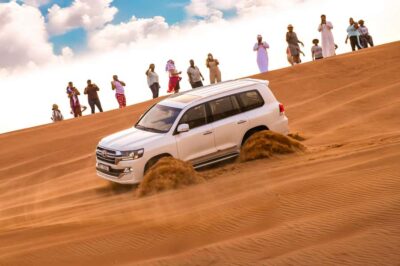
Desert Safari with BBQ Dinner & Quad Biking Options
Read our review →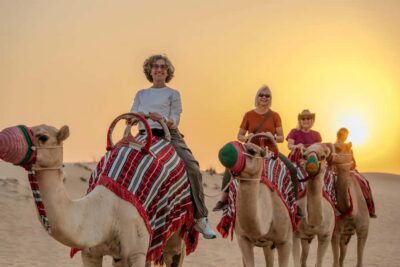
Half-Day Desert Safari, Camel Ride, ATV & Dune Buggy
Read our review →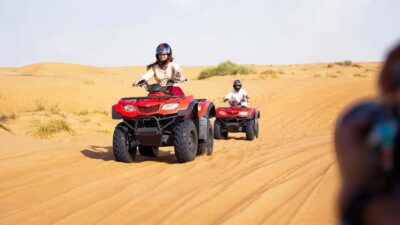
Desert Safari, Camel Ride, Sandboarding, Quad Bike
Read our review →