Review · CAMEL RIDES & DESERT CAMPS
Overnight Safari Abu Dhabi ,Belly Dance ,Camel Ride ,Henna Painting ,BBQ Dinner
The best part of this Abu Dhabi desert safari is that it does not end when the sun goes down. You spend the night at a Bedouin-style camp in the Al Khatim desert, after dune bashing and sunset views, then wake for a desert sunrise before breakfast. That extra night gives the desert a slower rhythm than a standard afternoon trip.
I like the small group size of up to four people, which should make the 4×4 ride more personal and less crowded. I also like the mix of active and cultural stops: camel riding, sandboarding, henna painting, shisha, a BBQ dinner, belly dancing, and Tanoura dancing. The trade-off is that the service can be quiet and lightly explained, so you should not book this expecting a guide who narrates every mile or provides nonstop entertainment.
Key things to know before you book
- A full overnight program: You leave around 3:30 p.m., spend the evening in the desert, sleep at camp, and have breakfast before returning.
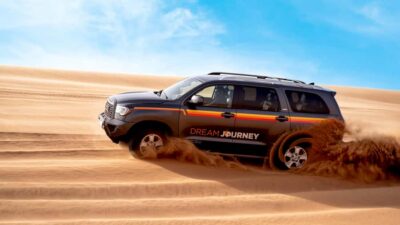
- High dunes near Al Khatim: The modified Toyota Land Cruiser takes you through steep desert tracks during the dune drive.
- Small group format: The maximum group size is four people, a useful advantage for couples, families, or friends who want a less crowded outing.
- Dinner and desert entertainment: A three-course BBQ is followed by belly dancing, Tanoura dancing, henna, shisha, and traditional photo opportunities.
- Transfers may cost extra: Hotel pickup and drop-off are not part of the basic inclusions, so confirm the transfer option before paying.
- Allow for a quiet guide: One account describes limited explanation during the trip and no music during the dune ride, so bring your own expectations as well as your camera.
Leaving Abu Dhabi for the Al Khatim dunes
The outing begins at about 3:30 p.m. and heads east from Abu Dhabi toward the Al Khatim desert. This timing is well chosen. You reach the desert in the afternoon, when the light begins to soften, and stay long enough to see both sunset and sunrise.
The desert here is not a flat sea of sand. The route includes some of the UAE’s higher and more challenging dunes, and the drive uses a specially modified Toyota Land Cruiser 4×4. That matters because dune driving is not ordinary road travel. The vehicle climbs, slips, tilts, and drops over sand rather than simply carrying you from one stop to the next.
You should expect a lively ride, but it is still a short organized activity rather than a full day of motorsport. The tour information asks you to have a moderate level of physical fitness. That is worth taking seriously if you have back or neck problems, dislike sudden movement, or find getting in and out of a high 4×4 difficult.
The maximum group size is four people. I see this as one of the stronger features of the experience. A small vehicle means less waiting for other cars, more room for each person, and a better chance to speak directly with the driver. At the same time, the available feedback suggests that the guide may not explain much unless you ask questions. If you want context about desert life, point out what interests you and ask directly.
More Camel Ride Safaris in Abu Dhabi
- Abu Dhabi: Desert Safari with BBQ, Camel Ride & Sandboarding
★ 4.9 · 4,762 reviews - Abu Dhabi: Desert Safari with BBQ, Camel Ride & Sandboarding
★ 5.0 · 2,998 reviews - Abu Dhabi Evening Desert Safari BBQ, Camel Ride, Entertainments
★ 5.0 · 2,790 reviews
Dune bashing, camel farms, and the best photo stops
The first major activity is dune bashing. It is the most physical part of the day and the point where the desert becomes more than a backdrop. The Land Cruiser takes on the larger dunes, giving you broad views across the rolling sand and plenty of chances for photographs.
A stop at a camel-breeding farm adds a useful local detail. This is more than a quick photo beside a generic desert animal. Camel breeding remains part of the region’s pastoral culture, and the stop gives you a chance to see the animal that has long been central to transport, food, and desert life.
There are also refreshments and photo stops at more dramatic dunes. The timing should bring you toward sunset, when the sand changes from pale gold to warmer orange and red. You can pose in traditional costumes or with falcons, according to the activity details. These are clearly arranged photo opportunities, not a private wildlife encounter, so treat them as a fun cultural snapshot rather than a serious falconry lesson.
Bring a phone or camera with enough battery for the full two-day outing. The most useful photographs are likely to come during the changing light, not only at the formal costume stop. A wide view from the top of a dune can show how isolated the camp feels, while a close portrait gives you a more personal souvenir.
Sunset before the Bedouin-style camp
After the dune drive and photo stops, the group watches the sunset over the desert hills. This is the point when the trip shifts from fast to slow. You can have refreshments, look across the sand, and let the day’s heat begin to fade.
I like that the overnight format gives you time for this pause. On a short desert outing, sunset can feel like a scheduled five-minute stop between activities. Here, it leads into the evening camp and becomes part of a longer sequence.
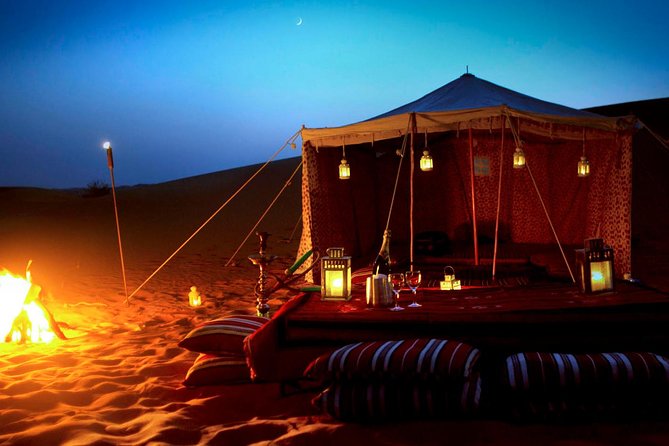
The camp is described as traditional and Bedouin-style, set in the middle of the desert. That setting is the main reason to choose this trip over a regular afternoon safari. You are not simply leaving the dunes when darkness arrives. You remain there for dinner, entertainment, sleep, and breakfast.
Keep your expectations practical. This is desert camping, not a luxury hotel moved onto the sand. The accommodation is included, but the supplied details do not specify bedding, private facilities, or the exact room arrangement. If those details matter to you, ask the operator before booking. The experience is best for someone who values the setting and the sequence of activities more than polished hotel comforts.
Camel riding, sandboarding, henna, and shisha
At camp, you can choose from several familiar desert activities. Camel riding offers a gentle contrast to the 4×4 drive. The pace is slow, the animal is part of the region’s traditional culture, and the short ride gives you a different view of the dunes.
Sandboarding is the more active choice. You slide down the sand rather than ride across it, and you can try it alongside the camel activity. The tour description does not promise a long lesson or a dedicated instructor, so expect a simple recreational try rather than a technical boarding session.
Henna painting adds a quieter cultural element. It is a temporary design applied to the skin, often chosen as a decorative souvenir of the evening. If you have dietary, skin, or other concerns, tell the operator about your needs when booking. Vegetarian meals and specific dietary requirements can be requested in advance.
Shisha smoking is also offered as part of the camp experience. You should treat it as optional. There is no reason to feel you must take part in every activity, and the camp also gives you room to relax with a beverage. Coffee and tea are included, while the details about other drinks and food extras are less clear, so confirm what is covered before ordering anything additional.
More Camel Ride Safaris in the UAE
- Abu Dhabi: Morning Desert Safari with Camels and Sandboarding
★ 5.0 · 1,256 reviews - Abu Dhabi: Evening Desert Safari with Camel Ride, BBQ & Live Show
★ 5.0 · 638 reviews - Abu Dhabi Morning Desert Safari: 4×4 Dune Bashing, Camel Ride and Sandboarding
★ 5.0 · 487 reviews - Desert Safari Abu Dhabi w/ Sand Boarding, Camel Ride & BBQ Dinner
★ 5.0 · 206 reviews
BBQ dinner and evening performances
Dinner is described as a substantial three-course BBQ meal. Dinner is included, along with breakfast, bottled water, and coffee or tea. The listing also contains a separate note that food and drinks are not included, which likely refers to items beyond the stated dinner, breakfast, water, coffee, and tea. To avoid an unpleasant surprise, ask what extra beverages and snacks cost.
The BBQ is a practical fit for the setting. It gives you a warm meal after the outdoor activities, and the shared camp setting makes dinner part of the evening rather than a break from it. A vegetarian option is available, but you need to request it at the time of booking.
After dinner, the program includes a belly dancer and Tanoura dancing. Belly dancing is a well-known form of Arabic entertainment, while Tanoura performers use repeated turning and colorful movement to create a highly visual show. These performances are staged entertainment for a desert camp, not a private cultural ceremony, but they help explain why the evening lasts beyond the meal.
You may also have the chance to wear traditional clothing for photographs. This can feel playful and tourist-oriented, yet it remains a harmless way to connect the evening’s activities with regional dress. I would take the photo, enjoy the show, and avoid treating the camp program as a complete lesson in Emirati culture. It is an introduction, not the whole story.
One practical point is worth noting: an account of the trip described little explanation from the guide and no music during the dune ride. That does not make the outing poor, but it means the atmosphere may depend on your group. If you want a more informative trip, ask questions at the camel farm, during the sunset stop, and at camp. If you prefer quiet desert views, the lack of constant commentary may suit you.
Sleeping under the stars and seeing the sunrise
The overnight stay is the feature that gives this experience its name and its extra value. Once the performances finish, you remain in the desert instead of returning to Abu Dhabi at night. Darkness changes the mood completely. The camp becomes quieter, and the dunes lose their daytime scale.
The morning is just as important. The highlights include sunrise views from the dunes, followed by breakfast. A sunrise in the desert is not a guaranteed cloudless spectacle, and weather affects the colors, but the early light gives you a second chance to see the same sand in a different way.
The overnight stay also makes the schedule less rushed. You have time for the sunset, camp activities, dinner, the evening performance, sleep, and breakfast. The drawback is obvious: the trip takes about two days, so it uses more of your Abu Dhabi schedule than a half-day safari. If you have only one free afternoon, this may be too much. If you want the desert to be the main event, the longer format makes sense.
Is $130 a fair price?
At $130 per person, the value depends on how much of the program you would pay for separately. You are not paying only for a dune drive. The package includes the 4×4 safari, camel ride, sandboarding, sunset and sunrise viewing, camp accommodation, BBQ dinner, breakfast, bottled water, coffee or tea, and evening entertainment.
That is a fair amount of activity for the price, especially with a maximum of four people. The overnight stay is the feature that most clearly separates this from a cheaper evening safari. You are also buying time, not just attractions. There is less pressure to finish dinner and rush back to the city.
The value is weaker if you do not care about sleeping in a camp, do not want staged entertainment, or expect luxury service. Hotel pickup and drop-off are not included in the standard package, though a transfer upgrade may be available from Abu Dhabi, Al Ain, or Dubai. Add that cost to your budget before comparing this with other desert outings.
The booking pattern also matters. The experience is booked about 17 days ahead on average, which suggests you should not leave it until the last moment if your dates are fixed. Free cancellation is available if you cancel at least 24 hours before the start time. Changes or cancellations inside that window are not accepted for a refund.
Who will enjoy this desert safari most?
I would recommend this for couples, friends, and small families who want a complete desert evening rather than a quick ride. It works particularly well for people who enjoy variety: a little adventure, a little local tradition, a meal, live entertainment, and a night outdoors.
It also suits photographers and anyone who wants both sunset and sunrise. The two light changes are more interesting than seeing the desert only in the afternoon, and the small group makes photo stops easier to manage.
Families should note that children must be accompanied by an adult. Anyone with limited mobility or a low tolerance for bumpy rides should ask questions before booking, since the activity calls for moderate physical fitness and includes dune driving.
This is less suitable if you want a quiet, private wilderness camp with no staged entertainment. It is also not the best choice if you need detailed guiding throughout the day. The experience offers cultural activities, but the amount of explanation may be limited unless you take the lead and ask.
Practical details that can affect your day
Wear clothing that lets you move comfortably and protects you from the sun. For religious sites or selected museums connected with other parts of your trip, remember that shoulders and knees must be covered, with no shorts or sleeveless tops allowed. That dress rule is not specifically a desert-camp rule, but modest clothing is the sensible choice for a UAE itinerary.
Tell the operator about vegetarian meals or other dietary needs when you book. Bring a light layer for the evening, since the desert can feel cooler after sunset, though the supplied information does not state exact nighttime temperatures.
The basic tour does not include hotel pickup and drop-off. Pickup is offered as an option, and the trip can include transfers from Abu Dhabi, Al Ain, or Dubai depending on the selected upgrade. Confirm your pickup location, added fee, and return plan before you commit.
Should you book it?
Book this overnight safari if you want the desert to be a central part of your Abu Dhabi visit. The strongest reasons are the small group, high-dune drive, sunset and sunrise combination, included dinner and breakfast, and the chance to stay at camp instead of hurrying back to the city.
Skip it if you need polished guiding, luxury accommodation, or a tightly explained cultural program. The quiet guide service and possible extra cost for transfers are real considerations. For the right person, though, $130 buys a full desert night with plenty to do and enough empty space to remember why you came to the dunes in the first place.
FAQ
How long does the overnight Abu Dhabi desert safari last?
The experience lasts approximately two days. It leaves Abu Dhabi at about 3:30 p.m., continues through the evening, includes an overnight camp stay, and has breakfast the next morning.
Where does the safari take place?
The safari heads east from Abu Dhabi to the Al Khatim desert, an area known for high dunes and desert driving.
Is hotel pickup included?
Hotel pickup and drop-off are not included in the basic package. A transfer upgrade may be available from Abu Dhabi, Al Ain, or Dubai, so confirm the option when booking.
What meals are included?
Dinner and breakfast are included. The package also includes bottled water and coffee or tea. Vegetarian meals and specific dietary requirements can be requested in advance.
What activities are included at the camp?
The experience includes camel riding, sandboarding, henna painting, shisha smoking, traditional costume and falcon photo opportunities, and evening performances including belly dancing and Tanoura dancing.
How large is the group?
The maximum group size is four people.
Do children need an accompanying adult?
Yes. Children must be accompanied by an adult.
What is the cancellation policy?
You can cancel at least 24 hours before the start time for a full refund. Cancellations or changes made less than 24 hours before the experience are not accepted for a refund.
More Safaris with BBQ Dinner in Abu Dhabi
- Abu Dhabi Desert Safari With Live Shows And BBQ Buffet Dinner
★ 5.0 · 1,177 reviews - Abu Dhabi: Desert Safari with BBQ, Belly & Tannura Dance
★ 4.8 · 809 reviews - Abu Dhabi Desert Safari With BBQ Dinner & Live Shows
★ 5.0 · 795 reviews - Abu Dhabi: 7-Hours Desert Safari with BBQ, Camel Ride & Sandboarding
★ 5.0 · 149 reviews
More Overnight Safaris in the UAE
- Abu Dhabi: Overnight Desert Safari
★ 4.7 · 177 reviews - Overnight Desert Safari with BBQ Dinner & Breakfast Abu Dhabi
★ 5.0 · 60 reviews - Dubai: Overnight Safari, Dinner, Stargazing & Al Khayma Camp
★ 4.8 · 2,562 reviews - Dubai Overnight Desert Safari, BBQ & Stargazing at Al Khayma Camp
★ 5.0 · 2,327 reviews
Newest safaris around Abu Dhabi
- Sunrise Desert Safari from Abu Dhabi★ 4.5 · 10 reviews
- Abudhabi Desert Safari★ 5.0 · 43 reviews
- Morning Desert Safari with Camel Ride & Sand Skiing Private Tours★ 4.5 · 17 reviews
- Safari Half-Day Adventure from Abu Dhabi★ 5.0 · 103 reviews
- VIP Desert Safari Abu Dhabi with Private Seating Area★ 4.5 · 30 reviews
- Private Desert Safari With BBQ Buffet Dinner And Live Shows★ 5.0 · 58 reviews
- Sunrise Desert Safari from Abu Dhabi★ 4.5 · 28 reviews
- Morning Desert Safari with Quad Bike Tour Abu Dhabi★ 4.0 · 25 reviews
Camel Rides & Desert Camps, side by side.
Desert Safari, Quad Bike, Camel Ride & Al Khayma Camp
Read our review →
Desert Safari, Quad Bike, Camel Ride and Sandboarding
Read our review →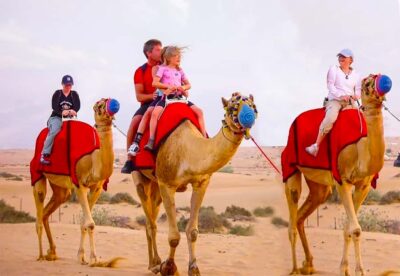
Safari, Quad Bike, Camel Ride, and Buffet Dinner
Read our review →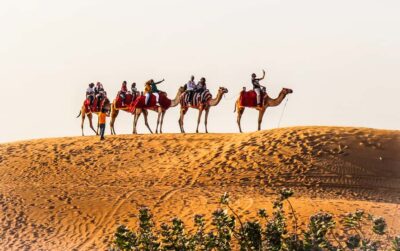
Red Dune Safari, Quad Bike, Camel Ride, BBQ Dinner
Read our review →
Premium Safari, Camel Ride & Al Khayma Camp 3-Buffets
Read our review →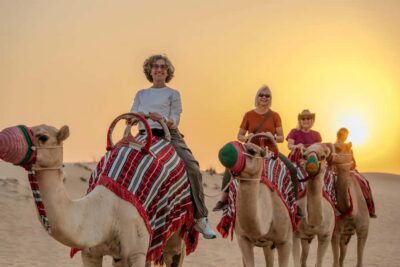
Half-Day Desert Safari, Camel Ride, ATV & Dune Buggy
Read our review →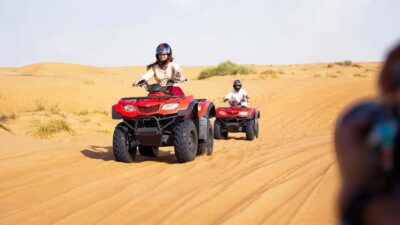
Desert Safari, Camel Ride, Sandboarding, Quad Bike
Read our review →