Review · TOURS
Cagliari: EcoSafari Flamingos Tour in Molentargius Park
Molentargius Park is one of Cagliari’s best surprises: a vast wetland where pink flamingos feed beside old salt pans only a short distance from the city. This 90-minute electric minibus tour takes you into protected parts of the 1,600-hectare park, with official environmental guides explaining what you’re seeing.
I like the access to restricted nesting areas and the chance to use a shared telescope rather than relying on luck or a phone camera. I also like that the tour connects wildlife with Sardinia’s salt industry and geology. The catch is simple: birds follow their own schedule, and strong wind or rain can leave you seeing very few flamingos.
Key points to know before booking
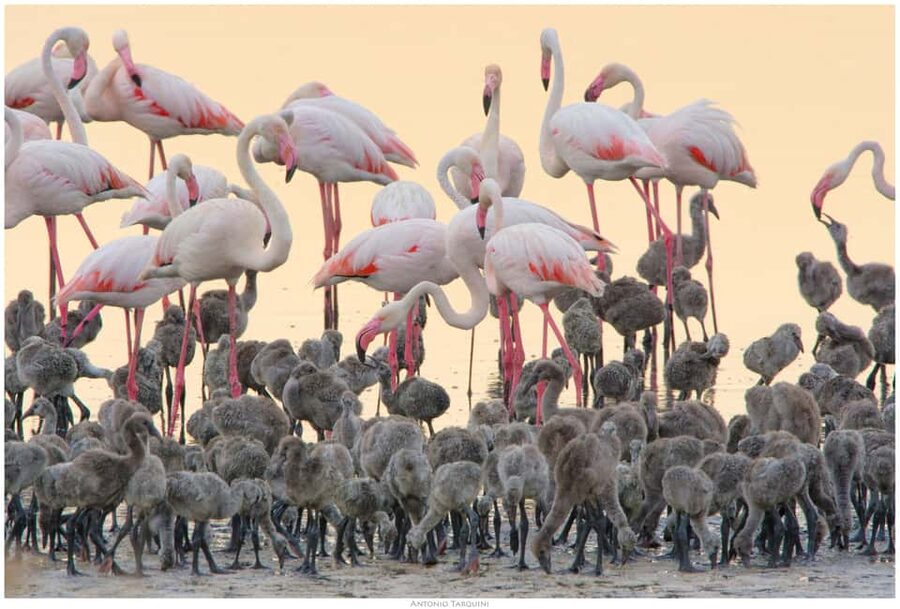
- Protected flamingo areas: The route includes parts of the park that are not available on an ordinary visit.
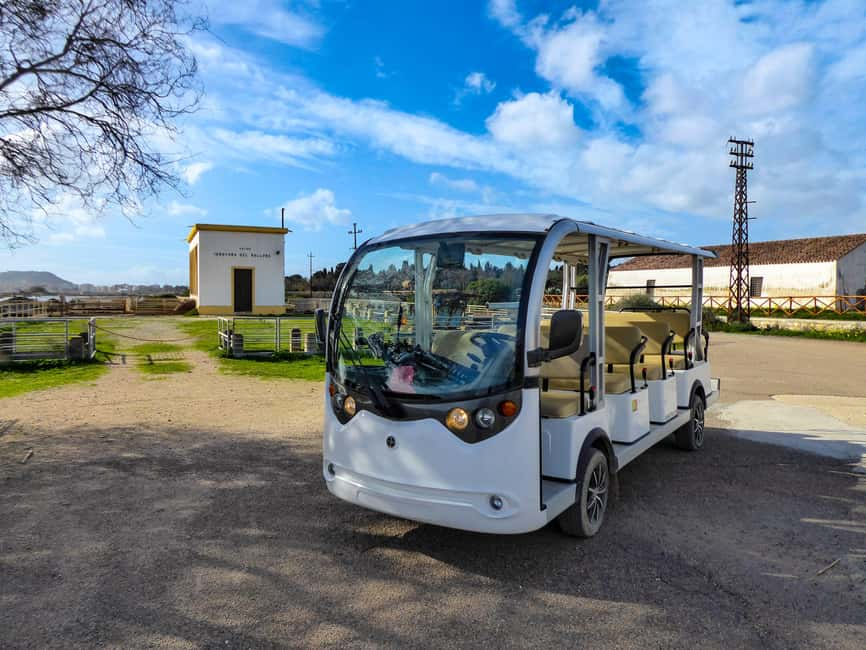
- Electric minibus: You cover a large wetland area comfortably without walking the entire Salt Route.
- Shared viewing equipment: Binoculars and a telescope are provided for closer looks at distant birds.
- More than flamingos: The park supports over 250 bird species, including avocets, herons, slender-billed gulls, and the rare sultan chicken.
- Weather matters: February visits have been affected by wind and rain, so bring warm clothing and keep your expectations flexible.
- Good value at $29: The price is reasonable if you value official access and expert interpretation, but less so if your only goal is a close flamingo photograph.
Why Molentargius Park is worth your time
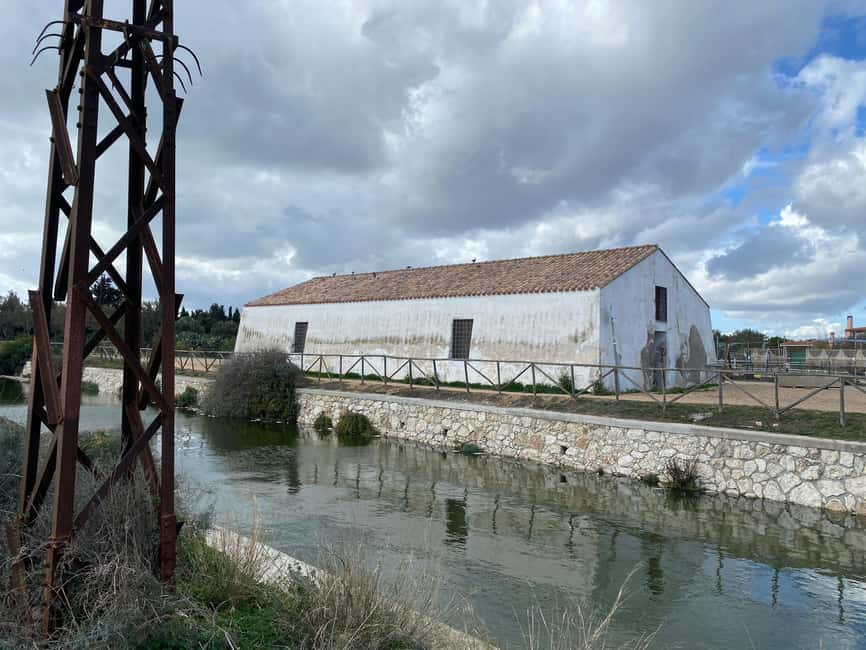
Molentargius Saline Natural Park gives you a very different side of Cagliari. Instead of churches, cafés, and crowded streets, you get shallow lagoons, salt ponds, bird calls, and broad open skies. The park covers about 1,600 hectares, so this is not a small city garden where you can casually stroll from one bird to the next.
The electric minibus makes sense here. It carries you between separate parts of the wetland while keeping the outing to 1.5 hours. You can sit back, listen to the guide, and save your energy for watching the birds. Since the vehicle is electric, the tour also fits the park’s conservation goals.
I especially like the way this experience joins nature with local history. Molentargius was shaped by salt production, and the old salt pans are not just scenic water basins. They formed part of Sardinia’s white gold industry, an important source of work and trade in the area.
The setting can feel quiet and wild, but it is closely tied to Cagliari’s past. That combination makes the tour more rewarding than a simple ride out to photograph flamingos.
A few more safaris around the world worth a look
- Dubai: Desert Safari, Quad Bike, Camel Ride & Al Khayma Camp
★ 4.9 · 68,962 reviews - Dubai: Desert Safari, Quad Bike, Camel Ride and Sandboarding
★ 4.9 · 43,505 reviews - Dubai: Safari, Quad Bike, Camel Ride, and Buffet Dinner
★ 4.9 · 33,424 reviews
Starting at the Infopoint
You begin at the Infopoint Parco Molentargius Saline, where the guided route starts and ends. The whole outing lasts about 90 minutes, so you are not committing half a day to the park.
The tour is offered in Italian and English. If you want the English version, confirm your selected language when booking. The environmental guide is authorized by the park, which matters here because protected wetlands can be easy to misunderstand. A shallow pool may look empty while holding wading birds at a distance, and a salt pan can have a story that is not obvious from the road.
The experience is designed as a shared minibus tour, not a private wildlife safari. You should expect to share binoculars and a telescope with the group. That arrangement keeps the price at $29 per person, though it also means you may need to wait briefly for your turn at the viewing equipment.
Following the old Salt Route
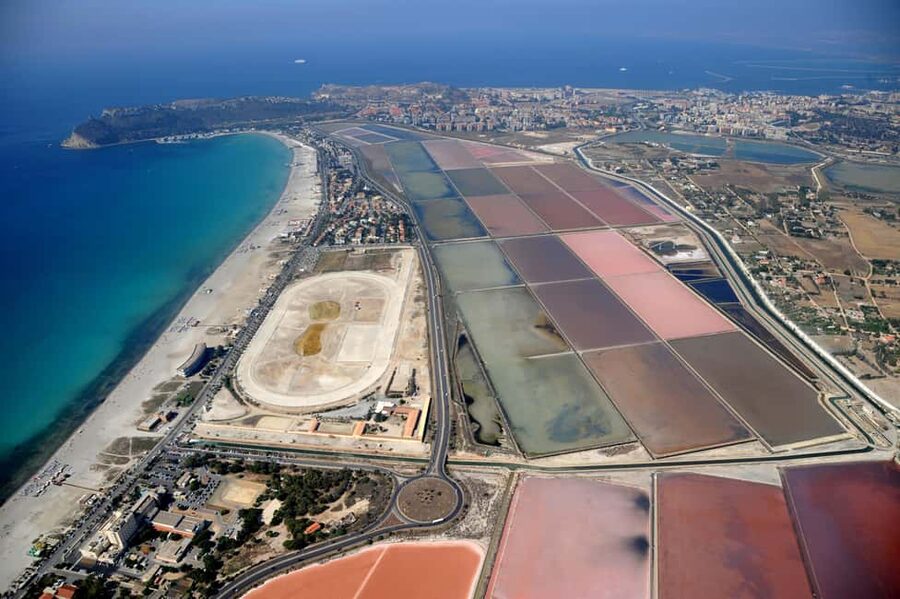
The first major part of the route follows the historic Salt Route. Your guide explains how salt was collected and processed, and how the pans helped shape the area around Cagliari.
This is useful context because the ponds serve more than one purpose. They are working examples of how human activity created conditions that now support a large number of birds. The salt industry and the wetland ecosystem are closely linked, rather than being separate stories.
You will pass ancient salt pans and see how water is managed across the site. The details are best understood with a guide, since the differences between ponds may not be obvious at first glance. Depending on the day, the water, light, and bird activity can change the appearance of the route.
I would not book this solely for dramatic monuments. The old salt works are interesting because they explain the place, not because they are grand ruins. If you enjoy industrial history, local work traditions, and unusual uses of land, this part adds real value.
The Fossil Beaches of Is Arenas
The route also reaches the Fossil Beaches of Is Arenas. This stop adds a geological and agricultural layer to the outing.
The name points to ancient shore material preserved in the area, giving you a glimpse into how the land changed over time. The site also connects with Sardinia’s agricultural past, so it is another reminder that Molentargius is not only a bird reserve. It is a record of changing coastlines, farming, salt production, and human settlement.
Do not expect a classic beach visit with swimming or seaside facilities. The Fossil Beaches are part of the park’s natural and cultural story. Their value comes from what they help explain, especially when the guide points out the connection between geology and local land use.
This stop can be easy to overlook if you are focused only on flamingos. I would pay attention here, since it gives the tour a stronger sense of place.
Same region, a very different drive:
- Dubai: Red Dune Safari, Quad Bike, Camel Ride, BBQ Dinner
★ 4.9 · 32,185 reviews - Dubai: Premium Safari, Camel Ride & Al Khayma Camp 3-Buffets
★ 4.9 · 30,335 reviews - Dubai: Desert Safari with BBQ Dinner & Quad Biking Options
★ 4.9 · 20,485 reviews - Dubai: Half-Day Desert Safari, Camel Ride, ATV & Dune Buggy
★ 4.9 · 19,221 reviews
Reaching the protected flamingo area
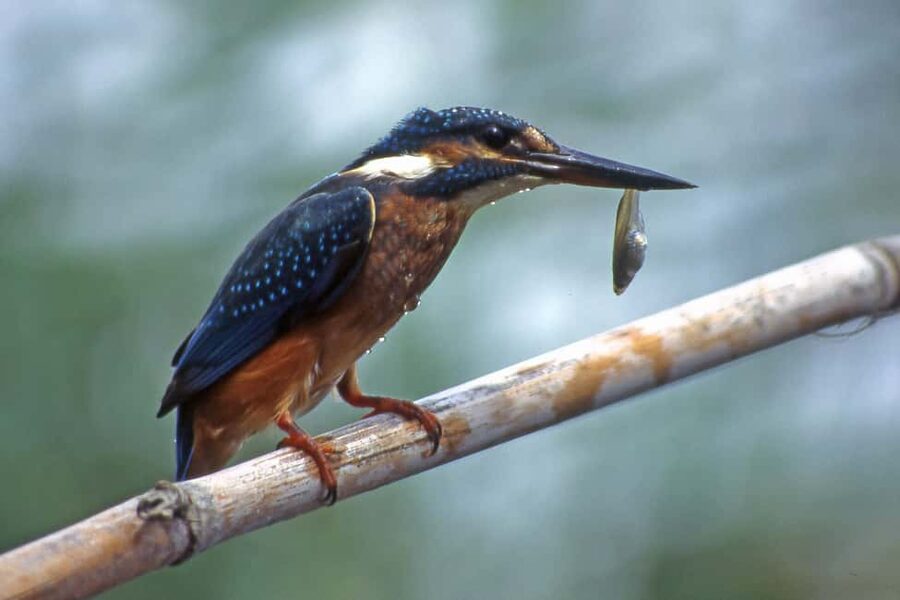
The main wildlife section comes when you reach the protected Ecosystem area, described as the principal nesting site for hundreds of pink flamingos. This is the part most people have in mind when they book.
The official guide helps you approach the area without disturbing the birds. The tour also has access to restricted zones, an advantage over simply visiting the park independently. That access does not guarantee a close view, but it puts you in a better position to understand where the birds feed and nest.
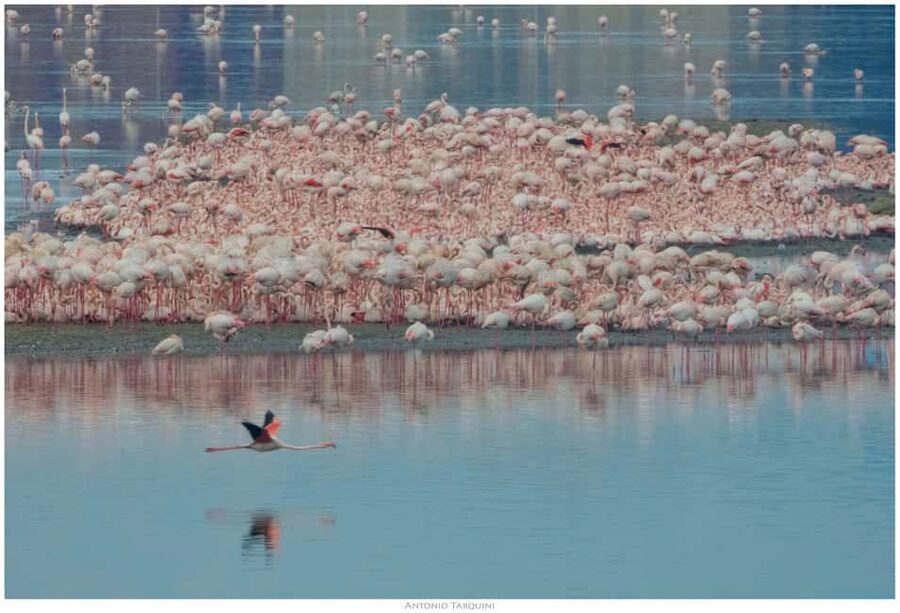
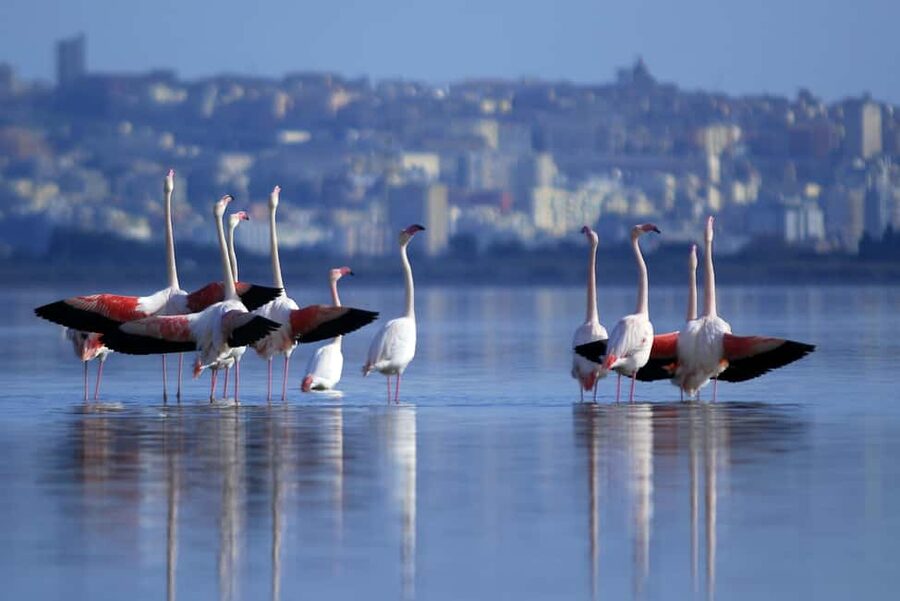
Flamingos often appear as pink shapes across the water rather than as close-up animals. You may see groups standing in shallow pools, feeding with their heads down, or resting at the edge of the lagoon. Their distance can change throughout the day and with the weather.
This is where the telescope matters. A phone camera may record little more than bright specks, while the telescope can reveal legs, curved bills, and the birds’ feeding behavior. Since the equipment is shared, listen to the guide and take your turn rather than trying to watch through it continuously.
The conditions are not always generous. A February visit with strong wind produced only about ten flamingos for one participant, with most of them far away. Another February outing had few sightings because the birds avoided the wind. That is normal wildlife watching, not a fault the guide can fully correct.
Looking beyond the pink birds
Molentargius supports more than 250 bird species, so keep your attention wider than the flamingo groups. The guide may point out slender-billed gulls, avocets, and herons, along with the rare sultan chicken.
Avocets are especially distinctive because of their upturned bills and long legs. Herons may blend into the edge of the water, while gulls can be easy to dismiss until you notice differences in shape and bill. A guide can turn a quick glance into a proper identification.
The number 250 does not mean you will see 250 species during a 90-minute visit. It describes the park’s bird diversity, not a promise for each departure. Your actual list will depend on season, wind, rain, water levels, and the patience of the birds.
That distinction is important. If you want a guaranteed flamingo spectacle, this is the wrong kind of outing. If you enjoy learning how a wetland works and spotting whatever appears, the range of possible birds makes the ride worthwhile.
The guide makes the difference
The guide is not simply driving you around. The tour uses environmental guides authorized by the park, and the strongest part of the experience is the interpretation they provide.
Guide Francesco received especially warm praise for his careful and pleasant approach. The overall guide service has also been described as well prepared and kind. That matters because the park’s best details are easy to miss without explanation.
A good guide can tell you why one pond attracts certain birds, how salt production affected the area, and where to look through the telescope. The guide can also adjust the route or viewing time when conditions allow, though no one can make flamingos appear in bad weather.
The outing is available in Italian and English. You should be comfortable with a live guided format, with information delivered while the minibus moves and stops around the park.
Weather, clothing, and realistic expectations
Weather is the biggest practical issue. Molentargius is an open wetland, with limited shelter from wind and rain. February visitors have found it notably windy, and one outing was interrupted by light rain and strong gusts.
Wear warm layers in cooler months. A windproof outer layer is a smart choice, even when Cagliari feels mild in town. The open setting can feel colder than expected, especially when you stop to look across the ponds.
Rain may lead to a rescheduled outing, but you should check the arrangements before leaving for the meeting point if the forecast looks poor. One participant wanted to call ahead but did not have a direct telephone contact available. It is sensible to confirm the day’s status through the booking channel rather than assume the tour will run normally.
The operator offers free cancellation up to 24 hours before departure, with a full refund, and a reserve-now, pay-later option is available. Those terms are useful if your Cagliari plans are still shifting, but they do not remove the risk of poor wildlife conditions on the day.
Is $29 a fair price?
At $29 per person, I consider this a fair price for the combination of transport, park-authorized guiding, restricted-area access, and shared optical equipment.
You are paying for more than a minibus seat. The guide provides interpretation, the route covers a large area, and the telescope can make distant birds much easier to identify. For a first visit to Molentargius, that structure saves you from guessing where to go.
The value is weaker if you measure the tour only by the number of flamingos seen. A windy or rainy day can produce a short bird list, and one participant felt the full price was not worthwhile after seeing only a handful of distant flamingos.
I would think of the $29 as payment for access and understanding, not a guaranteed photo opportunity. On a calm day with active birds, the value improves sharply. On a rough-weather day, the salt works, fossil beaches, and guide’s explanations become more important.
Who should book this tour?
I would recommend it to you if you have an interest in birds, wetlands, local industry, or natural history. It is also a good choice if you want to see a side of Cagliari that feels far removed from the city center without arranging transport or planning your own route.
The tour suits first-time visitors who want an introduction to the park. It also works for families and casual bird watchers, since you can see a large area without walking the full route. The electric minibus keeps the outing simple and compact.
You may want to skip it if your main goal is a guaranteed close-up flamingo photograph. You should also think twice if your schedule cannot handle a weather-related change, or if you dislike shared equipment and group pacing.
For the best chance of a satisfying visit, book with an open mind, wear clothing suited to wind, and treat the flamingos as part of a larger wetland experience. The salt pans and fossil beaches are not filler. They are what make this more than a quick bird-counting trip.
Final booking advice
I would book the Molentargius EcoSafari if you have 90 minutes to spare in Cagliari and want expert access to a protected wetland. The combination of the Salt Route, fossil beaches, and bird habitat gives you a fuller picture of Sardinia than a flamingo photo alone.
Book it with realistic wildlife expectations. Calm weather can bring rewarding sightings, while wind and rain may leave you with distant birds or a shortened outing. At $29, it is a sensible buy for nature and local history, especially when the guide is as attentive as Francesco. It is not the right choice for anyone who needs a guaranteed close encounter.
FAQ
How long does the Molentargius flamingo tour last?
The tour lasts 1.5 hours, including the electric minibus route through Molentargius Saline Natural Park. It begins and ends at the Infopoint Parco Molentargius Saline.
What languages are available?
The live guide is available in Italian and English.
Are binoculars provided?
Yes. Binoculars and a telescope are shared during the tour so you can observe flamingos and other birds from a distance.
Will I definitely see flamingos?
No. Flamingo sightings depend on conditions such as wind and rain. Some visits have produced only a small number of distant flamingos, while the park remains home to hundreds of them.
What does the tour include besides flamingos?
The route includes the historic Salt Route, ancient salt pans, the Fossil Beaches of Is Arenas, and the protected Ecosystem area. The park is home to more than 250 bird species.
Can I cancel the booking?
You can cancel up to 24 hours in advance for a full refund. A reserve-now, pay-later option is also available.
Newest safaris around the world
- Dubai Desert Safari with Dune Bashing, Camel Rides & BBQ★ 5.0 · 51 reviews
- Morning Desert Safari with Buggy Ride & Sandboarding – Shared Car★ 5.0 · 10 reviews
- Afternoon Dune Drive Safari with SunSet Photo & Sand Boarding★ 5.0 · 43 reviews
- Morning Dubai desert safari – camel rides, quad bikes, dune buggies,dune bashing★ 4.0 · 43 reviews
- Dune Safari with 4X4 Car and BBQ Dinner★ 4.5 · 12 reviews
- Desert Safari, Open Desert Quad Bike Experience with BBQ Dinner★ 5.0 · 16 reviews
- Abu Dhabi city tour & desert safari from Dubai★ 5.0 · 87 reviews
- Adventure Quad Bike Safari, Camel Ride & Sandboarding★ 4.5 · 13 reviews
Tours, side by side.

Safari, ATV, Camels, Sandboarding and Inland Sea Tour
Read our review →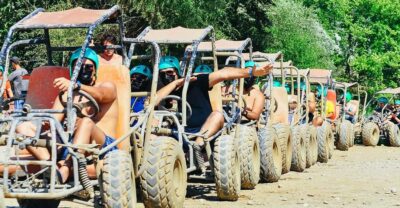
Ziplining, Rafting, Jeep Tour & Quad Safari w/Lunch
Read our review →
Desert Safari Tour, Quad Bike with BBQ Dinner & Show from Dubai
Read our review →Udawalawe National Park | Private Safari Tour
Read our review →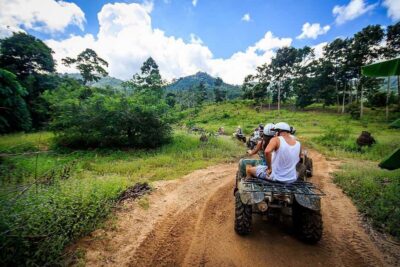
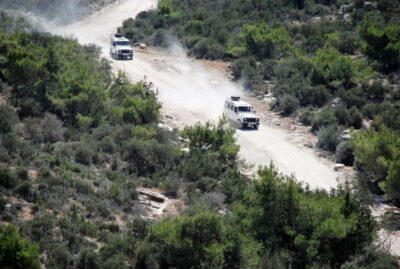
Land Rover Jeep Safari Coastal Tour and Blue Lagoon
Read our review →
Dubai Dune Buggy Safari Tour in Red Dunes Options
Read our review →