Review · SAFARIS
Seal Coast Safari – Exclusive access to Wellington’s secret coast
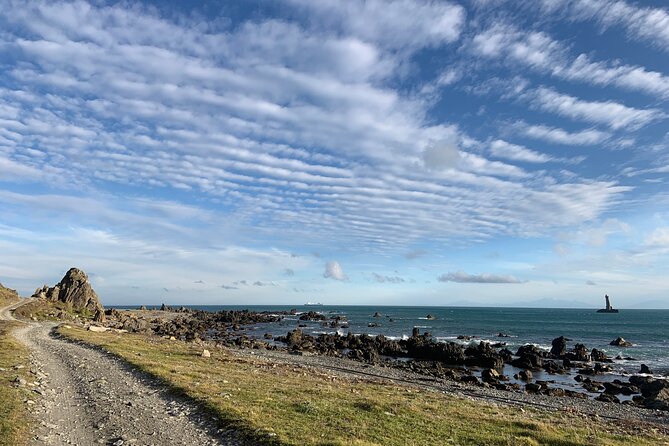
Wellington’s best wildlife outing may be the one that gets you far beyond the city streets. This small-group 4WD safari crosses private farmland, climbs high above Cook Strait, and reaches a wild beach near the leaning Karori Rock lighthouse, where New Zealand fur seals rest on the rocks. On a clear day, you can see across the strait to the South Island.
I like two things especially: the rare access through Terawhiti Station, and the way the trip combines native forest, working farmland, birds, wind turbines, cliffs, and seals in one half-day. Guides such as Sara, Grant, Hamish, and Chewy are known for lively commentary and careful driving.
The main consideration is the road. The route includes steep, narrow, winding farm tracks, and one guest wished for more time on the beach. This is not a gentle sightseeing bus ride, though the Mercedes 4WD vans are built for the job.
Key things to know before you book
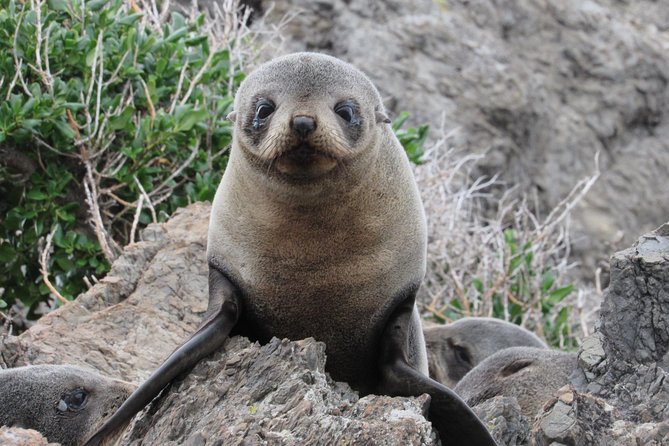
- The seal colony is reached through private farmland: You cross Terawhiti Station, one of New Zealand’s oldest and largest stations, rather than taking a standard public-road route.
- The drive is part of the attraction: Expect steep, curving roads, open farm country, wind turbines, and broad Cook Strait views.
- You get more than a wildlife stop: Otari-Wilton’s Bush adds native plants and birdlife before the coast.
- The group stays small: The maximum is 10 people, which makes it easier to hear the guide and stop for questions.
- The tour works for cruise schedules: Pickup and drop-off are available at the cruise ships, with a strong record of getting people back on time.
- Weather matters: Poor conditions can lead to a rescheduled tour or full refund.
Why this coast feels different from central Wellington
Wellington is compact, walkable, and full of museums, cafés, and waterfront views. The south coast feels like another country. Within a short time, the city gives way to pasture, rough tracks, exposed hills, and open water.
The reward is not just reaching the seals. You get to see a side of the region that is difficult to reach independently. The private access through Terawhiti Station removes the need to plan a complicated route, and the 4WD vehicle handles roads that would be stressful for many drivers.
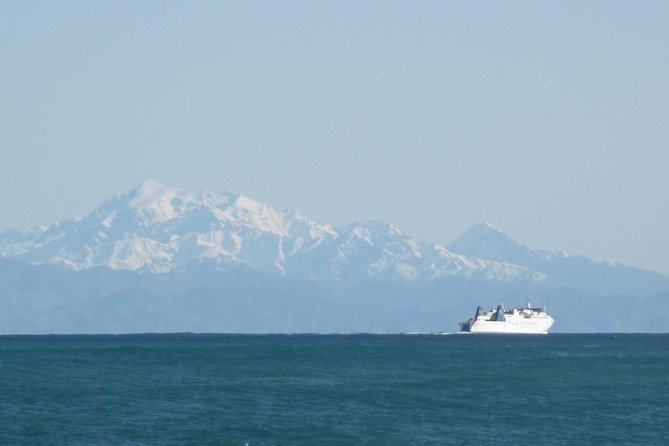
The views are a major part of the value. From high points on the farm, you may look across Cook Strait toward the South Island. The angle changes as the vehicle climbs and descends, so the trip feels more like a moving series of viewpoints than a single lookout stop.
The coast is also wonderfully raw. There are no rows of shops, large visitor facilities, or paved promenades at the seal beach. You get rock, sea, weather, and wildlife. That simplicity is exactly why the outing works.
A few more safaris around the world worth a look
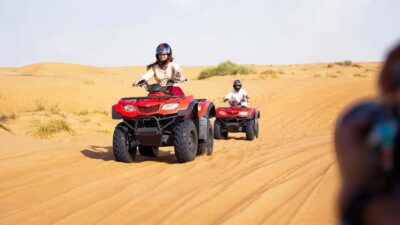
- Dubai: Desert Safari, Quad Bike, Camel Ride & Al Khayma Camp
★ 4.9 · 68,962 reviews - Dubai: Desert Safari, Quad Bike, Camel Ride and Sandboarding
★ 4.9 · 43,505 reviews - Dubai: Safari, Quad Bike, Camel Ride, and Buffet Dinner
★ 4.9 · 33,424 reviews
Otari-Wilton’s Bush brings native plants into the picture
The first stop is Otari-Wilton’s Bush Native Botanic Garden, a 100-hectare area of ancient and regenerating forest. It is New Zealand’s only botanic garden devoted entirely to native plants, and the tour allows about 30 minutes here.
That time is short, but useful. It gives you a quick introduction to New Zealand’s plant life before the road heads toward the coast. Guides point out native trees and plants, and some outings have also spotted kākā and kererū.
I like this opening because it prevents the tour from becoming a simple seal-counting exercise. You begin with the plants and birds that shape the region, then see how the environment changes as you move toward exposed farmland and the sea.
Do not expect a full visit to every corner of the garden. Thirty minutes is enough for an introduction, not a long botanical walk. If native plants are your main interest, you may want to return separately. As part of a half-day trip, though, the stop adds welcome variety.
Terawhiti Station is the real adventure
After leaving the garden and Wellington’s suburbs, the vehicle turns onto private access through Terawhiti Station. This is where the trip becomes distinctly different from an ordinary city excursion.
The station is one of New Zealand’s oldest and largest. You pass working farmland with cows and sheep, and the high country opens into long views over the hills and water. Wind turbines form part of the scene, adding a modern working element to the rural setting.
The drive through the station takes about 90 minutes, including the route toward the coast and stops for views. That may sound like a long time in a vehicle, but the road itself is a central part of the experience. You are not simply being transported to the seals. You are crossing a private farming property that most people cannot visit on their own.
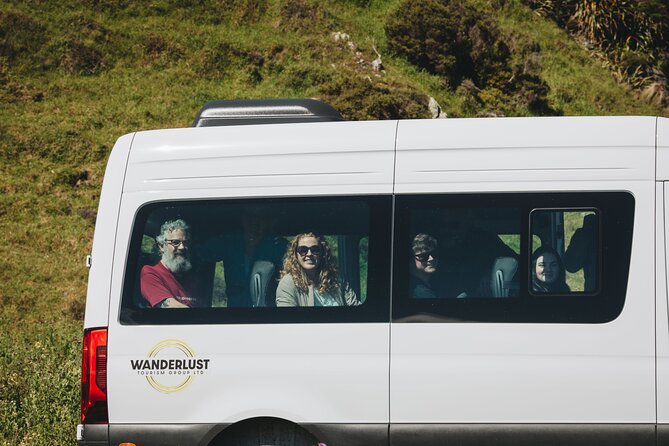
This is also the point where the comfortable Mercedes 4WD matters. The vehicles are new, designed for both rough access roads and passenger comfort. The small capacity, up to 10 people, helps keep the ride personal and gives everyone a better chance of seeing out.
Still, comfort does not erase the road conditions. The tracks are steep and curvy. If winding roads affect you, sit where you feel most stable, take the journey slowly, and remember that the driver is handling the difficult part. One of the practical strengths of this tour is that you do not need to navigate the descent yourself.
The guides add a lot here. Grant has been praised for explaining Wellington’s past and natural life while driving, while Sara has been noted for her careful handling of the vehicle and close knowledge of farm operations. Hamish, Blue, Marc, Chewy, and others have also led trips, so the exact personality and emphasis will vary.
Cape Terawhiti and the leaning lighthouse
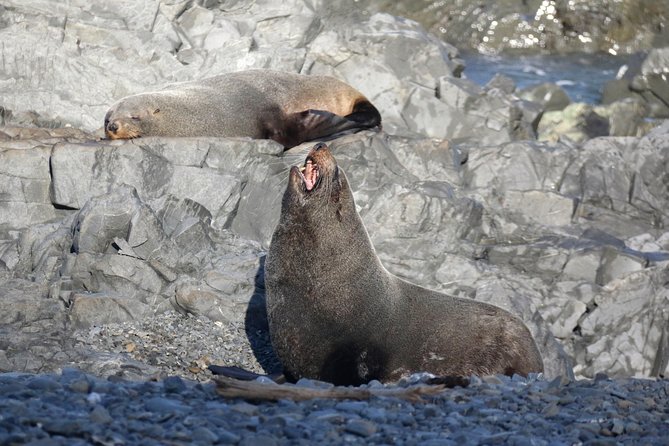
As the vehicle descends toward sea level, Karori Rock lighthouse comes into view. Built in 1915 after the sinking of the SS Penguin, it is commonly called the leaning lighthouse. Its position near the rough coast gives the final approach a strong sense of place.
The lighthouse is not the sole reason for the stop, but it adds context. You are seeing a working piece of maritime history beside a coast that has long demanded respect from ships and sailors.
The coastal section is scheduled for about an hour, although the time actually spent near the seals can vary. One account describes roughly 30 minutes on the beach, which is worth keeping in mind if you want a long wildlife session. The day’s total timing also depends on road conditions, stops, and the group.
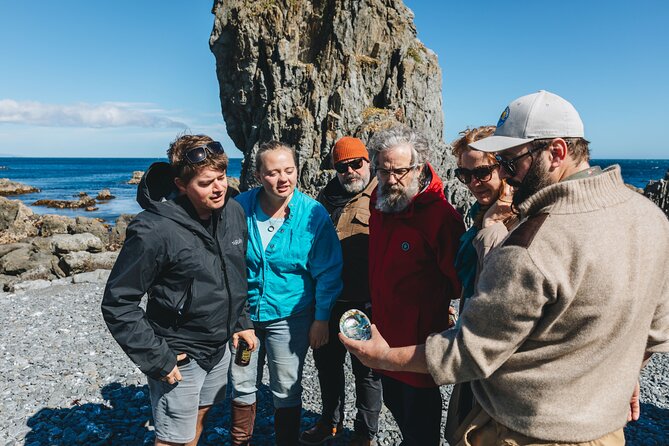
The setting is more important than a formal viewing platform. The seals rest on rocks in their natural environment, and you watch them from the coast rather than from an enclosure. Their behavior is usually the simple, appealing kind of wildlife encounter: resting, shifting position, and ignoring the world around them.
Same region, a very different drive:
- Dubai: Red Dune Safari, Quad Bike, Camel Ride, BBQ Dinner
★ 4.9 · 32,185 reviews - Dubai: Premium Safari, Camel Ride & Al Khayma Camp 3-Buffets
★ 4.9 · 30,335 reviews - Dubai: Desert Safari with BBQ Dinner & Quad Biking Options
★ 4.9 · 20,485 reviews - Dubai: Half-Day Desert Safari, Camel Ride, ATV & Dune Buggy
★ 4.9 · 19,221 reviews
How to watch the fur seals respectfully
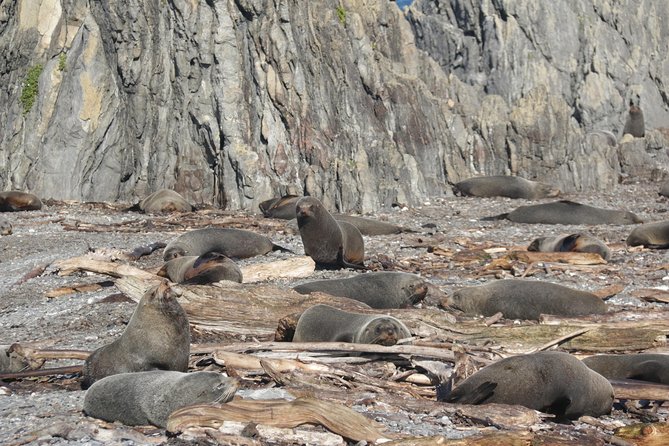
The guides explain how to approach the colony and the best way to say hello. Follow those instructions closely. Fur seals are wild animals, even when they appear relaxed and close to shore.
Use your time to watch rather than constantly moving around for a better angle. Bring your camera, but keep the wildlife experience ahead of the photograph. The open coast can also make conditions change quickly, so stay aware of the guide and the group.
Tea, coffee, and snacks are provided during the outing. That is a small detail, but it makes a difference on a remote coast where you cannot simply stop at a café. One past outing had a problem with the hot drinks and only soft drinks were available, so supplies may occasionally go wrong. It is fair to expect the advertised refreshments, but I would still bring water.
The seals are the star, but the setting is what makes them memorable. You see them against open ocean and dark rock, with the lighthouse and coastal hills nearby. It feels far removed from Wellington’s central attractions.
Guides turn a rough drive into a Wellington lesson
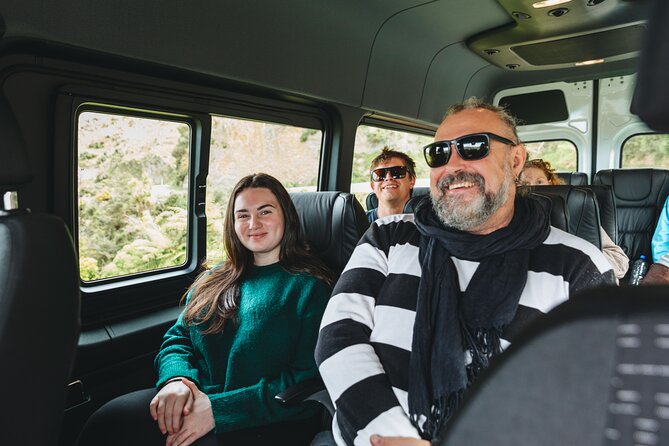
The strongest part of the experience is often the guide. This is not a trip where you are left to stare out a window while the driver follows a route.
Guides explain the native plants, local birds, station life, Wellington history, conservation work, and the geography of Cook Strait. The tone can be relaxed and humorous. Marc is known for a good sense of humor, while Chewy has been praised for enthusiasm and thoughtful attention to the group.
The company also supports the Capital Kiwi conservation project, which fits the tour’s wider focus on native wildlife. That connection gives the plant and bird commentary more meaning. You are not just being shown attractive scenery. You are hearing about the effort to protect and restore it.
The guide makes a difference on the return journey too. After the seals, there is still a long drive back through the station and suburbs. Good commentary keeps that section useful rather than feeling like dead travel time.
What the $121.01 price really buys you
At $121.01 per person, this is not the cheapest way to spend a half-day in Wellington. The value comes from access and convenience.
You are paying for roughly three and a half hours, pickup and drop-off options, a small group, a specialist 4WD vehicle, private farmland access, a native botanic garden stop, a remote coastal visit, a guide, and refreshments. Reaching the same coast independently would be difficult, and private station access is not something you can reproduce with a normal rental car.
The price also makes particular sense for cruise passengers. The operator offers direct ship pickup and drop-off, and the company has extensive experience managing cruise excursions. You avoid the worry of finding a remote meeting point or misjudging the return journey.
For hotel-based visitors, free hotel pickup is available. That makes the tour easier to fit into a short Wellington stay, especially if you are still learning the city.
The value is weaker if you want a long, leisurely walk or several hours sitting beside the seals. The outing keeps moving, and the beach portion may be shorter than expected. You are buying a broad regional experience, not an extended wildlife photography session.
Who will enjoy this half-day safari
I would choose this for you if you want to see beyond central Wellington without spending a full day away from the city. It suits people who enjoy scenery, wildlife, local stories, and a little rough-road adventure.
It is also a good fit for cruise passengers, couples, families, and older visitors who prefer a guided outing with transport included. One past outing worked well for someone with limited mobility, but the official advice is that the tour is not recommended for people with neck problems. The steep, winding roads are the reason to take that warning seriously.
You should think twice if you dislike curvy roads, need a fully predictable schedule, or want a long, quiet walk. The tour is active in the sense that the road is rugged and the coast is exposed, even though most of the sightseeing is done from the vehicle or at short stops.
Morning and afternoon departures are available, giving you some control over your day. The actual departure time should be checked when booking, especially if you are coordinating with a ship, another tour, or a flight.
Practical advice for getting the most from it
Wear practical outdoor clothing. The coast can feel very different from sheltered Wellington, and the weather is an important part of the operating decision. Closed shoes and a warm layer are sensible choices, though specific clothing requirements are not provided.
Bring water, a phone or camera, and patience for the road. The best views may appear between formal stops, so keep looking out of the window as the vehicle crosses the farm.
If you are prone to motion sickness, consider where you sit and plan ahead. The route includes steep, winding tracks, and the drive is central to the experience.
Keep your schedule flexible after the tour if possible. The duration is approximately three hours and 30 minutes, but outdoor conditions can affect timing. If poor weather forces cancellation, you are offered another date or a full refund.
Cancellation is free up to 24 hours before the start time. Changes or cancellations inside that window are not accepted for a refund.
Should you book the Seal Coast Safari?
Book it if you want private access, wild coast, and seals in one well-managed outing. The combination of Otari-Wilton’s Bush, Terawhiti Station, Cook Strait views, and Cape Terawhiti gives you a much fuller picture of Wellington than a standard city tour.
I especially recommend it for cruise passengers and first-time visitors who want a simple way to reach the south coast. The careful drivers, small groups, and strong local commentary add real value.
Skip it if winding roads are a serious problem or if your main goal is extended time watching seals. For everyone else, the $121.01 fare is reasonable for the access, transport, guide, and variety. This is Wellington at its rougher, wider, more surprising best.
FAQ
How long does the Seal Coast Safari take?
The tour lasts approximately three hours and 30 minutes.
How much does the tour cost?
The listed price is $121.01 per person.
Is hotel pickup available?
Yes. Free hotel pickup is available, and pickup and drop-off can also be arranged directly from cruise ships.
Can cruise passengers book this tour?
Yes. The operator offers cruise-ship pickup and drop-off and has experience timing the outing for cruise schedules.
How many people can join the tour?
The maximum group size is 10 people.
What vehicle is used?
The tour uses a new fleet of 4WD Mercedes vans, suited to the rough access roads through Terawhiti Station.
Will I see fur seals in the wild?
Yes. The tour visits Wellington’s fur seal colony at Cape Terawhiti, near Karori Rock lighthouse.
Does the tour include refreshments?
Yes. Tea, coffee, and snacks are provided. Bringing your own water is still a sensible idea.
Are morning and afternoon departures available?
Yes. You can choose a morning or afternoon tour.
What happens if bad weather cancels the tour?
If poor weather causes cancellation, you are offered a different date or a full refund.
Newest safaris around the world
- Dubai Desert Safari with Dune Bashing, Camel Rides & BBQ★ 5.0 · 51 reviews
- Morning Desert Safari with Buggy Ride & Sandboarding – Shared Car★ 5.0 · 10 reviews
- Afternoon Dune Drive Safari with SunSet Photo & Sand Boarding★ 5.0 · 43 reviews
- Morning Dubai desert safari – camel rides, quad bikes, dune buggies,dune bashing★ 4.0 · 43 reviews
- Dune Safari with 4X4 Car and BBQ Dinner★ 4.5 · 12 reviews
- Desert Safari, Open Desert Quad Bike Experience with BBQ Dinner★ 5.0 · 16 reviews
- Abu Dhabi city tour & desert safari from Dubai★ 5.0 · 87 reviews
- Adventure Quad Bike Safari, Camel Ride & Sandboarding★ 4.5 · 13 reviews
Safaris, side by side.

Desert Safari, Quad Bike, Camel Ride & Al Khayma Camp
Read our review →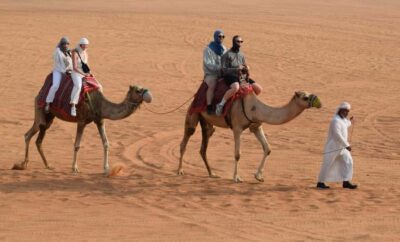
Desert Safari, Quad Bike, Camel Ride and Sandboarding
Read our review →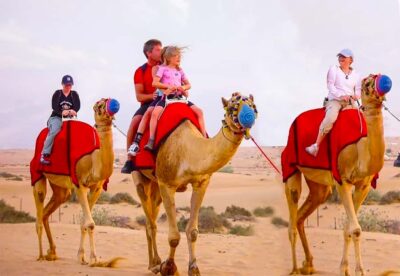
Safari, Quad Bike, Camel Ride, and Buffet Dinner
Read our review →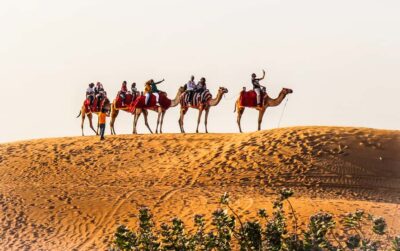
Red Dune Safari, Quad Bike, Camel Ride, BBQ Dinner
Read our review →
Premium Safari, Camel Ride & Al Khayma Camp 3-Buffets
Read our review →
Desert Safari with BBQ Dinner & Quad Biking Options
Read our review →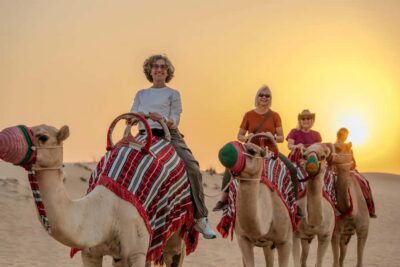
Half-Day Desert Safari, Camel Ride, ATV & Dune Buggy
Read our review →