
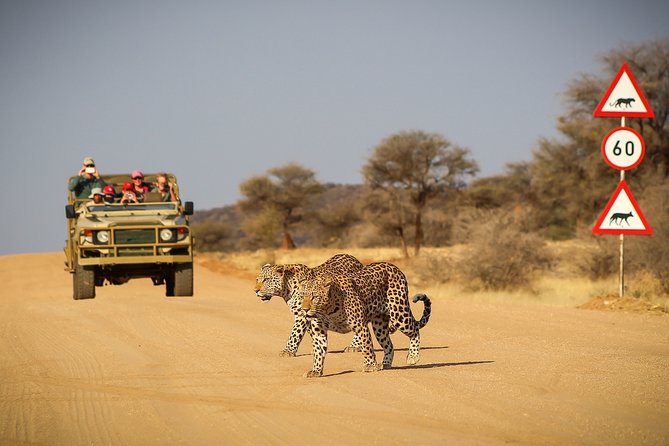
Review · OVERNIGHT & CAMPING SAFARIS
12 Day Classic Namibia Camping Safari
Namibia gives you an unusually big return on every mile traveled: wildlife at Etosha, shipwrecks and seals on the Atlantic, towering dunes at Sossusvlei, and a final night beneath the stars near the Quiver Tree Forest. The route is ambitious, and the small group of up to 10 keeps the safari more personal than a large coach tour.
I like the mix of wildlife and desert scenery, especially the floodlit waterhole at Okaukuejo and the sunrise climb at Dune 45. I also like the practical camping setup, with guides such as Tulimo and Gregory preparing open-fire meals. The main drawback is the pace: long drives, early starts, basic camping, and 10 nights outside will not suit everyone.
Key things to know before booking
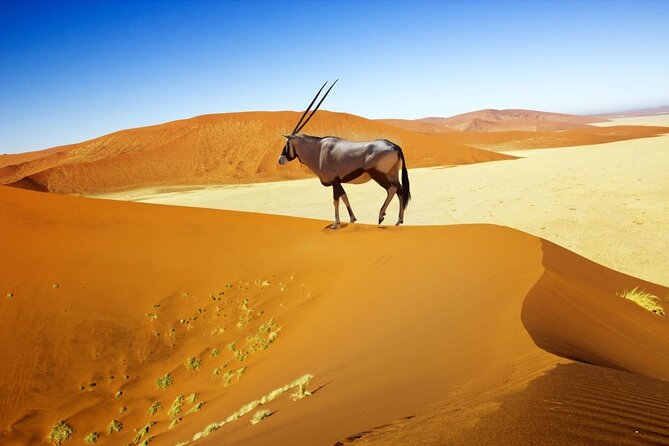
- Etosha gets two full days: You make repeated waterhole stops, with a chance to see elephant, rhino, lion, giraffe, hyena, birds, and other wildlife.
- The route covers most of Namibia: You go from Windhoek to the far north, west coast, central desert, and deep south before returning to Windhoek.
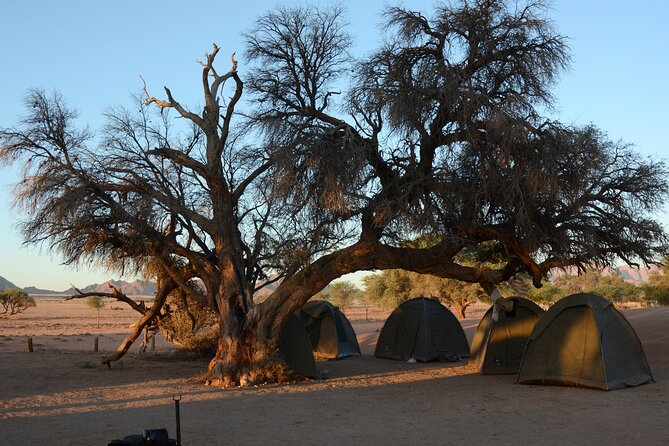
- You camp for 10 nights: One night is indoors in Swakopmund, while the rest use campsites and supplied camping equipment.
- Sossusvlei starts before dawn: The early departure is worth it for cooler temperatures and first light on Dune 45.
- Cultural contact is built in: The Otjikandero Himba Orphan Village offers a guided look at traditional Himba life.
- This is a budget safari, not a soft adventure: Sleeping bags, drinks, and many optional Swakopmund activities cost extra.
What this 12-day Namibia route does well
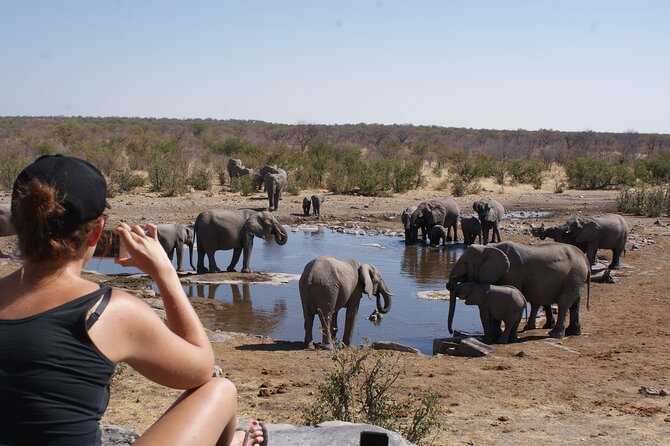
At $3,071.21 per person, this trip is not a cheap weekend outing. It is good value if you want one organized journey that links Namibia’s major sights without arranging several long transfers yourself.
The price includes 10 nights of camping, one night of accommodation, 11 breakfasts, 11 lunches, and 10 dinners. It also covers the camping equipment, though you must bring or hire your own sleeping bag. Drinks are not included, including bottled water, soft drinks, and alcohol.
The food arrangement matters. Your guide prepares many meals over an open fire, which keeps costs down and makes camp part of the experience. Guides Tulimo and Gregory are specifically named for their strong work as guides and cooks, so the quality of the daily camp routine may be a real highlight.
The tour has a maximum of 10 people. That is a useful middle ground: enough company for a social safari, but not so many people that every stop becomes a crowd. You still need to accept shared routines, fixed departure times, and limited control over how long you stay at each place.
More Overnight Safaris in the world:
- Dubai: Overnight Safari, Dinner, Stargazing & Al Khayma Camp
★ 4.8 · 2,562 reviews - Dubai Overnight Desert Safari, BBQ & Stargazing at Al Khayma Camp
★ 5.0 · 2,327 reviews - 4 Days Group Camping Safari
★ 5.0 · 1,101 reviews
Day 1: From Windhoek to Mount Etjo
You meet at Chameleon Safaris headquarters on Ferry Street in Windhoek at 7:00 a.m. A short pre-departure talk gets everyone oriented before the road trip begins.
The first stop is the Okahandja Mbangura Woodcarvers Craft Market. Woodcarvers from around Namibia sell their work here, and you have about an hour to browse and bargain. It is a simple stop, but your purchases directly support local makers, and it gives you a first look at Namibia beyond the national parks.
You continue to Mount Etjo Game Reserve, arriving with time to set up camp and eat lunch. The afternoon game drive focuses on rhino conservation, with the reserve working to protect black and white rhinos in their natural setting.
The first night sets the tone for the trip: wildlife, open-air cooking, tents, and a sunset from the vehicle. You will need to be comfortable putting up camp soon after arrival, though the first day is not as demanding as some later driving days.
Days 2 and 3: Etosha by waterhole and floodlight
Etosha National Park is the wildlife center of the trip. After a short supply stop in Otjiwarongo, you enter the park and begin looking for animals on the way to Okaukuejo.
Etosha works differently from a forested safari area. Waterholes draw animals into open country, making it easier to scan the plains. Your guide takes you from one waterhole to another in search of predators, plains animals, birds, and reptiles.
The evening at Okaukuejo has a special bonus: a floodlit waterhole beside camp. After dinner, you can watch for rhino, elephant, giraffe, lion, and hyena. This is one of the best reasons to stay inside the park rather than sleep farther away. You do not need another vehicle ride to enjoy the wildlife after dark.
Day 3 begins at sunrise. You cross the park, stopping at waterholes and having breakfast at a fenced picnic site. The Etosha Pan, a huge saline desert covering about 4,500 square kilometers, gives the day a change of scale. You can get out of the vehicle here and see the pale, open expanse for yourself.
At Halali, the central camp, you have time for lunch, the pool, and the waterhole. Then you drive back toward Okaukuejo, making more stops along the way.
The schedule is full, but the two park days are well judged. You get a proper chance at wildlife rather than a quick pass through Etosha. Remember that sightings are never guaranteed, and the park experience depends on patience, weather, and animal movement.
Day 4: Himba culture and Palmwag
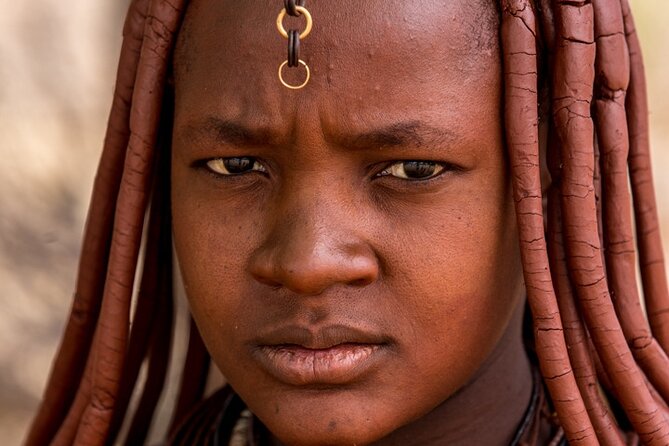
You leave Etosha after a final morning drive and continue to Kamanjab for a visit to the Otjikandero Himba Orphan Village. The guided visit is designed to explain Himba customs and daily life while allowing an exchange between you and the people at the village.
This is the cultural heart of the trip, and it deserves a respectful attitude. Listen carefully, ask questions politely, and remember that this is not simply a photo stop. The visit is about seeing a living tradition, not treating people as part of a display.
After Kamanjab, you reach Palmwag and set up camp. The afternoon is quieter, with a chance to watch for desert elephants. Dinner comes from the open fire again.
The contrast is useful. Etosha offers concentrated wildlife around waterholes, while Palmwag gives you a more patient, less predictable search in a dry setting. It also means another night in a tent, so your sleeping bag and personal camp gear matter.
A few more safaris around the world worth a look
- Dubai: Desert Safari, Quad Bike, Camel Ride & Al Khayma Camp
★ 4.9 · 68,962 reviews - Dubai: Desert Safari, Quad Bike, Camel Ride and Sandboarding
★ 4.9 · 43,505 reviews - Dubai: Safari, Quad Bike, Camel Ride, and Buffet Dinner
★ 4.9 · 33,424 reviews - Dubai: Red Dune Safari, Quad Bike, Camel Ride, BBQ Dinner
★ 4.9 · 32,185 reviews
Days 5 and 6: Skeleton Coast, Cape Cross, and Swakopmund
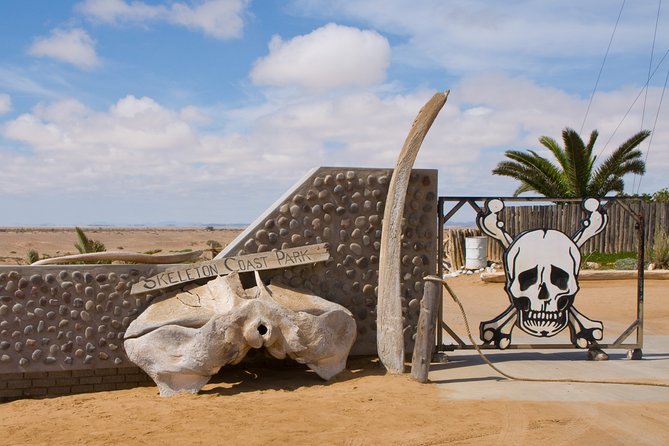
The road west takes you into Skeleton Coast National Park and toward Cape Cross. This is stark country, shaped by fog, rough seas, unpredictable currents, and a long record of shipwrecks.
The coast is less about a packed list of attractions and more about atmosphere. You see a hard Atlantic edge, empty beaches, and wrecks that look small against the surrounding terrain. At Cape Cross, you set up camp and have some free time for a beach walk. Swimming in the Atlantic is possible for the brave, but the plan does not promise warm water or a leisurely beach day.
The next morning, you visit the Cape Cross Seal Reserve. During the November and December breeding season, more than 200,000 Cape fur seals may gather on the beach. The sight is extraordinary, but so is the smell. Bring patience and accept that this is a raw wildlife encounter, not a polished viewing platform.
You then stop at the Zeila shipwreck, a more recent casualty from 2007, before reaching Swakopmund in the afternoon. This is your one proper break from camping, and it comes at a useful point in the journey.
Swakopmund is Namibia’s adventure center. You have time to walk around town or pay for an optional activity such as quad biking, sandboarding, or an aerial adventure. Dinner is at your own expense, so budget for a restaurant meal and any activity you want to add.
Day 7: A late start before the Namib Desert
You leave Swakopmund at about 11:30 a.m., giving you a rare chance to sleep later, eat breakfast slowly, or book a morning activity. This flexible morning helps break up the early starts that dominate the rest of the tour.
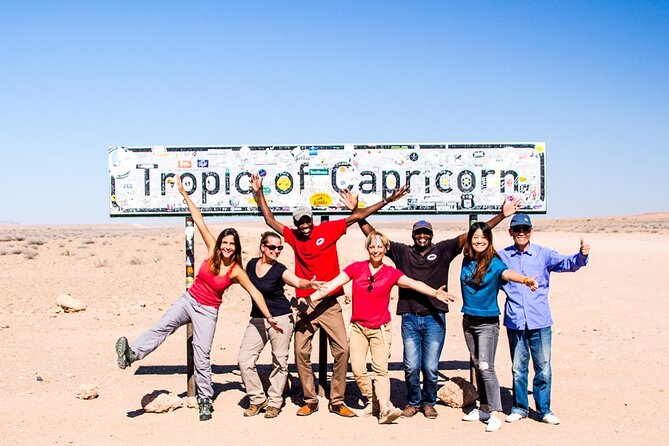
The drive south crosses the Tropic of Capricorn and passes through the Kuiseb Pass. A short stop at Solitaire offers a snack and a chance to stretch before you reach Sesriem.
You arrive in the late afternoon, set up camp, and can use the pool and bar. The desert sunset is the main event. An early night makes sense because the following morning starts before dawn.
Day 8: Sossusvlei, Dead Vlei, and Sesriem Canyon
The pre-dawn departure is one of the tour’s best choices. You reach Dune 45 in the cooler early hours, when the first light changes the color and shape of the sand.
You can climb the dune for sunrise, though the effort is real. Walking on loose sand is tiring, and the heat rises quickly later in the day. Bring water, wear practical shoes, and take the climb at your own pace.
After breakfast, you continue to Sossusvlei and then Dead Vlei. Dead Vlei’s cracked white clay and dead camel thorn trees create a sharp contrast with the surrounding dunes. It is one of Namibia’s most memorable sights because the scene feels both empty and highly sculpted.
You return to Sesriem around lunch for a swim or rest during the hottest part of the day. Later, you visit Sesriem Canyon, a smaller but worthwhile stop that shows how water has cut into the desert.
This day involves walking, heat, sand, and an early wake-up. It is not difficult in a technical sense, but you should have a moderate level of fitness and be ready for sun exposure.
Days 9 and 10: Aus, Kolmanskop, and the Atlantic
The route now heads south through the Namib Rand area toward Klein Aus Vista. The scenery becomes quieter and more open, with time in the afternoon for a short walk and another desert sunset.
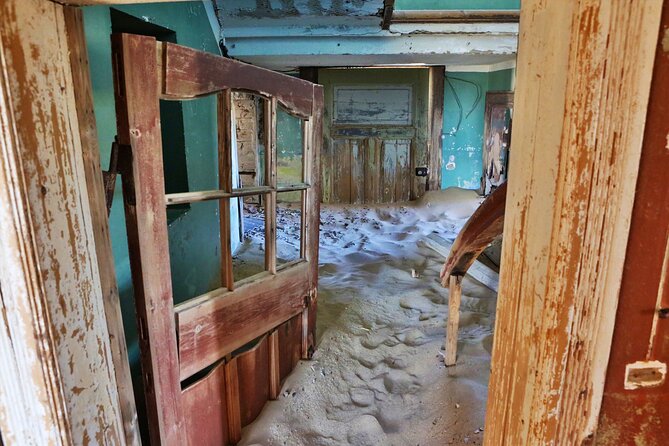
Day 10 takes you to Kolmanskop, the abandoned diamond town outside Luderitz. During the diamond boom in 1910, the settlement had luxury housing, a bowling alley, and the first X-ray machine in the southern hemisphere. Once the diamonds declined, people left, and sand began filling the buildings.
You then visit Luderitz, known for colorful colonial-style buildings on the rocky Atlantic shore, followed by Diaz Point and the original Diaz Cross. These stops add history and architecture to a route otherwise dominated by wildlife and desert.
On the return to Aus, keep watch for the wild horses of the Namib Desert. Sightings are not assured, which is part of their appeal. Their survival in such a dry place is remarkable, but you should treat the stop as a chance rather than a promise.
The second night at Klein Aus Vista gives you time to slow down before the final two days. The sunset over the Aus Mountains is another strong camping moment, though you will still be sleeping in a tent.
Days 11 and 12: Fish River Canyon and the Quiver Tree Forest
An early start takes you east to the Hell’s Bend viewpoint at Fish River Canyon. The canyon was formed by water erosion and movement in the earth’s crust, and the lookout gives you a broad view over one of the world’s largest canyons.
You continue to the Quiver Tree Forest near Keetmanshoop. About 250 quiver trees grow there, with the oldest estimated at 200 to 300 years. The trees are Namibia’s national tree, and the site is a national monument.
The final night is spent camping under the stars. This is a strong ending, especially if you enjoy photography. A permit is needed for night photography and is not included, so arrange that only if it matters to you.
On the last morning, you see the trees at sunrise before beginning the long return to Windhoek. A picnic-style lunch is provided en route, and arrival is expected in the late afternoon. Do not schedule a flight for this day. The tour returns to the Chameleon Safaris meeting point, with drop-off at your Windhoek accommodation.
Camping, comfort, and practical details
You spend 10 nights camping and one night in accommodation. Sleeping bags are not supplied, and drinks are excluded, so pack with those two points in mind.
The tour provides breakfast, lunch, and dinner on nearly every day. Camp meals prepared by the guide help keep the overall price under control, but you should not expect the choice or comfort of a lodge-based safari.
Pickup is offered, the ticket is mobile, and confirmation arrives at booking. Public transportation is nearby at the meeting point, though the early 7:00 a.m. start makes staying close to Chameleon Safaris convenient.
The experience is non-refundable and cannot be changed after booking. That makes travel insurance worth considering, especially since the itinerary is long and the cost is significant.
Who should book this Namibia safari?
You should book this trip if you want the widest possible introduction to Namibia in 12 days and are happy to trade comfort for reach. It suits active adults, budget-minded explorers, photographers, first-time visitors, and anyone who wants wildlife, culture, coast, dunes, and canyon views in one organized route.
You should think twice if you need private rooms, flexible departure times, short drives, or guaranteed wildlife sightings. The itinerary covers a huge amount of ground, and its best moments come with early mornings, long road stretches, and repeated camp setup.
With a 5 out of 5 rating and a 100 percent recommendation rate, the strongest praise centers on the itinerary, the dunes, Etosha, Kolmanskop, and the guides’ ability to cook and manage the journey. I would choose it for variety and value, not for rest. If that sounds like your kind of Namibia, this is a strong booking.
FAQ
Where does the tour start?
The tour starts at Chameleon Safaris headquarters on Ferry Street in Windhoek, Namibia.
What time does the tour begin?
The start time is 7:00 a.m.
Where does the tour finish?
The tour returns to the meeting point in Windhoek, with drop-off at your accommodation.
How long does the safari last?
The trip lasts 12 days.
How large is the group?
The group has a maximum of 10 people.
How many nights are spent camping?
You spend 10 nights camping and one night in accommodation.
Is a sleeping bag included?
No. Camping equipment is included, but you must provide your own sleeping bag.
Are meals included?
Breakfast is included on 11 days, lunch on 11 days, and dinner on 10 days.
Are drinks included?
No. Mineral water, soft drinks, alcohol, and other drinks are not included.
Are Swakopmund activities included?
No. Optional activities in Swakopmund, such as sandboarding or quad biking, are at your own expense.
Newest safaris around the world
- Dubai Desert Safari with Dune Bashing, Camel Rides & BBQ★ 5.0 · 51 reviews
- Morning Desert Safari with Buggy Ride & Sandboarding – Shared Car★ 5.0 · 10 reviews
- Afternoon Dune Drive Safari with SunSet Photo & Sand Boarding★ 5.0 · 43 reviews
- Morning Dubai desert safari – camel rides, quad bikes, dune buggies,dune bashing★ 4.0 · 43 reviews
- Dune Safari with 4X4 Car and BBQ Dinner★ 4.5 · 12 reviews
- Desert Safari, Open Desert Quad Bike Experience with BBQ Dinner★ 5.0 · 16 reviews
- Abu Dhabi city tour & desert safari from Dubai★ 5.0 · 87 reviews
- Adventure Quad Bike Safari, Camel Ride & Sandboarding★ 4.5 · 13 reviews
Overnight & Camping Safaris, side by side.
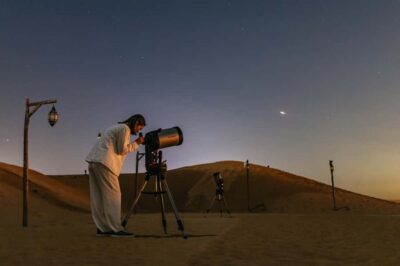
Overnight Safari, Dinner, Stargazing & Al Khayma Camp
Read our review →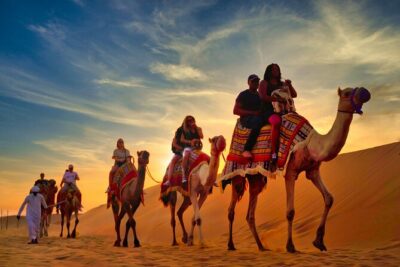
Dubai Overnight Desert Safari, BBQ & Stargazing at Al Khayma Camp
Read our review →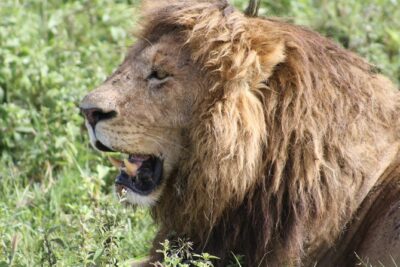

Desert Safari with Camp, Dinner, & Optional Overnight
Read our review →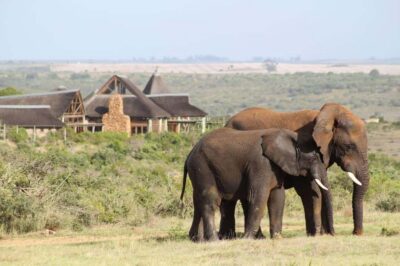
3 Days Serengeti & Ngorongoro Group Camping Safari
Read our review →Lists this safari turns up in