
Review · BIG FIVE & WILDLIFE SAFARIS
Byron Bay: Full-Day Wildlife Safari
Seeing a koala snoozing in a eucalyptus tree is lovely. Seeing one in a zoo is easy. This Byron Bay wildlife safari takes you to three habitats where koalas, kangaroos, wallabies, flying foxes, and birds live on their own terms. The animals may be high in the trees or far across a field, but that is the point.
I like the small groups, limited to 10, and the guides’ strong grasp of local ecology. I also like the picnic lunch, which gives the day a pleasant pause instead of turning it into seven hours of van rides and animal spotting. The main consideration is the driving: you spend about 45 minutes getting to the first stop and about an hour returning to Byron Bay.
Key points
- Three habitats in one day: Explore eucalyptus forest, rainforest, and grassland, each with different wildlife.
- Wild animals, not a zoo visit: Koalas, kangaroos, flying foxes, and birds are sought in their natural surroundings.
- Environmental scientist guides: Tom, Wendy, and Skye bring strong knowledge of animal behavior, habitats, and conservation.
- Small-group format: With two to 10 people, it is easier to ask questions and adjust the walks to the group.
- Picnic lunch included: Expect locally sourced food, water refills, and options for dietary needs if you mention them when booking.
- Bring the right gear: Wear closed-toe shoes and dark clothing, and carry a reusable water bottle.
Why this safari feels different from a wildlife park
This is not a guaranteed close-up animal encounter. It is a search through real habitat, with binoculars doing useful work and patience often rewarded.
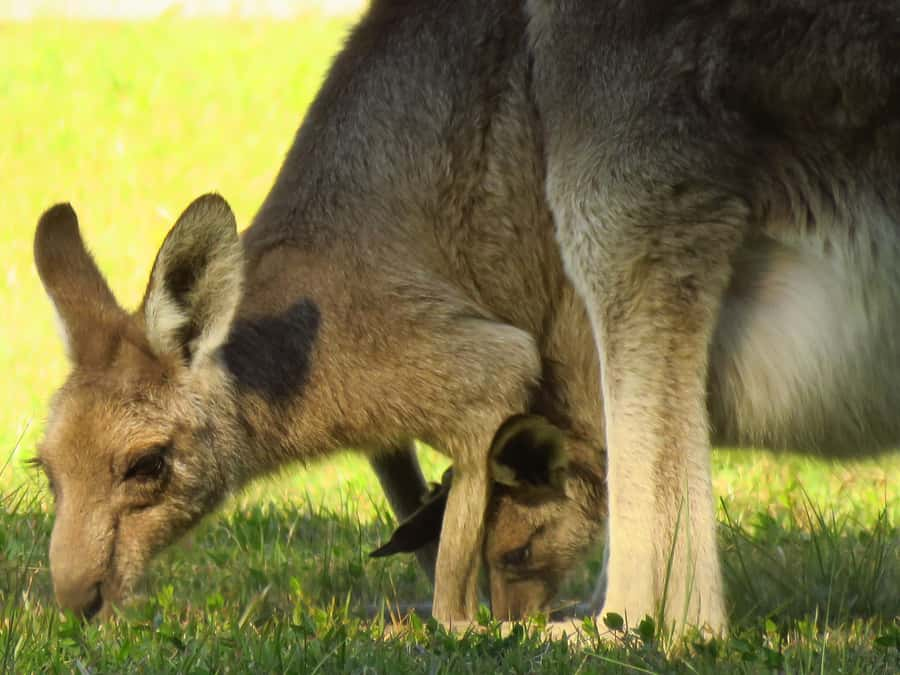
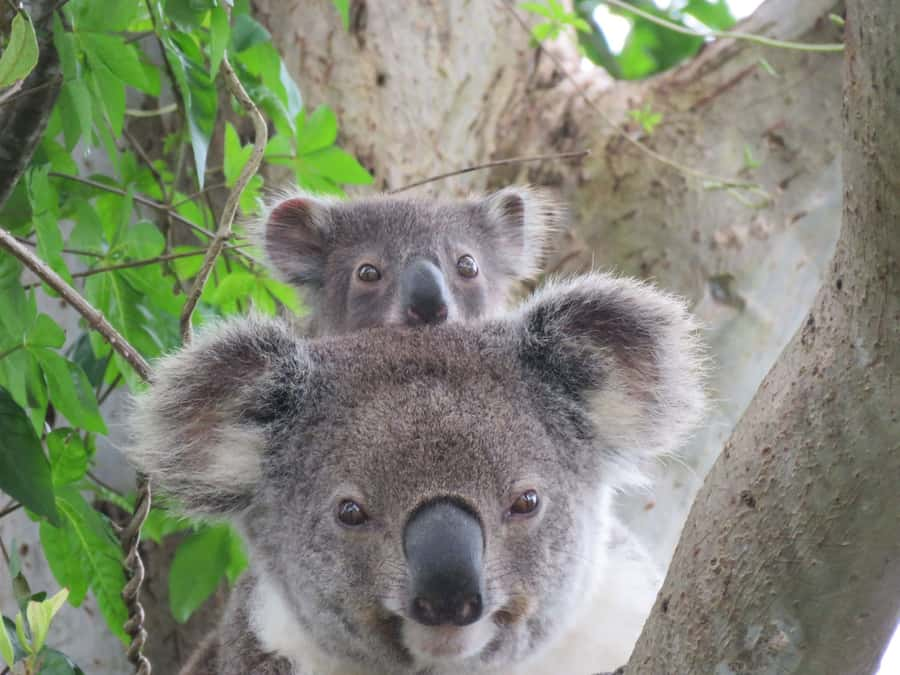
The tour guarantees sightings of koalas, kangaroos, flying foxes, and many bird species. You may also see wallabies, pademelons, echidnas, tawny frogmouths, water dragons, hares, carpet pythons, butterflies, and wedge-tailed eagles. One outing included koalas, kangaroos, wallabies, bats, parrots, hares, and a carpet python. Another included koala mothers and babies, plus kangaroos with joeys.
That variety comes from changing habitats rather than staying in one animal enclosure. A eucalyptus forest offers a chance to scan branches for koalas. Grassland gives you more room to watch kangaroos and wallabies. Rainforest and wetter areas can bring different birds and smaller animals, though wildlife sightings are never perfectly predictable.
You should also expect animals to behave like wild animals. A koala might be partly hidden by leaves. A pademelon might appear only in the distance. This is less tidy than a sanctuary visit, but the reward is seeing Australian wildlife feeding, resting, moving, and keeping its distance without being handled or fed.
More Wildlife Safaris in Australia:
- Byron Bay Wildlife Safari
★ 5.0 · 81 reviews - Lions 360 Experience and a Day at Monarto Safari Park
★ 4.7 · 76 reviews - Dubai: Sunrise Desert Jeep Safari with Wildlife Experience
★ 4.7 · 1,782 reviews
The 45-minute ride to the first habitat
The day begins with pickup from accommodation in Byron Shire or Ballina Shire. Depending on group size, you travel in a cozy eight-seat hybrid vehicle or a 12-seat bus. The group itself is capped at 10, so even when the larger vehicle is used, this is not a big coach tour.
The first drive takes about 45 minutes. That is important when planning your day. The safari covers a broad area near Byron Bay, so this is not a walk straight from town to the nearest patch of bush. The driving lets the guide reach several habitats, but anyone prone to motion sickness should bring suitable medication. One participant specifically found the roads worth preparing for.
This first stretch is also a useful time to ask questions and hear how the day will work. Your guide is an environmental scientist, not simply a driver who points at animals. Tom, Wendy, and Skye have each been praised for explaining the animals and the wider ecosystem in clear, friendly terms.
The guides also bring different interests to the day. Wendy is especially good at sharing local wildlife facts and conservation information. Tom has explained climate change and its effect on the environment, while also taking photographs for the group. Skye has been praised for making the small group feel personal and for explaining how Australian animals fit into the local ecosystem.
Eucalyptus forest: look up for koalas
The eucalyptus forest is where you focus on koalas. You will need to slow down, scan branches, and use the supplied binoculars. Koalas can be surprisingly hard to spot even when they are nearby, since they spend much of the day resting in trees.
The guide helps by showing you where to look and explaining the difference between a possible koala shape and a harmless clump of leaves. That kind of help matters. Without an experienced eye, you could easily walk past one.
The safari promises one or two koalas, but the number can be much higher. Some outings have found around 10 koalas, along with mothers and young. Still, you should keep your expectations sensible. You are not guaranteed a koala sitting at eye level for a perfect photograph.
That is also where the experience feels most genuine. You may need binoculars, patience, and a little luck. The guide can point out behavior and habitat details, but cannot make a wild animal perform.
The group is asked to avoid disturbing the animals. Do not expect to touch, feed, or call wildlife closer. The company’s approach is observation first, which suits anyone who prefers a respectful encounter over a staged one.
Rainforest and wet areas: birds, reptiles, and smaller animals
The rainforest section changes the pace. Instead of only scanning high branches, you may be watching the undergrowth, water edges, and open gaps between trees.
Birdlife is one of the strongest parts of the day. The tour may include native hens, ducks, waders, colorful parrots, kookaburras, magpies, currawongs, wrens, robins, and wedge-tailed eagles. You may hear some birds before you see them, so it helps to keep your attention wide rather than focusing only on large animals.
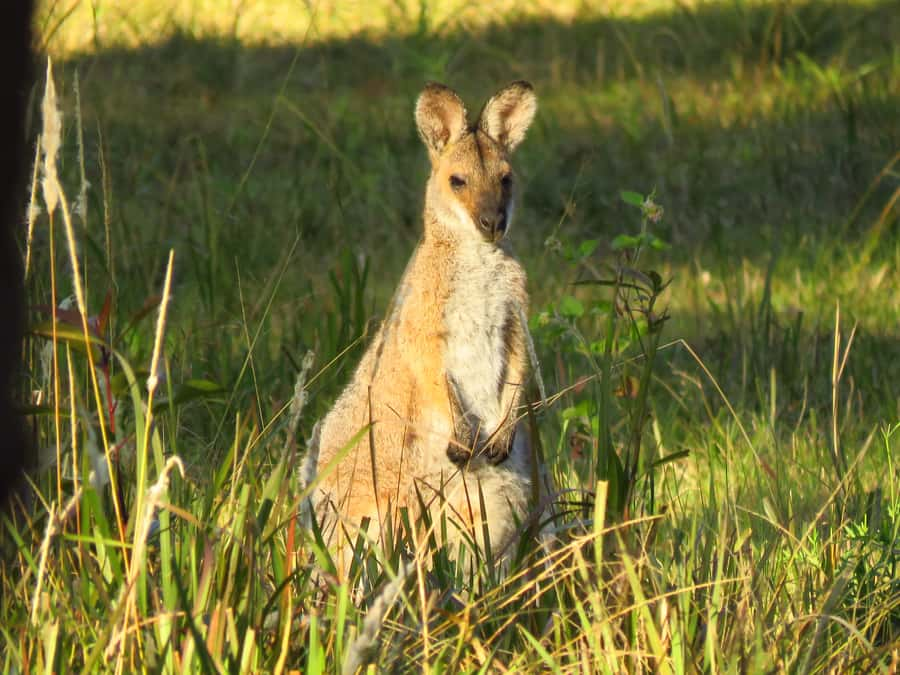
The guide will help you sort out species that can look similar at first glance. You might learn how to tell a kangaroo from a wallaby, or a grey-headed flying fox from a black flying fox. These small distinctions turn a simple sightseeing trip into a short field lesson.
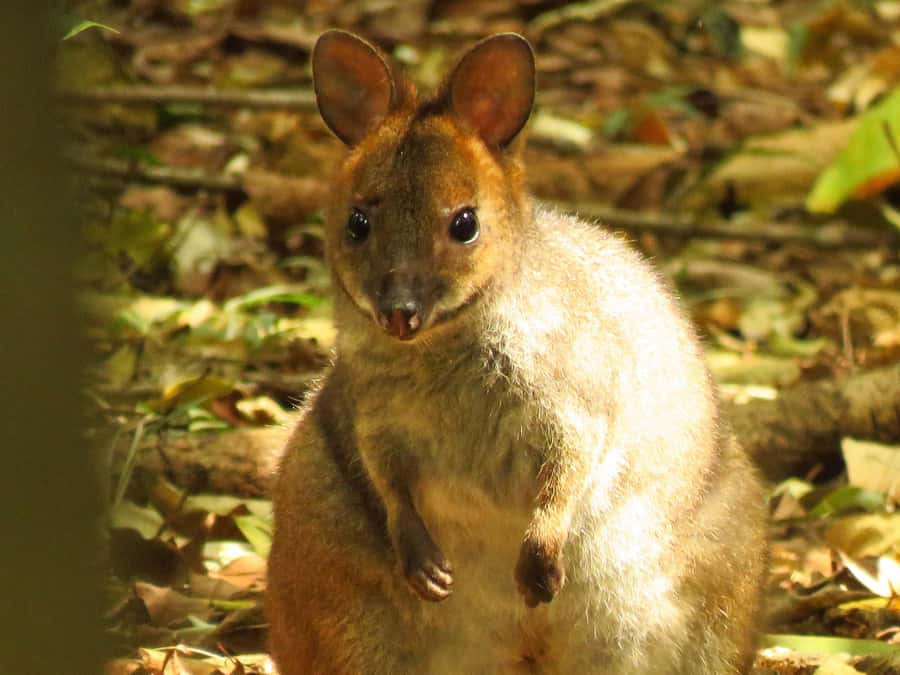
Rainforest and wetter ground may also offer the chance to see a water dragon, echidna, tawny frogmouth, or pademelon. These are possible sightings, not firm promises. A pademelon has appeared in the distance on one outing, while a carpet python made an unexpected appearance on another.
This stop is best for people who enjoy details. If you only want large animals and instant photographs, the slower search may test your patience. If you enjoy learning how to read a habitat, it is likely to be one of the most rewarding parts of the day.
More Full-Day Trips in Australia:
- Fitzroy Island: Full-Day Ferry & Snorkel Safari Guided Tour
★ 4.4 · 37 reviews - Full-Day Land Rover Safari from Heraklion with Lunch
★ 5.0 · 1,351 reviews - From Playa de las Américas: Full-Day Teide Jeep Safari
★ 4.7 · 1,056 reviews - Full-Day Jeep Safari West: Fanal, Porto Moniz, Seixal, Cabo Girão
★ 5.0 · 940 reviews
Grassland: kangaroos, wallabies, and room to watch
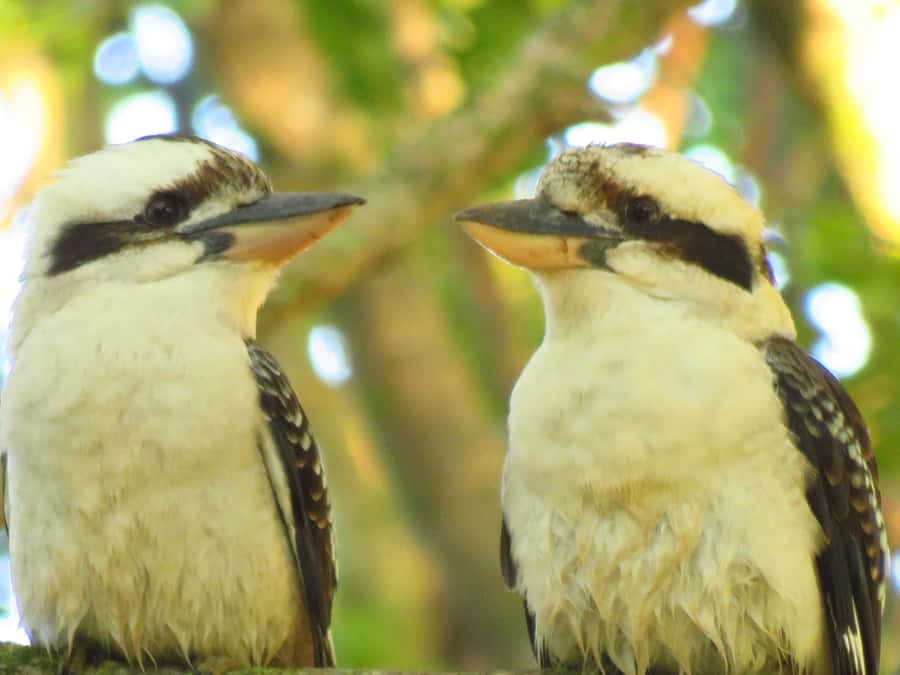
Grassland is the place to scan open ground for a mob of kangaroos. The animals may be easier to see here than koalas in trees, but they are still wild and may remain some distance away.
You may also spot wallabies and hares. Your guide can explain the physical differences between kangaroos and wallabies, which is more useful than simply ticking off names on a list. With luck, you might see young animals with their mothers. Kangaroo joeys have appeared during the safari, adding a particularly memorable detail to the encounter.
Open country also helps you appreciate animal behavior. You can watch where a group rests, how it responds to movement, and how it uses the grassland. The best moments may not be dramatic. Sometimes it is simply a quiet group of kangaroos looking across the field while the people nearby keep their distance.
The walks are described as fairly easy and can be adapted to suit the group’s abilities. You still need closed-toe shoes, since this is an outdoor day rather than a paved attraction. Bring a jacket if the weather calls for one, and wear dark clothing if possible so you are less conspicuous around the animals.
Flying foxes and the bonus wildlife list
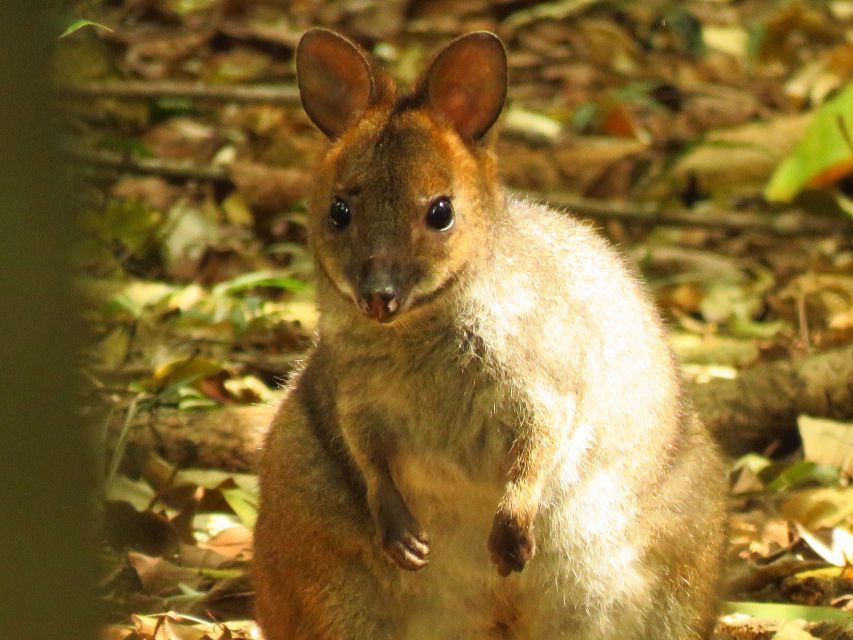
The flying fox colony is one of the safari’s more unusual sights. These large fruit bats can be surprising if you have never seen them clustered together. The tour guarantees a colony, and sightings have included huge bats that became an unexpected highlight.
Your guide can help distinguish a grey-headed flying fox from a black flying fox. That is the sort of detail you may remember long after the trip, especially if bats are not what you expected to see in Byron Bay.
The optional wildlife list is long, but it should not be treated as a checklist. Pademelons, echidnas, tawny frogmouths, water dragons, snakes, butterflies, and extra bird species depend on weather, season, timing, and plain luck. The company can take you to suitable habitats, but no ethical wild-animal tour can promise every species.
That honesty is part of the value. You are paying for access to several habitats and for a guide who knows how to search them, not for a scripted parade of animals.
A picnic lunch that breaks up the day
Lunch is served as a picnic, often near a river, and it gives the day a welcome pause. The food is locally sourced, and the setup can be simple but thoughtful, including a gingham tablecloth and sandwiches. Vegetarian food such as rice or couscous has also been provided.
You should mention dietary requirements when booking. Water refills are included, but bottled water is not, so bring a reusable bottle. One useful tip is to eat something before pickup. The tour can begin around 9:15 in the morning, and lunch may not arrive until midday. If you skip breakfast, you may spend the first wildlife stop thinking more about food than koalas.
The lunch is not just a meal between stops. It gives you time to talk with the guide, compare sightings, and enjoy the setting without rushing. For a seven-hour outing, that matters. A packed schedule with no real break would make the driving and walking feel longer.
What the small group adds
The maximum group size is 10, with a minimum of two people. That is a useful middle ground. You get the social feel of a shared outing, but you are not trying to hear a guide over 30 people or waiting for a large group to move between sightings.
A small group also makes it easier to ask questions. If you want to know why a koala is sitting in a certain tree, how flying foxes fit into the ecosystem, or how climate change affects local wildlife, you can ask without holding up a crowd.
The walks can be adjusted to the group’s abilities. That does not mean every path is effortless or suitable for every need, but it does mean the guide can respond to the people taking part. Comfortable shoes remain essential.
The vehicle receives strong marks for comfort, but the day still includes considerable road time. If you prefer a tour with almost no transport, this is not the right choice. If you want several habitats in one day, the driving is the tradeoff that makes that range possible.
Is $133 good value for seven hours?
At $133 per person, the price is reasonable for a small-group day that includes hotel pickup and drop-off, an environmental scientist guide, binoculars, picnic lunch, water refills, and access to photographs.
You are also paying for local knowledge. Finding a koala in a broad forest takes more than driving to a scenic lookout and hoping for the best. The guide’s skill in choosing locations, spotting animals, and explaining what you see is central to the experience.
The value is strongest if you want wild sightings rather than a sanctuary visit. A zoo or wildlife park may give you closer views and more reliable photographs. This safari gives you a broader day outdoors, three habitats, and the chance to see animals living without human contact.
The price is less appealing if your main goal is a guaranteed close-up koala photograph, if you dislike driving, or if seven hours feels too long for wildlife watching. You may also find the experience slower than expected when the group is quietly scanning trees or waiting for a distant animal to move.
The 4.8 rating from 129 reviews reflects a very strong overall response, with guides, lunch, and wild encounters earning the most praise. One four-star experience noted that little wildlife was seen, which is a useful reminder that nature does not follow a schedule.
Practical details before you book
Wear dark clothing if possible. The idea is to blend into the surroundings and avoid drawing attention to the animals. Choose closed-toe shoes and bring a jacket if the forecast is changeable.
Carry a reusable water bottle. You can refill it during the day, but bottled water is not included. Binoculars are supplied, and access to photographs is included.
Pickup is available from accommodation in Byron Shire or Ballina Shire. The tour is conducted in English, and free cancellation is available up to 24 hours before departure. You can also reserve your place and pay later, which helps if your plans around Byron Bay are still changing.
The activity lasts seven hours, though the exact starting time depends on availability. Plan the whole day around it rather than trying to fit in another major attraction afterward.
Who should book this wildlife safari?
I would choose this tour if you want to see Australian animals in their own habitat and are happy to trade perfect views for a more honest encounter. It suits photographers, birdwatchers, families with an interest in nature, and anyone who wants a guide to explain more than just animal names.
It is also a good fit if you dislike feeding or touching wildlife. The guiding style is based on watching without disturbing, and that principle shapes the day.
You may prefer a wildlife park if you need guaranteed close views, paved paths, or a shorter outing. You may also want another option if long drives make you uncomfortable or if you are looking for a high-energy adventure rather than a patient nature search.
For most people who want koalas and kangaroos without visiting a zoo, this is a strong choice. Book it for the habitats, the small group, and the guide’s eye, not because every animal will pose on cue.
FAQ
How long is the Byron Bay wildlife safari?
The tour lasts seven hours. It includes about a 45-minute drive to the first stop, shorter drives between habitats, walks, and about a one-hour drive back to Byron Bay.
Which animals are guaranteed?
The tour guarantees sightings of koalas, kangaroos, flying foxes, and many bird species. Other animals, including pademelons, echidnas, tawny frogmouths, water dragons, and carpet pythons, are possible but not guaranteed.
How many habitats will I visit?
You will visit three habitats near Byron Bay: eucalyptus forest, rainforest, and grassland.
Is lunch included?
Yes. A locally sourced picnic lunch is included, along with water refills. Bottled water is not included, so bring a reusable water bottle. Tell the operator about dietary requirements when booking.
What should I wear and bring?
Wear closed-toe shoes and dark clothing if possible. Bring water and a jacket if the weather may change. Binoculars are provided.
How large is the group?
The tour requires at least two participants and accepts a maximum of 10. Transport is provided in either an eight-seat hybrid vehicle or a 12-seat bus, depending on group size.
Can I be picked up from my accommodation?
Pickup and drop-off are available from accommodation in Byron Shire or Ballina Shire.
Newest safaris around Australia
- Whale Shark Safari★ 4.5 · 132 reviews
- Humpback Whale Safari★ 5.0 · 65 reviews
- Cairns Trinity Inlet Sightseeing Safari★ 5.0 · 30 reviews
- Byron Bay Wildlife Safari★ 5.0 · 81 reviews
- Uluru, Kata Tjuta and Kings Canyon Camping Safari from Alice Springs★ 5.0 · 162 reviews
- Swan Valley: Golf Cart Kangaroo Safari w/ Mini Golf & Drink★ 4.6 · 27 reviews
- From Alice Springs: Palm Valley 4WD Outback Safari + Picnic★ 4.5 · 64 reviews
- Noosa: Ocean Adventure & Dolphin Safari★ 4.9 · 91 reviews
Big Five & Wildlife Safaris, side by side.

Sunrise Desert Jeep Safari with Wildlife Experience
Read our review →
Addo Elephant National Park All Inclusive Full-Day Safari
Read our review →
Udawalawe National Park: Elephant Safari with Expert Guide
Read our review →
Big Five Game Reserve Wildlife Safari from Cape Town
Read our review →
Big Five Safari and Breede River Valley Guided Day Trip
Read our review →
From Stockholm: Moose & Wildlife Safari with Campfire Dinner
Read our review →
Lists this safari turns up in