
Review · JEEP & 4X4 SAFARIS
From Nairobi: 3 – Days Maasai Mara Group Safari by 4WD
The best part of this safari is the amount of wildlife packed into one full day. The Maasai Mara can deliver lions, elephants, cheetahs, giraffes, zebras, hippos, crocodiles, and sometimes a rhino, all from a pop-up-roof 4WD that gives you a good angle for photos. Guides including Paul, James, Richard, and Benjamin have earned strong praise for safe driving and sharp animal spotting.
I like the low price, the included meals and water, and the chance to share the ride with other visitors rather than pay for a private vehicle. The Great Rift Valley stop adds a fine view on the long road from Nairobi. The catch is important: the advertised $240 does not include park fees, so your real cost can be $440 from January to June or $640 from July to December, before optional extras.
Key points to know before booking
- The park fee can cost more than the safari itself: Budget for the separate two-day charge before you book.
- The full-day drive is the main event: The evening drive is useful, but the second day gives you far more time in the reserve.
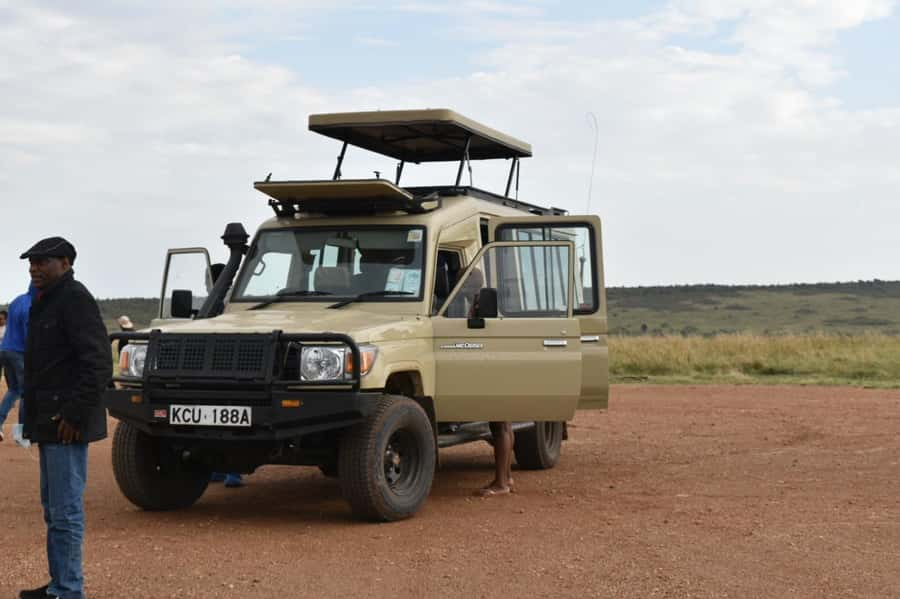
- The Landcruiser is built for viewing: The pop-up roof lets you stand or sit high for photos, though the roads can be rough.
- Camp means simple, not luxurious: Rhino Tourist Camp or a similar property provides basic, clean accommodation, meals, water, and friendly service.
- Guides shape the experience: Paul, James, Richard, Benjamin, Chege, and others receive praise for driving, spotting animals, and helping people feel safe.
- The Maasai village visit costs extra: Treat it as optional and ask what the fee covers before agreeing to go.
What this three-day Maasai Mara safari is really like
This is a budget safari with a strong wildlife focus. You leave Nairobi, spend two nights near the reserve, and get two planned game drives: an evening drive on the first day and a full-day drive on the second.
At $240 per person, the base price covers transport, camping, meals, game drives, bottled water, and hotel pickup in central Nairobi or Westlands. That looks like a bargain until you add the park charge. The listed rates are $100 per person per day from January to June and $200 per person per day from July to December, making the two-day total $200 or $400.
One information note gives July to October rather than July to December for the higher rate. I would confirm the current seasonal price before paying. Park fees change the value calculation completely. In the cheaper season, this remains a reasonably priced way to reach the Mara. In the higher season, you are spending $640 before a possible village visit, single tent, airport transfer, or accommodation upgrade.
Still, the package gives you the costly essentials. A private safari vehicle would usually cost much more, while this group format shares the transport and guide costs. If you care most about seeing animals and less about private space, it makes financial sense.
More Jeep Safaris in Kenya
- 3 days group joining safari to Maasai Mara with a Land Cruiser Jeep
★ 5.0 · 173 reviews - 3 Day Masai Mara Budget Joining Safari on 4×4 – Daily Departures
★ 5.0 · 105 reviews - 4-Day Group 4×4 Safari to Masai Mara & Lake Nakuru with Pick-Up
★ 5.0 · 87 reviews
Nairobi pickup and the road to the Great Rift Valley
Pickup is offered from hotels in Nairobi city center and Westlands. You are asked to wait in the lobby 10 minutes before the scheduled time, but allow extra patience. Group pickups can be untidy, and one account describes an early pickup followed by a long wait for other people.
The drive to the Maasai Mara takes much of the day. The Great Rift Valley viewpoint gives you a worthwhile break and a broad view across the valley floor. It is one of the better stops on a long transfer, especially if this is your first trip outside Nairobi.
The road journey is part of the trade-off. One guide account puts the drive at roughly seven hours, and breaks can make it feel longer. Conditions near the reserve can be bumpy. The Landcruiser handles the route well, but this is not a smooth coach transfer, so bring a small bag, water, sun protection, and patience.
You should reach camp around lunchtime. The exact arrival time depends on road conditions, pickup delays, and the number of people collected around Nairobi. The return to Nairobi is expected around 3 to 4 pm on the final day, though traffic can change that. Airport drop-off is not included and costs extra.
The first evening game drive in Maasai Mara
After lunch at camp, you head into the reserve for an evening game drive. This is a good first look at the Mara and gives your guide a chance to read the group, the vehicle, and the day’s animal activity.
The timing is useful for big-cat sightings. Lions and leopards are among the animals you may search for as the light changes, though no safari can promise a particular animal. One guide, Kush, received praise for using radio communication to work out where animals had been seen. That kind of local coordination can help, especially when several vehicles are searching the same area.
There is a practical concern here. The park fee is charged for two days, and the evening drive uses part of the first day. One person felt the short evening outing did not offer enough value for the fee, while still recommending the overall safari. I see the point. If you arrive late after the Nairobi drive, the first drive may be shorter than expected.
Even so, I like having an outing on arrival day. You begin seeing the reserve immediately instead of spending the afternoon at camp. Think of this drive as an introduction, not the main wildlife session.
Two nights at Rhino Tourist Camp or a similar camp
The accommodation is budget camping, and expectations matter. The supplied plan names Rhino Tourist Camp or a similar property. Reports describe basic but clean tents, with some rooms arranged more like small private units and, in at least one case, running water and a double bed.
Facilities can vary because the exact camp may be a similar property rather than Rhino Tourist Camp itself. Do not book this expecting a luxury lodge, polished bathrooms, or a private safari retreat. You get a place to sleep, meals, and a base close enough to support the game drives.
Food receives unusually strong praise for a budget package. You receive two breakfasts, two lunches, and two dinners, with lunch on the full-day drive served as a picnic beneath a croton tree. The camp has also been described as having an indoor dining room, an outdoor fire area, coffee, water, and beer in at least one stay, though you should not assume every listed extra appears at every similar camp.
Bottled water is included in the vehicle. Bring your own toiletries. One person specifically found only a small bar of soap supplied, so pack shampoo, toothpaste, and other basics.
A single tent costs an extra $30 for both nights. That is a modest supplement if you want privacy. You can also request a mid-comfort accommodation upgrade, subject to availability and an added charge that is not specified here.
More Jeep Safaris in Nairobi
- Nairobi: 3-Days 2-Nights Maasai Mara Group Safari in 4×4
★ 4.6 · 54 reviews - 5-Hour Nairobi National Park 4×4 Safari with Free Pickup
★ 4.6 · 16 reviews - From Nairobi:3-Days 2-Nights Maasai Mara Group Safari in 4WD
★ 4.8 · 11 reviews - From Nairobi : 2-Days 1-Night Masai Mara Private 4WD Safari
★ 4.8 · 10 reviews
The full-day wildlife drive is where the value appears
After breakfast on day two, you spend the whole day inside the Maasai Mara National Reserve. This is the strongest part of the schedule because you are not rushing back to Nairobi or trying to fit wildlife viewing around a transfer.
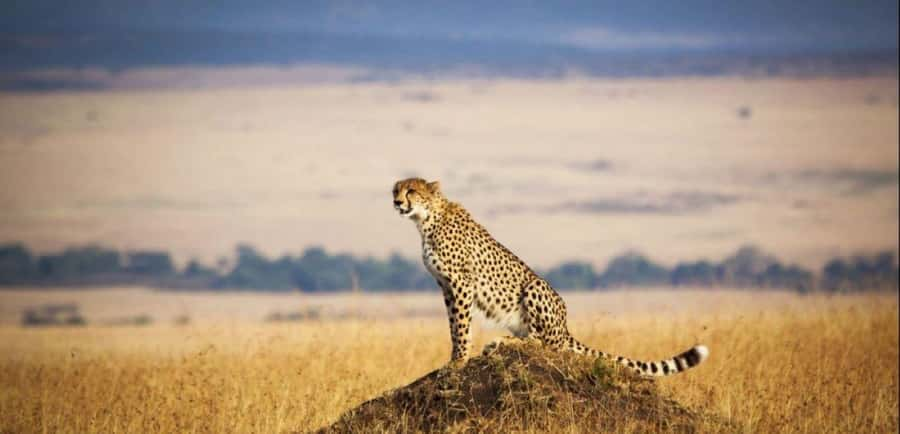
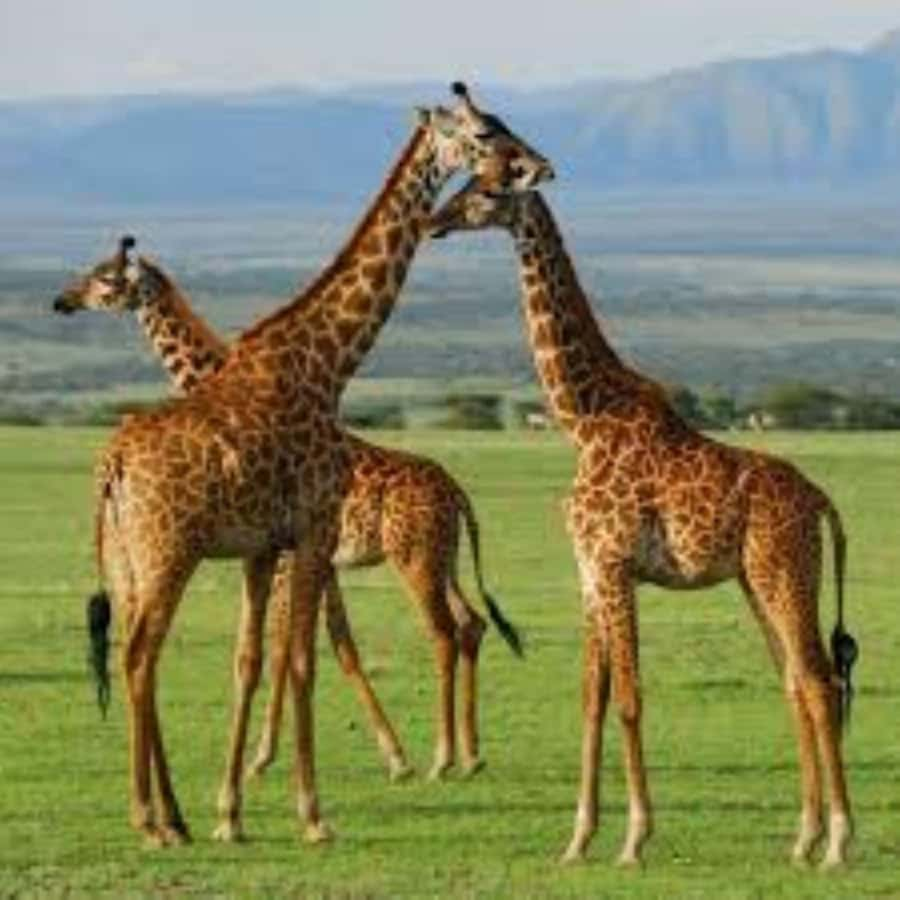
The Mara is known for open grassland and high concentrations of animals. You can search for the big five, meaning lion, leopard, elephant, buffalo, and rhino, along with cheetahs, zebras, giraffes, hippos, crocodiles, ostriches, jackals, hyenas, and vultures.
Recent guide accounts describe sightings of lions, elephants, cheetahs, leopards, and rhinos, though the leopard and rhino are never guaranteed. One person saw four of the big five but missed the leopard. Another saw the big five except the rhino. That is normal safari reality, not a failure of the tour.
The guides are the great variable. James, Paul, Charles, Chege, Benjamin, Richard, Joseph, John, and others are praised for safe driving, animal tracking, and locating good viewing positions. Richard, who grew up Maasai, was especially appreciated for explaining animals, plants, and local culture while keeping a respectful distance from the animals.
The quality of explanation may vary by guide. One person wanted more storytelling about the reserve and its wildlife and felt the guide acted more as a driver than an interpreter. If learning about ecology and culture matters as much as taking photos, tell your guide early. Ask questions. A good guide can turn a sighting into a lesson, but you may need to start the conversation.
The pop-up roof is a major practical advantage. You can look out above the side panels and take photos without the obstruction of a solid roof. One person found the front passenger position especially good, with a roof hatch allowing a wide view. Seating is not guaranteed, especially in a shared vehicle, so ask politely if you have a strong preference.
Picnic lunch beneath a croton tree
Lunch is served in the reserve as a picnic, usually under the shade of a croton tree with the Mara spread around you. This is a simple feature, but it changes the day. You are not losing an hour returning to camp, and you stay near the animals and open country.
Keep your expectations sensible. This is a packed safari lunch, not a restaurant meal. The camp food is generally praised, and the included meals help keep the package affordable. Bottled water in the vehicle is another small but useful inclusion, particularly during a full day outside.
Follow your guide’s instructions at the picnic stop. You are in a wildlife reserve, not a public picnic park. The data supplied does not specify the exact lunch menu or facilities, so bring any preferred snacks only if your operator permits them.
The Great Migration and the right time to visit
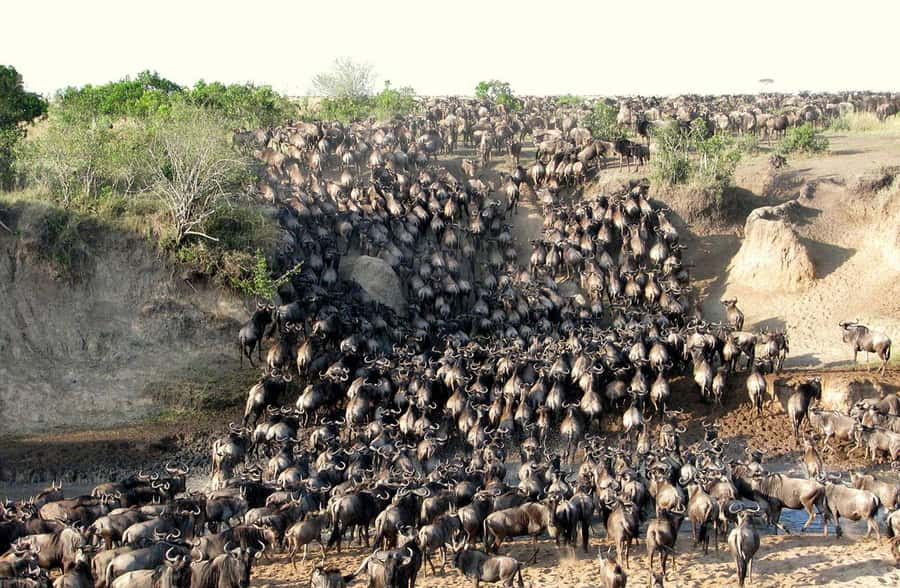
The Great Migration is listed as a seasonal highlight from around June to November, when wildebeest and zebra move from the Serengeti. Lions, cheetahs, jackals, hyenas, and vultures follow the herds.
That does not mean you will automatically see a river crossing or a huge moving herd. The migration covers a broad area and depends on rainfall, animal movement, and your exact dates. You can still see excellent wildlife outside this period, and the Mara remains worthwhile for its resident animals.
The timing also affects cost. The supplied information lists a lower park fee from January to June and a higher rate later in the year. If you are choosing between seasons, compare the wildlife conditions you want with the extra $200 per person for the two-day park charge.
The optional Maasai village visit
On the return to Nairobi, you can pay to visit a Maasai village. The listed entry price is about $20, paid on site.
This can add cultural context to a wildlife trip, particularly if you want to learn about Maasai life and customs. It is not included in the $240, and one account found the visit overly commercial and advised avoiding it. I would not accept the stop automatically.
Ask what the $20 includes, how long you will stay, and whether you are expected to pay additional fees for photos, crafts, dances, or other activities. If the answers are unclear, skip it. You can still have a strong safari without this add-on.
Transport, group travel, and comfort
The vehicle is a 4WD Landcruiser with a pop-up roof. That is the right kind of vehicle for game viewing and rough reserve roads. Several accounts praise the driving and say they felt safe, while others note the bumpy road conditions.
This is a shared safari, but the exact group size is not provided. You should expect to share the vehicle and coordinate stops with other people. The upside is a lower price and the chance to meet a mixed group of solo visitors and families. The downside is less control over seating, timing, and how long you spend at each sighting.
Guides often make the group work. Peter was praised for checking that people were comfortable with decisions, while other guides helped break the ice among solo visitors. Still, communication about the next stop or daily plan may not always be perfect. Ask at breakfast what time you leave, how long the drive will be, and what the day includes.
The tour is not suitable for pregnant women. Pets are not allowed. Those are the only stated restrictions, but the long transfer, uneven roads, and full day in a vehicle require reasonable physical comfort.
Extra costs to put on your budget
Your likely costs look like this:
- Base safari: $240 per person
- Park fees: $200 per person for two days from January to June, or $400 per person for two days from July to December as listed
- Single tent: $30 for two nights
- Maasai village: about $20
- Balloon safari: $600
- Airport transfer or hotels outside central Nairobi and Westlands: extra
- Mid-comfort accommodation: available by request, price not stated
The balloon safari is a major splurge, not a small upgrade. At $600, it costs more than the base safari and park fee in the lower season. I would only add it if seeing the Mara from above is a top priority and the extra price fits your budget.
The biggest booking mistake would be treating $240 as the final price. Ask the operator to confirm the park fee for your dates, payment method, accommodation name, airport transfer price, and total cost before you go. One person paid the park fee by credit card, so do not assume cash is the only option, but confirm the current arrangement.
Who should book this safari?
I would choose this trip if you want a first Maasai Mara safari, have three days, and care more about wildlife access than polished accommodation. It suits solo visitors, couples, and families who can manage long road transfers and shared transport.
I would also choose it if you want a guide-led experience without arranging every meal, transfer, and game drive yourself. The guides are a major strength, especially when they combine safe driving with animal tracking and clear explanations.
I would look elsewhere if you want a private vehicle, a quiet luxury lodge, a fixed schedule, or a short transfer from Nairobi. The park charge also makes the final price less budget-friendly than the headline figure suggests.
Should you book the Maasai Mara group safari?
Book it if you can accept basic camping, shared transport, rough roads, and a separate park fee. In return, you get a full day in one of Kenya’s best-known wildlife reserves, an evening drive, a capable Landcruiser, meals, water, and guides who are often praised for finding animals.
My practical advice is to confirm the seasonal park charge and accommodation before booking, then ask for the guide’s name and the day’s plan when you are collected. If your total budget is tight, skip the balloon flight and think carefully about the village visit. Spend your time and money on the full-day game drive. That is where this trip earns its keep.
FAQ
Is the $240 price the full cost of the safari?
No. The $240 price does not include Maasai Mara park fees. The listed two-day park fee is $200 per person from January to June and $400 per person from July to December. Confirm the current seasonal rate because another note lists the higher season differently.
What accommodation is included?
You receive two nights in a budget-tented camp at Rhino Tourist Camp or a similar property. The accommodation is basic, and reports describe clean tents or simple private units with essential facilities. A mid-comfort upgrade can be requested, subject to availability.
How many game drives are included?
Two game drives are included: an evening drive on the first day and a full-day drive on the second day.
Is food included?
Yes. The package includes two breakfasts, two lunches, and two dinners. Lunch on the full-day safari is served as a picnic in the reserve. Bottled water is included in the safari vehicle.
Where does pickup and drop-off take place?
Pickup is included from hotels in Nairobi city center and Westlands. Drop-off is included at hotels in those areas. Airport drop-off and transfers to locations outside these areas cost extra.
Can I book a single tent?
Yes. A single tent costs an additional $30 for the two nights.
How much does the Maasai village visit cost?
The optional village visit costs approximately $20. It is paid on site and is not included in the base price.
Is the balloon safari included?
No. A balloon safari can be arranged during the trip for approximately $600. It is an optional extra paid separately.
Newest safaris around Nairobi
- 5-Hour Nairobi National Park 4×4 Safari with Free Pickup★ 4.6 · 16 reviews
- Overnight Private Safari To Masai Mara★ 4.8 · 13 reviews
- Nairobi: ATV/Quad Bike Wildlife Safari with Transfers & meal★ 4.9 · 13 reviews
- Nairobi: The Safari Cats Show Tickets & Buffet Dinner★ 4.4 · 29 reviews
- Nairobi: Cabaret Show with Dinner at Safari Park Hotel★ 4.9 · 11 reviews
- Nairobi: 3-Days 2-Nights Maasai Mara Group Safari in 4×4★ 4.6 · 54 reviews
- From Nairobi:3-Days 2-Nights Maasai Mara Group Safari in 4WD★ 4.8 · 11 reviews
- From Nairobi: 4-Day Maasai Mara and Lake Nakuru Group Safari★ 4.6 · 50 reviews
Jeep & 4x4 Safaris, side by side.
Ultimate Island Jeep Safari with Natural Pool, Baby Beach & Lunch
Read our review →
Ziplining, Rafting, Jeep Tour & Quad Safari w/Lunch
Read our review →
City of Side: Jeep Safari & Green Lake Boat Trip with Lunch
Read our review →
Sunrise Desert Jeep Safari with Wildlife Experience
Read our review →
Lists this safari turns up in