
Review · MEXICO SAFARIS
Las Coloradas: Pink Lakes Safari Tour
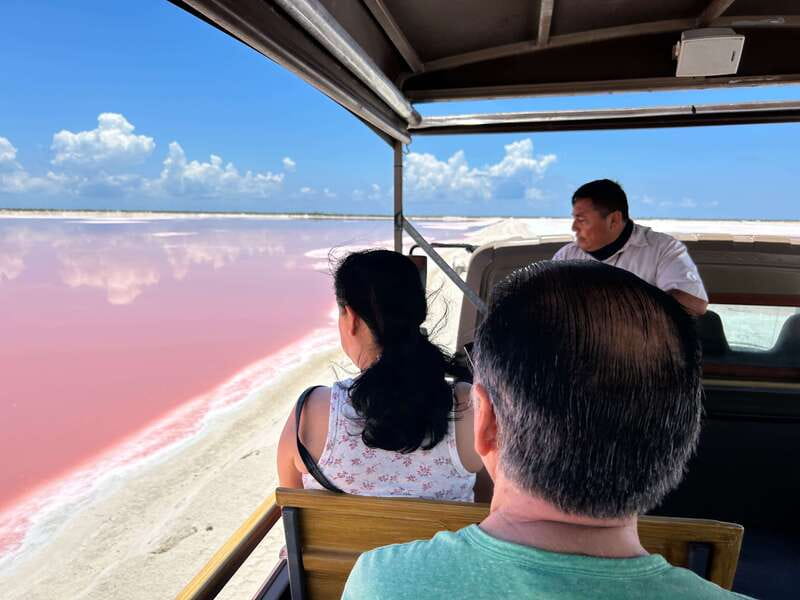
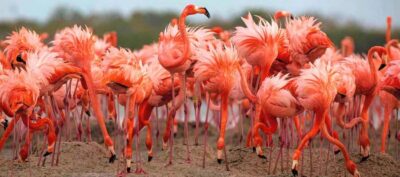
Las Coloradas is more than a pretty pink-water photo stop. This is a working salt operation, and the tour takes you by all-terrain vehicle into the ponds, crystallization areas, and salt-storage zone. You also learn how the nearby wetlands support resident and migratory birds, including the Caribbean pink flamingo.
I like two things here: you get inside a functioning sea salt plant, and a bilingual guide helps explain what you are seeing rather than leaving you with a quick photo and a vague story. The main drawback is value. At $40 per person, the visit feels worthwhile if you care about salt production and nature, but less so if you only want a short look at pink water.
Key points at a glance
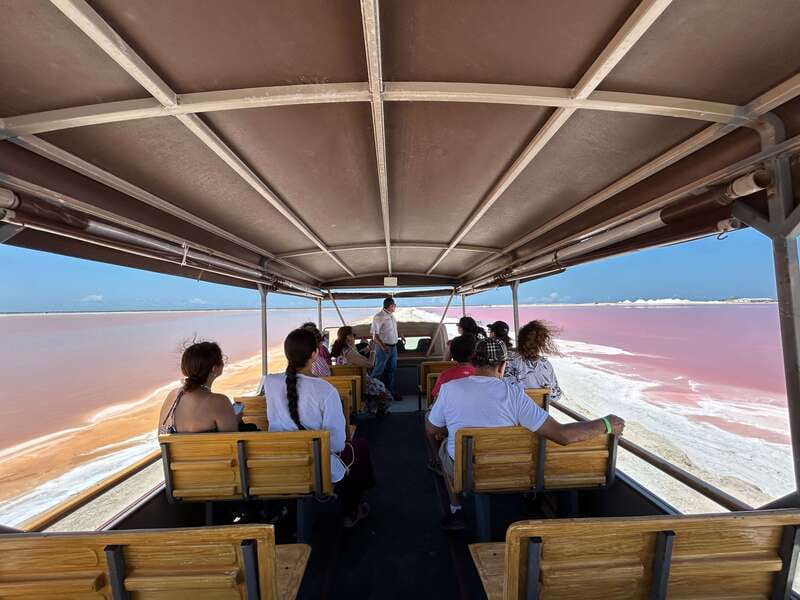
- Ride inside the salt plant: The off-road vehicle takes you beyond the public viewing areas and into the production zone.
- See salt in several stages: You may watch evaporation, crystal formation, storage, and, during harvest season, mechanical collection.
- Flamingos are possible, not promised: Birds move around the wetlands according to feeding needs.
- The tour is listed as two hours: Allow for the possibility of a shorter visit, since one reported departure lasted about an hour and a half.
- Come prepared for heat and insects: Biodegradable sunscreen, insect repellent, comfortable clothing, and a charged phone are sensible choices.
- You must reach the visitor center yourself: Hotel pickup, drop-off, and transport to Las Coloradas are not included.
Why Las Coloradas turns pink
The famous color comes from the salt-producing lagoon system, where evaporation creates conditions that can turn the water shades of pink. The exact look changes with weather, sunlight, and the operation of the salt ponds, so you should not expect every pool to have the same color.
That variation is part of the point. Las Coloradas is not a painted attraction or a decorative pool built for photographs. It is an industrial site working alongside wetlands in the Río Lagartos Biosphere Reserve. You are seeing an active production system that also provides shelter and feeding areas for waterfowl.
The pink water is the visual hook, but the salt process gives the visit more substance. I would treat the colors as one part of the tour rather than the entire reason to go. If you arrive expecting a single brilliant pink lake, you may feel underwhelmed by changes in shade. If you want to understand why the water looks unusual and how the salt is made, the visit makes more sense.
A few more safaris around Mexico worth a look
- Jeep Safari All Inclusive Private Tour
★ 5.0 · 460 reviews - All Terrain Safari – UTV Tour Puerto Vallarta
★ 5.0 · 232 reviews - Open Ocean Safari and Whale Watching
★ 5.0 · 178 reviews
Riding into a working sea salt plant
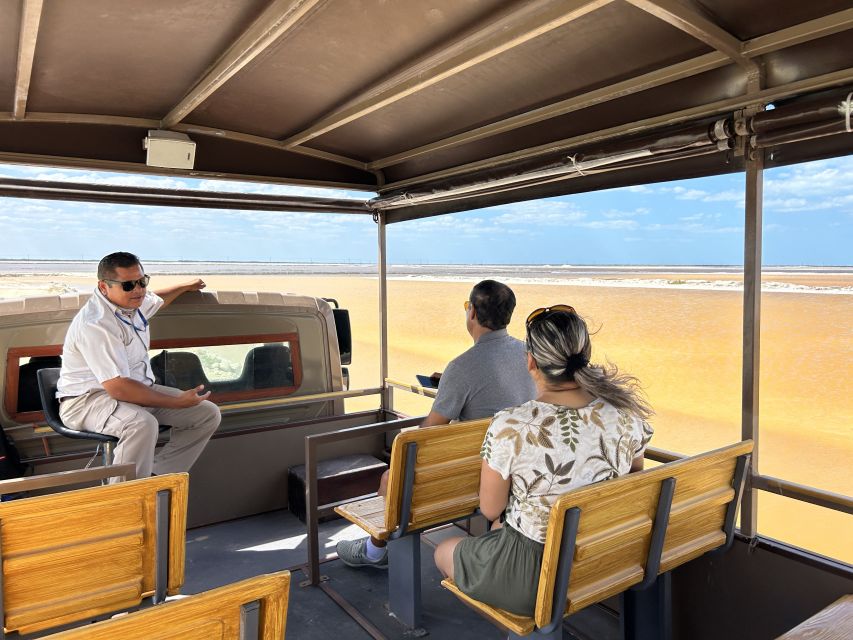
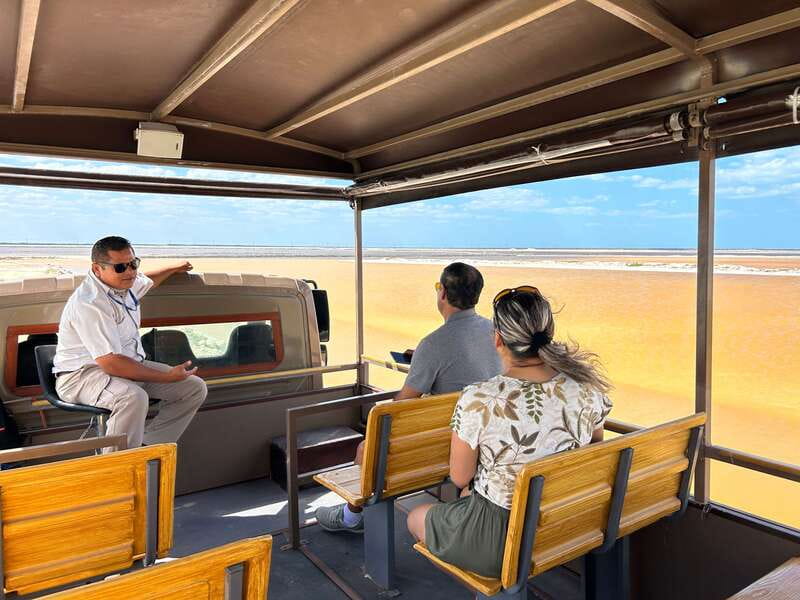
The tour starts at the visitor center, where you check in with your ticket and board the all-terrain transport. This is not a standard sightseeing bus route. The vehicle carries you along the interior of the lagoon system and into parts of the plant that you would not see from a roadside viewpoint.
The ride lets you cover a broad working area without walking across exposed salt flats. You will likely spend much of the visit moving between ponds and stopping for explanations and photographs. The rougher vehicle is practical here, although people prone to motion sickness should take the warning seriously.
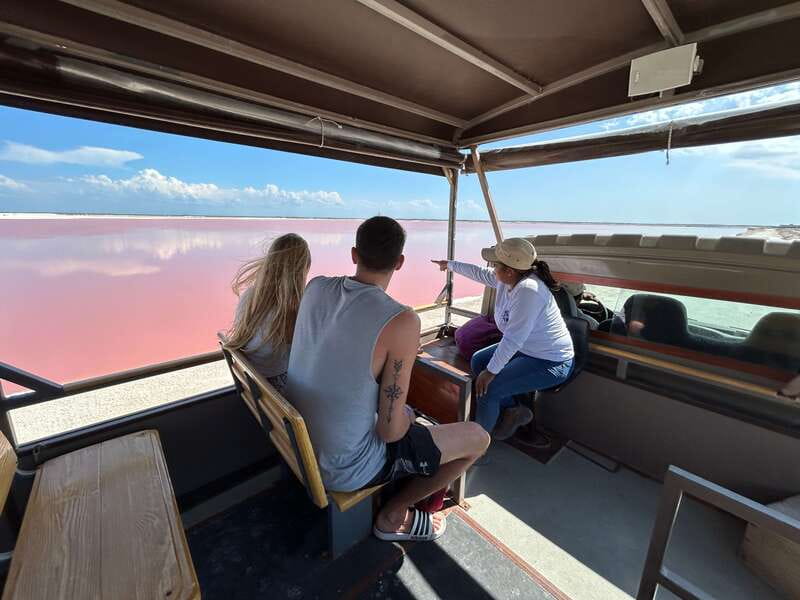
A certified bilingual guide leads the visit in English or Spanish. The strongest praise for the tour centers on the explanations, the professional handling of the visit, and help with photographs. One German-language review specifically noted the salt-production information and the presence of a photo guide. You should still bring your own charged phone or camera, but it is useful to know that photography is treated as part of the visit rather than an afterthought.
The tour is advertised for two hours. Build your plans around that time, but keep a little flexibility. One report described the guide giving an expected duration of about an hour and a half. Operations at a working salt plant and changing weather can affect the schedule.
Seeing salt form in the evaporation ponds
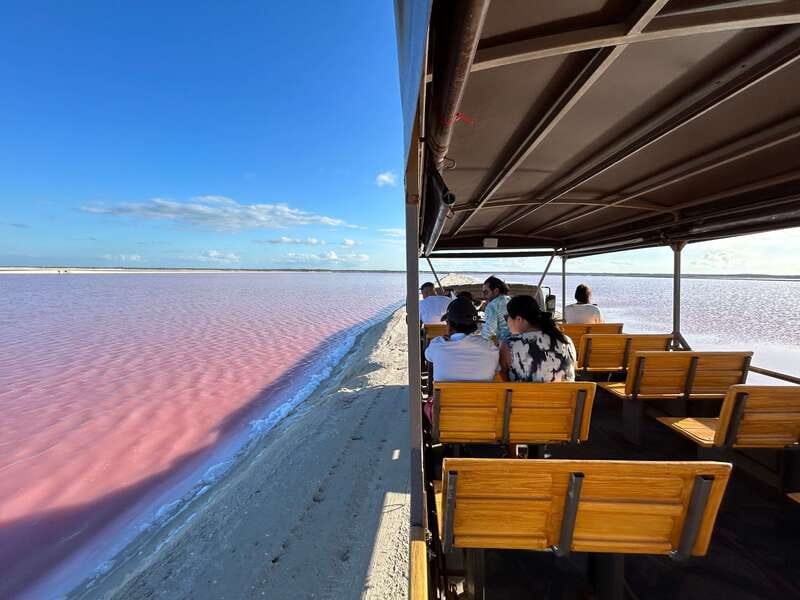
The salt-making process is based on evaporation. Water moves through the lagoon system, and as it loses moisture, salt becomes more concentrated. In the crystallization zone, salt crystals form and gather in the ponds.
This is the part I find most useful for anyone who has wondered how sea salt reaches the table. You are not just looking at colored water. You can see the practical stages of production and understand how the ponds are managed as the water changes.
The guide explains the process while you move through the site. Ask questions if you want more than a quick overview, especially about the difference between evaporation ponds and the crystallization area. The quality of the visit depends partly on how much attention you give to these details. The pink water is easy to photograph, but the production story is what turns the stop into a proper tour.
During harvest season, specialized machinery may be collecting the salt. This adds a more active industrial element to the visit, but it is not guaranteed. If your date falls outside the harvest period, you will still see the production areas, crystals, and storage mounds.
The salt hill that looks lunar
After the salt has been collected, it is stored in a large mound. From the vehicle, the immense white pile can look startlingly bare and otherworldly. The comparison to the surface of the moon is easy to understand once you see the bright salt against the open sky.
This is one of the more unusual sights at Las Coloradas. You are looking at a stockpile created by a working business, not a natural formation. That distinction matters. The mound is impressive because it shows the scale of the operation, while the surrounding ponds show how the raw material is produced.
The storage area also helps explain why the visit is not simply a nature outing. You are moving between industry and habitat. The salt plant is the reason for the tour, while the wetlands around it give the area its birds and unusual scenery.
Same region, a very different drive:
- Rio Lagartos and Las Coloradas: Safari Flamingo Luxury
★ 4.9 · 90 reviews - Ocean Safari: Sea Lions, Mobula Rays, Dolphins, Orcas & Whales
★ 5.0 · 85 reviews - Shark Safari & Snorkel Adventure in Cabo San Lucas
★ 5.0 · 79 reviews - Cabo San Lucas: Camel Safari Tour with Lunch and Tequila
★ 4.5 · 44 reviews
Wetlands, flamingos, and the Río Lagartos reserve
The lagoon system lies within the Río Lagartos Biosphere Reserve, a protected natural area recognized for its ecological importance. The wetlands provide food, shelter, breeding space, and resting areas for resident and migratory waterfowl.
The Caribbean pink flamingo is the star bird here, but you should not book the tour expecting a guaranteed sighting. Flamingos shift locations as their feeding needs change. You might see them from the vehicle, or you might find that they are elsewhere in the wetland system on the day of your visit.
That uncertainty is worth accepting. The tour presents the reserve as a living habitat, not a zoo with animals placed beside a path. You get a better sense of the area when you understand that birds use different parts of the lagoon at different times.
Bring a camera with a charged battery. Also bring patience. The most memorable wildlife moment may be a distant bird rather than a close-up flock, and the tour does not promise a set number of sightings.
The final stop at the pink waters
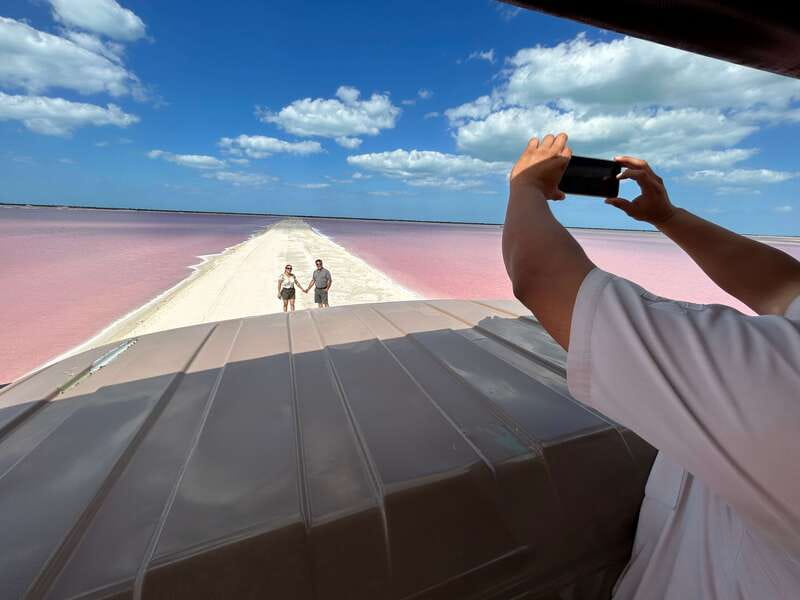
The visit includes the signature pink waters of Las Coloradas. This is the place for your main photographs, although you will also have chances to take pictures during the ride and around the salt-production areas.
You cannot swim or dive in the ponds, and you should not try to walk barefoot around the site. The water is part of an active industrial and protected natural setting, not a swimming area. Drones are also prohibited, so plan to photograph from the vehicle and approved visitor areas.
The color may look different from photographs you have seen online. Light, weather, and production conditions affect the appearance. I would avoid judging the site against a single heavily edited image. The real interest is the combination of color, salt crystals, storage mounds, and wetland habitat.
What the $40 price includes
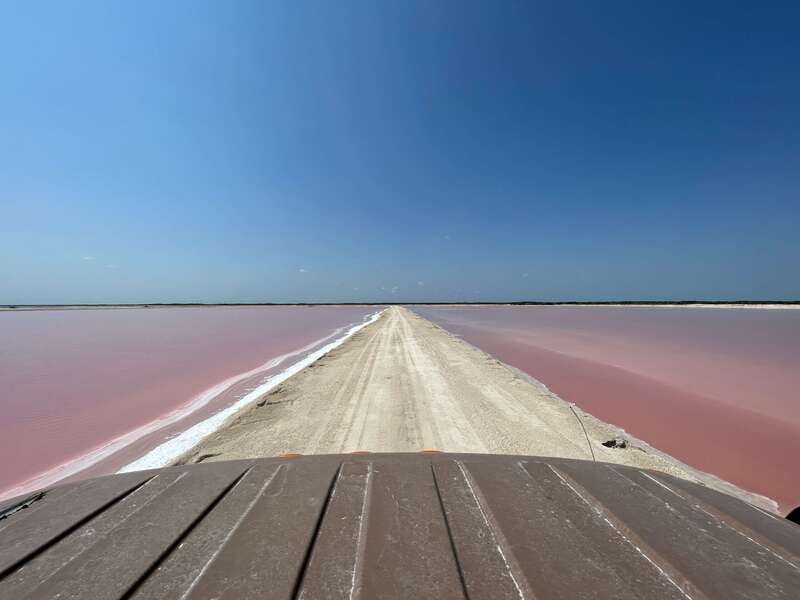
At $40 per person, the tour sits in the middle range for a focused two-hour attraction. The fee includes the all-terrain ride inside the salt-producing plant, a certified bilingual guide, use of the visitor-center facilities, and one bottle of purified water at the end.
The value is strongest if you would otherwise miss the production areas. A quick roadside view may give you pink-water photographs, but it will not provide the same access to evaporation ponds, crystallization zones, salt storage, and possible harvest machinery.
The value is weaker if you are mainly paying for photographs. The tour is relatively short, flamingos are not assured, and the water color can vary. One price-conscious visitor considered the cost high for the length of the visit, especially when the tour ran closer to an hour and a half. That criticism is fair, particularly for people traveling on a tight budget.
I would book it if the salt operation interests you, if you want a guide to explain the reserve, or if you are already planning to visit Las Coloradas and want more than a roadside stop. I would think twice if you expect a full-day nature outing or a long wildlife safari.
Planning your arrival at the visitor center
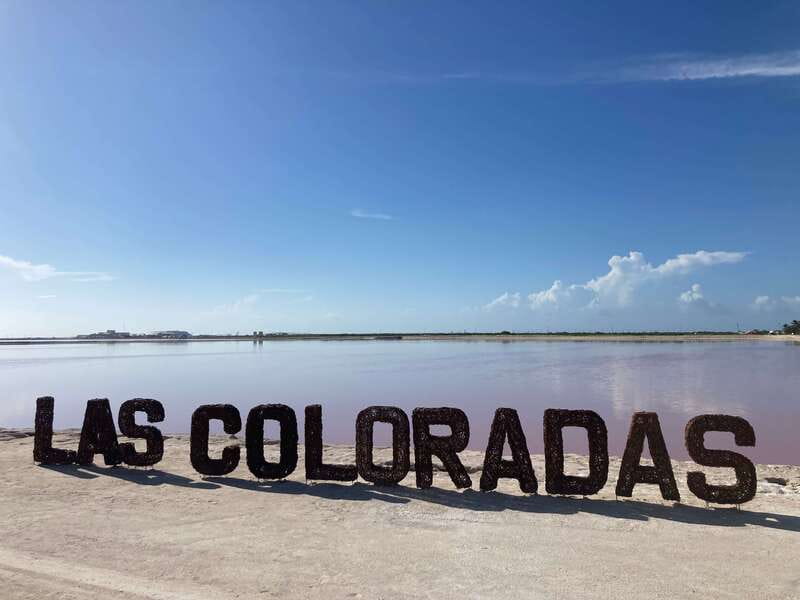
You need to arrange your own ground transportation to the site. Hotel pickup and drop-off are not included. Once you arrive, look for the visitor center with its large parking area, then go to reception with your ticket.
Use the restroom before the tour begins. Once you enter the plant, there is no bathroom. This is an easy detail to overlook, and the two-hour schedule becomes less comfortable if you wait until you are already inside.
The visitor center is also where you can get organized before boarding. Check your phone, prepare your camera, apply biodegradable sunscreen, and use biodegradable insect repellent. You receive a bottle of purified water at the end, but the tour does not include food or extra drinks.
The site can be hot and exposed, so wear comfortable clothes. Keep your belongings practical and secure. Plastic bags, coolers, food, and drinks are not allowed in the vehicle.
Who should book this tour
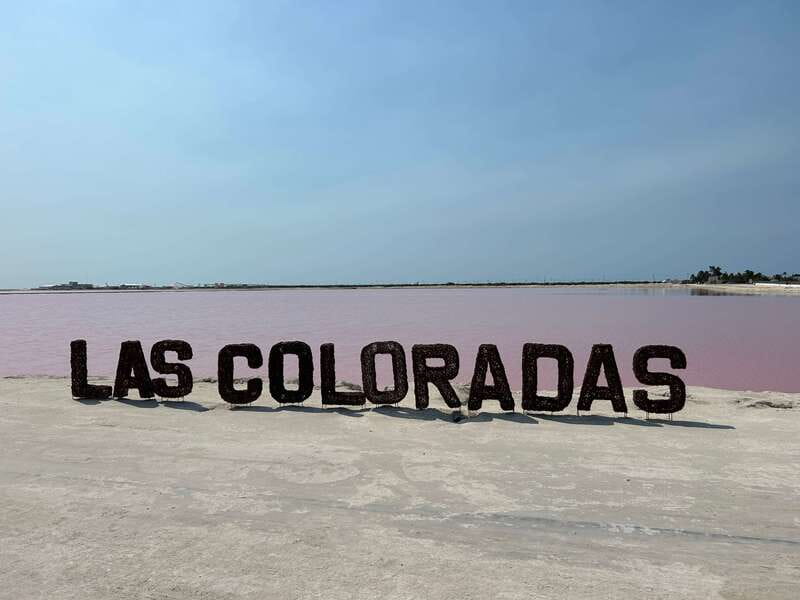
I think this tour suits adults and older children who enjoy a mix of nature and industry. It works especially well for people curious about how sea salt is produced, photographers who want unusual colors and textures, and visitors interested in the Río Lagartos reserve.
It is less suitable for anyone with motion sickness, as the all-terrain vehicle may move over uneven ground. The tour is also not recommended for pregnant women, people with heart problems, or people who have recently had surgery.
Unaccompanied minors are not allowed. Pets are not allowed either. Smoking and vaping are prohibited in the vehicle, as are alcohol and drugs. These rules are straightforward, but you should know them before arriving because the tour takes place inside an operating plant with environmental restrictions.
Weather and plant operations can cause changes. Rain or storms may affect the route or schedule. If your plans are tight, do not place a major connection immediately after the tour.
Practical verdict on Las Coloradas
I would book Las Coloradas: Pink Lakes Safari Tour if you want context along with the famous color. The off-road ride, working salt plant, crystal ponds, storage mound, and bilingual explanations give you several things to see in a short visit.
I would skip it if you only want a quick photo, dislike bumpy transport, or expect a guaranteed flamingo sighting. At $40, the tour needs to deliver more than pink water, and its best value comes from the salt-production access and guide-led explanation.
The flexible booking terms help if your schedule is uncertain: you can cancel up to 24 hours ahead for a full refund, and you can reserve now while paying later. Before booking, confirm the starting time, check the weather, use the restroom at the visitor center, and arrive ready for heat, insects, and an active industrial site.
FAQ
How long does the Las Coloradas tour last?
The tour is advertised as lasting two hours. Keep some flexibility because the duration may change with weather conditions and salt plant operations, and one reported visit lasted about an hour and a half.
How much does the tour cost?
The price is $40 per person.
Is transportation from my hotel included?
No. Hotel pickup and drop-off are not included, and you must arrange your own ground transportation to the site.
Where do I meet the tour?
Go to the Las Coloradas visitor center, which has a large parking area. At reception, show your ticket before the tour begins.
Is the tour offered in English?
Yes. A live certified guide leads the tour in English or Spanish.
Can I see flamingos?
You might see Caribbean pink flamingos, but sightings are not guaranteed. The birds move around the wetlands according to their feeding needs.
Can I use the restroom during the tour?
No. There is no bathroom inside the plant, so use the restroom at the visitor center before departure.
Can I swim in the pink lakes?
No. Swimming and diving are not allowed. Bare feet are also prohibited.
What should I bring?
Bring a camera, charged smartphone, biodegradable sunscreen, biodegradable insect repellent, and comfortable clothing. A bottle of purified water is provided at the end, but food and additional drinks are not included.
Newest safaris around Mexico
- Africam safari (private tour)★ 5.0 · 33 reviews
- Safari in Rio Lagartos, Coloradas and Mayan Bath★ 4.5 · 22 reviews
- Ocean Safari Tour in Cabo San Lucas★ 5.0 · 25 reviews
- Taco Safari in Cabo San Lucas★ 5.0 · 36 reviews
- Mobula Ray and Ocean Safari Day Trip★ 5.0 · 14 reviews
- Snorkeling Open Ocean Wildlife Safari in Los Cabos with Photos Included★ 5.0 · 24 reviews
- Shark Safari & Snorkel Adventure in Cabo San Lucas★ 5.0 · 79 reviews
- Camel Encounter and Safari Ride with Lunch and Alcohol Tasting★ 4.0 · 22 reviews
Mexico Safaris, side by side.
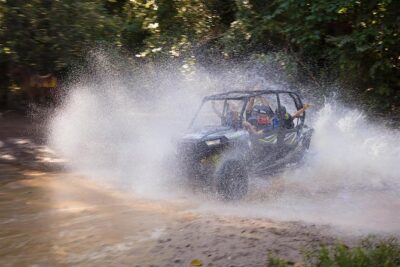
All Terrain Safari – UTV Tour Puerto Vallarta
Read our review →
Rio Lagartos and Las Coloradas: Safari Flamingo Luxury
Read our review →
Ocean Safari: Sea Lions, Mobula Rays, Dolphins, Orcas & Whales
Read our review →
Shark Safari & Snorkel Adventure in Cabo San Lucas
Read our review →
Cabo San Lucas: Camel Safari Tour with Lunch and Tequila
Read our review →
Lists this safari turns up in