
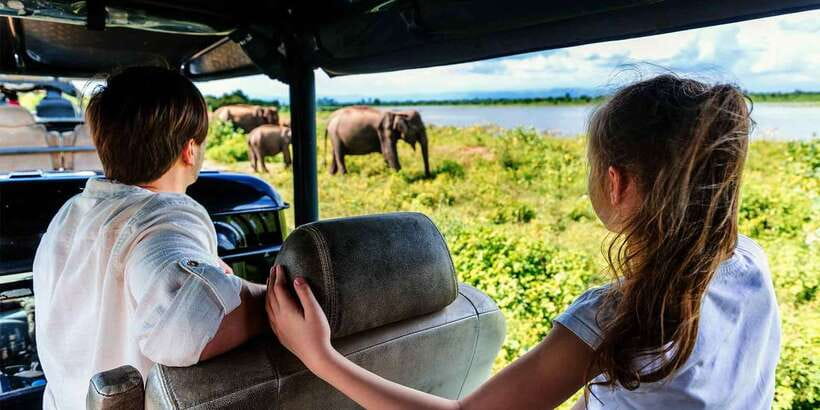
Review · BIG FIVE & WILDLIFE SAFARIS
Tangalle/Hiriketiya: Udawalawa Safari & Elephant Orphanage
Udawalawe offers the kind of wildlife day that gives you two very different experiences: wild elephants in the national park, then orphaned baby elephants being fed at the Elephant Transit Home. I like that the safari is not limited to elephants, since you might also spot crocodiles, wild boars, deer, buffalo, monkeys, and a long list of birds. I also like the hotel pickup from Tangalle or Hiriketiya, which saves you from arranging a separate long-distance transfer.
The main drawback is the amount of time spent on the road. The trip lasts about seven hours, with the drive from the coast advertised at roughly two hours each way. One recent departure ran more than an hour late, so I would avoid booking anything tightly timed afterward. The national park entrance fee is not included, and that extra cost should be part of your budget.
Key points to know before booking

- Two wildlife stops in one day: Visit the Elephant Transit Home before taking a jeep safari in Udawalawe National Park.
- Feeding lasts about 30 minutes: Baby elephants are fed only three times a day, so timing matters.
- Wild elephants are the main attraction: Udawalawe is noted for its large elephant population and plentiful water sources.
- Pathum and Shira have earned praise: Pathum has handled driving and transfer arrangements, while Shira has guided guests through the animals and their behavior.
- Hotel transfers are included: Pickup and drop-off cover the Tangalle and Hiriketiya areas.
- Budget for the park fee: The $67 price covers transport, the safari jeep, the transit-home visit, and the guide, but not admission to Udawalawe National Park.
Why Udawalawe works as a day trip from Hiriketiya

Hiriketiya and Tangalle are coastal bases, but Udawalawe offers a very different side of Sri Lanka. Instead of beaches and surf, you spend the day around grassland, water, trees, and open country where animals move freely.
The journey matters here. You will ride in an air-conditioned vehicle, and the drive is listed at about two hours to the Elephant Transit Home. A recent departure took about an hour and a half and included stops for coffee and hoppers, a useful local touch if your driver offers the same option. Those stops are not guaranteed, but they show how the day can feel less like a sealed tour bus ride and more like a road trip with a local driver.
I would set aside most of the day, even though the listed duration is seven hours. The road time, feeding schedule, transit-home visit, and jeep safari all need to fit together. If you have a surf lesson, train, airport transfer, or dinner reservation that cannot move, leave plenty of room.
The transfer is especially useful if you are not renting a car. You do not need to find the park entrance, arrange a separate jeep, or work out how to return to the coast. The driver handles the route and brings you back to your hotel in the Tangalle or Hiriketiya area.
More Wildlife Safaris in Sri Lanka
- Udawalawe National Park: Elephant Safari with Expert Guide
★ 4.9 · 641 reviews - From Sigiriya: Minneriya National Park Elephant Safari
★ 4.8 · 365 reviews - Yala National Park Wildlife Safari/ Game Drive – by Ajith Safari
★ 4.5 · 351 reviews
The Elephant Transit Home comes first
The first major stop is the Elephant Transit Home, where you can watch orphaned baby elephants being fed. The scheduled visit lasts around 30 minutes, which is short but enough to see the feeding session and get a close look at the young animals.
This stop is built around timing. The baby elephants are fed only three times daily, so a late pickup or a slow transfer can affect the visit. Make sure you confirm the starting time when you book, and be ready at your hotel before pickup. The feeding session is not an all-day animal encounter. It is a brief, organized part of the route.
The word transit matters. This is not simply a petting zoo or a place where elephants perform tricks. The attraction is watching a care routine for orphaned young elephants. You should expect to observe the feeding rather than treat the animals like domestic pets.
The experience may appeal strongly to families and anyone who has never seen a young elephant up close. It also adds emotional weight to the day before you enter the park. You see animals receiving care, then head out to look for elephants living in the wild.
I would keep your expectations sensible. The feeding takes about half an hour, so the national park safari is where most of the day’s wildlife viewing happens. If you are mainly interested in wild behavior, the park deserves your full attention.
Into Udawalawe National Park by safari jeep

After the transit-home visit, you continue to Udawalawe National Park and switch to a safari jeep. The park is known for supporting large numbers of elephants, helped by its water sources. That makes elephants the central reason to come, but they are not the only animals you may see.
The route gives you a chance to look for:
- Wild elephants
- Crocodiles
- Wild buffalo
- Spotted deer
- Barking deer
- Sambar
- Wild boar
- Hares
- Mongoose
- Monkeys
- Birds
- Butterflies
- Snakes
The list is unusually broad for a half-day safari. Still, wildlife is never a fixed menu. You might see several elephants and crocodiles, as some recent departures did, or spend more time scanning trees and open ground for smaller animals.
A good guide can make a real difference. Shira was praised for identifying animals and explaining the different species. Pathum has also been singled out for providing useful information while driving. Names and assignments can change, but the guide’s ability to spot movement often matters more than the vehicle itself.
The jeep format gives you a better view than a regular car. You can scan the sides of the track, watch the tree line, and pause when the guide notices something. The tour description does not specify the jeep type, group size, or exact safari route, so ask about those details if they matter to you.
You should also expect some waiting. An elephant can be easy to see in an open area, while a mongoose, bird, or deer may take patience and a sharp eye. The best moments are not always the largest animals. A crocodile beside the water or a group of birds lifting from the trees can make the safari feel varied.
Elephants are the headline, but not the whole show

Udawalawe is a strong choice if elephants are at the top of your list. The park supports a large elephant population, and the water sources improve your odds of seeing them. Recent departures have included several elephants at close range, along with crocodiles and birds.
Close sightings are exciting, but remember that these are wild animals. The tour’s appeal comes from seeing them in their own setting, not from guaranteed interaction. Your guide may find a good viewing position, but the animals decide how near they come and how long they remain.
The rest of the animal list gives the trip useful depth. Spotted deer and sambar may appear in open areas, while wild boar, buffalo, hares, and mongoose add variety. The park is also said to contain about 30 species of snakes, 50 species of butterflies, and many bird species. You may not identify all of them in one outing, but the figures show why the safari is more than an elephant hunt.
Bring patience rather than a checklist. If you expect to tick off every animal named in the description, you may be disappointed. If you treat the safari as a search through changing habitats, each sighting becomes a bonus.
Same region, a very different drive:
- Udawalawe National Park | Private Safari Tour
★ 5.0 · 1,499 reviews - From Colombo: Sigiriya and Dambulla Day Trip with Safari
★ 4.7 · 842 reviews - Yala National Park Safari Tours: Morning/Evening/Full Day
★ 4.8 · 818 reviews - Full day Safari – Yala National Park – 04.30 am to 06.00 pm with – Janaka safari
★ 5.0 · 603 reviews
How the guides affect the day

The driver and guide are central to this experience because the day combines several moving parts. You need a timely coastal pickup, a correctly timed visit to the transit home, a park transfer, a safari jeep, and a return trip.
Pathum has received particular praise for driving to the Elephant Transit Home and arranging the return transfer to Hiriketiya. That kind of practical help matters when the tour crosses between several locations. It is not just about pointing out animals. It is also about keeping the day on track.
Shira was praised for explaining species and spotting animals during the safari. A guide who can give names and basic behavior notes helps you understand what you are seeing instead of simply taking photographs.
The listed guiding language is English. If you want detailed explanations about animal behavior, ask your guide questions during the drive and safari. You can also ask about the feeding schedule and the expected timing for the return journey.
One caution: a recent pickup was more than an hour late. That does not mean every departure will run late, but it is a good reason to avoid scheduling a fixed activity immediately afterward. Wildlife trips have road traffic, animal timing, and several handoffs to manage.
Is the $67 price good value?

At $67 per person, the tour is good value if you want a simple package from the coast. The price includes air-conditioned transport, hotel pickup and drop-off, the jeep safari, the Elephant Transit Home visit, and an English-speaking driver or guide.
That combination would be harder to arrange on your own, particularly if you do not have a rental car. You would otherwise need to organize the long drive, find the transit home, arrange a park jeep, pay for admission, and sort out your return to Hiriketiya or Tangalle.
The important catch is the park entrance fee. It is not included, so the final cost will be higher than $67. The supplied details do not state the current entrance price, so check it before booking and include it in your calculations.
The value is strongest for couples, solo visitors, or small groups who want one organized wildlife day without spending the night near the park. It is less attractive if you already have private transport and prefer to choose your own departure time, safari duration, or park arrangements.
You can cancel up to 24 hours before departure for a full refund, and the reserve-now, pay-later option keeps your plans flexible. Those terms help if your coastal schedule may change, though they do not remove the need to check the pickup time carefully.
Who should book this wildlife day

I would choose this trip if you are staying in Tangalle or Hiriketiya and want to see elephants without changing hotels. It suits people who value convenience, a guide, and a planned return transfer.
Families may like the clear structure, especially the baby-elephant feeding and the chance to spot large animals from a jeep. Couples and first-time safari visitors also get a useful introduction to Udawalawe without having to manage the logistics themselves.
It is a good match for animal lovers who understand that sightings are not guaranteed. The day offers a strong chance to see elephants, but no ethical wildlife tour can promise a particular animal at a particular time.
I would think twice if you dislike long road journeys or have only a few hours free. The safari itself is the exciting part, but the coastal transfer takes a large share of the day. I would also look elsewhere if you want a private jeep, a detailed photography itinerary, or a long safari inside the park, since those features are not specified here.
What to bring and how to plan the day

Wear light, comfortable clothing and bring water for the drive and safari. The air-conditioned vehicle should make the road journey easier, while the jeep may feel more exposed to heat and dust.
Keep your camera ready, but do not let it replace your eyes. Elephants, crocodiles, and birds can appear briefly, and the guide may spot them before you do.
Most important, do not arrive late for pickup. The baby elephants are fed at set times, reportedly three times daily, and the 30-minute visit depends on reaching the transit home at the right moment.
Before departure, confirm:
- Your hotel is within the Tangalle or Hiriketiya pickup area
- The pickup time
- The extra national park entrance fee
- The guide and driver contact details
- The expected return time
These simple checks can prevent the most common problems on a tightly scheduled wildlife day.
Should you book the Udawalawe safari?

Book it if you want elephants, a guided jeep safari, and coastal hotel transfers in one day. The combination of the Elephant Transit Home and Udawalawe National Park gives you both a close look at young elephants in care and the chance to see wild animals in their natural setting.
The strongest reasons to go are the large elephant population, the variety of possible sightings, the helpful driving and guiding reported from Pathum and Shira, and the ease of being collected and returned to your hotel.
Skip it if the long drive will spoil your day, if you need a guaranteed schedule, or if the additional park fee pushes the total beyond your budget. For most people staying in Tangalle or Hiriketiya, though, this is a practical way to add Sri Lankan wildlife to a beach holiday.
FAQ
Where does the tour pick up and drop off?
Pickup and drop-off are provided from hotels in the Tangalle or Hiriketiya area.
How long does the activity last?
The listed duration is seven hours.
How long is the drive to the Elephant Transit Home?
The drive from Tangalle or Hiriketiya is described as about two hours in an air-conditioned vehicle. One recent departure took about one and a half hours.
How long is the baby-elephant feeding visit?
The feeding visit lasts about 30 minutes.
What animals might I see in Udawalawe National Park?
You might see elephants, crocodiles, wild buffalo, spotted deer, barking deer, sambar, wild boar, hares, mongoose, monkeys, birds, butterflies, and snakes.
Is the Udawalawe National Park entrance fee included?
No. The entrance fee to Udawalawe National Park is not included in the package price.
What language does the guide speak?
The live guide speaks English.
Newest safaris around Sri Lanka
- All Inclusive Udawalawe National Park Safari Day Tour from Colombo and Negombo★ 5.0 · 11 reviews
- Privet One Day Udawalawe National Park Elephant Safari★ 5.0 · 15 reviews
- From Colombo to Sigiriya Fortress, Dambulla & Minneriya Safari★ 5.0 · 20 reviews
- Yala National Park Private Jeep Safari From Colombo & Negombo★ 4.5 · 14 reviews
- Private Wilpatu National Park Leopard safari from Colombo/Negambo★ 5.0 · 13 reviews
- Private Trip to Sigiriya, Dambulla & safari from Colombo/ Negombo★ 5.0 · 44 reviews
- Yala Safari Day Trip from Bentota/ Kalutara/ Ahungalla/ Hikkaduwa★ 5.0 · 60 reviews
- Private Udawalawe Safari Tour with Elephant Transit Home★ 5.0 · 10 reviews
Big Five & Wildlife Safaris, side by side.

Sunrise Desert Jeep Safari with Wildlife Experience
Read our review →
Addo Elephant National Park All Inclusive Full-Day Safari
Read our review →
Udawalawe National Park: Elephant Safari with Expert Guide
Read our review →
Big Five Game Reserve Wildlife Safari from Cape Town
Read our review →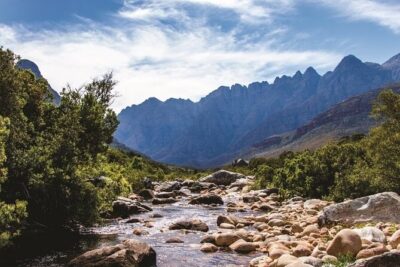
Big Five Safari and Breede River Valley Guided Day Trip
Read our review →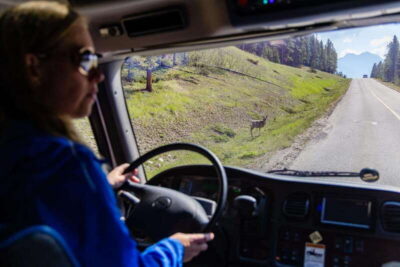
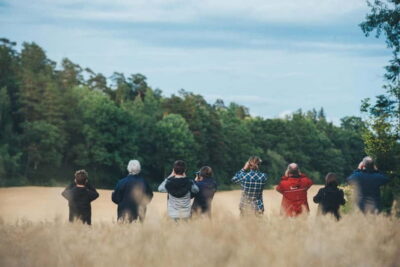
From Stockholm: Moose & Wildlife Safari with Campfire Dinner
Read our review →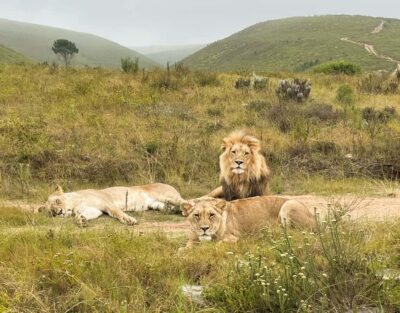
Lists this safari turns up in