
Review · NATIONAL PARK SAFARIS
3-Day Safari Tour in two National Parks
Tsavo East gives you Kenya in bold strokes: red clay, wide savanna, big herds, and the chance to see elephants, lions, giraffes, zebras, buffalo, cheetahs, and hundreds of bird species. Then Amboseli changes the scene with easier game viewing and Mount Kilimanjaro rising behind the animals when clouds allow.
I like the smart two-park pairing and the fact that this is a private trip, so your group can focus on wildlife rather than follow a large coach. I also like the early starts, which give you better light and cooler hours for game viewing. The tradeoff is the amount of road time, especially on the first and third days, and the $1,690 price requires you to value private guiding and included meals.
Key points to know before booking
- Two very different parks: Tsavo East offers space, red soil, and rugged scenery, while Amboseli is smaller, more open, and often easier for spotting animals.
- Private touring: Only your group participates, giving you a more personal ride and the chance to ask questions throughout the safari.
- Early departures matter: Pickup begins around 7:00 a.m., with early starts on the second and third days for cooler conditions and better morning light.
- Elephant country: Amboseli is especially known for free-ranging elephants, often photographed with Kilimanjaro behind them.
- Strong guide reports: Ezekiel, Henry, Saidi, Richard, Bonni, Abdul, and Martha are among the guides and coordinators praised for animal spotting, friendliness, and clear explanations.
- Meals are covered: Two breakfasts, three lunches, and two dinners are included, though you should confirm the exact lodges and accommodation before paying.
Why these two parks work well together
A safari from Diani Beach can easily become a long drive followed by a rushed park visit. This trip avoids that problem by using two parks with different strengths.
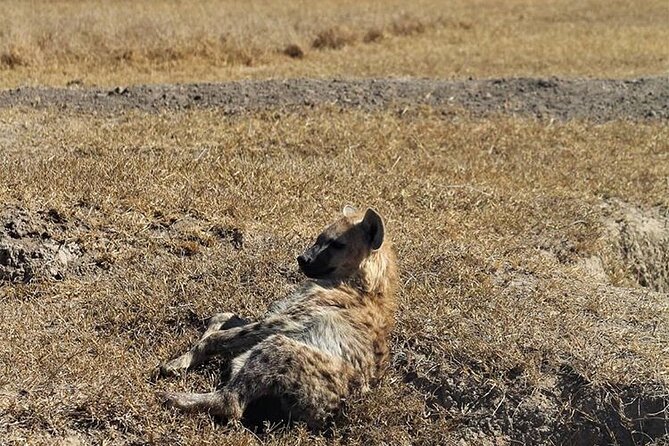
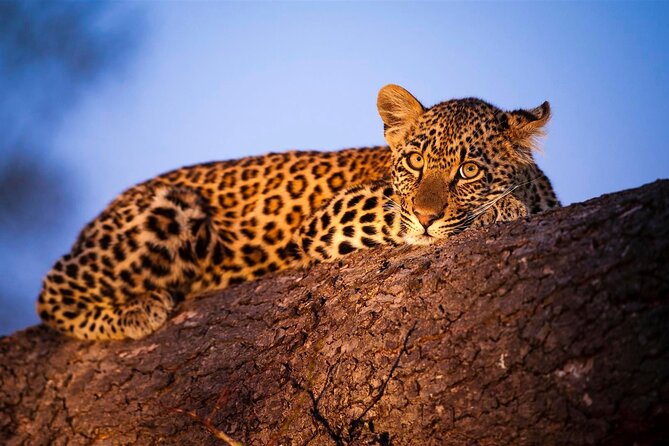
Tsavo East is the larger, wilder-feeling stop. Its wide spaces and red earth create a strong sense of distance. The park is known for lions, but you may also look for elephant, leopard, cheetah, buffalo, impala, zebra, giraffe, ostrich, kudu, and other antelope. More than 500 bird species are associated with the park, so you do not need to be focused only on the large animals.
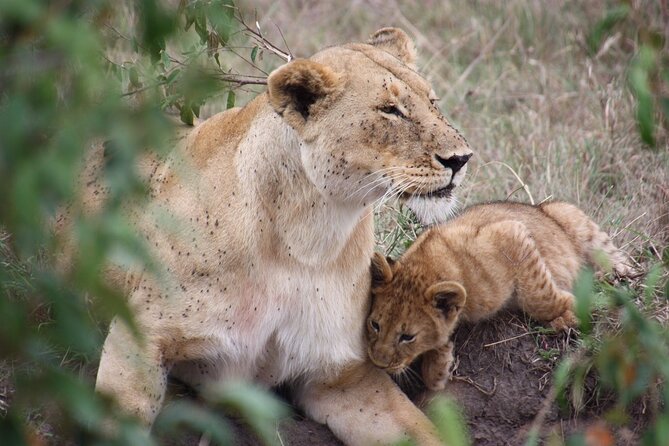
Amboseli is a smaller and more open park. That matters because animals can be easier to spot across its flatter spaces. It is particularly known for elephants, and the setting adds another reward: views toward Mount Kilimanjaro. The mountain may hide behind clouds, so treat a clear peak as a gift rather than a guarantee.
I like this contrast. Tsavo East gives you a sense of wilderness and variety. Amboseli gives you a better chance to scan open ground and take classic wildlife photographs. If you want one park with dramatic scale and another with a more concentrated game-viewing experience, the route makes good sense.
More National Park Safaris in Kenya
- Safari Tour; Nairobi National Park
★ 4.5 · 594 reviews - Half-Day Nairobi National Park Safari from Nairobi with Free Pickup
★ 4.5 · 264 reviews - Safari In Nairobi Kenya National Park Half day Tour
★ 5.0 · 69 reviews
Day 1: Red soil and late-afternoon wildlife in Tsavo East
The morning begins with pickup from your Diani Beach or south coast accommodation. The stated start time is 7:00 a.m., though the exact pickup timing depends on your location.
You travel toward Mombasa and cross the Likoni Ferry before joining the Mombasa-Nairobi highway. The road distance to the southern entry area of Tsavo East is about 150 kilometers, with the drive described as roughly three and a half hours. That estimate does not include every possible delay, so keep your first day flexible.
There is a short refreshment stop at the park gate, with those purchases paid directly. Once inside, game viewing begins. The timing is useful because you are not spending the whole first day in a vehicle on the public road. You reach the park and begin looking for animals soon after entering.
Tsavo East is a good place to pay attention to the ground as much as the animals. The red clay soil gives the park its famous color, and dust can settle on the animals, especially elephants. The scenery feels broad and dry, with plenty of space between sightings. That makes each animal encounter feel earned rather than guaranteed.
The listed animal possibilities include elephant, lion, zebra, giraffe, buffalo, cheetah, antelope, kudu, and ostrich. You may also look for leopard, though no safari can promise a particular species. Animal sightings depend on weather, season, water, and simple luck.
After the first game drive, you relax at the lodge or camp during the hottest part of the day. This break is important. A safari is not just hours of driving. You need time to eat, cool down, and rest your eyes before heading back out.
The afternoon drive is planned for the period when the heat begins to ease. Light becomes softer, animals may become more active, and the savanna takes on warm colors near sunset. The itinerary allows about four hours for this portion of the day, though the actual pace depends on conditions and sightings.
Accommodation names are not fixed in the information provided. Past arrangements have included properties such as Kilaguni Serena Safari Lodge and Voi Safari Lodge, but you should confirm your assigned lodge before booking. Kilaguni Serena received especially strong praise for its setting and stay, while one account found the food at Voi Safari Lodge less impressive than at other lodges.
Day 2: From Tsavo East to Amboseli’s elephant country
Day two starts early with breakfast and a short exit game drive from Tsavo East. This is a good use of departure time. You may catch animals before the heat rises, rather than simply leaving the park at the first light.
The day then shifts toward Amboseli. The itinerary allows time to reach your accommodation, freshen up, and rest before another short game drive. That pause keeps the day from becoming one long, exhausting ride.
Amboseli is smaller and more open than Tsavo East, which changes how you look for animals. In Tsavo, you may scan broad areas and wait for movement. In Amboseli, animals can be more visible against open ground. The park is particularly associated with elephants, and this is the place to watch for large groups moving across the plain.
The afternoon drive is planned for about four hours. You may look for the species that were not found in Tsavo East, as well as returning favorites such as zebra, giraffe, buffalo, lion, and antelope. The open setting can also make photography easier, although the position of the sun and the mountain clouds will shape your pictures.
The great visual prize is Kilimanjaro. When the weather cooperates, Africa’s highest mountain provides a huge backdrop to the park. The combination of elephant and mountain is the image many people hope to take home. Still, clouds often cover high peaks, so do not judge the safari harshly if the mountain remains hidden.
Your day includes breakfast, lunch, and dinner. That removes some of the work of organizing meals on a tightly scheduled route. It also means you should tell the operator about any food needs before departure, since the supplied details do not explain special-diet arrangements.
Day 3: Sunrise, elephants, and the long return
The third day starts early again. You may see the African sunrise and watch for the upper slopes of Kilimanjaro appearing through the clouds. Weather permitting, this is the most atmospheric part of the trip.
Breakfast is followed by a short exit game drive. The five-hour schedule listed for the day likely includes this final wildlife time and the journey onward, so you should expect a travel-heavy finish rather than a full day inside Amboseli.
That is the main practical weakness of this itinerary. Three days is enough to sample two major parks, but it is not enough to linger everywhere. If you want long morning and afternoon drives in both parks, you may prefer a longer safari. If your holiday is based at Diani Beach and you want a compact wildlife addition, the schedule is easier to justify.
The available information includes drop-off in Nairobi in at least one arrangement, but the standard meeting details only confirm pickup from Diani Beach and the south coast. Confirm your final destination before booking, especially if you need to return to the coast.
Same region, a very different drive:
- From Nairobi: 3 Days, 2 Nights Maasai Mara Group Safari
★ 4.5 · 394 reviews - From Nairobi: 3 – Days Maasai Mara Group Safari by 4WD
★ 4.6 · 205 reviews - 3 days group joining safari to Maasai Mara with a Land Cruiser Jeep
★ 5.0 · 173 reviews - 3 Day Masai Mara Budget Joining Safari on 4×4 – Daily Departures
★ 5.0 · 105 reviews
What the private format changes
This is a private activity, and only your group participates. That is one of its strongest features.
A private vehicle lets you ask for more explanation, spend longer at an interesting sighting, and discuss the day’s pace with your guide. You are not trying to fit your plans around a busload of strangers. The value is even greater on a safari because the best moments can be brief. If a lion appears or a herd begins moving, a direct conversation with your guide helps your group decide how long to stay.
The guide can make or break a safari. The names connected with especially positive experiences include Ezekiel, Henry, Saidi, Richard, Bonni, and Abdul. Ezekiel was praised for finding a wide range of animals and teaching guests about Kenyan wildlife. Saidi was singled out for spotting animals and making every effort to provide good views. Henry was described as polite and helpful, while Richard was remembered for his humor and explanations.
Those names do not guarantee who will lead your particular departure. Ask for the assigned guide if that matters to you. The important point is to expect the guide to be central to your experience, not just the person driving between parks.
The $1,690 price and what you are paying for
At $1,690 per person, this is a serious purchase. I would not compare it with a simple park transfer. You are paying for a private three-day route from the coast, two national parks, game drives, a driver-guide, and organized accommodation and meals as described in the schedule.
The included food covers two breakfasts, three lunches, and two dinners. Refreshments at the park gate are not included. Park admission is shown in the itinerary without a separate admission charge, but you should confirm the full price breakdown before payment, especially if lodge category, transport arrangements, or park fees can vary.
The strongest value comes if you are already staying in Diani and want to add safari without planning several separate bookings. The route, park access, guide, accommodation, and meals are brought together in one private trip. It is also useful if you care more about personal service than finding the lowest possible safari price.
The value is weaker if you are comfortable arranging your own transport, joining a shared safari, or spending more days in one park. The first day includes a substantial drive, and the third day is also not a full park day. Ask for the exact lodge names, room plan, vehicle type, final drop-off point, and what happens if the assigned accommodation changes.
Food, lodges, and comfort between game drives
The schedule includes lodge or camp time during the hottest part of the day. That rest period can make a major difference, especially after an early pickup and several hours in a safari vehicle.
Accommodation quality appears to vary by arrangement. Kilaguni Serena Safari Lodge was praised as a highlight, and another account described the lodges as comfortable and attractive. Sentrim Lodge in Amboseli was also described favorably. At the same time, Voi Safari Lodge received a less positive comment about food, and Sopa Lodge was considered a little far from Amboseli National Park.
These details point to a simple booking tip: do not assume every lodge option is identical. Ask which properties are included for your dates and how far the Amboseli accommodation is from the park gate. A lodge that is farther away can reduce time available for game drives, even if the property itself is pleasant.
Who will enjoy this safari most
I would recommend this trip to someone staying at Diani Beach who wants a real safari but does not want to organize transport, meals, and lodges independently. It suits first-time safari visitors because the guide handles the route and helps you understand what you are seeing.
It is also a strong choice for couples, families, and small private groups who want control over the pace. Service animals are allowed, and most people can participate. The tour is near public transportation, though the experience itself is based on private pickup and safari travel.
I would be more cautious if you dislike long road journeys or need a relaxed timetable. The early departures are useful for wildlife, but they are not gentle on a beach-holiday sleep schedule. You should also be comfortable with the fact that animal sightings and Kilimanjaro views are never fully predictable.
Should you book the Tsavo East and Amboseli route?
Book it if you want the contrast between Tsavo East’s red-earth wilderness and Amboseli’s elephant-filled open plains. The private format, strong guide record, included meals, and chance to see Kilimanjaro give the trip real appeal.
Before paying $1,690, confirm the lodge names, vehicle arrangements, final drop-off, and exact inclusions. If those details suit you, this is a practical way to turn a Diani beach stay into a short but memorable Kenya safari. If you want slower mornings, longer game drives, or time to settle into one park, spend more days on the road.
FAQ
Where does the safari start?
Pickup is offered from Diani Beach and south coast locations. The stated start time is 7:00 a.m.
How long is the safari?
The experience lasts approximately three days.
Which national parks are included?
The route includes Tsavo East National Park and Amboseli National Park.
How much does the safari cost?
The listed price is $1,690 per person.
Are meals included?
Yes. The package includes two breakfasts, three lunches, and two dinners. Refreshments at the Tsavo East gate are paid directly.
Is this a private tour?
Yes. Only your group participates in the activity.
Can I cancel for a full refund?
You can cancel at least 24 hours before the local start time for a full refund. Cancellations or changes made less than 24 hours before the start time are not accepted for a refund.
What happens if bad weather or low bookings cancel the safari?
If poor weather causes cancellation, you are offered a different date or a full refund. If the minimum number of travelers is not met, you are offered a different date or experience, or a full refund.
More three-day safaris in Kenya
- Masai Mara 3 Day Safari | Private 4WD Jeep Tour
★ 5.0 · 103 reviews - Masai Mara 3 Days Luxury Tented Safari
★ 5.0 · 64 reviews - 3 days 2 nights budget group safari to Maasai Mara National Reserve
★ 4.5 · 58 reviews - 3 days safari Tsavo East and Taita hills (Saltlick lodge)
★ 5.0 · 45 reviews
Newest safaris around Kenya
- Tsavo East 1 Day Safari, Beach To Beach In 4wd Jeep★ 5.0 · 14 reviews
- 3 Days, 2 Nights Safari – Amboseli National Park and Tsavo West Adventure Safari★ 4.5 · 16 reviews
- 5-Day Safari Tour in 3 National Parks★ 5.0 · 22 reviews
- Shimba Hills Day Safari & Sheldrick Falls Hike Private Tour★ 4.5 · 21 reviews
- PRIVATE OVERNIGHT SALTLICK SAFARI FROM MOMBASA OR DIANI★ 4.8 · 23 reviews
- 5-Hour Nairobi National Park 4×4 Safari with Free Pickup★ 4.6 · 16 reviews
- Overnight Private Safari To Masai Mara★ 4.8 · 13 reviews
- Overnight Tsavo East Safari From Mombasa/Diani (Private)★ 4.9 · 39 reviews
National Park Safaris, side by side.
Teide National Park Sunset & Stargazing with Dinner (Star Safari)
Read our review →
Teide National Park: Sunset & Stargazing Safari with Dinner
Read our review →Udawalawe National Park | Private Safari Tour
Read our review →
East Coast National Park: Half-Day Caves Jeep Safari
Read our review →
Addo Elephant National Park All Inclusive Full-Day Safari
Read our review →
Yala National Park Safari Tours: Morning/Evening/Full Day
Read our review →Lists this safari turns up in