
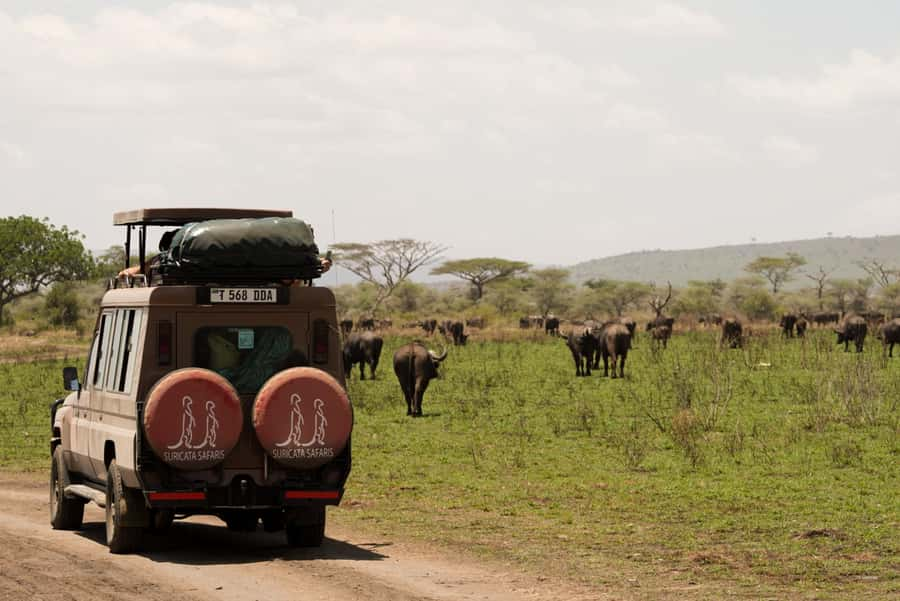
Review · OVERNIGHT & CAMPING SAFARIS
4 Days Tarangire, Serengeti, Ngorongoro Group Camping Safari
Tarangire’s elephant herds, Serengeti’s open plains, and Ngorongoro’s crowded wildlife viewing make this a strong short safari for first-time visitors to Tanzania. You get three major parks in four days, with camping, meals, park fees, water, and a guide included in the $1,150 price.
I especially like the small group limit of six and the early Serengeti game drive, when predators are more likely to be active. The food also deserves attention: a personal chef prepared three meals a day for one recent group, and guide Steve was praised for his friendly help. The main caution is the amount of time spent driving, plus one serious complaint about a poor vehicle, so ask about the 4×4 before paying.
Key points to know before booking
- Tarangire starts the safari with elephants and baobabs, a fine introduction to northern Tanzania’s wildlife.
- The Serengeti night is the most atmospheric part, with a remote camp and an early game drive the next morning.
- Ngorongoro Crater gives you a compact wildlife finale, with a chance to see many species, including the Big Five.
- A group of up to six keeps the vehicle social but not crowded, though the ride can still feel long on rough roads.
- Camping is part of the experience, not just a cheaper bed, so prepare for cool nights that can reach about 5°C.
- The $1,150 price includes major safari costs, but flights, visas, insurance, and any extras outside the stated package are yours to cover.
Why this four-day route works
This itinerary packs Tanzania’s most famous wildlife areas into a short circuit from Arusha. You see the dry-country character of Tarangire, the huge grasslands of the Serengeti, and the enclosed wildlife setting of Ngorongoro Crater.
That variety is the chief reason to choose it. You are not spending four days in one park hoping the scenery changes. Each stop has a different feel, and the route gives you a useful sample of northern Tanzania.
The tradeoff is pace. This is not a slow safari with long stays in one camp. You will cover substantial ground, especially on the transfer to the Serengeti and the return drive to Arusha. If you have only four days, that is a fair bargain. If you want long afternoons at camp or repeated game drives in one area, add more nights.
The package costs $1,150 per person. That is a meaningful sum, but it covers a 4×4 safari vehicle, an English-speaking guide, park entry fees, accommodation, meals, and mineral water. Those included costs matter in Tanzania, where park fees and transport can quickly make a self-planned trip expensive.
The group size is limited to six. That is small enough to make conversation easy and gives you a better chance of a clear view from the vehicle than a large coach would. It is still a shared safari, so you will need to accept other people’s preferred stops, camera angles, and meal habits.
More Overnight Safaris in Tanzania
- 4 Days Group Camping Safari
★ 5.0 · 1,101 reviews - 5 Days Group Camping Safari
★ 5.0 · 730 reviews - 3 Days Serengeti & Ngorongoro Group Camping Safari
★ 5.0 · 574 reviews
Day 1: Tarangire’s elephants and baobab country
Your first morning begins with pickup in Arusha. A company representative meets you at your hotel reception with a sign bearing your name, gives you a short introduction, and gets the group moving toward Tarangire National Park.
Tarangire is a good first stop because its wildlife is easy to appreciate even before you have learned the rhythms of safari viewing. The park is known for large elephant groups and its old baobab trees. Those trees give the scenery a distinctive shape, and they make even a quiet game drive feel recognizably East African.
The day includes a game drive after arrival, lunch in the park, and another drive in the afternoon. That split gives you two chances to see animals, while the midday meal breaks up the heat and road time.
Expect your first day to feel full. You leave Arusha early, drive to the park, spend hours watching wildlife, then continue to camp. It is a good idea to keep water, sun protection, and a warm layer within reach rather than buried in your bag.
The first campsite places you close to the outdoor side of the safari. You spend the night surrounded by Tarangire’s wild setting rather than returning to town. The appeal is the sound and atmosphere of sleeping near the park, but you should choose this trip only if you are comfortable with basic camping conditions.
Day 2: The long road to the Serengeti
After breakfast, you set out for Serengeti National Park. The drive is part of the safari rather than a dull gap between attractions. You will see changing Tanzanian scenery from the vehicle, although the distance means this is another demanding day.
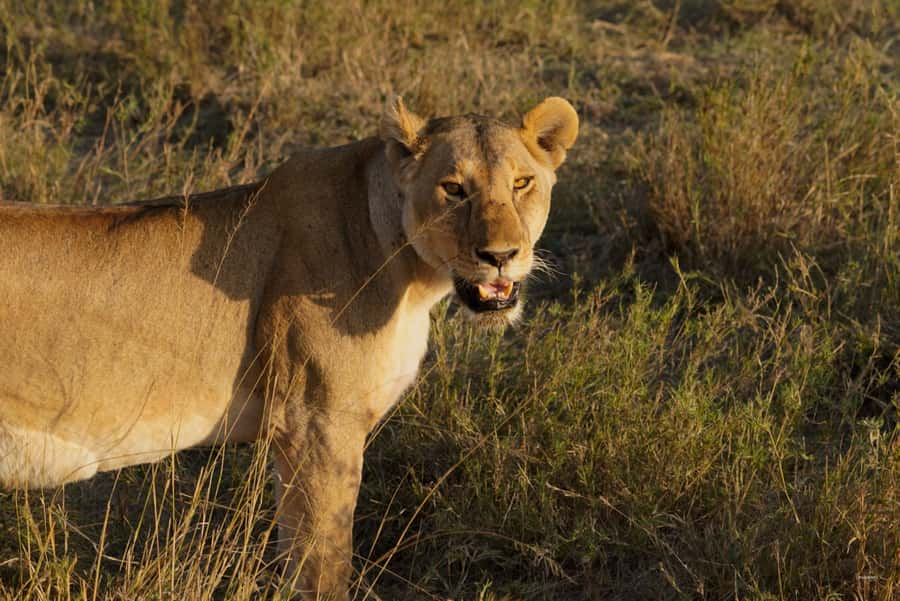
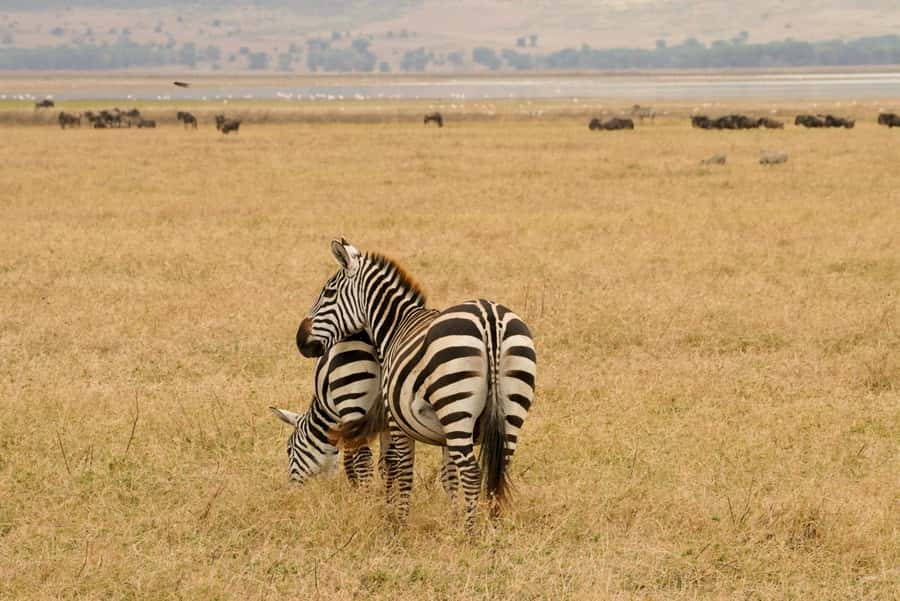
The Serengeti is the trip’s big-name destination, and for good reason. Its broad plains are associated with lions, cheetahs, zebras, and the Great Migration. The migration is seasonal, so you should not treat this four-day route as a guaranteed migration sighting. You will still be in one of Africa’s best-known wildlife areas, but animal locations change.
An afternoon game drive begins once you reach the park. This timing gives you a first look at the open plains and a chance to find wildlife before camp. Lions and cheetahs are possible highlights, while zebras and other grazing animals help you understand the scale of the ecosystem.
The Serengeti campsite is the emotional center of the trip. You spend the night in a remote setting, with the sounds of the African wilderness around you. That is far more memorable than a standard hotel room, but it also means you should bring the right clothing and accept that nighttime comfort may be limited.
A useful detail from the package is the luggage limit: 10 kilograms per person. Pack a soft duffel rather than a hard suitcase. Extra luggage can be left in your hotel’s storage room, so you do not need to force your entire holiday wardrobe into the safari vehicle.
Day 3: A sunrise drive, then the road to Ngorongoro
Day three starts early with a sunrise game drive in the Serengeti. This is one of the smartest choices in the schedule. The cooler early hours offer a better chance of seeing predators active on the plains, and the morning light gives the scenery a softer look.
You return to camp for lunch, then travel toward Ngorongoro Crater. The route passes through striking Tanzanian scenery, but the drive still takes time. Keep your expectations realistic: this is a transfer day with a game drive, not a full day spent entirely among animals.
Your overnight camp is near the crater. That location matters because the final morning begins with the descent into Ngorongoro rather than a long approach from farther away. The evening is otherwise free for resting at camp and preparing for an early start.
This is also the point when fatigue can catch up with you. You have already completed two long driving days, slept in camps, and spent hours watching wildlife from a vehicle. A warm layer, comfortable clothing, and patience will help more than an overpacked camera bag.
Same region, a very different drive:
- Serengeti Balloon Safari and authentic bush breakfast
★ 5.0 · 2,480 reviews - Balloon Safari & Bush Breakfast in Serengeti – Miracle Experience
★ 5.0 · 1,646 reviews - From Zanzibar: Mikumi Safari Day Trip with Flights and Meal
★ 4.7 · 1,470 reviews - From Zanzibar: Day Selous Game Reserve Safari with Flights
★ 4.7 · 1,025 reviews
Day 4: Ngorongoro Crater and the return to Arusha
The last day takes you down into Ngorongoro Crater for a game drive. The crater is a UNESCO World Heritage site, and its enclosed volcanic setting makes wildlife viewing feel concentrated compared with the wide Serengeti.
The area is home to abundant wildlife, including the Big Five. That does not mean every sighting is guaranteed, but the crater is a strong place to finish because the terrain brings many animals into a more compact area.
You spend the morning viewing wildlife, then climb back to the crater rim and drive to Arusha. The planned arrival is in the afternoon. You should avoid booking a tight onward connection that same day, since road conditions and game-viewing delays can affect timing.
The final drive also gives you a useful transition from wilderness back to town. After three nights of camping and long days outside, you will probably appreciate a proper shower and a quiet place to sort photos.
Camping, food, and the practical side
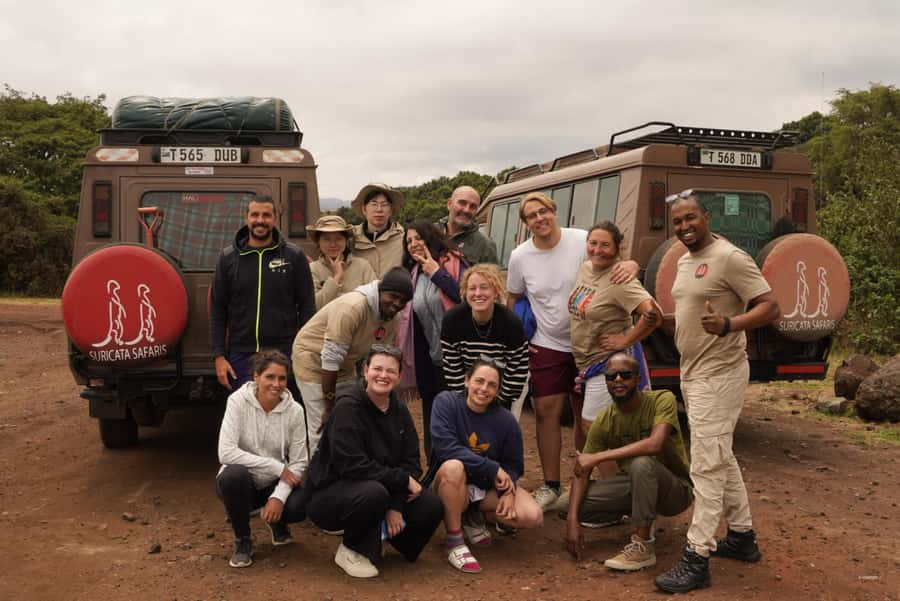
Camping is not an accessory on this safari. It shapes the mood of the trip. You sleep in remote places, spend evenings close to nature, and wake early for game drives. If you want a polished lodge holiday, this is the wrong format. If you like being outside and do not mind simple nights, the camping adds real character.
Meals are included during the safari. The strongest food feedback concerns a personal chef who prepared three meals a day, and that is important because regular meals make long drives much easier. The exact menu is not specified, so bring any personal snacks or dietary details you need to manage yourself.
Night temperatures can fall to around 5°C. Pack a warm sweater, socks, and a jacket even if Arusha feels hot when you leave. Neutral clothing such as beige, green, or white is recommended, both for comfort and because bright colors are discouraged.
Bring mosquito repellent with a high mint concentration, as specifically advised for this trip. Binoculars are also useful. The guide has one pair available to share in the vehicle, but your own pair means you do not have to wait for it.
The 10-kilogram luggage limit is worth taking seriously. A small duffel, light layers, and compact toiletries are better than a large rolling case. You can leave extra belongings in hotel storage, according to the provided arrangements.
Guides, vehicles, and group comfort
The safari includes an English-speaking guide, and guide quality can shape the entire experience. Steve is specifically associated with friendly service and strong wildlife support, while Anthony received praise for cheerful guiding and handling rough roads safely. You should confirm which guide is assigned to your departure, since names may vary.
A good guide does more than point out animals. You want someone who can help you read behavior, explain the setting, and make sensible choices about when to stop. The available feedback suggests that personal service and food have been major strengths on some departures.
The vehicle deserves more careful attention. One customer described the car as terrible, which is a serious warning even though other feedback praised safe driving over rough tracks. Before booking, ask what type of 4×4 will be used, how many people it carries, and whether the vehicle has a roof opening or other viewing arrangement.
Road conditions are part of the deal. You may spend hours on uneven routes, and the activity is not suitable for people with back problems. The small group limit helps, but it cannot turn rough park roads into smooth highways.
This safari is also not suitable for wheelchair users, babies under one year, or people over 95. Those restrictions are practical rather than cosmetic, given the vehicle rides, camping, and park conditions.
How much value do you get for $1,150?
The price makes the most sense if you want the major safari costs bundled together. Transport, guide service, park fees, water, meals, and accommodation are included, so you are not paying separately at every stage.
The route also covers three headline destinations in just four days. That is strong value for someone with limited time, especially if seeing Tarangire, Serengeti, and Ngorongoro matters more than having a slow schedule.
The price is less attractive if you prefer comfort or private travel. Camping is simpler than lodge accommodation, and the group format means you share the vehicle. You are paying for access, wildlife time, and logistics rather than luxury.
Be alert to how you book. One customer complained that an intermediary charged much more than the actual tour price. I would compare the final amount carefully, confirm the operating company, and ask what is included before making payment. The stated provider is Suricata Safaris Ltd.
International and domestic flights, visas, and travel insurance are not included. You also need to budget for anything not listed in the package. The option to reserve now and pay later, plus cancellation up to 24 hours in advance for a full refund, gives you some flexibility, but always check the final booking terms.
Who should choose this safari?
I would recommend this trip to you if you want a first taste of Tanzania’s best-known wildlife areas and can handle early starts, long drives, and camping. It suits people who value access and scenery over hotel comfort.
It is especially practical for a short Tanzania visit based in Arusha. You get elephants in Tarangire, open Serengeti country, and a crater game drive without planning several separate transfers yourself.
I would be more cautious if you have back trouble, need step-free access, dislike rough roads, or want guaranteed migration sightings. The Great Migration is mentioned as part of the Serengeti appeal, but wildlife movements depend on timing and location.
You should also think about the group dynamic. Six people is a sensible maximum, but it is not private. If you want complete control over departure times and wildlife stops, ask about a private upgrade before booking.
Should you book it?
Book this four-day safari if your priority is seeing three major northern Tanzania parks in a tight schedule, with meals, park fees, transport, and camping handled in one package. The strongest parts are the varied route, the small group size, the sunrise Serengeti drive, and the chance to sleep in remote camps.
Before you commit, confirm the vehicle, the guide, the exact camping arrangements, and the final price through the operating company. Pack light, bring warm clothes, and accept that the road time will be substantial.
For an active first safari, the balance is good. For a comfort-first holiday, add more time and choose lodges instead.
FAQ
Where does the safari start and finish?
The safari starts in Arusha and returns to Arusha on the afternoon of day four.
Which parks and wildlife areas are included?
The route includes Tarangire National Park, Serengeti National Park, and Ngorongoro Crater.
How many people are in the group?
The group is limited to six participants.
What is included in the $1,150 price?
The package includes 4×4 safari transport, an English-speaking guide, park entrance fees, mineral water, accommodation, and meals during the safari.
Are flights, visas, and insurance included?
No. International and domestic flights, visas, and travel insurance are not included.
How much luggage can I bring?
The stated luggage limit is 10 kilograms per person. Duffel bags are recommended, and extra luggage can be stored at the hotel.
What should I pack for the camping safari?
Bring neutral-colored clothing, a warm sweater, socks, a jacket, mosquito repellent with a high mint concentration, and binoculars if you have them. Night temperatures can fall to around 5°C.
More four-day safaris in Tanzania
- 4-Day Safari from Arusha: Tarangire, Serengeti and Ngorongoro
★ 5.0 · 173 reviews - 4 Days safari Tour Tanzania
★ 5.0 · 159 reviews - 4 Days Tarangire, Serengeti and Ngorongoro Mid-Range Group Safari
★ 5.0 · 84 reviews - 4 Days Tanzania Lodge Safari With Two Nights at Serengeti
★ 5.0 · 62 reviews
Newest safaris around Tanzania
- Dar Es Salaam: Day Trip Safari to Mikumi National Park by Train★ 4.5 · 15 reviews
- Short Safari from Dar es Salaam to Mikumi National Park – 2 Days★ 5.0 · 10 reviews
- 5-Day Mikumi & Ruaha Tanzania Wildlife Lodge Safari★ 5.0 · 10 reviews
- 1 Day Safari to Mikumi National Park★ 5.0 · 20 reviews
- 5 Days Safari to Selous & Mikumi★ 5.0 · 15 reviews
- 8 Days Safari to Mikumi, Ruaha & Udzungwa Mountains★ 5.0 · 14 reviews
- 6 Days Safari to Udzungwa Mountain NP, Ruaha NP and Mikumi NP★ 5.0 · 10 reviews
- 3 Days Unique safari Selous Game Reserve Tanzania★ 5.0 · 12 reviews
Overnight & Camping Safaris, side by side.
Overnight Safari, Dinner, Stargazing & Al Khayma Camp
Read our review →
Dubai Overnight Desert Safari, BBQ & Stargazing at Al Khayma Camp
Read our review →
Desert Safari with Camp, Dinner, & Optional Overnight
Read our review →
3 Days Serengeti & Ngorongoro Group Camping Safari
Read our review →Lists this safari turns up in