
Review · 6-DAY EXPERIENCES
6 days Tanzania budget safari
The best feature of this safari is its sweep. In six days, you move from the elephant country of Tarangire to the wide grasslands of Serengeti, then into Ngorongoro Crater and on to bird-filled Lake Manyara. You get a real taste of northern Tanzania rather than spending the whole trip in one park.
I like the six-person jeep limit, which gives you room to look, photograph, and ask questions without feeling packed in. I also like the simple camping plan: equipment, park fees, and all meals are included, so you can focus on the animals instead of arranging every small detail. The main consideration is pace. This is an active safari with several 8 to 12-hour days, long drives, early starts, and basic campsites.
Six useful things to know before booking
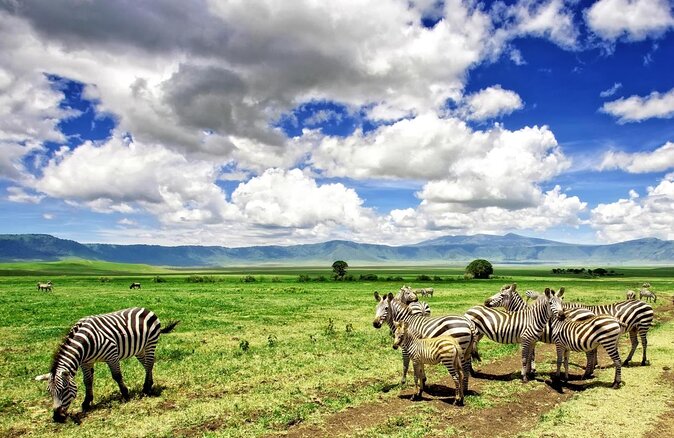
- Four major parks in six days: Tarangire, Serengeti, Ngorongoro, and Lake Manyara each offer a different setting and animal mix.
- No more than six people per jeep: This is a practical group size for a budget safari and helps preserve a good view from the vehicle.
- Camping equipment is included: You get the adventure of sleeping in the wild without bringing a full camp setup.
- The Serengeti receives the most time: You have an afternoon and sunset drive on day two, a full day on day three, and another game drive while leaving on day four.
- The guide matters greatly: Estommy, Elias, Ernest, Oscar, Isack, and Freddy are among the guides praised for animal spotting, driving, and care with the group.
- The Maasai village visit costs extra: The optional cultural stop has a separate $20 entrance fee.
Why this six-day route works
At $2,500 per person, this safari is not a bare-bones day trip. It includes camping equipment, all fees and taxes, breakfast, lunch, and dinner for the six-day program, plus transport between several of Tanzania’s most famous parks. For a first safari, that broad coverage gives you a lot for your money.
The route also has a sensible animal-watching rhythm. Tarangire provides a strong opening day, Serengeti gets the greatest share of time, Ngorongoro offers concentrated wildlife viewing, and Lake Manyara gives you a final day of birds, hippos, monkeys, and possible tree-climbing lions.
The tradeoff is comfort. This is a budget camping safari, not a lodge circuit. You should expect long hours in the jeep and camp nights rather than polished hotel rooms every evening. If your priority is seeing as much of northern Tanzania as possible, the price makes sense. If you want quiet afternoons, private rooms, and short transfers, look for a slower and more expensive plan.
The maximum of six people per jeep is especially important. A full-size vehicle can become tiring when everyone is competing for a view or trying to take pictures. Six gives the group a better chance to spread out, though the exact seating arrangement still matters.
More six-day safaris in Arusha:
- 6 Days Private Budget Safari
★ 5.0 · 163 reviews - 6 Days Tanzania Budget Camping Safari
★ 5.0 · 145 reviews - 6 Day Tanzania Wildlife Mid range Safari
★ 5.0 · 54 reviews
Day one: Tarangire’s elephants and open country
The first day takes you from Arusha to Tarangire National Park for a full game drive. The listed schedule allows about nine hours, so this is a substantial first day rather than a brief park visit.
Tarangire is a good place to begin because the wildlife viewing starts at once. You may see elephants, wildebeest, buffalo, zebras, and gazelles, along with the predators that follow them. Lions, cheetahs, and leopards are possible, but no safari can promise a sighting of any particular animal.
I like the way this first day sets the tone. You are not spending your opening morning merely checking into a camp. You reach a major park and spend the day looking for wildlife in its natural setting.
The drawback is fatigue. After travel from Arusha and a full day on rough park roads, you may be ready for an early night. Pack water, sun protection, and anything that helps you stay comfortable in a vehicle for hours.
Day two: The Ngorongoro viewpoint and the road to Serengeti
Day two begins with a stop at the Ngorongoro viewpoint. You get about 30 minutes for the crater view, which is short but worthwhile. From above, the crater appears almost unreal, and this is one of the trip’s strongest scene-setting moments.
You then have the option of visiting a Maasai village for about 45 minutes. The separate entrance fee is $20. This is not included in the tour cost, so decide in advance if the cultural visit interests you.
The description focuses on traditional Maasai practices, including warrior traditions and older hunting customs. You should approach the stop as a brief introduction to Maasai culture, not as a full cultural study. The time is limited, and the extra fee is worth factoring into your budget.
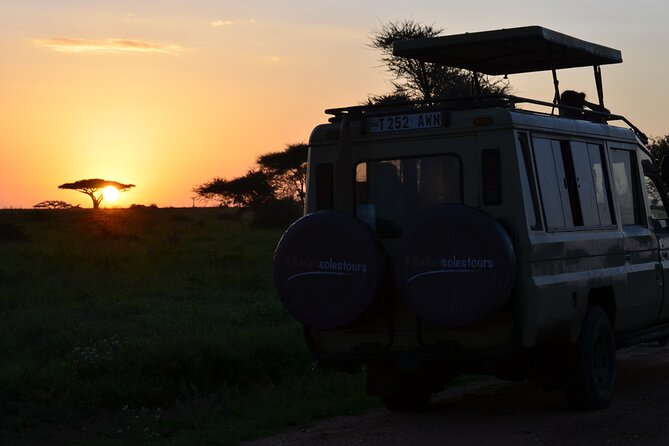
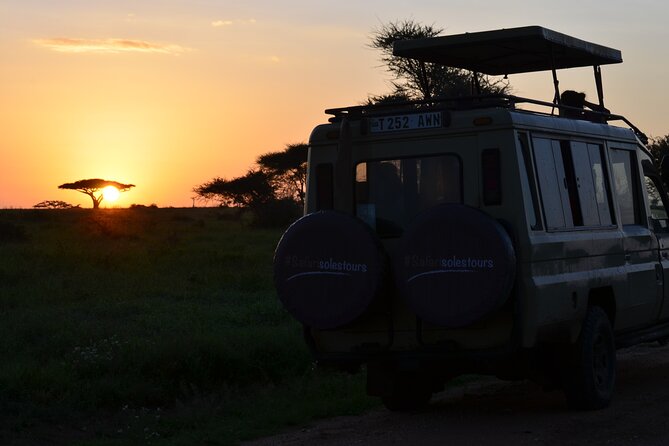
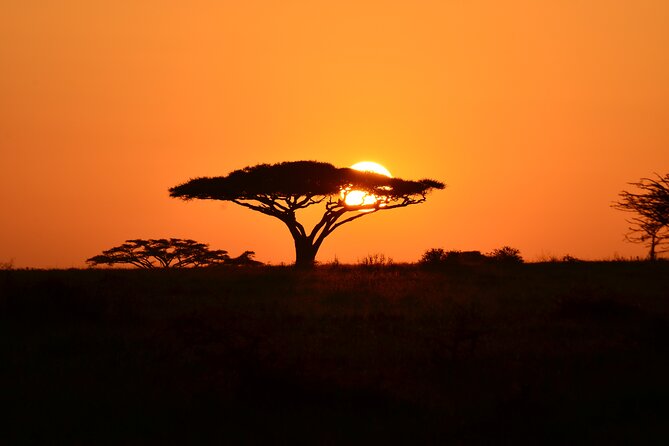
After that, you continue toward Serengeti. The afternoon and evening are devoted to a game drive around Seronera, the central part of the park. This is one of the best timed portions of the route because you get a chance to watch the light change and see the Serengeti sunset.
The day is scheduled for about 10 hours. That tells you something important: the park transfers are part of the safari, not separate from it. The payoff is reaching Seronera for an evening drive, with a chance of seeing predators, a hunt, or animals gathered near the road.
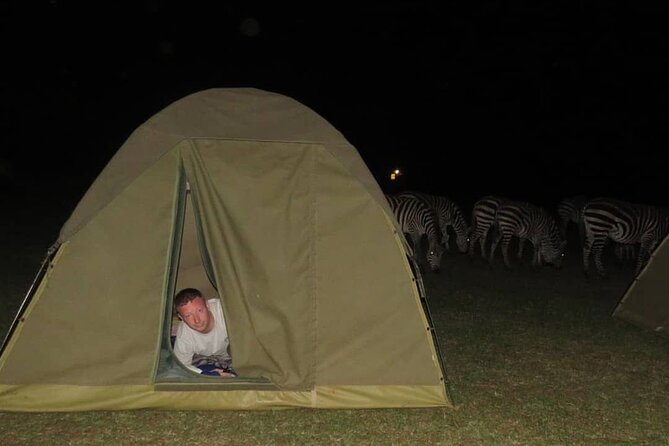
You spend the night at Seronera campsite. Animals, including hyenas, may be visible around camp. Active rangers provide protection, but you still need to follow camp rules closely. Do not wander alone after dark or treat a campsite in a national park like a regular campground.
Day three: A full day in central Serengeti
Day three is the heart of the safari. You leave Seronera for a full-day game drive, going farther into the park according to animal movement. The schedule allows about 12 hours, making this the longest wildlife day of the trip.
This is where a good guide can change the quality of the day. Guides such as Estommy, Elias, Ernest, Oscar, Isack, and Freddy are praised for finding animals, explaining the ecosystem, and staying attentive to the group. A guide who listens to what you hope to see can help balance famous animals with smaller but equally interesting sightings.
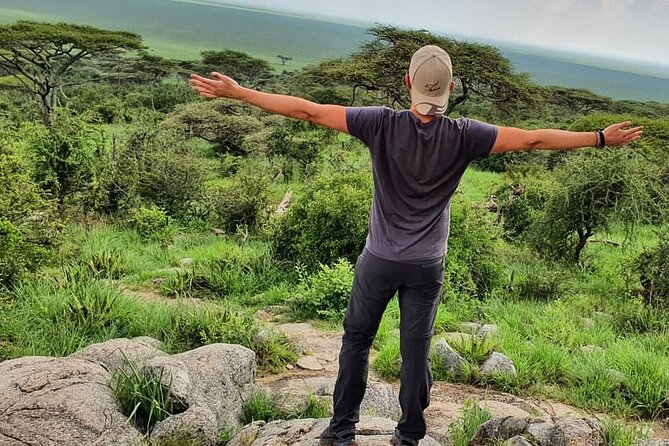
Central Serengeti is the place to be patient. You might spend time watching a pride of lions, scanning for a leopard, or following a group of herbivores before anything dramatic happens. The full day gives you more chances than a quick drive through the park.
The long hours can also be the hardest part. If you need regular breaks, discuss that with the guide. The schedule is built around wildlife movement, so the day may feel wonderfully full or physically demanding, depending on your tolerance for time in the jeep.
The strongest feature here is time. A single afternoon can produce a memorable sighting, but a full day gives you more chances to see behavior, not just animals parked beside the road.
A few more safaris around Arusha worth a look
- Balloon Safari & Bush Breakfast in Serengeti – Miracle Experience
★ 5.0 · 1,646 reviews - 4 Days Group Camping Safari
★ 5.0 · 1,101 reviews - 5 Days Group Camping Safari
★ 5.0 · 730 reviews - 3 Days Serengeti & Ngorongoro Group Camping Safari
★ 5.0 · 574 reviews
Day four: An early drive and the Serengeti exit
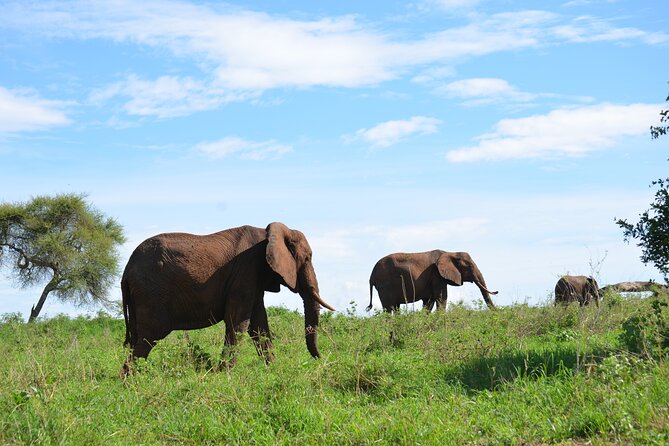
Day four starts with an early breakfast and an early game drive. This is a smart choice for wildlife watching because animals are often active early in the day. You continue viewing animals until the afternoon, return to camp for lunch, then drive out of Serengeti toward Simba campsite.
The entire day is planned for about 10 hours. It combines another chance to see wildlife with the practical need to make progress toward Ngorongoro.
Leaving the Serengeti does not mean the wildlife suddenly ends. Animals may still appear near campsites and along the route. That can make the transfer feel like part of the safari rather than a dull trip between destinations.
You should expect this day to feel transitional. It does not offer the same uninterrupted game-drive time as day three, but it keeps the itinerary moving without giving up the morning viewing period.
Day five: Down into Ngorongoro Crater
Day five brings you back to the Ngorongoro area for a crater game drive. After breakfast, you descend into the crater and search for black rhinos, which are among the most difficult animals to spot in the area.
The crater’s enclosed setting makes wildlife viewing feel concentrated. Many animals are easier to find on the crater floor than across a huge open park, although the rhinos remain a challenge. You may see a range of other wildlife during the drive, but the guide cannot control animal movement or guarantee a sighting.
After lunch, you continue with another game drive before ascending to camp and then heading to Sunbright campsite to relax. The day allows about eight hours, shorter than the central Serengeti day but still busy.
I like this part of the route because it gives you a second major viewing style. Serengeti asks you to scan broad open spaces. Ngorongoro gives you a more compact setting, with the crater walls creating a dramatic frame around the animals.
The practical issue is the early start and the change in elevation. You will be moving from camp into the crater, then back out again, so this is another day when simple luggage and good organization help.
Day six: Lake Manyara’s birds, hippos, and lions
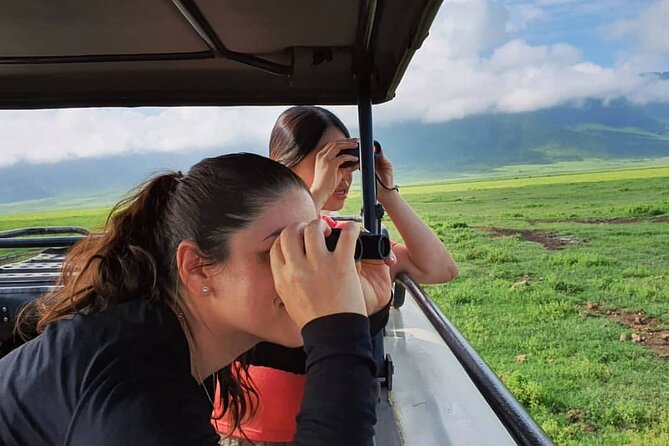
The final day takes you to Lake Manyara National Park for about eight hours. The park is especially known for birdlife, including flamingos on the lake. You may also visit the hippo pool for a closer look at hippos and see hot springs during the game drive.
This is a varied closing day. Along with birds and hippos, you may spot buffalo, wildebeest, warthogs, vultures, eagles, and monkeys. Tree-climbing lions are another possibility, though their presence is never guaranteed.
Lake Manyara is a good final stop because it changes the focus. The Serengeti portion centers on large mammals and predators. Manyara brings more attention to birds, wetland life, and smaller animals.
The main limitation is time. After five days of driving, camping, and early starts, you may feel tired. Still, an eight-hour final game drive is a substantial finish, not a token stop.
Camping, meals, and daily comfort
The tour includes camping equipment, so you do not need to arrange the full setup yourself. That makes this a useful choice if you want a wild camping experience but do not want to purchase or transport specialized gear.
All breakfasts, lunches, and dinners are included. The cooks receive some of the strongest praise associated with the trip, with Ibrahim handling the first two days for one group and Dennis preparing meals afterward. Other praised cooks include Action, who is described as producing meals that feel more like restaurant food.
Food quality matters on a safari. You may spend 8 to 12 hours outside, so reliable meals help keep the days manageable. Still, ask the operator about dietary needs before booking, since the supplied information does not specify special-diet arrangements.
Camping also changes the mood of the trip. Seeing hyenas near Seronera camp can be thrilling, but it means you need to respect ranger instructions and camp boundaries. This is an adventurous setup, not a hotel with a wildlife view.
Guides, drivers, and the human side of the safari
The guide may be the single biggest factor in how this safari feels. The strongest praise centers on guides who combine careful driving, animal-spotting skill, local knowledge, and patience.
Estommy is repeatedly praised for working hard to find the Big Five and for explaining the Serengeti ecosystem. Elias is described as attentive to group needs and skilled at locating animals. Ernest receives praise for showing the highlights of Tarangire, Serengeti, and Ngorongoro.
Oscar and cook Action are also associated with a strong group safari, while Isack is praised for his friendly manner and effort to find lions, cubs, leopards, elephants, and hippos. Freddy is credited with helping one group see all of the Big Five in fewer than four days.
Those details should not create a false promise. Wildlife is unpredictable, and a guide cannot guarantee the Big Five. They do show why the company’s guide assignment matters and why you should share your priorities early.
Who should book this safari
I would choose this trip if you want a first look at northern Tanzania, prefer a group safari to a private vehicle, and care more about park time than luxury. It suits active couples, friends, and families who can handle long days and basic camping.
It is also a good fit if you want to keep planning simple. Pickup is offered, mobile tickets are available, and the package covers equipment, meals, taxes, and park fees listed in the program.
I would hesitate if you need guaranteed hotel rooms, a slow pace, or short drives. The schedule is full, and some days run for 10 or 12 hours. You should also budget for tips and the optional $20 Maasai village entrance.
Free cancellation is available when you cancel at least 24 hours before the start time. Poor weather or failure to reach the minimum number of participants can lead to a different date, another experience, or a full refund.
Should you book the six-day Tanzania safari?
Book it if you want broad coverage, strong wildlife opportunities, and a practical camping format with no more than six people in the jeep. The best parts are the full day in Serengeti, the sunset drive at Seronera, the concentrated Ngorongoro viewing, and the chance to finish with Lake Manyara’s birds and hippos.
Before paying, confirm the exact pickup point, sleeping arrangements, meal plan for your dates, and whether a Maasai village visit is available. Also be honest with yourself about the long drives. If you can handle the pace, $2,500 buys a serious introduction to Tanzania’s best-known parks, with enough time in the Serengeti to make the safari feel like more than a quick sampler.
FAQ
How long is the safari?
The safari lasts approximately six days.
Where does the safari begin?
The tour is based in Arusha, Tanzania, and pickup is offered.
Which parks are included?
The route includes Tarangire National Park, Serengeti National Park, Ngorongoro Crater, and Lake Manyara National Park.
How many people can share one jeep?
The maximum number of travelers is six.
Is camping equipment included?
Yes. Camping equipment is included in the tour.
Are meals included?
Yes. Breakfast, lunch, and dinner are included for the six-day program.
Is the Maasai village visit included in the price?
No. The visit is optional and has a separate $20 entrance fee.
What is included in the $2,500 price?
The listed price includes camping equipment, all fees and taxes, and breakfast, lunch, and dinner. Tips are not included.
Newest safaris around Arusha
- 7 days great migration safari★ 5.0 · 77 reviews
- 4 days safari★ 5.0 · 34 reviews
- Amazing 4 Days Tanzania Budget Camping Group Joining Safari★ 5.0 · 15 reviews
- 5 days safari, hiking & culture (Serengeti & kilimanjaro)★ 5.0 · 27 reviews
- Best 5 Days Tanzania Private Luxury Safari with luxury Lodges★ 5.0 · 12 reviews
- Serengeti & Ngorongoro fly in safari★ 5.0 · 76 reviews
- 8 Days 7 Nights Tanzania Wildlife & Culture Lodge Safari★ 5.0 · 17 reviews
- 2 Day Budget Safari in Tarangire and Ngorongoro From Arusha★ 5.0 · 10 reviews
6-Day Experiences, side by side.
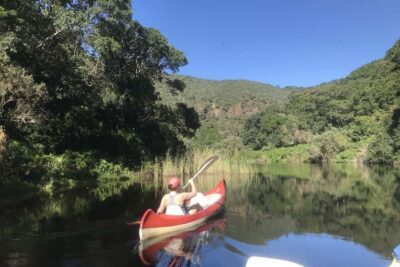
Garden Route and Addo Elephant Park 6-Day Safari
Read our review →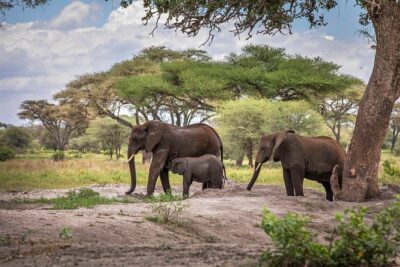
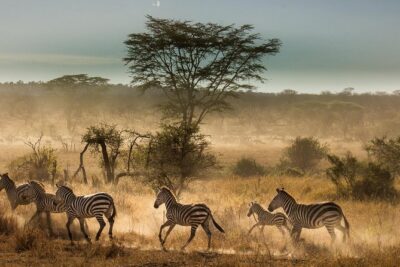
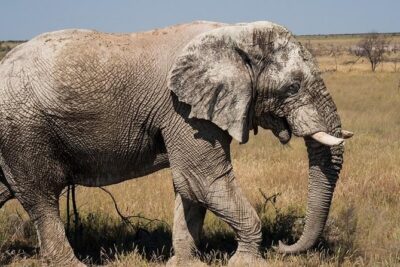
6-Day Dunes and Wildlife Accommodated Safari from Windhoek
Read our review →
African Wildlife & Nature – 5 Kenya national parks – 6 day Jeep Safari
Read our review →
6 Days Serengeti Safari(hiking waterfalls &coffee tour)
Read our review →
Private 6-Day Great Migration Ndutu Serengeti Safari Tour
Read our review →Lists this safari turns up in