Review · OVERNIGHT & CAMPING SAFARIS
6 Days Tanzania Budget Camping Safari
The big draw here is the route: Tarangire, Serengeti, Ngorongoro Crater, and Lake Manyara in six days. You get elephants and baobabs, open Serengeti plains, crater wildlife, flamingos, tree-climbing lions, and a useful glimpse of everyday life in Mto wa Mbu.
I like the small maximum group of six, which gives you a better chance to ask questions and adjust the pace during game drives. I also like the practical extras: hotel pickup, meals, unlimited bottled water, Wi-Fi in the safari vehicle, and emergency rescue cover.
The main tradeoff is time. This is a busy circuit with several long drives, early breakfasts, and extended hours in the vehicle. You’ll see a lot, but you won’t get a slow, leisurely safari.
Key points to know before booking
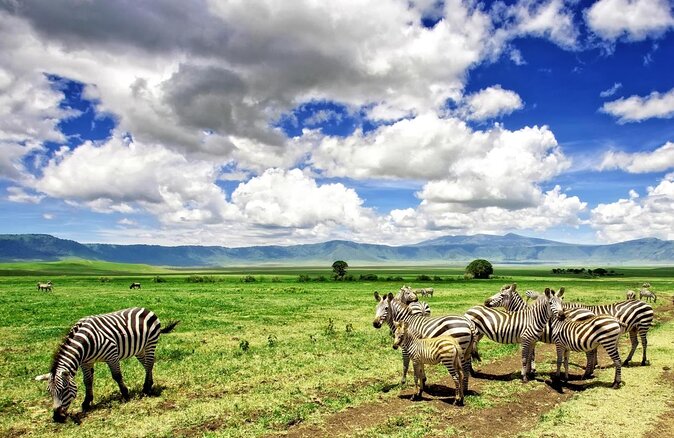
- Four major wildlife areas in six days: Tarangire, Serengeti, Ngorongoro Crater, and Lake Manyara form a classic northern Tanzania route.
- The Serengeti gets two substantial visits: One en-route drive and evening outing, followed by a full game-drive day.
- Camping is part of the bargain: Expect simple safari accommodation rather than a luxury lodge stay, though some departures may use a mix of lodges and tents.
- The migration is seasonal: June through September is presented as the strongest period for movement and possible Mara River crossings, while calving is most likely from January through March.
- A real cultural stop is included: Mto wa Mbu brings local food, banana plantations, village walking, and community projects into an otherwise wildlife-heavy itinerary.
- Guide quality matters: Past departures have included guides such as Nuru, Robert, Mohamed, and Florian, with particular praise for animal spotting and flexible photo stops.
Four parks, one busy northern Tanzania circuit
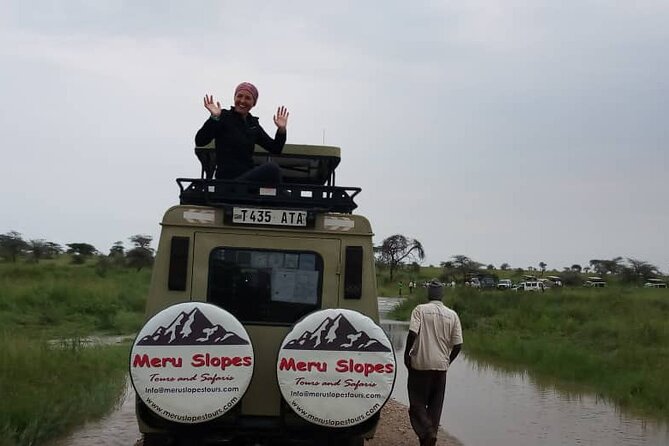
At $1,600 per person, this six-day safari sits in the budget camping range, not the luxury category. The price includes transport from Arusha, a professional driver-guide, meals, accommodation, park visits, coffee and tea, unlimited mineral water, Wi-Fi in the safari jeep, and AMREF Flying Doctors emergency rescue cover.
That bundle matters. Park fees, food, fuel, vehicle costs, and guide services can add up quickly in Tanzania. You are paying for a working safari operation that moves you through a large area, not simply for a few hours in a game-viewing vehicle.
The route also makes good use of your time. Tarangire opens the trip with elephants and baobabs. The Serengeti receives the most attention, followed by the Ngorongoro Crater and Lake Manyara. You finish with a village and Maasai cultural component rather than spending every hour looking for animals.
The budget label still matters. Camping can mean basic facilities and less privacy than a lodge. The schedule may also involve packing luggage each morning, eating lunch in or near the vehicle, and spending many hours on rough park roads. I would choose this trip for access and coverage, not for pampering.
More Overnight Safaris in Arusha
- 4 Days Group Camping Safari
★ 5.0 · 1,101 reviews - 5 Days Group Camping Safari
★ 5.0 · 730 reviews - 3 Days Serengeti & Ngorongoro Group Camping Safari
★ 5.0 · 574 reviews
Day 1: Tarangire’s elephants and baobab country
Pickup from an Arusha hotel is scheduled for about 8 a.m. The drive to Tarangire takes roughly three hours, followed by a full-day game drive. Tarangire covers about 2,800 square kilometers and takes its name from the Tarangire River, a key water source for wildlife.
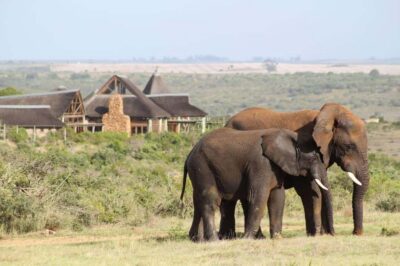
This is an excellent first park because it offers a clear introduction to northern Tanzania’s wildlife. Large elephant groups are a major attraction, and the baobab trees give the park a look you will not get in the Serengeti. Lions, leopards, pythons, and other animals are also possible.
The reference to pythons climbing trees is not a throwaway detail. Tarangire is known for unusual sightings, and a good guide will keep scanning rather than simply stopping at the first group of zebras. Guides assigned on different departures have included Robert, Nuru, Mohamed, and Florian, so the exact person will vary. Ask your guide early about your priorities, such as elephants, big cats, birds, or photography.
After the drive, you head to Jambo Lodge for dinner and the night. The first day is long, but it gives you a full park visit instead of a short introductory loop.
Day 2: The long road into the Serengeti
Day two starts with breakfast, luggage loading, and an en-route game drive toward the Serengeti. Lunch is carried in the safari vehicle, and the route includes views toward the Rift Valley and Ngorongoro Crater before reaching central Serengeti around midafternoon.
This is one of the less relaxed days. The distance is part of the experience, but you should expect a lot of road time. The reward is the change in scenery as Tarangire’s wooded areas give way to the open plains associated with the Serengeti.
An evening game drive in central Serengeti brings sunset views and a first chance to see the park’s predators. The night is scheduled at Seronera campsite inside the Serengeti. Being in the park keeps you close to the next morning’s wildlife viewing, which is more useful than spending the night far outside the gates.
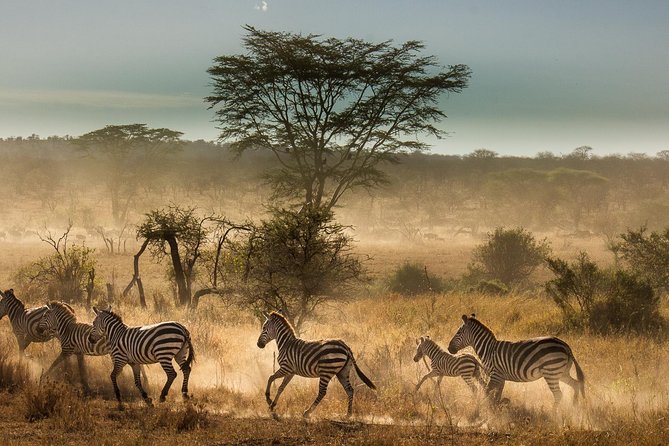
The Serengeti is famous for its endless grasslands and the annual movement of roughly 1.5 million wildebeest and other grazing animals. That does not mean you will see a river crossing on demand. Animal movements shift from year to year, and your guide can only work with the conditions of the season.
Day 3: A full day among Serengeti wildlife
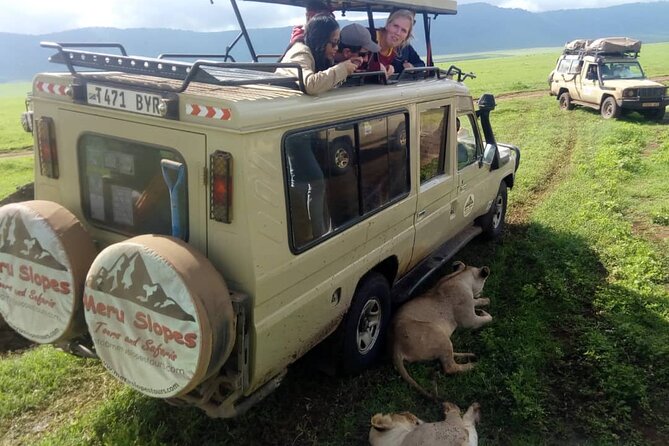
You rise early, eat breakfast, and spend the day on game drives in the Serengeti. The schedule gives your guide time to work several areas instead of rushing through one short circuit.
This is probably the strongest wildlife day of the trip. A full day increases your chances of seeing different habitats and animal behavior, from grazing herds to predators resting or hunting. Past departures have included sightings of the Big Five, cheetahs, leopards, and rhinos, though wildlife is never guaranteed.
The migration information deserves a careful reading. June through September is described as the best general window for seeing major movement, with July through September offering a chance of heading toward northern Serengeti and the Mara River. Calving is most likely from January through March. These are useful planning guidelines, not promises.
If migration is your main reason for booking, ask the operator where the animals are expected to be at your dates. A six-day route cannot cover every part of the Serengeti, and time spent driving north can reduce time elsewhere. If your priority is a broad first safari, the central route is more balanced.
More Overnight Safaris in Tanzania
- 2 Days Tarangire and Ngorongoro Group Camping Safari
★ 5.0 · 146 reviews - 3 Day Serengeti National Park & Ngorongoro Crater Camping Safari
★ 5.0 · 142 reviews - Multi-Day Tanzania Odssey Safari from Arusha
★ 5.0 · 120 reviews - 3 Days Tarangire, Ngorongoro & Lake Manyara Group Camping Safari
★ 5.0 · 102 reviews
Day 4: Sunrise, another game drive, and Ngorongoro high country
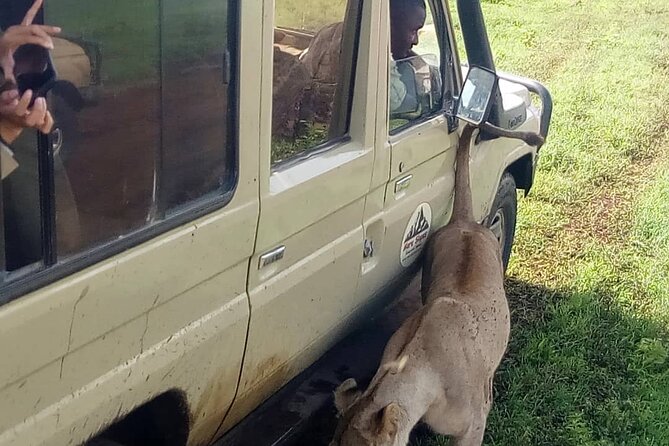
Day four begins around 5:45 a.m. with an early breakfast and sunrise inside the Serengeti. You continue with a morning game drive until about 11:30 a.m., return for a hot lunch, pack the vehicle, and continue toward Ngorongoro.
This early start is worth accepting. Cool morning hours often make game viewing more active, and the light is better for photographs. It is also the point in the trip when tiredness can catch up with you, especially after two consecutive days of long drives and camping.
The route combines more Serengeti viewing with a transfer to Simba campsite near Ngorongoro. That balance is sensible, since you are not giving up the entire day simply to move between parks.
The night near the crater prepares you for the next morning’s descent. Pack what you need where you can reach it, since the schedule involves an early breakfast and another full day out.
Day 5: The Ngorongoro Crater and Mto wa Mbu
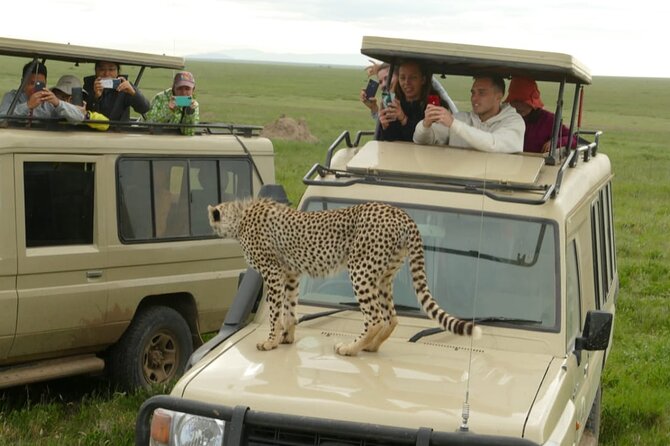
Breakfast is planned for about 5:30 a.m., followed by a descent into Ngorongoro Crater. The crater floor is known for high concentrations of wildlife, and the itinerary specifically highlights chances to see the Big Five, black rhino, many bird species, and flamingos.
You spend about six to seven hours on the crater floor, with lunch while viewing the natural surroundings. The crater is a strong contrast to the Serengeti. Instead of following animals across huge open plains, you are in a contained area where wildlife can be easier to find.
That does not make the outing effortless. The descent and ascent add driving time, and the crater can feel busy at popular viewing points. Still, the combination of rhino possibilities, large mammals, birds, and water sources makes this one of the most worthwhile parts of the route.
Later, the program includes a walking tour in Mto wa Mbu. This is a welcome change from the vehicle. You can see banana plantations, taste Tanzanian food, and learn about local life through village activities and community projects.
I particularly like this addition because it gives you a human setting rather than treating Tanzania as a series of wildlife backdrops. Keep an open mind about the pace and format. The village portion is brief, listed at about one hour, so it is an introduction rather than a full cultural study.
Dinner and the night are scheduled at Jambo Lodge. The provided schedule has some wording overlap between the Ngorongoro, Mto wa Mbu, and Lake Manyara days, and accommodation can vary by departure. Confirm the exact overnight locations before you pay if the camping-to-lodge balance matters to you.
Day 6: Lake Manyara, flamingos, and the return to Arusha
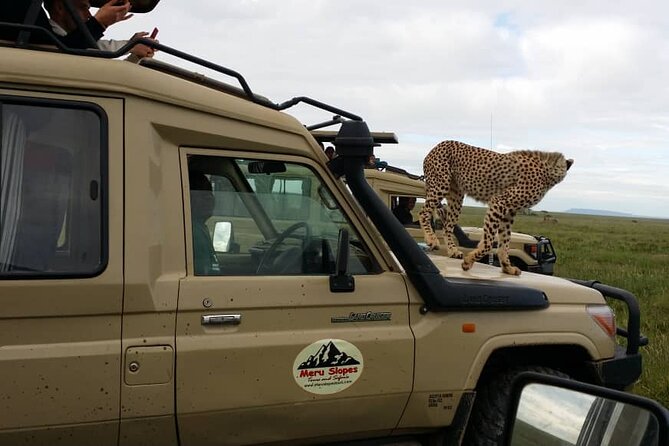
After breakfast, you head to Lake Manyara National Park for a full-day game drive. The park is associated with flamingos attracted by algae in the lake, tree-climbing lions, varied birdlife, and a hot spring.
Lake Manyara gives the final day a different feel. The lake and forest areas contrast with the wide Serengeti plains and the crater floor. Tree-climbing lions are never a sure thing, but the park gives you a chance to look for them along with birds and other wildlife.
The program also includes a Maasai boma visit, where you can learn about local traditions and daily life. This is another cultural element, though the precise timing may depend on the day’s driving and game-viewing schedule.
After the park, you drive back to Arusha. The stated end point is the original meeting point at Arusha Tourist Inn, though hotel drop-off is included. Since this is a full park day followed by a return drive, do not schedule a tight onward flight without checking the exact finish time.
What camping and meals are likely to feel like
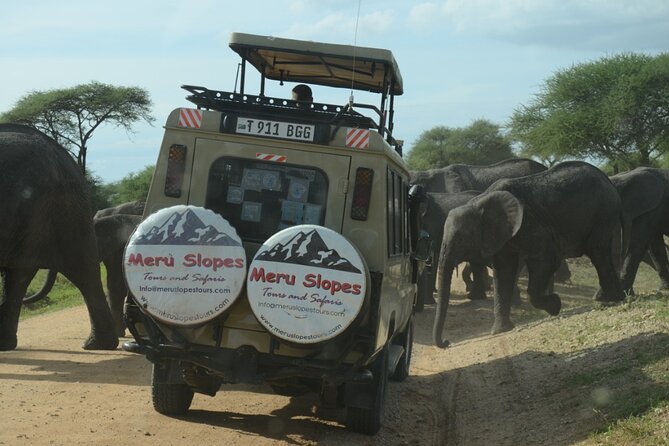
The trip supplies six nights of accommodation and lists breakfast, lunch, and dinner throughout the safari. It also includes two nights of hotel accommodation in Arusha town, though the day-by-day plan names Jambo Lodge, Seronera campsite, and Simba campsite. Some departures described by past participants used a mixture of lodge rooms and tents.
That variation is important. Ask exactly how many nights will be in tents, whether tents are already set up, and what facilities are available. The word budget tells you to expect practical rather than polished accommodation.
Meals are a strong convenience on a route like this. You do not need to search for restaurants after long drives, and coffee or tea is included. Alcoholic drinks cost extra, and flights are not included.
Unlimited mineral water is especially useful in the heat and during long vehicle days. Wi-Fi is listed inside the safari vehicle, but I would treat it as a helpful extra rather than the main reason to choose the trip.
Guides, group size, and the human side of the safari
The vehicle holds a maximum of six participants, which is a good size for a budget safari. You get more room than on a large coach, and it is easier to share sighting requests with the guide.
The guide can make or break a safari. Names associated with different departures include Nuru, Robert, Mohamed, Florian, and others. Nuru has been singled out for his friendly manner and animal-spotting skills, while Mohamed has been praised for keeping in touch with other drivers about wildlife activity. Florian has also been noted for finding animals and stopping for photographs.
You cannot assume you will receive a particular guide unless the operator confirms it. What you can do is tell the company what matters to you: wildlife identification, photography, migration tracking, quiet viewing, or cultural context.
The best guides do more than point at animals. They explain behavior, judge how long to stay, and know when a long wait is worthwhile. The supplied accounts place strong emphasis on the crew, including chefs and booking staff, so it is reasonable to expect a team-based operation rather than a guide working alone.
Who will get the most from this safari
I would recommend this trip to you if you want a broad first look at Tanzania and value the number of parks over luxury. It suits people who can handle early starts, long drives, simple accommodation, and a schedule that keeps moving.
It is also a good fit if you want more than wildlife. The Mto wa Mbu food and village visit, plus the Maasai boma stop, add local contact to the park circuit.
I would think twice if you need private rooms, short transfer days, a fixed luxury standard, or a very focused migration itinerary. For a Mara River crossing, you need the right season, the right location, and luck. This trip offers a possibility, not a guarantee.
The free cancellation rule is useful: cancellation at least 24 hours before the start time qualifies for a full refund. Poor weather may lead to a different date or a full refund. Changes made inside 24 hours are not accepted, and the experience requires suitable weather.
Should you book the six-day safari?
Book it if your priority is maximum northern Tanzania coverage at a budget price. Four major wildlife areas, included meals, park transport, emergency rescue cover, and a small group make $1,600 a solid value for an active safari.
Before booking, confirm the exact accommodation mix, the assigned guide, the pickup and drop-off plan, and where the migration is expected during your dates. If you accept camping and long road days, this is a lively, wildlife-heavy introduction to Tanzania. If you want slow mornings and polished lodges, choose a longer or more comfortable safari instead.
FAQ
Where does the safari start?
The listed starting point is Arusha Tourist Inn on Sokoine Road in Arusha, Tanzania. Pickup from your accommodation is also available.
Where does the safari end?
The activity ends back at the meeting point in Arusha. Hotel drop-off is included.
How long is the experience?
The safari lasts approximately six days and includes six nights of accommodation.
Which national parks and areas are included?
The route includes Tarangire National Park, Serengeti National Park, the Ngorongoro Conservation Area and Crater, and Lake Manyara National Park.
Is accommodation included?
Yes. Six nights of accommodation are included. The plan names Jambo Lodge, Seronera campsite, and Simba campsite, and it also includes two nights of hotel accommodation in Arusha town.
Are meals included?
Yes. The package includes breakfast, lunch, and dinner according to the itinerary, along with coffee and tea.
Is drinking water provided?
Yes. Unlimited mineral water is included throughout the safari.
What is the group size?
The safari has a maximum of six participants.
Can children join?
Yes, but children must be accompanied by an adult.
When is the best time to see the migration?
June through September is given as the strongest general period for seeing the migration. July through September may offer a chance to see movement toward northern Serengeti and the Mara River, while calving is most likely from January through March.
More six-day safaris in Arusha
- 6 Days Private Budget Safari
★ 5.0 · 163 reviews - 6 days Tanzania budget safari
★ 5.0 · 65 reviews - 6 Day Tanzania Wildlife Mid range Safari
★ 5.0 · 54 reviews - 6 Days Serengeti Safari(hiking waterfalls &coffee tour)
★ 5.0 · 48 reviews
Newest safaris around Arusha
- 7 days great migration safari★ 5.0 · 77 reviews
- 4 days safari★ 5.0 · 34 reviews
- 6 days Tanzania budget safari★ 5.0 · 65 reviews
- Amazing 4 Days Tanzania Budget Camping Group Joining Safari★ 5.0 · 15 reviews
- 5 days safari, hiking & culture (Serengeti & kilimanjaro)★ 5.0 · 27 reviews
- Best 5 Days Tanzania Private Luxury Safari with luxury Lodges★ 5.0 · 12 reviews
- Serengeti & Ngorongoro fly in safari★ 5.0 · 76 reviews
- 8 Days 7 Nights Tanzania Wildlife & Culture Lodge Safari★ 5.0 · 17 reviews
Overnight & Camping Safaris, side by side.
Overnight Safari, Dinner, Stargazing & Al Khayma Camp
Read our review →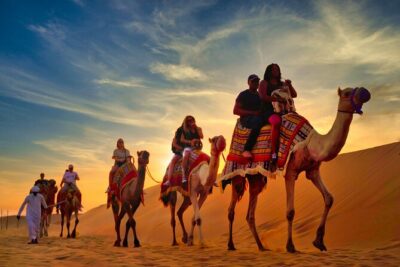
Dubai Overnight Desert Safari, BBQ & Stargazing at Al Khayma Camp
Read our review →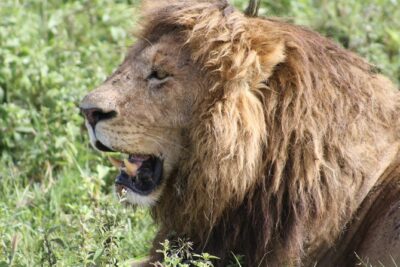

Desert Safari with Camp, Dinner, & Optional Overnight
Read our review →