
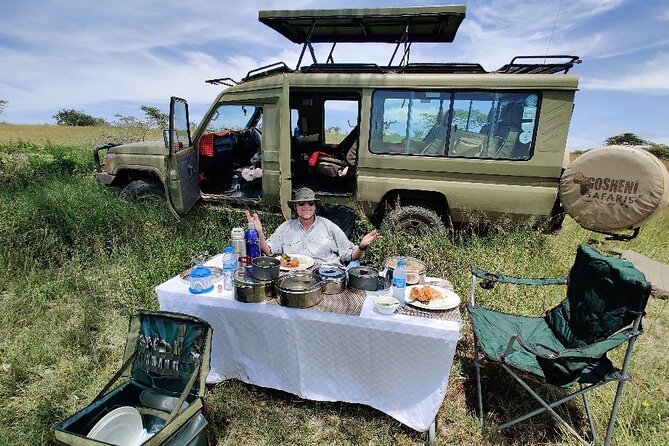
Review · ARUSHA SAFARIS
8 Days Great Wildebeest Calving Migration Safari from Arusha
The main reason to choose this safari is the wildebeest calving season, when the southern Serengeti and Ndutu area can fill with newborn animals, zebras, and predators. You also get a broad slice of northern Tanzania: elephants and baobabs in Tarangire, lake country at Manyara, open Serengeti plains, and the wildlife-packed Ngorongoro Crater.
I like the practical design of the trip. Transport, meals, lodging, entrance fees, airport transfers, and bottled water are bundled into the $2,999.62 price, and the group is limited to seven people. The main consideration is the pace: seven nights cover a lot of ground, and some days involve long drives rather than hours spent at one camp.
What makes this safari worth a close look
- Calving-season timing: December through April offers the chance to see young wildebeest and the predators drawn to the herds, with the busiest calving period often around February for roughly three weeks.
- Five major wildlife areas: Tarangire, Lake Manyara, Ndutu, central Serengeti, and Ngorongoro Crater each bring a different setting and set of animals.
- A small group in a private vehicle: The maximum is seven people, giving you more room than a large coach tour and better flexibility during game drives.
- Strong guide reputation: William David, Albert, Calvin Kileo, George Mathias, Ombeni, Rahim, Michael Sangiwa, and others are praised for wildlife spotting, safe driving, patience, and clear explanations.
- Comfort after rough roads: You sleep in luxury tented camps and lodges, not basic public campsites, while still spending your days in the bush.
- A useful final cultural stop: The Mto wa Mbu walking and cultural tour gives the trip a human touch after several days focused on wildlife.
Why the Ndutu calving season matters
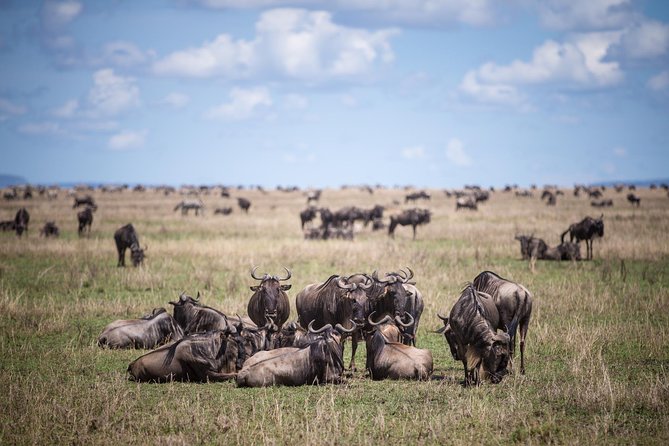
The migration is not a single parade of animals moving past one viewpoint. It is a yearly movement through the Serengeti ecosystem, shaped by rain, grass, and water. During the December to April period, the southern Serengeti and Ndutu area can become the key setting for calving.
For you, the appeal is the concentration of life. Thousands of wildebeest may gather with zebras and other grazing animals, while lions, cheetahs, hyenas, and other predators follow the food supply. The timing is never a guarantee of a particular sighting, but this trip is built around one of the most dramatic periods in Tanzania’s wildlife calendar.
The supplied schedule points to February as the especially important window, with most wildebeest calving over about three weeks. If you can choose your dates, ask the operator how current conditions look in Ndutu before paying. The broader season runs from December to April, but wildlife patterns can shift with rainfall.
One practical point matters here: Ndutu is not simply another stop on a standard northern-circuit safari. The route takes you south into the Ngorongoro Conservation Area and the southern Serengeti ecosystem, then back toward central Serengeti. That routing is valuable because it puts the calving area at the center of the trip, but it also adds driving time.
A few more safaris around Arusha worth a look
- Balloon Safari & Bush Breakfast in Serengeti – Miracle Experience
★ 5.0 · 1,646 reviews - 4 Days Group Camping Safari
★ 5.0 · 1,101 reviews - 5 Days Group Camping Safari
★ 5.0 · 730 reviews
Days 1 and 2: Arrival, then elephants and baobabs in Tarangire
Your first day is deliberately easy. You are collected at Kilimanjaro Airport and taken to Mount Meru Hotel in Arusha. After a long international flight, that overnight gives you a chance to sleep, sort your luggage, and begin the safari properly the following morning.
The program lists an 8:30 am start for the safari portion. Confirm the exact pickup time and location with the operator, since the airport transfer and the next morning’s departure are separate practical steps.
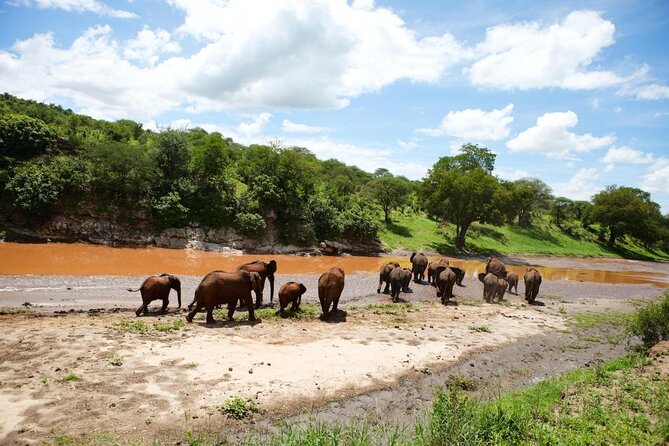
Day 2 takes you to Tarangire National Park. The park is known for large elephant herds, baobab trees, tree-climbing lions, and the Tarangire River, which flows throughout the year. That permanent water source helps explain why animals gather here, particularly when other parts of the region are drier.
Tarangire gives you a strong opening day because the scenery changes quickly from town and farmland to open bush and giant trees. The baobabs are a visual highlight, but the elephants are likely to be the main attraction. Tree-climbing lions are possible rather than promised, so treat them as a special bonus.
You spend the night in a luxury tented camp. That means you get a closer feel for the bush than you would in a city hotel, while keeping the comfort level the tour promises. Since the exact camp is not specified, ask for the name and location before departure if the accommodation is important to you.
Day 3: Lake Manyara, a compact park with varied scenery
Lake Manyara National Park is smaller and more compact than the Serengeti, so the day feels different from Tarangire. The lake creates a scenic backdrop, while the park offers several habitats in a relatively concentrated area.
The schedule describes Manyara as one of Tanzania’s most varied reserves and notes its reputation for tree-climbing lions. It also points to the lake’s beauty, famously admired by Ernest Hemingway. You should think of this day as a contrast to the huge open plains ahead, not as the main migration day.
A compact game-viewing circuit can be useful after the long drive from Arusha and Tarangire. You spend less time crossing enormous distances and more time moving through a changing mix of woodland, wet areas, and lake views. The tradeoff is that a shorter park cannot offer the same sense of vastness as the Serengeti.
You sleep in a luxury lodge. Meals are included, with breakfast, lunch, and dinner marked in the schedule. If you have dietary needs, tell the operator when booking, as the tour specifically asks for that information in advance.
Days 4 and 5: Ndutu and the heart of the calving action
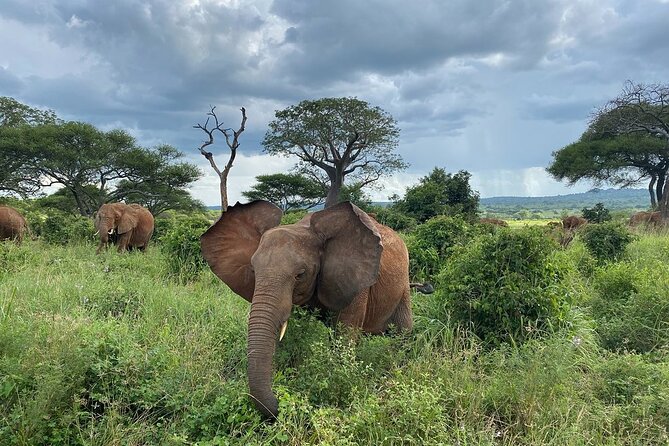
After breakfast on Day 4, you travel toward the Ndutu area in the Ngorongoro Conservation Area. Ndutu is part of the southern Serengeti ecosystem, and its soda lake, grasslands, woodland, and wet areas support a wide range of wildlife.
The description notes that Lake Ndutu is alkaline, yet its water is consumed by local wildlife. The wider point for you is habitat variety. You are not simply driving across one uniform plain. Swamps, woodland, soda lakes, and short grass create different places for grazers and predators to feed and shelter.
Day 5 gives Ndutu the time it deserves. You take a full-day game drive, with the main focus on wildebeest and zebra herds during the calving period. Newborn animals can make this an especially powerful time to visit, but the same concentration of prey also attracts predators.
Your guide’s skill matters greatly here. Wildlife spotting is not only about reaching a famous location. It involves reading animal behavior, communicating with other guides, and knowing when to pause. Names associated with particularly strong guiding on this program include William David, Albert, George Mathias, Calvin Kileo, Ombeni, and Rahim. The guide assigned to you may be someone else, so ask at confirmation if a specific guide is important to your booking.
The schedule lists luxury tented camping in the Ndutu and Serengeti sections. This style suits a migration safari because you can stay closer to the wildlife areas than you might from a fixed base in Arusha. At the same time, camp standards and exact facilities can vary, so ask what is included at each property if you need details about power, internet, or bathroom arrangements.
Same region, a very different drive:
- 3 Days Serengeti & Ngorongoro Group Camping Safari
★ 5.0 · 574 reviews - 7-Day Premium Luxury Tanzania Safari All-Inclusive
★ 5.0 · 426 reviews - 3-Day Classic Serengeti Safari
★ 5.0 · 263 reviews - Group Safari 7 Days in Tanzania’s Main Parks
★ 5.0 · 240 reviews
Days 6 and 7: Central Serengeti and Ngorongoro Crater
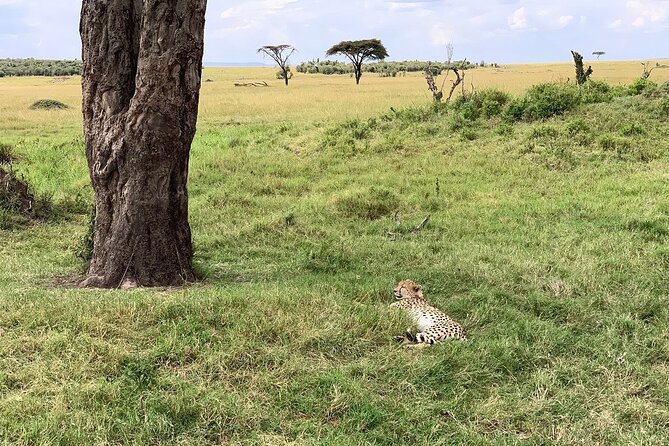
Day 6 is devoted to central Serengeti game drives and following the migration trails. The central area gives you another chance to look for big cats and other wildlife, while also showing how quickly the scenery can shift from short grass to more rugged country.
This is where a good driver-guide can change the quality of the trip. Several guide names connected with this safari are praised for sharp eyesight, safe driving, animal knowledge, and a good sense of humor. Ombeni, for example, is described as combining strong wildlife spotting with confident driving on difficult roads. Calvin Kileo is praised for patience and thoughtful explanations, while Albert is noted for spotting animals before others had found them with binoculars.
Those details are worth considering because you will spend many hours in the vehicle. The guide is not just the person behind the wheel. He or she controls the pace, explains animal behavior, helps you understand the ecosystem, and decides when a sighting deserves more time.
Day 7 brings you to Ngorongoro Conservation Area and down into Ngorongoro Crater. The vehicle descends about 600 meters into the crater for game viewing. This is one of the most concentrated wildlife settings on the route, with a very different feel from the open Serengeti.
The crater is a strong final wildlife day because you are looking into a contained natural bowl rather than following moving herds across a huge plain. You might find a wide range of animals in a single outing, including the possibility of rhino sightings, though no safari can promise a specific species.
The main drawback is the route’s pace. After Ndutu and central Serengeti, you are moving again, and the crater day may feel full. If your priority is slow mornings at one camp, this schedule may be too active. If you want several of Tanzania’s famous wildlife settings in one trip, the variety is a fair trade.
You spend the night at a luxury lodge. The mix of tented camps and lodges gives you different kinds of comfort during the week and avoids making every night feel the same.
Day 8: Mto wa Mbu adds people and place to the trip
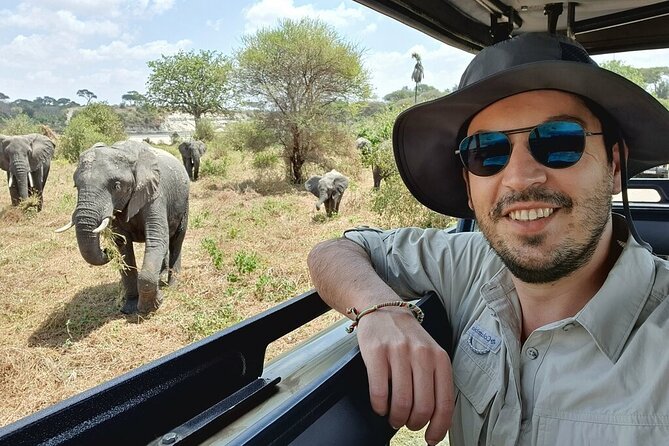
The final day begins with breakfast and a drive to Mto wa Mbu for a cultural tour and walking safari. A local lunch is included, followed by the return journey to Arusha or the airport for your flight home.
This stop matters because the safari is not only about animals. Mto wa Mbu gives you a chance to see a community setting, walk rather than sit in a vehicle, and connect the parks with everyday life in northern Tanzania. The schedule does not specify the exact walking route or cultural activities, so ask what is planned if this part is a major reason for booking.
Build flexibility into your departure arrangements. The tour says it can return you to Arusha or the airport, but your flight time is not provided. Confirm the expected drop-off time before booking a same-day international departure.
What the $2,999.62 price covers
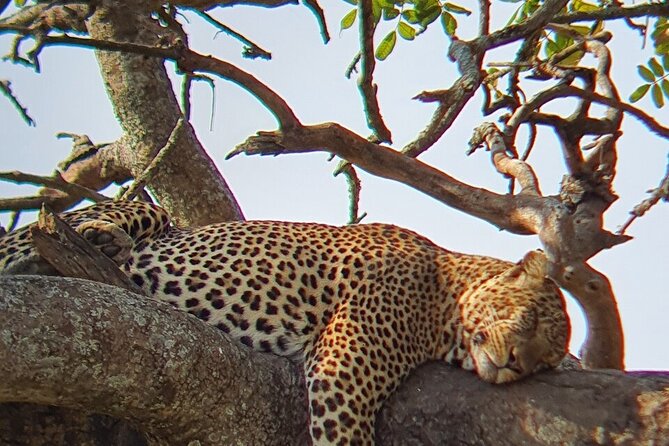
At $2,999.62 per person, this is not a budget safari, but the price includes many of the costs that can quickly add up in Tanzania. You receive all listed accommodation, meals according to the schedule, park entrance fees, airport pickup and drop-off, private-vehicle transport, bottled water, and a driver-guide.
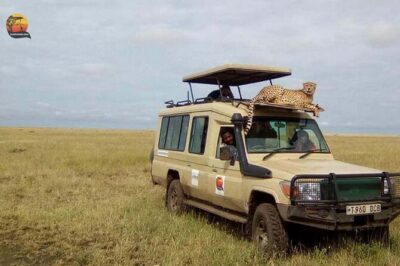
That package makes the price easier to assess. You are paying for seven nights, several national parks and conservation areas, long-distance transport, daily game drives, and a small group capped at seven people. A private vehicle also gives you more control than a large group coach, although the exact level of privacy should be confirmed because the information describes a private vehicle and a maximum group size rather than promising that every booking is exclusive to one household.
Alcoholic drinks are not included but can be purchased. Everything else listed under inclusions is covered, which reduces the risk of surprise charges during the trip.
I would compare the price against three things: the quality of the vehicle, the exact camps and lodges, and the guide arrangement. The wildlife route is strong on paper, but accommodation names and vehicle details are not supplied. Ask those questions before you commit, especially if comfort is central to your decision.
Who will enjoy this route most
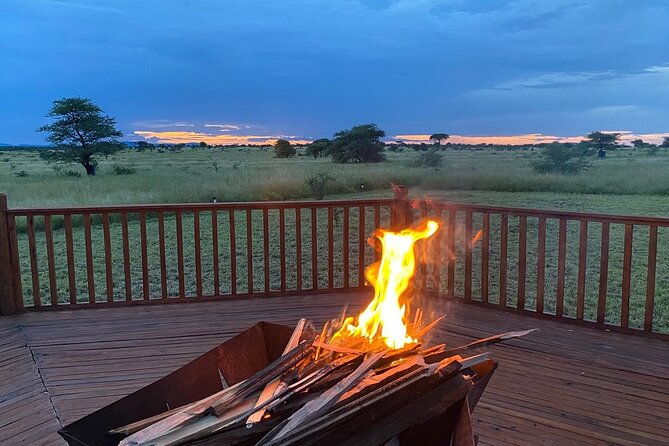
This safari suits you if the calving season is the main reason you want Tanzania. It also works well if you want more than one park and do not want to arrange separate transfers, meals, permits, and hotels yourself.
Families can consider it, since children must be accompanied by an adult and the trip has received praise for guides who were patient and attentive with young children. Still, the long drives and full game-drive days may test very young children, so ask the operator about vehicle comfort and breaks.
You should have a moderate level of physical fitness. Most of the trip takes place in a vehicle, but the Mto wa Mbu walking safari and general movement in and around camps require some mobility.
This is less suitable if you want a slow, single-location stay, a specialist photography trip, or a very detailed cultural itinerary. The schedule is built around covering a great deal of northern Tanzania in eight days.
Practical points before you book
The tour offers mobile ticketing and confirmation within 48 hours, subject to availability. It has free cancellation up to 24 hours before the start time, while later cancellations or changes are not accepted.
Poor weather or failure to reach the minimum number of participants can lead to a changed date, an alternative experience, or a full refund. The tour also requires a minimum number of people, so confirm that your departure is operating before making nonrefundable flight arrangements.
Bring clothing that works for warm days and cooler mornings, along with sun protection and binoculars if you have them. Since the tour includes bottled water, meals, and lodging, you can focus your planning on personal items, drinks, and any special dietary needs.
Should you book this calving safari?
I would book it if you want the best chance of seeing the southern Serengeti during calving season and value having the main logistics handled for you. The combination of Ndutu, central Serengeti, Tarangire, Manyara, and Ngorongoro gives you impressive variety, while the guide team’s repeated strengths in animal spotting and driving add real value.
I would pause and ask more questions if you care deeply about the exact camp, room facilities, or a fully private departure. The route is busy, and the final decision should rest on your comfort with long drives and a packed schedule.
For many people, though, the timing is the clincher. Young wildebeest, predator activity, elephants, big cats, crater wildlife, and a final cultural walk make this a well-rounded first safari, provided you accept that eight days in northern Tanzania means some time on the road.
FAQ
How long is the safari?
The experience lasts approximately eight days and includes seven nights of accommodation.
Where does the safari start?
The stated meeting point is in Arusha, Tanzania, with an 8:30 am start time. Airport pickup from Kilimanjaro Airport is included on the arrival day.
Which parks and areas does the tour visit?
The route includes Tarangire National Park, Lake Manyara National Park, the Ndutu area, central Serengeti National Park, Ngorongoro Conservation Area, Ngorongoro Crater, and Mto wa Mbu.
Are meals included?
Yes. Breakfast, lunch, and dinner are included on the days marked B, L, and D in the schedule. Alcoholic drinks are not included but can be purchased.
How many people can join the tour?
The maximum group size is seven people. Transport is provided by private vehicle, with a driver-guide.
What happens if I need to cancel?
You can receive a full refund if you cancel at least 24 hours before the experience start time. Cancellations or changes made less than 24 hours in advance are not accepted, and poor weather or minimum-participant issues may result in a new date, an alternative experience, or a full refund.
Newest safaris around Arusha
- 7 days great migration safari★ 5.0 · 77 reviews
- 4 days safari★ 5.0 · 34 reviews
- 6 days Tanzania budget safari★ 5.0 · 65 reviews
- Amazing 4 Days Tanzania Budget Camping Group Joining Safari★ 5.0 · 15 reviews
- 5 days safari, hiking & culture (Serengeti & kilimanjaro)★ 5.0 · 27 reviews
- Best 5 Days Tanzania Private Luxury Safari with luxury Lodges★ 5.0 · 12 reviews
- Serengeti & Ngorongoro fly in safari★ 5.0 · 76 reviews
- 5-Day Mid-Range Safari in Tanzania★ 5.0 · 33 reviews
Arusha Safaris, side by side.
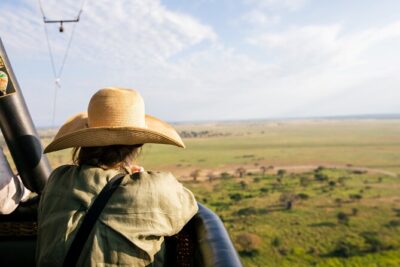
Balloon Safari & Bush Breakfast in Serengeti – Miracle Experience
Read our review →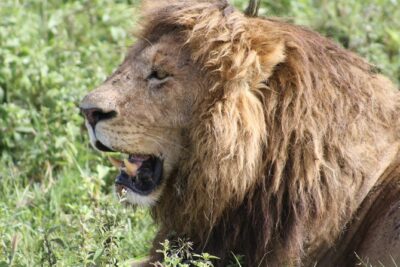
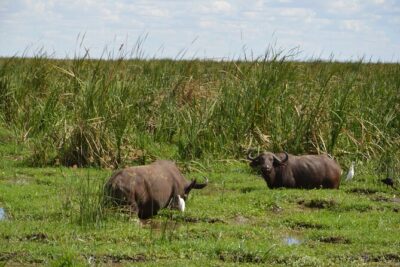
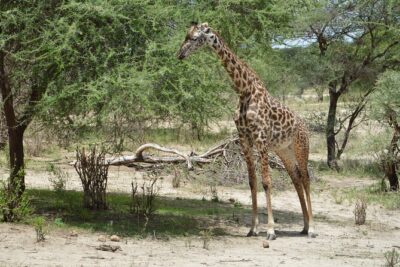
3 Days Serengeti & Ngorongoro Group Camping Safari
Read our review →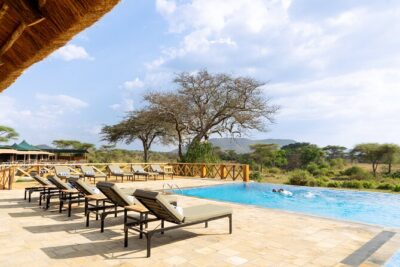
7-Day Premium Luxury Tanzania Safari All-Inclusive
Read our review →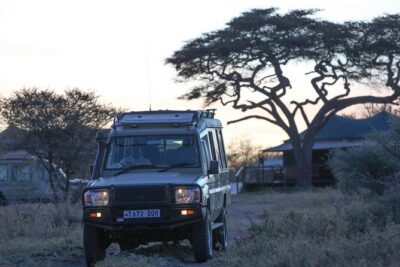
Group Safari 7 Days in Tanzania’s Main Parks
Read our review →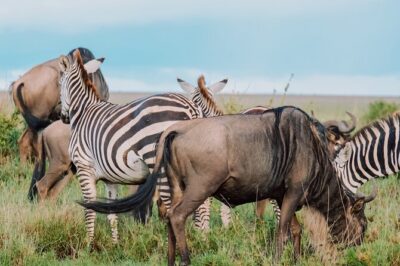
10-Day Serengeti Wildebeest Migration Safari from Arusha
Read our review →Lists this safari turns up in