
Review · OVERNIGHT & CAMPING SAFARIS
6 Day Sand, Sea & Etosha Budget Camping Safari
The great appeal of this six-day safari is its sweep: you go from Namibia’s red desert dunes to the cool Atlantic coast, then into Etosha’s wildlife country without arranging several separate trips. It packs in sunrise at Dune 45, the Tropic of Capricorn, mountain passes, Swakopmund, and repeated game drives.
I like the small maximum group of nine and the practical setup, with camping gear, park fees, meals, and a Sossusvlei excursion included. I also like that the first-time camper is not left to fend for themselves. Guide Raymond has been singled out for making tent setup feel easy and comfortable.
The tradeoff is the pace. You spend long hours in the safari vehicle, including about eight hours on the final return to Windhoek, and you must bring or hire your own sleeping bag. The package is budget-minded, not luxurious, so come ready for early starts, basic camp routines, and a fair amount of road time.
Key points to know before you book
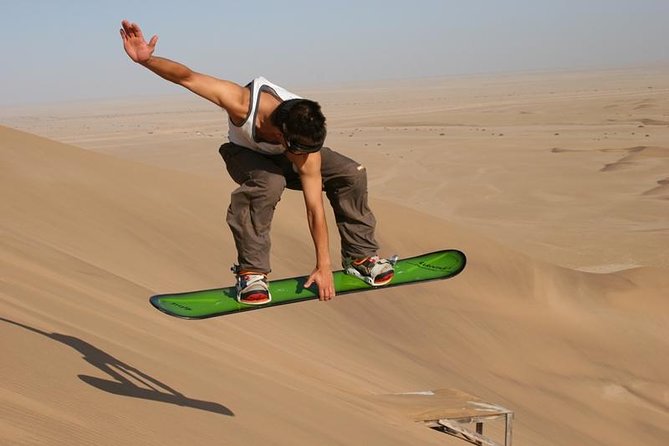
- Dune 45 at sunrise: Start before dawn for the best light on the Namib’s orange and red sand.
- Sossusvlei excursion included: The desert’s major highlight is covered rather than left as an optional extra.
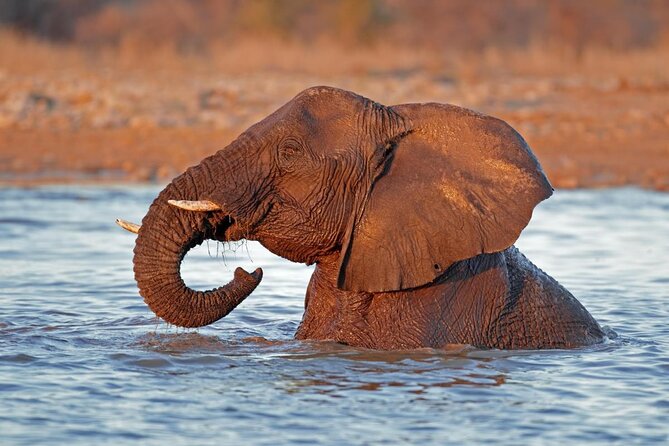
- Etosha waterhole strategy: Game drives focus on several waterholes, where animals gather because water is scarce.
- Up to nine people: A small vehicle group makes the long drives more manageable and keeps the trip personal.
- Camping equipment supplied: You need to bring or hire a sleeping bag, while tents and other camping equipment are provided.
- Four included dinners and five breakfasts: Meals reduce daily planning, though drinks and mineral water cost extra.
Why this six-day route works
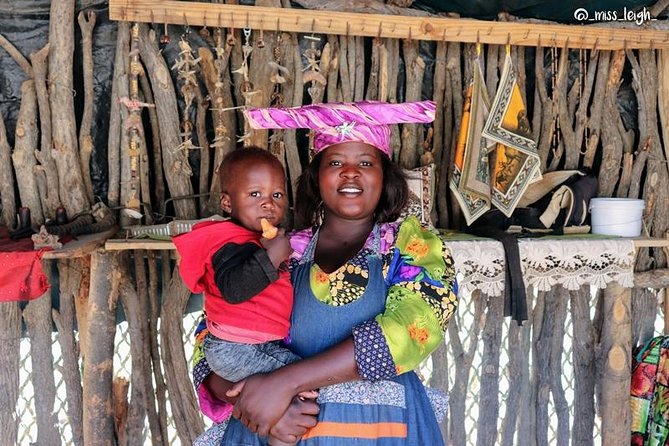
Namibia is a big country, and its highlights are spread far apart. This trip handles the logistics for you, linking Windhoek, Sesriem, Sossusvlei, Swakopmund, and Etosha in one loop.
That route gives you three very different sides of Namibia. The first is the Namib Desert, with red dunes and hard-edged light. The second is the Atlantic coast, where the desert meets the sea around Swakopmund. The third is Etosha, a dry park built around scarce water sources and the animals that depend on them.
You pay $1,355.66 per person. That is not a bare transport-only price. Camping equipment, national park fees, game drives in the Chameleon Safaris vehicle, the Sossusvlei excursion, five breakfasts, six lunches, and four dinners are included. You still need to budget for drinks, mineral water, a sleeping bag if you do not bring one, optional activities, and tips.
The value is strongest if you want the major sights without managing permits, park access, camp arrangements, and long-distance driving yourself. It is less compelling if you want private rooms every night, a slower schedule, or complete control over where you stop.
More Overnight Safaris in the world:
- Dubai: Overnight Safari, Dinner, Stargazing & Al Khayma Camp
★ 4.8 · 2,562 reviews - Dubai Overnight Desert Safari, BBQ & Stargazing at Al Khayma Camp
★ 5.0 · 2,327 reviews - 4 Days Group Camping Safari
★ 5.0 · 1,101 reviews
Leaving Windhoek for Sesriem and the Namib Desert
Pickup begins at 7:00 a.m. from accommodation within Windhoek city limits. You first transfer to Chameleon headquarters for a short pre-departure meeting, then set out toward Sesriem.
The road climbs over Namibia’s central plateau, with mountain scenery along the way. Rehoboth is the practical supply stop, followed by the small community of BűellsPort. These are not major sightseeing stops, but they break up the drive and help the group prepare for the desert camp.
Arrival at Sesriem is planned for around lunchtime. The campsite sits beneath a large old camelthorn tree, with views toward the red dunes of the Namib. After setting up, you have a picnic-style lunch and time to settle into the camp routine.
The first day covers about six hours. That is a fairly gentle start compared with some of the later road days, but you should still expect a lot of sitting. The reward is getting into position near Sossusvlei instead of trying to reach the dunes from Windhoek on the same morning.
Sunrise at Dune 45 and the Sossusvlei excursion
Day two begins before dawn. This is not an optional early start if you want the best desert light. The first drive heads 45 kilometers from Sesriem to Dune 45, named for its distance from the gate area.
At sunrise, the dunes change color minute by minute. One side catches orange and apricot light while the other remains in shadow. That contrast is what gives the dunes their shape in photographs, and it is why the early departure is worth the lost sleep.
You climb Dune 45 to a viewing point, then return to the vehicle for a quick breakfast. The supplied details describe the day as lasting about six hours and include the Sossusvlei excursion and park entry.
Sossusvlei is the visual centerpiece of the desert portion. The value here is not just reaching a famous place, but arriving at the right hour. Midday light can flatten the dunes, while dawn gives them stronger form and color.
You should be comfortable with an active morning. The tour requires a moderate level of physical fitness, and walking or climbing on soft sand is more tiring than it looks. Wear practical clothing and carry what you need for the morning, but remember that drinks and mineral water are not included.
Crossing the gravel plains to Swakopmund
After an early breakfast on day three, the route turns west toward Swakopmund. The scenery changes from high dunes to broad gravel plains, with isolated mountain inselbergs rising from the otherwise open country.
The road crosses the Tropic of Capricorn at 23.5 degrees south. A sign marks the point, and the group stops for photographs. It is a quick roadside pause, but it gives the long drive a clear geographic marker.
You also cross the Gaub River canyon and the Kuiseb Pass. The Kuiseb River has cut a canyon through the desert on its way toward the Atlantic, and the route follows this dramatic dry-country terrain before reaching the coast.
This is another six-hour day, though the actual feel depends on road conditions and stops. The appeal is the changing scenery rather than a long list of attractions. You see how quickly Namibia shifts from dune country to gravel plains, mountain passes, and coastal desert.
Swakopmund is described as Namibia’s adventure capital and serves as the coastal base for the next part of the trip. The tour provides two nights of accommodation in the coastal portion according to the overall trip description, giving you a break from the tent routine. Specific hotel details are not supplied, so you should confirm the accommodation standard before booking if that matters to you.
More six-day safaris in the world:
- Cape Town: Garden Route and Addo Elephant Park 6-Day Safari
★ 4.7 · 175 reviews - 6 Days Private Budget Safari
★ 5.0 · 163 reviews - 6 Days Tanzania Budget Camping Safari
★ 5.0 · 145 reviews - 6-Day Dunes and Wildlife Accommodated Safari from Windhoek
★ 5.0 · 123 reviews
From the Atlantic coast to Etosha
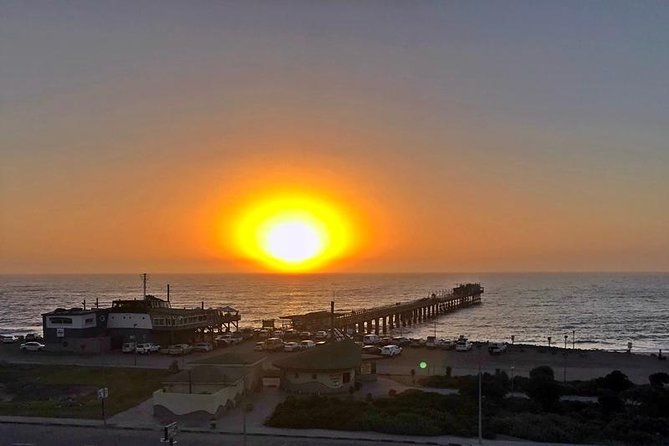
Day four begins after breakfast, with departure planned for 9:00 a.m. The route heads inland on a comfortable paved road toward Etosha National Park.
You arrive in the afternoon and make your first camp drive into the park while setting up camp. That timing matters. You are not simply checking into a campsite outside the park and waiting for the next morning. The arrival itself becomes your first chance to look for wildlife.
The evening is spent at the Okaukuejo waterhole. This is one of the strongest parts of the trip because you can watch the water source without needing to keep driving. Etosha is dry, and water attracts animals, so a waterhole provides a natural place to wait and observe.
The day is planned for about seven hours. Your first Etosha afternoon may feel busy, with the drive, camp setup, and wildlife viewing all close together. Still, it gives you a useful introduction before the longer game-drive day.
Waterholes, Halali, and the logic of Etosha game drives
Day five is devoted to Etosha. The park’s central fact is simple: water is scarce. Natural and man-made waterholes therefore shape both animal movement and the safari route.
The game-drive plan is to visit as many waterholes as possible, allowing you to see what arrives for an early drink. Instead of relying on one fixed viewing point, you keep moving through the park and make a breakfast stop at a designated picnic area.
The route continues toward Halali, whose name comes from a European hunting bugle call signaling that the hunt was over. The name adds a historical footnote, but the practical point is that Halali forms part of the day’s park route and camp plan.
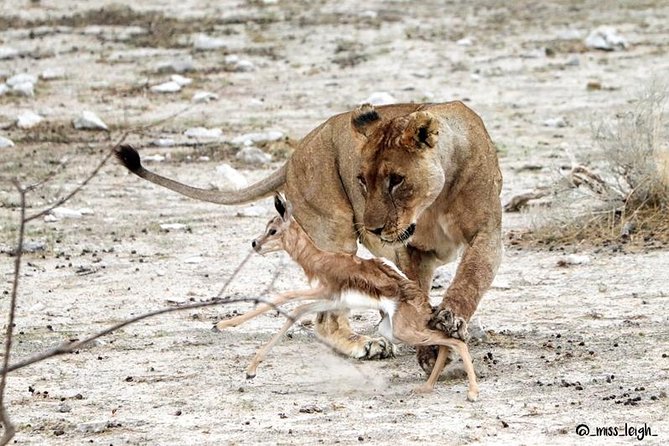
You should set your expectations sensibly. Wildlife is not scheduled, and no safari can promise a particular animal. The waterhole approach improves your chances because it follows the park’s most important resource, but sightings still depend on timing and luck.
The day lasts about seven hours. That means another early start, long stretches in the vehicle, and repeated stops rather than one short wildlife outing. For someone who wants a broad introduction to Etosha, this is useful. For someone who prefers a slow, private safari with long stays at one waterhole, the group format may feel limiting.
The long return through Otjiwarongo and Okahandja
After breaking camp for the final time, you head south toward Windhoek. The drive includes a brief refueling stop in Otjiwarongo and continues through Okahandja.
Okahandja is home to Namibia’s largest wood carving market. Craftspeople from across the country bring carved items there, giving you the chance to buy a Namibian souvenir while supporting local artists and communities.
This stop is more than a quick shop. After several days of desert scenery and wildlife, it gives you a direct connection with contemporary local craft. You can browse for something useful or decorative, but you should remember that the trip provides only a stop, not an extended market visit.
The final day takes about eight hours, with arrival in Windhoek planned for late afternoon. A shuttle then takes you to accommodation within the city limits. That final transfer is included within the stated Windhoek return plan, but your own lodging must be within the pickup and drop-off area.
Camping, meals, and what the price really covers
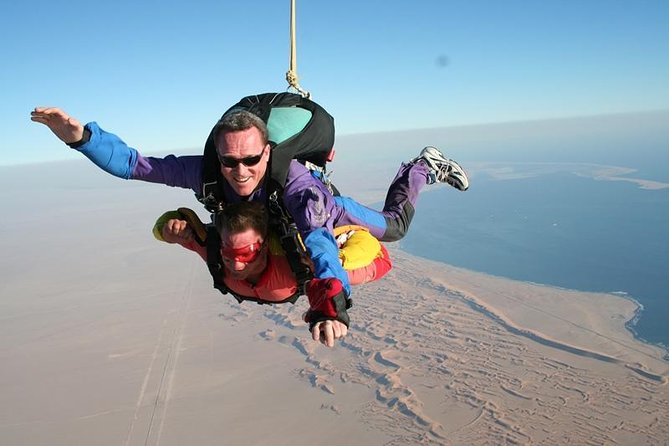
Camping equipment is supplied, excluding the sleeping bag. You can hire a sleeping bag, according to the tour details, or bring your own. Clarify the hire cost before departure if you need one.
The camping setup is aimed at people who want a real safari routine without buying a full set of gear. You still need to take part in the basic rhythm of camp life, and the physical fitness requirement is moderate. The experience is not presented as luxury camping.
Meals are a useful part of the price. You receive six lunches, four dinners, and five breakfasts, which removes much of the work of finding food during long driving days. Tap water is included, but drinks and mineral water are not, so plan for those costs.
The strongest value comes from combining transport, food, park entry, equipment, and guided activities. If you priced each element separately, you would also need to handle the desert excursion and park access yourself. The package gives you a clear six-day structure and limits the number of decisions you need to make on the road.
The group size and guide matter
The maximum group size is nine people. That is still a shared safari, but it is small enough to avoid the feel of a large coach trip.
A good guide makes a major difference on a route with early starts and repeated camp setup. Raymond is specifically associated with helping a first-time camper feel comfortable and showing them how to put up the tents. That detail is important if you have never camped before or are unsure about joining a camping safari.
Do not assume Raymond will be your guide on every departure, since the supplied information does not guarantee a particular guide. Still, the tour structure clearly includes hands-on support rather than simply dropping you at a campsite.
The vehicle is used for game drives and long transfers. You should be prepared for limited personal space and shared decision-making. In return, you get a social format and a lower cost than a private vehicle arrangement.
Who should book this safari?
I would recommend this trip if you want Namibia’s major contrasts in a short period and you value an organized route over complete independence. It suits an active first-time visitor, a solo booker who wants a small group, or anyone who wants to see Sossusvlei and Etosha without arranging several complicated transfers.
It also suits a cautious beginner camper, especially if the presence of supplied equipment and guide support makes the idea less intimidating. The schedule gives you a real taste of camping without requiring you to bring a full kit.
I would pause before booking if you dislike pre-dawn starts, long road days, shared camps, or basic accommodation. The non-refundable booking terms also make it important to confirm your dates, sleeping bag plan, pickup location, and any optional activities before paying.
Should you book the six-day Sand, Sea and Etosha safari?
Book it if you want a compact, well-priced route through Namibia’s biggest visual and wildlife highlights. The best reasons are the sunrise timing at Dune 45, the included Sossusvlei excursion, repeated Etosha waterhole drives, meals, park fees, and a group capped at nine.
Skip it if your priority is comfort, private rooms, or a relaxed pace. This is a road-heavy safari with early mornings and camping responsibilities. For the right person, though, $1,355.66 buys an efficient introduction to Namibia’s desert, coast, and wildlife country without leaving the hard logistics to you.
FAQ
Where does the safari begin?
Pickup is offered from accommodation within the Windhoek city limits at 7:00 a.m. You then transfer to Chameleon headquarters for a short pre-departure meeting.
How long does the safari last?
The experience lasts approximately six days.
What is the maximum group size?
The tour has a maximum of nine travelers.
Is camping equipment provided?
Yes. Camping equipment is included, but a sleeping bag is not.
Can I hire a sleeping bag?
Yes. A sleeping bag can be hired, according to the tour information. The hire price is not specified.
Are meals included?
Yes. The package includes six lunches, four dinners, and five breakfasts.
Is drinking water included?
Tap water is included. Drinks and mineral water are not included.
Are national park fees included?
Yes. National park entry fees and park fees are included.
What physical fitness level is required?
A moderate level of physical fitness is required. The itinerary includes early starts, camp setup, long vehicle journeys, and a dune climb.
Does the tour include Sossusvlei?
Yes. A Sossusvlei excursion is included, with an early-morning visit to Dune 45.
Is the tour refundable if I cancel?
No. The experience is non-refundable and cannot be changed for any reason.
Newest safaris around the world
- Dubai Desert Safari with Dune Bashing, Camel Rides & BBQ★ 5.0 · 51 reviews
- Morning Desert Safari with Buggy Ride & Sandboarding – Shared Car★ 5.0 · 10 reviews
- Afternoon Dune Drive Safari with SunSet Photo & Sand Boarding★ 5.0 · 43 reviews
- Morning Dubai desert safari – camel rides, quad bikes, dune buggies,dune bashing★ 4.0 · 43 reviews
- Dune Safari with 4X4 Car and BBQ Dinner★ 4.5 · 12 reviews
- Desert Safari, Open Desert Quad Bike Experience with BBQ Dinner★ 5.0 · 16 reviews
- Abu Dhabi city tour & desert safari from Dubai★ 5.0 · 87 reviews
- Adventure Quad Bike Safari, Camel Ride & Sandboarding★ 4.5 · 13 reviews
Overnight & Camping Safaris, side by side.
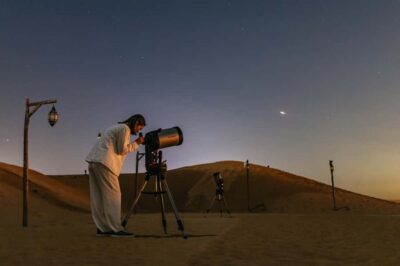
Overnight Safari, Dinner, Stargazing & Al Khayma Camp
Read our review →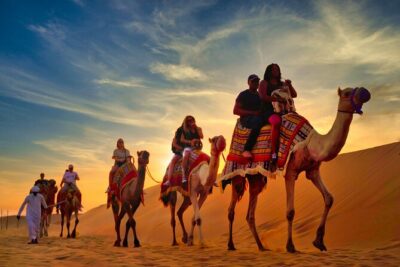
Dubai Overnight Desert Safari, BBQ & Stargazing at Al Khayma Camp
Read our review →

Desert Safari with Camp, Dinner, & Optional Overnight
Read our review →
3 Days Serengeti & Ngorongoro Group Camping Safari
Read our review →Lists this safari turns up in