
Review · NEW DELHI SAFARIS
Delhi Agra Jaipur Golden Triangle Multiday Trip with Safari
The big draw here is the chance to link India’s headline sights with a sunrise visit to the Taj Mahal and a tiger safari in Ranthambore. Instead of arranging separate cars, hotels, tickets, and guides, you move through Delhi, Agra, Jaipur, and possibly Pushkar under one plan.
I like the private air-conditioned car, especially for long road legs, and I like the steady personal care from drivers such as Shalin, Ashok, Sahil, and Faruk. The local guides also add useful context: Imran is a strong choice in Agra, while Sid has a knack for explaining Jaipur’s astronomical instruments. The main drawback is pace. The shorter plans pack a lot into very little time, and some guides may steer you toward shops or ask for tips.
Key things to know before booking
- Taj Mahal at sunrise: You reach Agra’s most famous monument early, when the light is soft and the marble changes color.
- Ranthambore adds wildlife to the classic route: The safari gives the trip a different rhythm, but tiger sightings are never guaranteed by the itinerary.
- Private transport makes the long drives easier: Your driver handles Delhi traffic, highway stops, hotel drop-offs, and monument access.
- The 7-day option is the most comfortable plan: It gives you two nights in Agra, time in Pushkar, two Jaipur touring days, and a safari.
- Hotel standards vary by package: Five-star accommodation is the safer choice if comfort matters, especially in Ranthambore.
- Shopping stops need firm boundaries: You can say no to rugs, fabrics, jewelry, and other sales visits.
What this Golden Triangle trip is really offering
This is less a single guided tour than a private travel framework. You have a driver for the whole route and a local guide in each major stop. That combination works well in India, where traffic, distances, and monument procedures can make independent planning tiring.
The route covers the familiar Golden Triangle: Delhi, Agra, and Jaipur. The longer versions add Ranthambore National Park for a safari and Pushkar for a look at a smaller pilgrimage town. At $135 per person, the headline price looks remarkably low for private transport, local guides, taxes, parking, water, and optional hotel arrangements. Read the package details carefully, though. The price changes with the length of the trip, hotels, entrance tickets, vehicle, and group size.
You can choose three, four, five, or seven days. The three-day version is a fast Delhi, Agra, and Jaipur run without the safari. The four-day plan adds Ranthambore but gives Jaipur only one main touring day. The five-day option includes a safari and Jaipur before the evening return to Delhi. The seven-day version gives the route room to breathe and adds Pushkar.
A few more safaris around India worth a look
- Non-Touristic overnight Camel Safari
★ 5.0 · 526 reviews - Overnight Camel Safari – Sleeping under the Stars
★ 5.0 · 390 reviews - Adventure non touristic camel safari
★ 5.0 · 300 reviews
Day 1: Delhi’s monuments and an evening drive to Agra
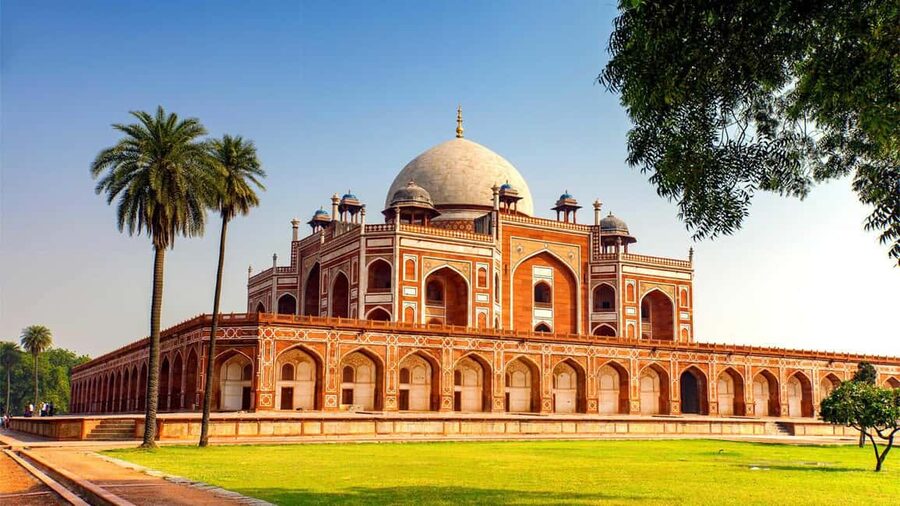
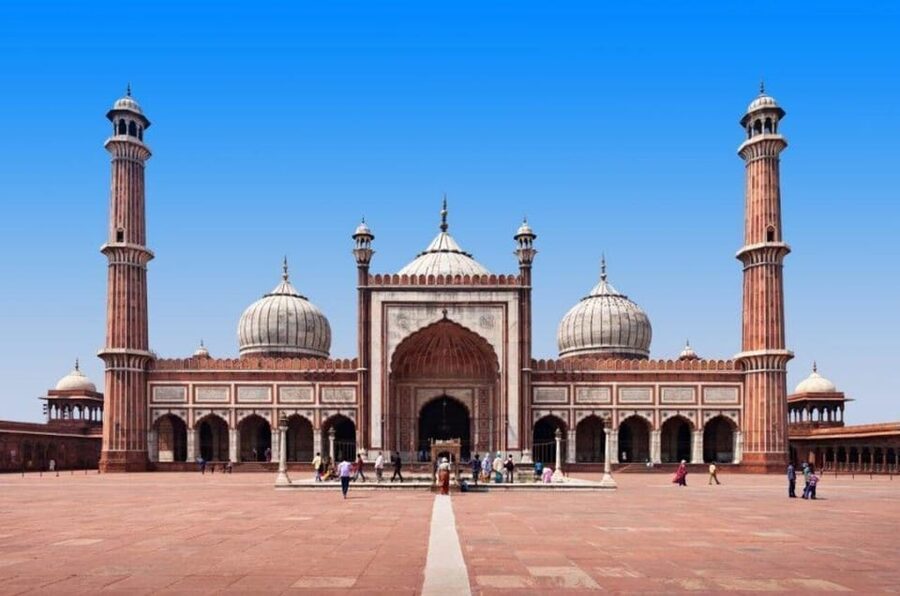
Delhi begins with a long list of famous sights. Qutub Minar, Humayun’s Tomb, India Gate, Lotus Temple, Jama Masjid, Chandni Chowk, and Akshardham each show a different side of the capital.
Qutub Minar is the dramatic start, with its tall sandstone tower and carved surfaces. Humayun’s Tomb gives you a quieter setting and helps explain the Mughal design ideas that later appear at the Taj Mahal. India Gate is a quick but important stop, while Lotus Temple offers a change of mood with its white petal-shaped structure.
The Jama Masjid and Chandni Chowk section is more energetic. A cycle rickshaw ride through the old market area lets you see narrow streets and dense daily commerce without asking you to navigate it alone. You should expect noise, crowds, and plenty of movement here. That is part of the experience, but it can feel rushed if you are trying to absorb every detail.
Akshardham rounds out a very full day. The exact order can change, and fitting every Delhi stop into one day requires stamina. If you want long visits at each monument, the schedule may disappoint. If you want a broad first look at Delhi before moving on, it is efficient.
The evening drive to Agra saves time the next morning. Your driver takes you to your Agra hotel, where an early night is sensible because the Taj Mahal visit begins around sunrise.
Day 2: Sunrise at the Taj Mahal, then Agra’s Mughal story
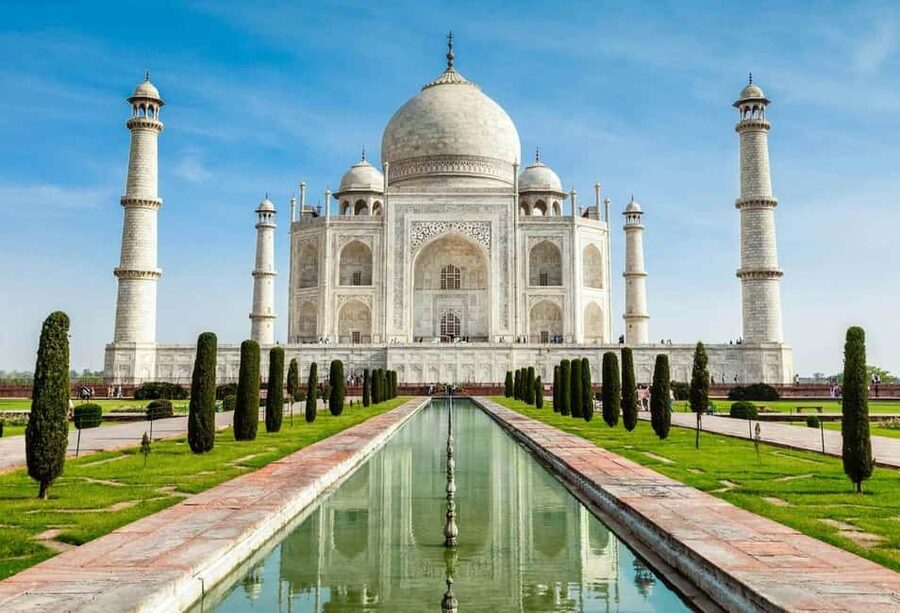
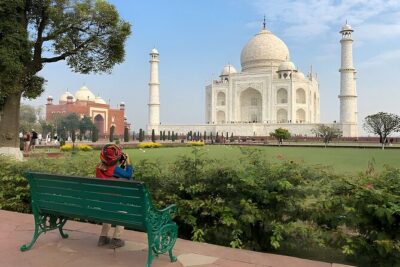
The Taj Mahal is the emotional center of the trip, and the sunrise timing is a smart choice. Early light is gentler on the white marble, the air can feel cooler, and you avoid some of the strongest heat later in the day. Your guide helps with the approach, photographs, and the details that are easy to miss when you are focused on the monument’s famous front view.
The Taj Mahal is a mausoleum built by Shah Jahan for Mumtaz Mahal. Its appeal is not only the central dome. Look for the balance of the four minarets, the inlaid stone work, the garden planning, and the way the building changes as you move around it. A good guide should give you enough historical background without turning the visit into a lecture.
Agra Fort follows. This large red sandstone complex helps place the Taj Mahal in its royal setting. It was both a fortified residence and a center of power, with courtyards, halls, and views toward the Taj. Imran is one of the guides repeatedly praised for clear explanations and a friendly manner in Agra. Mehfooz is another name worth requesting if available, particularly if you enjoy stories about the Taj and its architecture.
Itmad-ud-Daula, sometimes called the Baby Taj, is smaller and more intimate. Its delicate marble inlay makes it a useful companion to the Taj Mahal. The visit also gives you a break from the scale and crowds of Agra’s two major monuments.
You spend a second night in Agra on the longer itinerary. That is useful because the city’s sights deserve more than a rushed stop, and it makes the next road journey less punishing.
Day 3: Fatehpur Sikri and Abhaneri on the road to Ranthambore
The road from Agra to Ranthambore becomes more interesting when you stop at Fatehpur Sikri and Abhaneri. These are not filler stops. They show how water, religion, court life, and architecture shaped settlements away from the main cities.
Fatehpur Sikri was built by Emperor Akbar and later abandoned as a capital. Its red sandstone buildings include grand courtyards and formal spaces that help you picture Mughal court life. The site is open and exposed, so comfortable shoes, sunglasses, and water are sensible. The guide matters here because the buildings can otherwise feel like a series of beautiful walls without a clear story.
Abhaneri is known for its stepwell, a deep geometric structure built to collect and reach stored water. The repeating stairs create one of the trip’s most striking patterns. You may spend less time here than at Fatehpur Sikri, but the stop offers a very different look at Indian engineering.
This is one of the longer driving days. The private car helps because you can stop for food or an ATM when needed, and the driver takes care of the route. Drivers praised for punctuality and safe driving include Ashish, Pankaj Kumar, Anil, and Manoj. Vehicle size depends on the party: a sedan for one or two people, a Carens or Innova for three to five, and a Tempo Traveller or minibus for larger groups.
You arrive in Ranthambore for the night. If you choose the hotel package, note that a four-star resort may be used there instead of a five-star property because of local availability and budget limits.
Same region, a very different drive:
- Overnight Desert Safari Tour Package
★ 5.0 · 255 reviews - Private 4-Day Golden Triangle Tour with Ranthambore Tiger Safari
★ 5.0 · 248 reviews - From Jaipur: Ranthambore National Park Day Trip with Safari
★ 4.6 · 244 reviews - Overnight Camel Safari (remote And Isolated)
★ 5.0 · 170 reviews
Ranthambore safari: a welcome change of pace

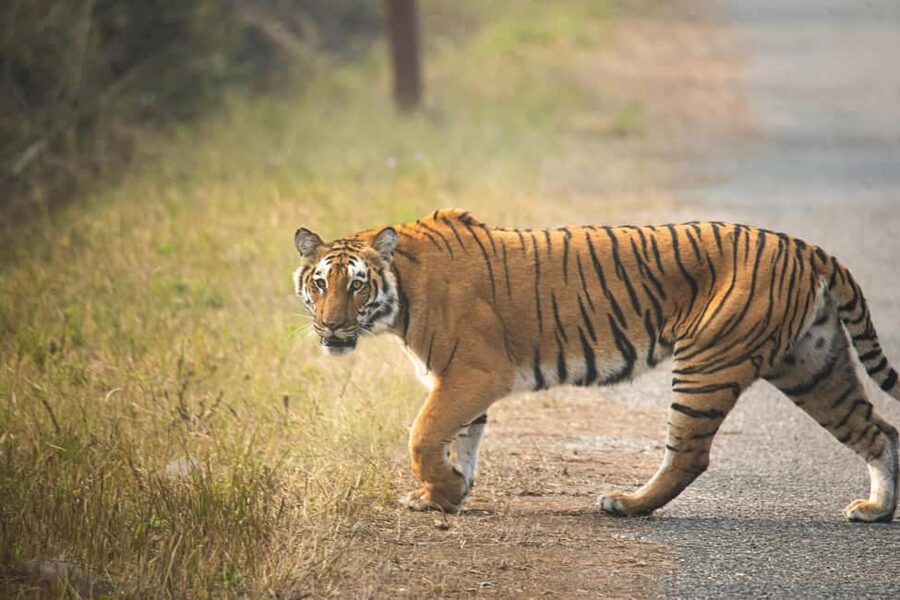
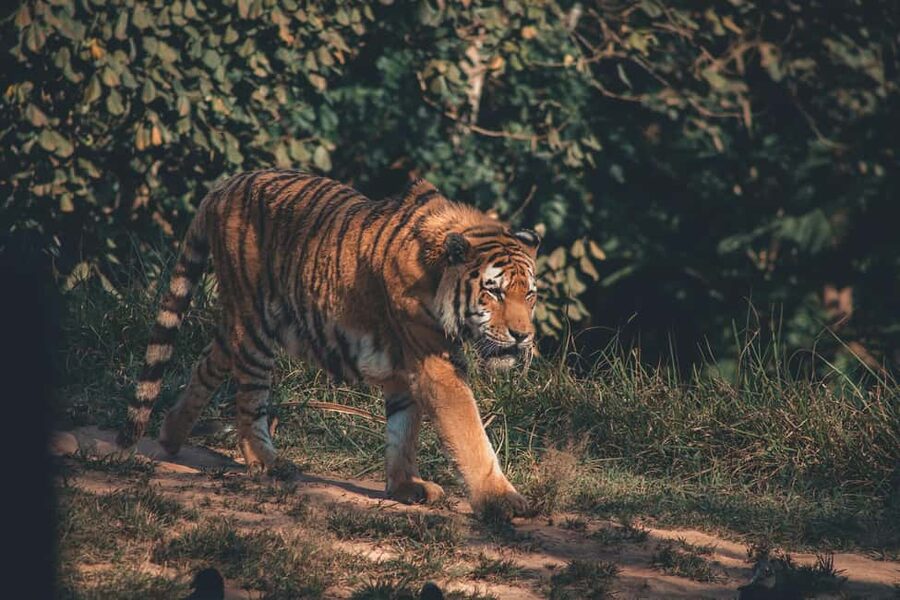
The safari is the trip’s wild card. You leave the monuments behind and enter one of India’s best-known tiger reserves. The morning timing gives you the best chance of seeing animals when the day is cooler, but no honest tour can promise a tiger sighting.
That uncertainty is part of the appeal, but it is important to set your expectations correctly. The safari adds wildlife, open space, and a very different kind of attention to the trip. You may spend time watching for movement, tracks, or birds rather than moving from one finished sight to another.
One solo traveler on a shorter customized route reported seeing many tigers, but that should be treated as good fortune, not a standard result. The safari is worth adding if you want variety and accept that nature sets the schedule.
The route descriptions differ slightly on the exact timing of the safari and the drive to Jaipur. In practice, expect an early start, a safari, and then a road journey onward. Confirm the final departure times with the operator, especially if you are choosing the four-day or five-day version.
Jaipur: forts, palaces, astronomy, and busy markets
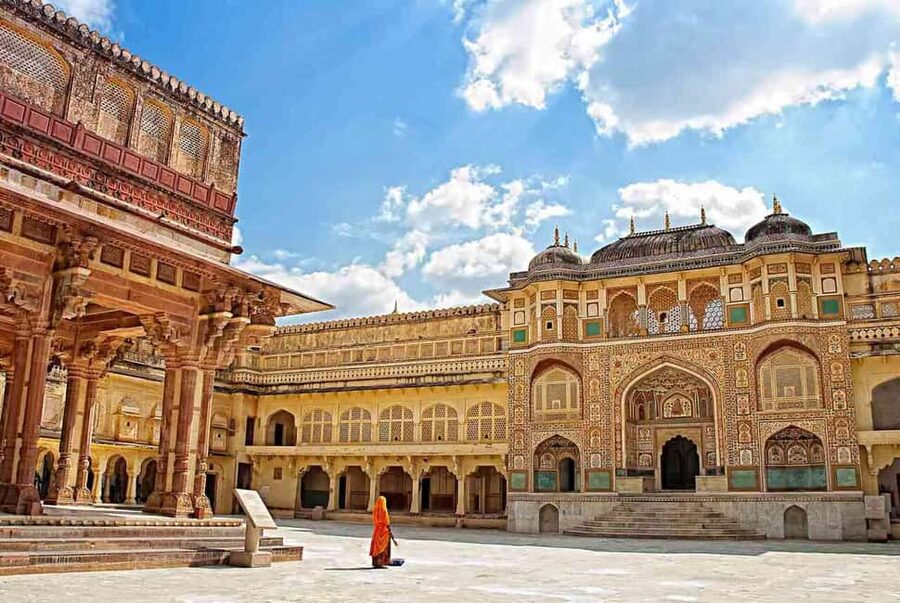
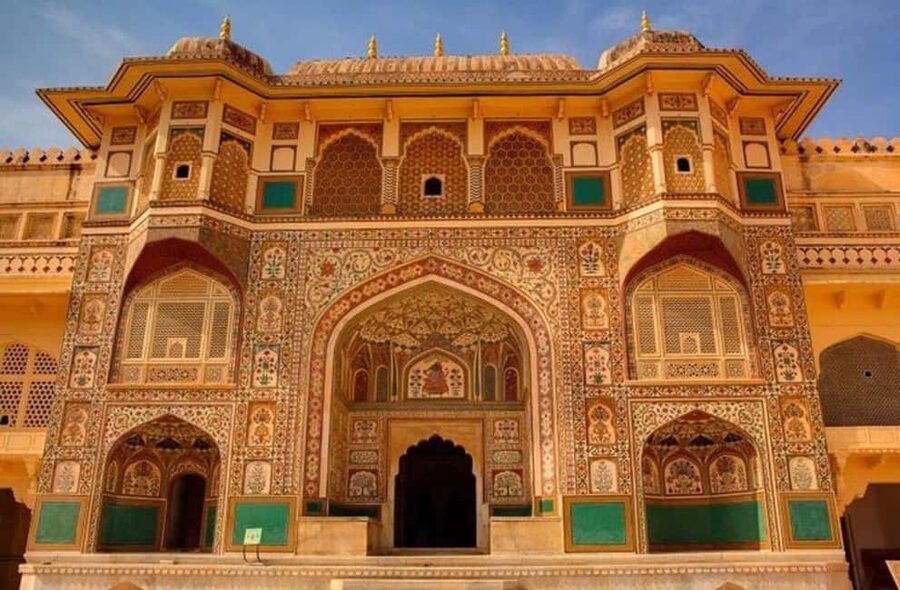
Jaipur provides the most varied sightseeing after Delhi. Amber Fort is the main event. Its courtyards, gates, and hill setting show the power of the former Jaipur rulers. Give yourself time to look beyond the photo stops. The fort’s design is a mix of defensive planning and royal display.
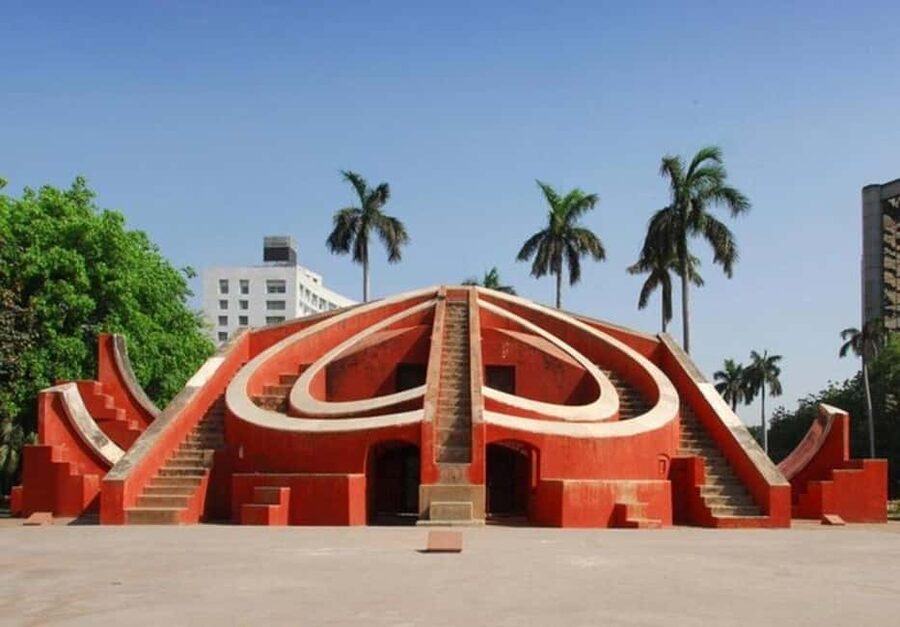
The City Palace continues that theme with courtyards, decorative gateways, and royal rooms. Jantar Mantar is one of Jaipur’s most unusual sights. These huge stone instruments were built to measure celestial positions and time. A good guide makes the place far easier to understand. Sid has been praised for explaining the instruments clearly and showing how the measurements work.
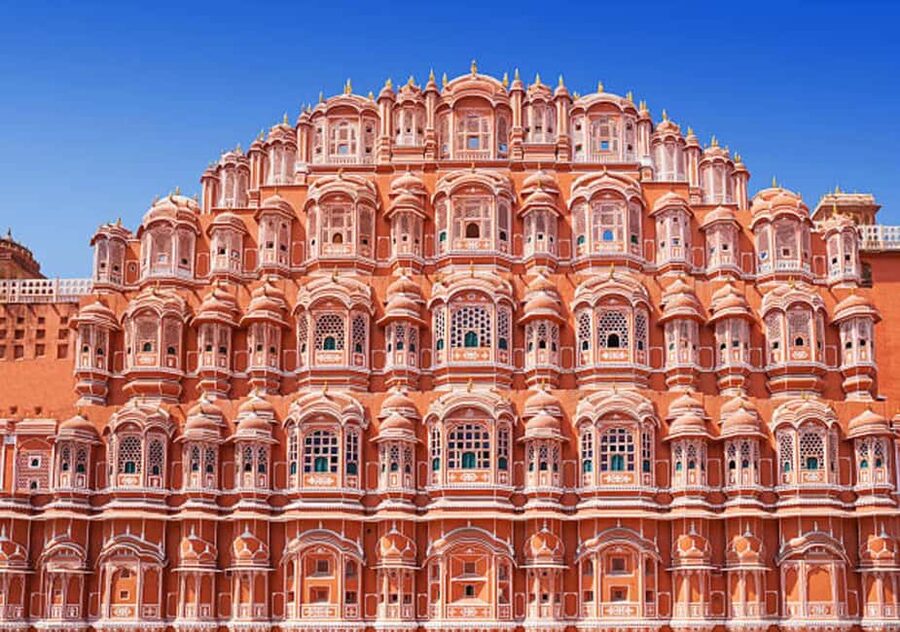
Hawa Mahal is usually a shorter stop, but its honeycomb-like front is one of Jaipur’s familiar images. Jal Mahal gives you another good photograph, with the palace sitting in the water. The itinerary also leaves time for shopping in the Pink City markets. You may find textiles, jewelry, crafts, and other goods, but bargain carefully and never feel obliged to buy.
The seven-day option gives Jaipur two touring days, which is a major advantage. You can visit the large monuments without turning every stop into a race. The shorter versions still cover the main sights, but you will have less room for a slow lunch, a second look, or a change based on your interests.
Pushkar adds a smaller town and a different religious setting
Pushkar appears in the seven-day plan. The town is associated with Brahma, and the Brahma Temple and Pushkar Lake form the heart of the visit. The local market offers a more compact experience than Jaipur’s shopping areas.
Pushkar works best as a contrast to the major cities. You see a pilgrimage center rather than a royal capital, and the pace can feel less focused on grand palaces and forts. A guide can help explain the religious setting and local customs. One guide specifically praised for being friendly and clear in Pushkar is a useful example of the kind of local support you can expect.
The stop is not included in every package, so check the number of days before assuming it is part of your route.
Drivers and guides make or break the experience
The strongest part of this arrangement is the division between your driver and local guides. Your driver stays with you across city borders, while a different guide takes over at each major destination. That means you get local detail without having one guide repeat the same information for a full week.
Drivers are often the people who shape how comfortable the trip feels. Shalin is praised for punctuality, humor, local suggestions, photography, and careful driving. Ashok is described as professional and kind, while Sahil is noted for flexibility and attention to small requests. A good driver also gets you close to monument entrances and helps keep long road days manageable.
Guide quality can vary by city and by individual. Imran in Agra, Sid in Jaipur, and several Delhi guides received especially warm praise for clear explanations. Some guides speak excellent English, while others may be harder to understand. You can request English, French, Japanese, Spanish, or Italian service.
The main caution is shopping pressure. Some guides may add stops at carpet, jewelry, fabric, or souvenir shops. You can politely but firmly say that you are not shopping. A few people also encountered requests for tips or contributions, and one person had to challenge a charge for an entrance that was already included. Keep your confirmation details handy and ask questions before paying.
Hotels, vehicles, and the real value of $135
The price is attractive because it can combine private driving, guides, parking, taxes, water, and hotel arrangements. It is particularly good value for a small group splitting the car cost. The cost is less simple if you add five-star hotels, monument tickets, or extra services.
Accommodation is offered on a twin-sharing basis. Three people normally receive one triple-sharing room, and two rooms cost extra. Five-star hotels received strong praise, while the four-star properties may feel more modest to people used to European hotel standards. If sleep and comfort matter, choose the five-star option where available.
Meals and personal expenses are not included. Budget separately for food, tips, shopping, and anything not listed in the package. Monument entrance fees are included only if you select the option that includes them, so check this before booking.
The transport setup is practical. Solo travelers and couples use an air-conditioned sedan. Groups of three to five get a larger A/C vehicle, and larger parties use a minibus or Tempo Traveller. Pickup and drop-off are available from hotels, airports, and requested locations in New Delhi, Noida, or Gurugram.
Which version should you choose?
Choose three days if you have only a short window and want the classic Delhi, Agra, and Jaipur route. It is efficient but demanding, with the drive to Jaipur after the Agra sightseeing day.
Choose four or five days if the safari matters more than leisurely sightseeing. The four-day plan is especially tight because Ranthambore and Jaipur are compressed. The five-day plan gives you the safari and a full Jaipur day before returning to Delhi.
Choose seven days if you can. Two nights in Agra, time in Pushkar, a dedicated safari day, and two Jaipur days create a much more sensible rhythm. You still cover plenty of ground, but you are less likely to experience the entire trip as one long transfer between monuments.
The private format also suits solo visitors. Pickup, a dedicated driver, and local guides provide structure without placing you in a large group. Solo women in particular may appreciate the predictable transport and daily contact with the organizer, though normal care with money, shopping, and personal belongings remains sensible.
Should you book this Golden Triangle tour?
I would book it if you want India’s major sights without managing every road journey yourself. The drivers are the clear strength, the private setup lets you adjust timing, and the mix of monuments, markets, Pushkar, and safari gives the trip more range than a standard three-city circuit.
I would choose the seven-day plan with five-star hotels if your budget allows. Pick the shorter versions only when your schedule demands it, and confirm exactly what is included in the price, especially hotels, tickets, and the safari.
This is not a quiet or slow holiday. Delhi is intense, the roads are long, and some shopping stops require a firm no. But if you want a practical first look at north India, with a sunrise Taj Mahal visit and a real chance at seeing a tiger, this package offers a lot for the money.
FAQ
How many days can I book this tour for?
You can choose a three-day, four-day, five-day, or seven-day version.
Does every option include a tiger safari?
No. The three-day Golden Triangle plan does not include Ranthambore. The four-day, five-day, and seven-day options include a safari.
Is Pushkar included in every itinerary?
No. Pushkar is included in the seven-day plan, with visits to Brahma Temple, Pushkar Lake, and the local market.
Is hotel accommodation included?
Accommodation is included only if you select the hotel option. People booking without hotels still receive pickup and drop-off at their own accommodation.
What type of vehicle will be used?
One or two people travel in an air-conditioned sedan. Three to five people use an A/C Carens or Innova. Groups of nine to 26 use a Tempo Traveller or minibus.
Are meals included?
No. Meals and personal expenses are not included.
Are monument entrance fees included?
Monument entrance fees are included only when you select the option that includes them. Check this detail when choosing your package.
Can I be picked up from an airport or hotel?
Yes. Pickup and drop-off are available from airports, hotels, and requested locations in New Delhi, Noida, or Gurugram.
Newest safaris around India
- Wild Life Jeep Safari Tour at Bannerghatta with Private Transfer★ 5.0 · 24 reviews
- Explore Bangalore’s Wild Side – An Exclusive Bannerghatta Safari!★ 5.0 · 10 reviews
- Sariska Tiger Reserve Assistance for Gypsy Private Safari Tickets★ 4.0 · 13 reviews
- Chambal River Safari★ 5.0 · 75 reviews
- Sanjay Gandhi National Park + Kenheri Caves + Lion Safari★ 4.4 · 19 reviews
- Sawai Madhopur: Ranthambore National Park Guided Jeep Safari★ 4.4 · 23 reviews
- Ranthambore National Park: Safari Ticket with Pickup Option★ 4.5 · 32 reviews
- Peeps Billions of Star Experience with Desert & Camel Safari★ 4.8 · 18 reviews
New Delhi Safaris, side by side.
Private 4-Day Golden Triangle Tour with Ranthambore Tiger Safari
Read our review →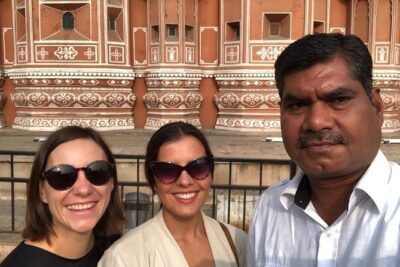
4 Day Golden Triangle with Ranthambore Tiger Safari Tour from Delhi
Read our review →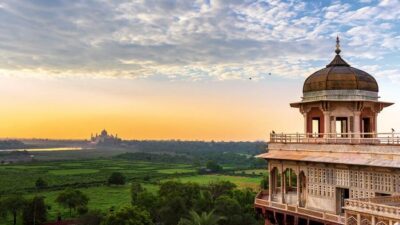

4-Day Golden Triangle & Ranthambore Tiger Safari
Read our review →
5 Day Golden Triangle, Safari, & Bird Sanctuary
Read our review →Lists this safari turns up in