
Review · HIKING & TREKKING
Lamar Valley: Safari Hiking Tour with Lunch
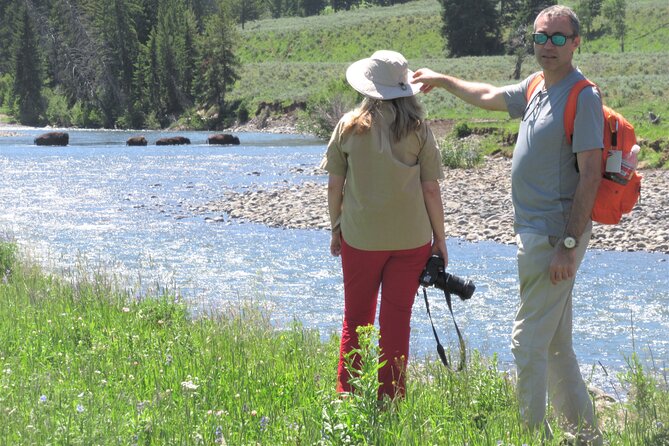
Lamar Valley is Yellowstone at its wildest and most open, a broad sweep of sage, river, and high-country sky where bison and pronghorn often share the view. This six-hour hike takes you away from the road and onto animal trails, with a guide watching the ground, the ridges, and the distant herds.
I like two things right away: you get useful gear, including binoculars, a spotting scope, trekking pole, backpack, and bear spray, and lunch is served beside the Lamar River. The main consideration is the hike itself: six miles at about 6,500 feet, with uphill and downhill sections, in weather that can change quickly.
Another strong point is the guiding. Bob, Dallas, Karlie, Marisa, Chris, and others have been praised for setting a comfortable pace, explaining geology, plants, animals, and park history, and changing course when bison block the trail. You must still bring water and rain gear, and you will need to reach the trailhead on your own.
Key points at a glance

- Wildlife from the trail: Look for bison, pronghorn, elk, wolves, bears, badgers, and birds with binoculars and a group spotting scope.
- A true walking experience: The route covers about six miles through Lamar Valley, rather than keeping you in a vehicle.
- Riverside picnic: Your brown bag lunch is eaten near the Lamar River, giving the middle of the hike a calm, scenic pause.
- Safety gear supplied: The outfitter provides bear spray, a trekking pole, day pack, binoculars, and a spotting scope.
- Guides adjust to the group: Past guides such as Bob, Dallas, Marisa, Karlie, and Chris have been praised for pacing and route changes.
- High-elevation effort: The hike is at about 6,500 feet and runs rain or shine, so fitness and clothing matter.
Why Lamar Valley is worth walking

Many Yellowstone wildlife outings keep you beside the road. That can work well for a quick sighting, but walking gives you a slower look at the valley. You notice sage underfoot, animal tracks, the shape of the river, and the way a herd changes position across open ground.
Lamar Valley is often called the Serengeti of North America because of its large, visible herds and open views. The comparison is useful, though this is not a safari drive. You are hiking at elevation, carrying your water, and keeping a respectful distance from wild animals.
The scenery is broad rather than dramatic in the postcard sense. The reward is space. You can scan the valley for movement, stop to watch a herd, and let your guide explain what you are seeing. Bison and pronghorn are the most likely animals to define the outing, but the list also includes bear, wolf, elk, badger, and many birds. Wildlife sightings are never guaranteed, so book this for the setting and the field experience, not for a promise of a particular animal.
More Walking and Trekking in the USA:
- Rainforest Hike and Waterfall Safari
★ 5.0 · 567 reviews - Howth Safari Hiking Tour
★ 5.0 · 279 reviews - Khao Sok: Private Day Trekking, Jungle Dinner & Night Safari
★ 4.7 · 206 reviews
Starting at 8 am with warm drinks and useful gear
You meet at 8 am at the Lamar River Trailhead, the hiker trailhead rather than the nearby stock trailhead. The morning begins with a snack and hot coffee, tea, or cocoa while you get organized.
This early start makes sense. Morning light is good for scanning open slopes, and the valley is a long drive from the nearest towns. It also gives you a full six hours before the return to the parking lot. Bring your own water, since it is required and not supplied.
The guide provides a backpack for your necessities, a trekking pole, binoculars, and bear spray. A group spotting scope adds another useful tool when animals are too far away for ordinary binoculars. The equipment takes some pressure off packing, but it does not replace proper clothing. Wear comfortable shoes and bring a rain jacket or other rain gear. The outing runs in wet weather, and rain gear is required.
Before setting out, the guide gives a safety presentation. This is not filler. Bison can look slow and harmless, but they are powerful wild animals. Bear spray is supplied as a precaution, and the rules are simple: do not feed animals, touch them, ride them, or use drones. Pets are not allowed.
Following animal trails across six miles of valley

The hike crosses the Lamar Valley toward the Lamar River. The route includes uphills and downhills, so you should expect more than a flat stroll beside the road. At 6,500 feet, even a moderate pace can feel demanding if you are not used to elevation.
The guide’s role is especially valuable here. A good wildlife walk is not just about spotting a dark shape through glass. Your guide can point out plants, geology, animal behavior, and signs along the trail. The guides on this outing have also adjusted the route when bison occupied the path. Marisa, for example, rerouted the group twice and kept the group feeling safe. That sort of judgment is hard to replace with a printed park map.
Dallas has been praised for checking the group’s pace and making sure everyone could keep up. Bob tailored the hike to a small group and covered plants, history, geology, and animals. Chris was singled out for making the hike feel safe and relaxed. Karlie has led groups to good pronghorn sightings and brought an upbeat approach. These details suggest a useful range of guiding styles, but your exact experience will depend on who leads your departure.
You may stop to smell the sage along the route. That sounds like a small detail, yet it captures the difference between driving through Lamar Valley and walking through it. The scent, the footing, and the changing distance from the river become part of the outing.
The guide also brings Native American history into the day. The information provided does not specify which stories or nations will be covered, so you should treat this as a general cultural and historical component rather than a dedicated Native American history tour.
Wildlife watching without chasing animals

The best approach in Lamar Valley is patience. You might see bison close to the route, pronghorn spread across the open ground, or birds moving through the river corridor. You might also get lucky with a larger predator.
One group had a beautiful grizzly sighting along the river, an especially meaningful moment because the guide helped everyone stay safe. That is the key point: the guide does not simply lead you toward animals. The guide helps you judge distance, direction, and when to change course.
The group spotting scope can make a distant animal feel much more real. Binoculars are supplied too, so you can keep watching after the scope moves to another person. Still, you should not expect a private viewing platform or a guaranteed close encounter. Wild animals control the schedule.
Bison may be the reason you book, but they can also be the reason the route changes. That is a positive sign, not a problem. A guide who reroutes rather than presses forward is doing the job correctly. Keep your own expectations flexible, and you will get more from the day.
More safaris with lunch in the USA:
- Ultimate Island Jeep Safari with Natural Pool, Baby Beach & Lunch
★ 5.0 · 8,653 reviews - Antalya: Ziplining, Rafting, Jeep Tour & Quad Safari w/Lunch
★ 4.6 · 3,260 reviews - Koh Samui: Mr.Ung’s 4WD Wild Jungle Safari Tour with Lunch
★ 4.7 · 2,956 reviews - City of Side: Jeep Safari & Green Lake Boat Trip with Lunch
★ 4.9 · 2,919 reviews
Lunch beside the Lamar River

The hike reaches the Lamar River for a picnic lunch. The river stop breaks up the walking and gives you time to eat, drink, and take in the valley without hurrying to the next sighting.
Lunch is a brown bag picnic, included in the price. One guest specifically found it delicious, but the supplied details do not list the menu. If you have allergies or dietary needs, ask the provider before booking rather than assuming the lunch can be changed.
A riverside picnic also has practical limits. You are outdoors, not in a cafe, so bring your rain layer and be ready for cool or changing conditions. Water is not included, and you must bring enough for the full six-hour hike. The setting is part of the meal, but it does not remove the need to prepare.
After lunch, the group returns to the Lamar River Trailhead. The total outing lasts about six hours, including the morning snack, safety briefing, walking, wildlife stops, and lunch.
The meeting point requires careful planning

The Lamar River Trailhead is remote, and there is no hotel pickup or drop-off. You need your own vehicle or another way to reach the meeting point, and you must also handle Yellowstone’s entrance fee separately.
From Gardiner, Montana, or Tower Junction, the trailhead is about 14.8 miles from Tower Junction, roughly 25 minutes by the stated route. Turn onto Highway 212 toward Cooke City. After driving through Lamar Valley, you pass the Lamar River Stock Trailhead, which is for horse users. The hiker trailhead is another quarter mile upstream, at a large parking area with a small footbridge.
Pay attention here. The stock trailhead has two latrines and is the last listed bathroom stop. The hiker trailhead has no latrines. Plan accordingly before the 8 am start.
From Cooke City, Montana, the drive is about 18.3 miles, or roughly 30 minutes. The trailhead is about half a mile past the small white Soda Butte thermal formation. The meeting point is not a general Lamar Valley pullout, so confirm that you are heading to the Lamar River Trailhead for hikers.
Is $192 a fair price?

At $192 per person, this is not a cheap park activity. You are paying for six hours with a professional wildlife guide, route judgment around large animals, supplied binoculars and spotting scope, bear spray, trekking pole, day pack, morning snack, hot drink, and picnic lunch.
The value depends on what you want from Lamar Valley. If you only want to drive the road and stop at overlooks, the price may feel high. If you want to walk six miles, learn how to read the valley, and avoid handling all the safety and wildlife decisions yourself, the cost is easier to justify.
I see the strongest value in the guide and the equipment. A spotting scope can cost a great deal to buy, and bear spray is not something every visitor wants to purchase for one park day. More important, a guide can change the route when bison are in the way and help you respond to a bear sighting without panic.
The price does not include park entrance fees, transportation, water, or rain gear. Those extra costs are reasonable to plan for, but they should be part of your budget from the start.
Who should book this hike?

This outing suits adults and older children who enjoy walking and want a closer look at Yellowstone’s wildlife than a roadside stop usually provides. Children under eight are not accepted. The activity is not suitable for wheelchair users, people with heart problems, or people over 80, and the six-mile route at elevation is the real reason to take those limits seriously.
You should be comfortable walking on uneven trail with some uphill and downhill sections. If you are unsure about the distance, ask before booking. The guide can set a pace for the group, but this is still a hike, not a short nature walk.
It is a particularly good choice if you are nervous about wildlife safety. The guides have shown they can explain the park, monitor the group, and reroute around bison. It also suits you if you want context about plants, geology, Native American history, and animal behavior rather than a simple list of sightings.
It is less suitable if you need a guaranteed bear or wolf sighting, dislike changing weather, or prefer not to drive to a remote trailhead. You also should not choose it if you want a private vehicle safari or a mostly flat route.
What your morning may look like

A typical day begins with coffee, tea, or cocoa and a small snack at the Lamar River Trailhead. You collect the supplied gear, hear the safety briefing, and begin walking into the valley.
The middle portion combines steady hiking with stops to scan for wildlife. Your guide may pause for bison, pronghorn, birds, or a distant animal, then explain what is happening. If animals occupy the route, the group may take another line.
Near the Lamar River, you stop for the included picnic lunch. Afterward, you walk back to the same trailhead, finishing after about six hours. The schedule is structured, but the wildlife is not. That uncertainty is part of the appeal.
The outing has earned a 4.6 rating from 44 bookings, with especially strong praise for guide friendliness, safety, pacing, park knowledge, and the feeling that the experience was more rewarding than going alone. I would give those points real weight because they match what matters most on a wildlife hike: sound judgment, clear explanations, and a pace you can manage.
Should you book the Lamar Valley hike?
Book it if you want to walk through Yellowstone’s best-known wildlife valley with the support of a guide, and if six miles at 6,500 feet sounds manageable. The combination of supplied gear, wildlife instruction, Native American history, and a riverside lunch gives the day more substance than a quick roadside stop.
Skip it if you need transportation, indoor comfort, guaranteed sightings, or an easy flat path. Bring water, rain gear, sturdy shoes, and patience. If you do, this is a strong way to spend a full morning and afternoon in Lamar Valley, especially for your first visit or for a return visit when you want to get beyond the car window.
FAQ
Where does the hike begin?
Meet your guide at the Lamar River Trailhead, also called the hiker trailhead, at 8 am. Do not use the nearby Lamar River Stock Trailhead, which is for horse users.
How long is the activity?
The experience lasts about six hours and covers approximately six miles of trail.
What elevation is the hike?
The hike takes place at about 6,500 feet and includes uphill and downhill sections.
What wildlife might I see?
Possible sightings include bison, pronghorn, bears, wolves, elk, badgers, birds, and other wildlife. Sightings are not guaranteed.
What equipment is provided?
The tour provides binoculars, a group spotting scope, a backpack, trekking pole, and bear spray. A morning snack, hot drink, and brown bag picnic lunch are also included.
Do I need to bring water and rain gear?
Yes. You must bring water and a rain jacket or other rain gear. The hike operates rain or shine.
Is transportation from my hotel included?
No. Hotel pickup and drop-off are not included, and you must reach the Lamar River Trailhead yourself. Park entrance fees are also separate.
Can children or wheelchair users join?
Children under eight are not accepted. The activity is not suitable for wheelchair users, people with heart problems, or people over 80.
Newest safaris around the USA
- 3 Hour See Crystal River Wildlife Safari Boat Cruise★ 4.5 · 25 reviews
- Northern Yellowstone Safari from Cody, WY★ 4.5 · 24 reviews
- Red Canyon Wild Mustang Tours And Safaris In Cody Wyoming★ 5.0 · 27 reviews
- Wetlands Safari Eco-Cruise in Cape May (Osprey Birding By Boat)★ 5.0 · 113 reviews
- Yellowstone Wildlife Safari from Bozeman – Private Tour★ 5.0 · 140 reviews
- Yellowstone Winter Wildlife Safari from Bozeman★ 5.0 · 42 reviews
- Yellowstone Snowshoe Safari from Bozeman – Private Tour★ 5.0 · 18 reviews
- Yellowstone Wildlife Safari in Lamar Valley from Bozeman★ 5.0 · 35 reviews
Hiking & Trekking, side by side.
Khao Sok: Private Day Trekking, Jungle Dinner & Night Safari
Read our review →
El Calafate: Safari Azul Los Glaciares Trekking Tour
Read our review →
3 Days gorilla trekking Safari tour in Uganda
Read our review →
Dovrefjell National Park: Hiking Tour and Musk Ox Safari
Read our review →
8-Day Murchison Falls, Chimp and Epic Gorilla Trekking Safari
Read our review →
Lists this safari turns up in