
Review · HISTORICAL TOURS
Marangu waterfall & Coffee making Cultural Tour | BURIGI CHATO SAFARIS CO LTD
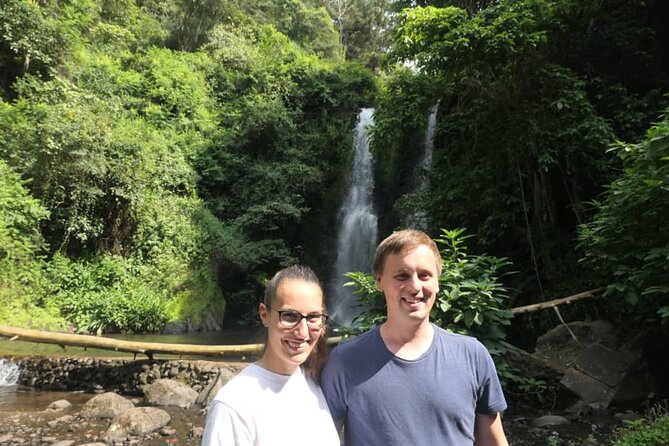
Marangu is more than a waterfall stop. This day trip brings together Chagga culture, coffee, caves, and mountain scenery in one long outing on the lower slopes of Kilimanjaro. You hike through green country to Ndoro Waterfalls, learn how local coffee is made, and sit down to a traditional meal.
I like the hands-on coffee session, where you help process, roast, and prepare your own cup. I also like the chance to see Chagga life beyond a standard sightseeing stop, especially through the underground caves and outdoor museum. The main drawback is the long 8-hour schedule. The waterfall walk can also be slippery, and the pool may feel very cold.
Key points to know before booking
- Coffee is hands-on: You learn how beans are grown, harvested, processed, roasted, and brewed, then prepare a cup yourself.
- The waterfall requires a hike: Ndoro Waterfalls is reached through lush greenery, not by simply stepping out of the vehicle.
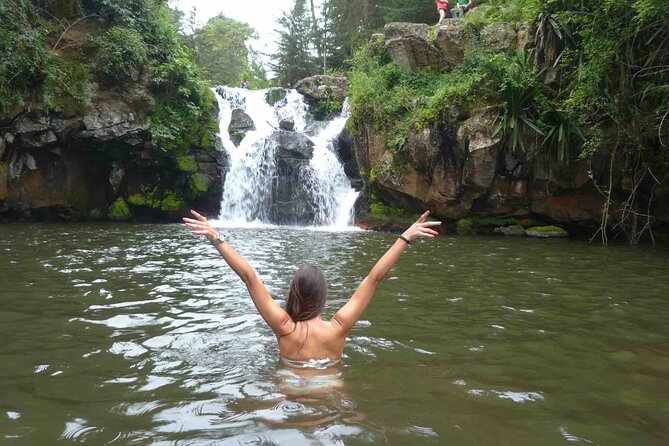
- Swimming is possible: The pool below the falls is considered suitable for a refreshing dip, but the water can be very cold.
- Chagga culture shapes the whole day: The caves, museum, food, local plants, and banana beer all add context to Marangu.
- Lunch is included: Expect a traditional hot meal, with a possible stop at a local restaurant or family setting.
- Check the operator details: The experience title names Burigi Chato Safaris, while the provider information gives Tanzania Serengeti Safaris. Confirm pickup and operator details when booking.
Why Marangu makes a good Kilimanjaro day trip
Marangu sits on the lower slopes of Kilimanjaro and serves as the starting point for climbs using the Marangu Route. You do not need to be preparing for a summit attempt to appreciate the area. A day here gives you mountain scenery, village life, farm work, and local history without committing to a multi-day trek.
The morning begins around 8:00 a.m. from Arusha. Hotel pickup can be arranged on request, but the supplied details do not say that every hotel pickup is automatically included, so confirm this before paying. The activity ends back at the meeting point.
Your first sense of the mountain comes near Marangu Gate, at about 1,900 meters. This is a useful stop for photos and orientation. On a clear day, you may see Kilimanjaro, though mountain weather can affect the view. The gate also helps explain why Marangu has such a strong connection with trekking, farming, and tourism.
Do not expect a quiet private outing by default. The stated maximum is 200 participants, which is a large possible group, even though some departures may be much smaller. If you want a more personal cultural visit, ask about the expected group size and guide arrangement before booking.
More coffee stops in Arusha:
- 6 Days Serengeti Safari(hiking waterfalls &coffee tour)
★ 5.0 · 48 reviews - Materuni Waterfalls & Coffee making Cultural Tour | BURIGI CHATO SAFARIS LTD
★ 5.0 · 15 reviews - Cappadocia Off-Road Jeep Safari Experience with Free Coffee
★ 4.9 · 19 reviews
Walking to Ndoro Waterfalls
The waterfall section is the most physical part of the day. You follow a route through green vegetation toward Ndoro Waterfalls, with the guide explaining the surrounding plants and the area’s connection to village life. The walk is described as enjoyable and scenic, but you should wear shoes with a firm grip rather than smooth-soled trainers.
The falls provide more than a photo stop. You can take in views toward the village and, from higher points, perhaps see Moshi and parts of the surrounding country. Some accounts describe the falls as among the tallest in Tanzania, but the supplied information does not give an official height, so I would treat that description as a general impression rather than a measured fact.
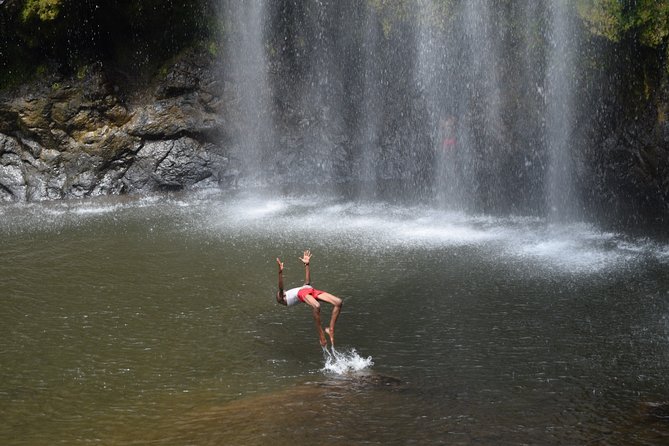
Swimming is one of the appealing extras. The pool is considered safe for swimming, but the water can be very cold. You should also stay well away from the edge and the top of the falls. The drop is serious, and wet rock makes casual exploration a bad idea. Bring a swimsuit and a towel only if you genuinely want to swim, since the waterfall walk is worthwhile even without getting in the water.
The trail may be less comfortable in wet conditions. No exact trail distance or difficulty rating is provided, so people with mobility concerns should ask for current route details before booking. The activity says most people can participate, but that does not mean the walk is suitable for every level of fitness.
Learning coffee from plant to cup
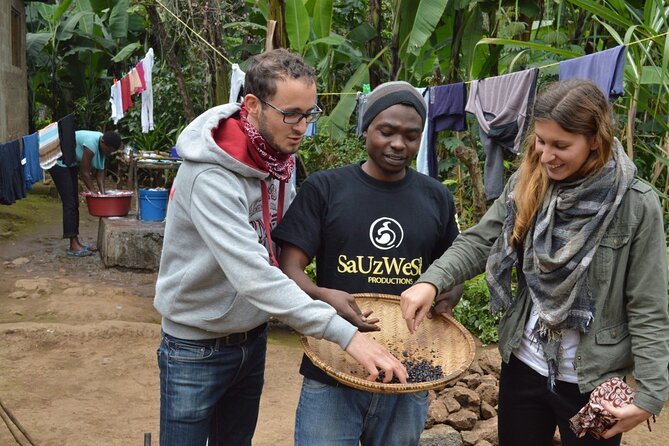
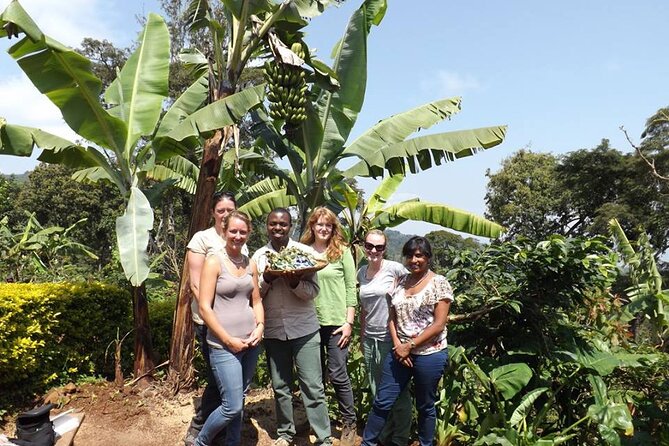
The coffee farm visit gives the day its strongest hands-on feature. Instead of only looking at coffee plants, you learn the basic chain from crop to drink. The process includes growing, harvesting, processing, roasting, and preparation.
You also get to help with the work. That matters because coffee production can sound simple until you see how many steps come before the first sip. The session connects the fertile slopes around Kilimanjaro with an everyday product you may otherwise experience only in a café.
The final cup is prepared by you, not simply poured for you. That makes this a good choice if you enjoy practical demonstrations and local food or drink traditions. The supplied information does not specify the coffee variety, farm size, or exact processing method, so do not book expecting a formal tasting course or a large commercial plantation tour. It is presented as a small local farm experience.
The coffee stop also offers a natural pause between the waterfall hike and the cultural visits. Take the chance to ask how coffee fits into household income and village life. The guide may also point out other plants used around homes and property boundaries. This is one of the more useful ways to understand the area as a working place, not just a scenic backdrop.
Entering the Chagga underground caves
The Chagga Underground Caves add a more serious tone to the day. According to the historical account presented on the tour, Chagga communities built networks of underground passages as protection during periods of conflict, drought, migration, enslavement, and killing involving Maasai groups moving up the lower slopes.
A guide illustrates this history while you walk through the caves. You should listen carefully and treat the account as a local interpretation of a difficult past. History in a small cultural museum is often presented through oral explanation, family memory, and place-based storytelling rather than long written panels.
The caves are not simply an unusual tunnel to explore. They help explain how communities adapted to danger and limited resources. They also show why a visit to Marangu cannot be reduced to waterfalls and coffee.
You may find the cave section dark, uneven, or confined. The supplied details do not specify the exact length of the underground route or the lighting conditions, so ask your guide if you have concerns about enclosed spaces. Keep your hands free where possible and follow instructions closely.
More History Tours in Arusha:
- Dubai Evening Heritage Safari by Vintage G Class Al Marmoom Oasis
★ 5.0 · 1,500 reviews - Dubai Camel Desert Safari, Traditional Meal & Heritage Activities
★ 5.0 · 937 reviews - Dubai: Heritage Safari in Vintage Land Rover with Dinner
★ 4.8 · 861 reviews - Dubai: Heritage Safari, Camel Ride & Al Marmoom Oasis Dinner
★ 4.8 · 431 reviews
Meeting Chagga traditions at the Live Museum
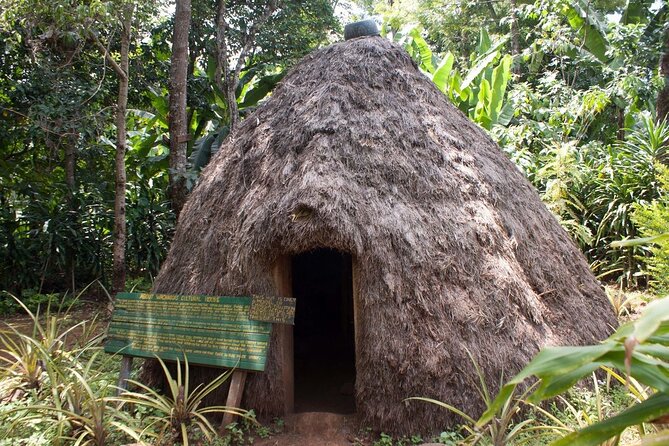
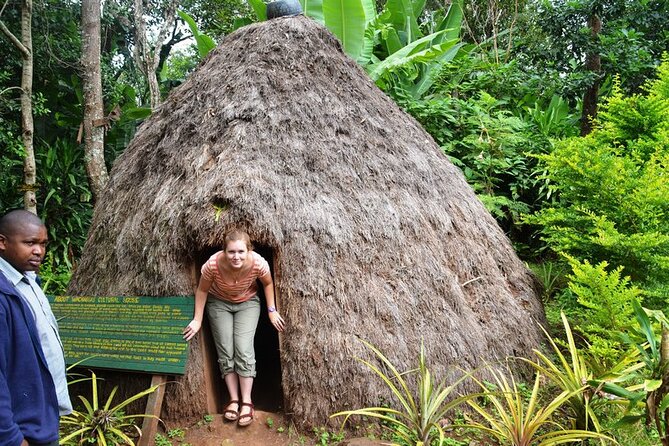
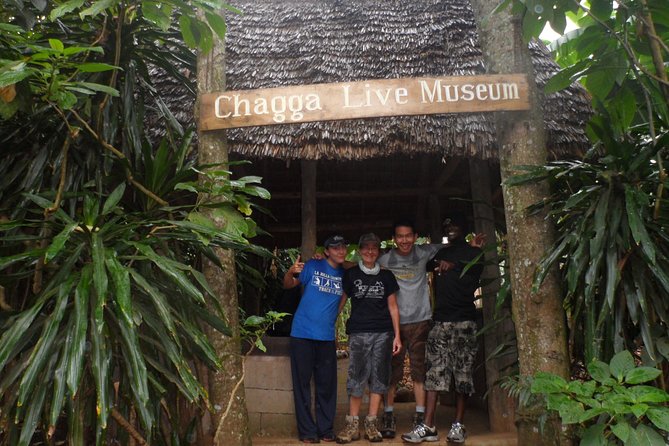
The Chagga Live Museum is a small outdoor museum focused on traditional Chagga life. It gives you a second setting for understanding the community after the cave visit. Instead of only hearing about past conflict, you see examples of domestic life, food, building styles, and customs.
The wider tour includes references to homes with straw roofing, local plants, and the way families use land. These details are modest, but that is part of the appeal. You are not being shown a grand palace or a polished theme park. You are getting a brief look at how people lived and worked around the mountain.
The quality of this stop depends heavily on the guide. A good guide can connect the displays to the farms, paths, and homes you have already passed. Geofrey is one guide associated with arrangements for this experience, and the feedback supplied describes guides explaining local plants, village stories, and Chagga traditions in detail. Guide assignments can change, so do not assume Geofrey will lead your departure unless the company confirms it.
Photography is best handled with courtesy. Ask before photographing people, homes, or demonstrations. A cultural visit works better when you give the people you meet the same respect you would expect in your own home.
Lunch, banana beer, and the taste of local life
Lunch is included, along with fees and crew wages. The meal is described as a traditional hot lunch, with stops at a small restaurant or, in some arrangements, a local family setting. That setting can make the meal feel more personal than a standard restaurant stop, but the exact venue is not guaranteed.
You may sample local spirits such as banana beer, also described in the supplied material as a local brew. Treat it as an optional cultural taste, not a required part of the day. If you do not drink alcohol, say so clearly to the guide. The tour price includes lunch, but the information does not promise that every drink or extra purchase is covered.
Food is one of the best ways to make the cultural portion feel real. You are not simply hearing that bananas and other crops matter in the region. You are seeing how local ingredients become part of a meal shared during the visit.
Dietary information is not provided. If you have allergies, religious food rules, or other restrictions, ask the operator before booking. Do not assume a substitute meal will be available unless it is confirmed.
What the $150 price really covers
At $150 per person, this is not a cheap waterfall outing. The price makes more sense if you want a full cultural day with several stops rather than one short nature visit. Lunch, entrance fees, crew wages, and a first aid kit are included, which removes some common extra costs.
The value comes from variety. You get a waterfall hike, coffee preparation, cave history, museum time, food, and a mountain setting in one day. If you only want to swim beneath a waterfall, a simpler excursion may offer better value. If you are interested in how people live around Kilimanjaro, the additional cultural stops justify more of the price.
Several costs are not included. Flights, visas, tips, hotel costs, additional park fees, and other personal expenses remain your responsibility. Pickup is offered on request, but confirm if it carries an additional charge or if your accommodation falls within the service area.
The large possible group size is the biggest value question. A small group could make the coffee work, cave visit, and local conversations more rewarding. A large group may mean more waiting and less time for personal questions. Ask before booking if group size matters to you.
How to prepare for this 8-hour outing
Start with comfortable clothing and shoes that can handle a damp or uneven path. A swimsuit, towel, sun protection, and a light layer are sensible additions, although the supplied details do not specify facilities for changing clothes.
Carry water and keep your phone or camera protected around the falls. The tour includes a first aid kit, but that does not replace sensible footwear and careful movement near wet ground.
The day begins at 8:00 a.m., so plan for a full outing rather than a quick morning activity. The schedule includes several stops, and the drive from Arusha forms part of the day. Since exact driving times and stop lengths are not provided, leave your evening open.
Tipping is not included. The amount is your choice, but keep some Tanzanian shillings or another accepted payment method available if you want to thank the guide or crew.
Free cancellation is available if you cancel at least 24 hours before the start time. Cancellations made inside that window are not refunded, and late changes are not accepted.
Who should book this Marangu experience?
I would choose this tour if you want a broad introduction to the Kilimanjaro foothills and prefer culture mixed with outdoor activity. It suits people who enjoy asking questions, trying local food, handling coffee beans, and learning why a place matters.
It also works well as a day trip before or after a safari, provided you have enough time for the full schedule. The waterfall gives you fresh air and exercise, while the museum and caves provide a stronger sense of place than a quick scenic stop.
I would hesitate if you dislike long days, uneven walking, cold water, or historical discussions about conflict. I would also think twice if you need a tightly timed private tour, because the maximum group size is listed as 200 and the exact format of your departure is not stated.
Should you book it?
Book it if you want more than a waterfall photo. The best parts are the coffee work, the Chagga cultural sites, the traditional lunch, and the chance to connect Marangu’s farms and stories with Kilimanjaro itself.
Before paying, confirm the pickup arrangement, expected group size, operator name, guide, and whether any extra park charge applies. If those details suit you, the $150 price buys a full and varied day. If your priority is only swimming at a fall, choose a shorter outing instead.
FAQ
Where does the tour start?
The tour starts in Arusha, Tanzania, at 8:00 a.m., and ends back at the meeting point.
Is hotel pickup included?
Hotel pickup is available on request. The provided details do not state that pickup is automatic for every hotel, so confirm the arrangement with the operator.
How long does the tour last?
The experience lasts about eight hours.
What is included in the price?
Lunch, all listed fees and taxes, crew wages, and a first aid kit are included.
What is not included?
Flights, tips, visas, additional park fees, hotel costs, and other personal expenses are not included.
Can I swim at the waterfall?
Yes, the waterfall pool is described as suitable for swimming. The water can be very cold, and you should use caution around the falls and wet rocks.
Will I make coffee myself?
Yes. You learn about growing, harvesting, processing, and roasting coffee, then prepare a fresh cup yourself.
Can I cancel for a full refund?
Yes, if you cancel at least 24 hours before the experience start time. Cancellations made less than 24 hours before the start time are not refunded.
Newest safaris around Arusha
- 7 days great migration safari★ 5.0 · 77 reviews
- 4 days safari★ 5.0 · 34 reviews
- 6 days Tanzania budget safari★ 5.0 · 65 reviews
- Amazing 4 Days Tanzania Budget Camping Group Joining Safari★ 5.0 · 15 reviews
- 5 days safari, hiking & culture (Serengeti & kilimanjaro)★ 5.0 · 27 reviews
- Best 5 Days Tanzania Private Luxury Safari with luxury Lodges★ 5.0 · 12 reviews
- Serengeti & Ngorongoro fly in safari★ 5.0 · 76 reviews
- 8 Days 7 Nights Tanzania Wildlife & Culture Lodge Safari★ 5.0 · 17 reviews
Historical Tours, side by side.
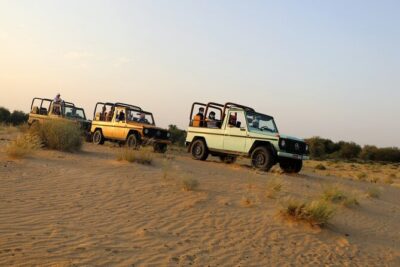
Dubai Evening Heritage Safari by Vintage G Class Al Marmoom Oasis
Read our review →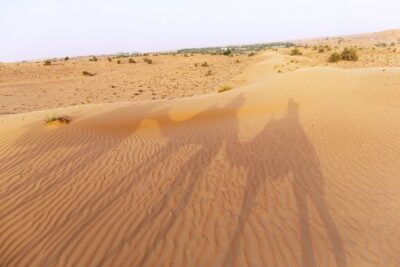
Dubai Camel Desert Safari, Traditional Meal & Heritage Activities
Read our review →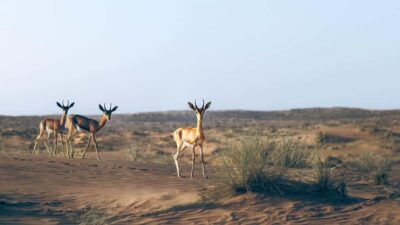
Heritage Safari in Vintage Land Rover with Dinner
Read our review →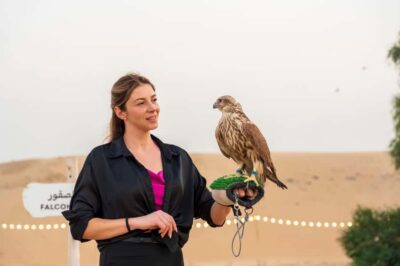
Heritage Safari, Camel Ride & Al Marmoom Oasis Dinner
Read our review →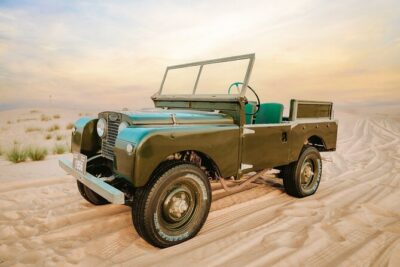
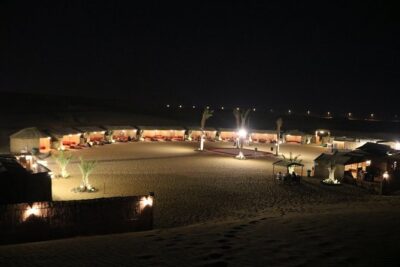
Desert Safari with Entertainment & BBQ Dinner-Heritage Camp
Read our review →
Dubai Evening Desert Safari With BBQ Dinner at Arabian Heritage
Read our review →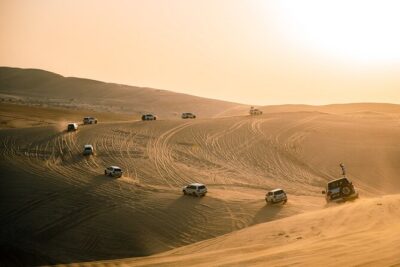
Lists this safari turns up in