Review · OVERNIGHT & CAMPING SAFARIS
Nairobi: 4 Day Masai Mara and Lake Nakuru Camping Safari
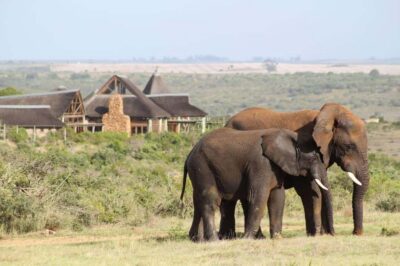
The best part of this four-day safari is the contrast: one day you are watching lions, elephants, and crocodiles across the Maasai Mara, and the next you are looking for white rhinos and pink flamingos at Lake Nakuru. The trip also includes a sunset game drive on arrival, so you start seeing wildlife before the first night is over.
I like the simple but self-contained Mara tents, which give you a private bathroom and electricity without losing the feeling of sleeping beside the reserve. I also like the route itself. You get the Great Rift Valley viewpoint, two nights near the Mara, and a final night in a proper hotel near Nakuru. The main catch is the price: the advertised $360 does not include park fees, which can add $290 in the low season or $490 in the high season.
Key points before you book
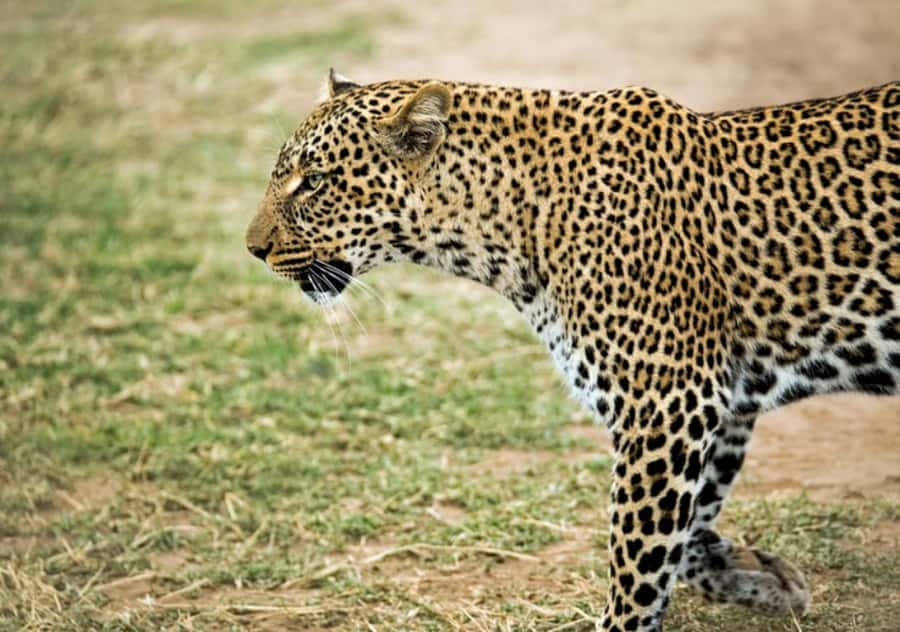
- Three distinct wildlife outings: A sunset drive in the Mara, a full-day Mara safari, and a three-to-four-hour drive in Lake Nakuru National Park.
- Big Five potential: Lions, elephants, rhinos, leopards, and buffalo are all part of the search, though wildlife sightings can never be promised.
- Two very different parks: The Mara is wide open and famous for predators, while Nakuru is smaller and better suited to a shorter visit.
- Practical camping: The Mara tents are large, self-contained, and supplied with electricity, but water or power interruptions can occur.
- Optional cultural and lake stops: You can add a Maasai village visit for $20 or a Lake Naivasha boat ride for $30.
- Important total-cost check: Park fees are separate unless you choose the package that includes them.
Why this route works in only four days
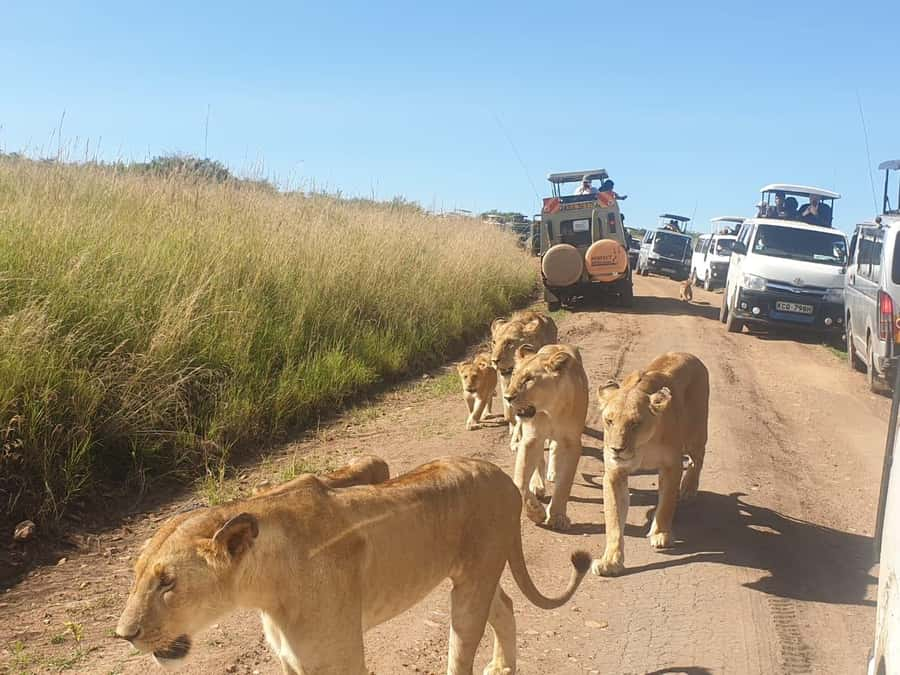
This is a fast safari, but it covers two of Kenya’s best-known wildlife areas without trying to cram in a third major park. The first two nights are spent around Maasai Mara, giving you enough time for both an arrival drive and a full day in the reserve. The last night is near Nakuru, which makes the final morning practical rather than exhausting.
You will spend plenty of time on the road. Nairobi to the Mara is a long drive, and the return route toward Nakuru takes much of the third day. That is the tradeoff for a four-day price and schedule. You see a good range of Kenya, but this is not a slow, luxurious safari with long afternoons at camp.
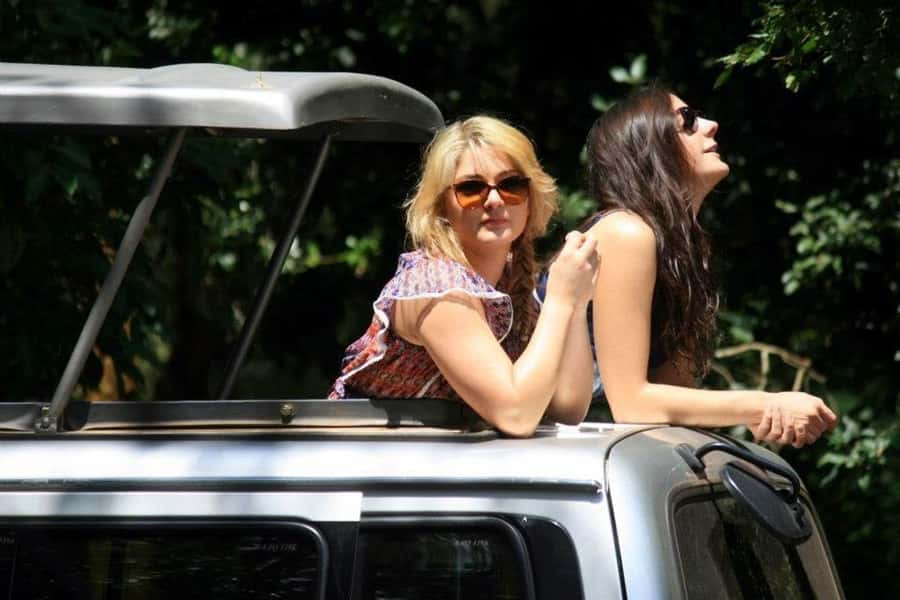
Transportation is by safari vehicle with a pop-up roof. That roof matters. It lets you stand or sit higher for photographs and gives you a clear view when animals appear beside the vehicle. A 4×4 Land Cruiser Jeep is available if you select that option, so check the exact vehicle and package before paying.
More Overnight Safaris in Kenya
- Nairobi: 4-Day Maasai Mara & Lake Nakuru Camping Safari
★ 4.5 · 77 reviews - Masai Mara 3 Days Luxury Tented Safari
★ 5.0 · 64 reviews - 4 Days Masai Mara & Lake Nakuru Lodge Safari
★ 5.0 · 40 reviews
Day 1: Nairobi, the Rift Valley, and a Mara sunset
Pickup is scheduled for about 8 a.m. from a Nairobi hotel, with airport pickup also available at no extra cost. Wait in the hotel lobby about 10 minutes before the agreed time. The driver asks for you at reception, so waiting outside can create an unnecessary delay.
The first notable stop is the Great Rift Valley viewpoint. You get about 10 to 15 minutes there, enough for a quick look and photographs. Do not expect a long geology lesson or a half-day sightseeing stop. This is a useful break during a long transfer and a chance to see the scale of the valley before heading toward the Mara.
Lunch is served at the camp after arrival. Once you check in, the afternoon turns into your first game drive, timed for sunset. This is a smart use of the arrival day. Instead of reaching camp late and spending the evening indoors, you get an early look at the reserve and may catch animals becoming active in the cooler light.
The Maasai Mara is mainly open grassland, and wildlife is especially concentrated toward the western side of the reserve. The setting is the classic safari scene: broad plains, scattered animals, and long views from the vehicle roof. You return to camp for a buffet dinner and your first night in a large tent.
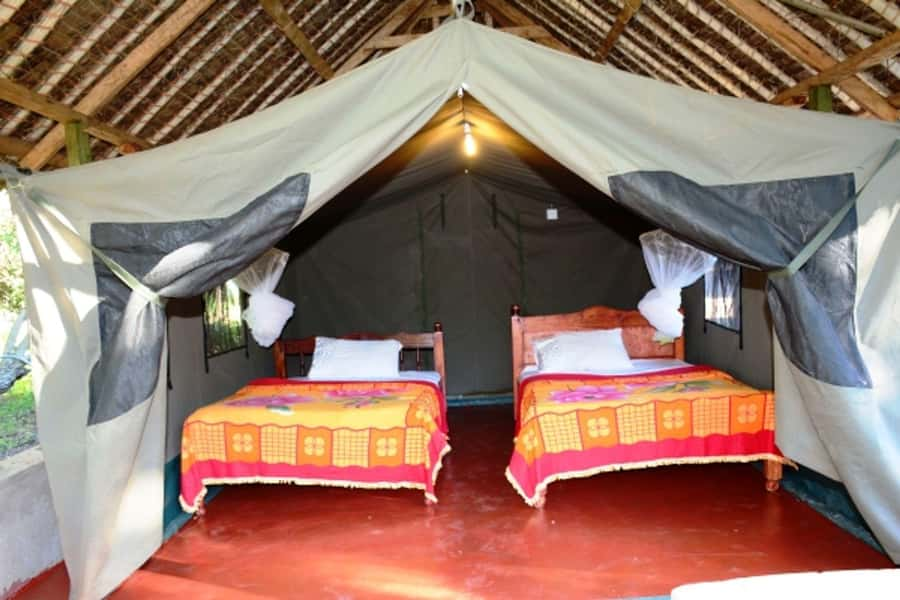
The accommodation is described as Enkajiang Camp, Rhino Tourist Camp, or a similar property. The important point is the standard rather than the exact name: these are budget camp accommodations with private bathrooms and electricity. A stay like this gives you more comfort than a basic tent with shared facilities, but it is not a luxury lodge.
The Mara camp: comfort with a few rough edges
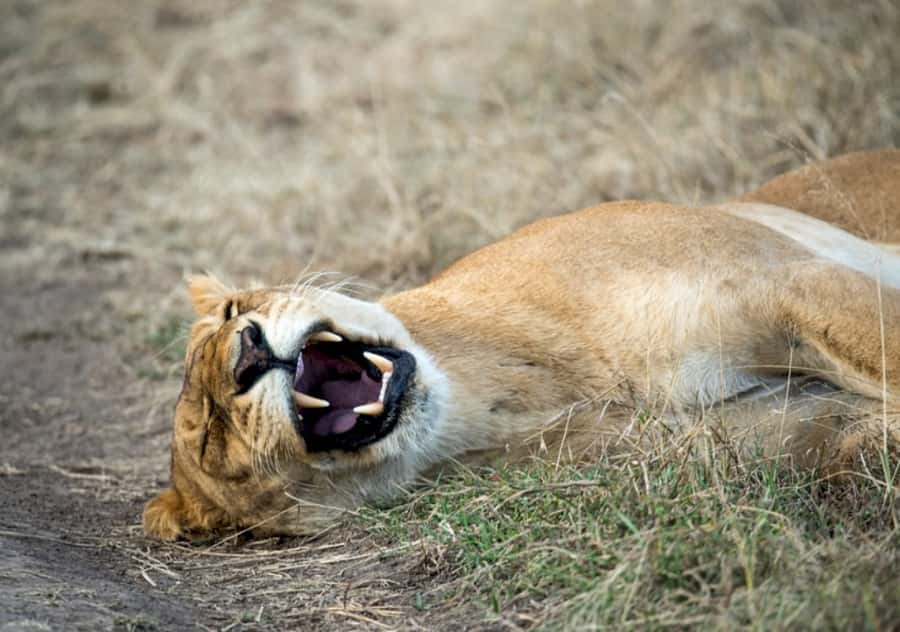
The tents are spacious and self-contained, which makes the two-night stay much easier. You have a shower, toilet, and electricity, so you can charge devices and clean up after a dusty drive. The camp is also close to the reserve, and one account of the stay described seeing giraffes and wildebeest in the distance from near the tents.
Keep your expectations practical. Water and electricity may not always work perfectly. One recent booking described interruptions to both services, so bring patience and a charged power bank. The camp staff are described as welcoming, and meals are included, but the setup remains simple.
This accommodation suits you if you want a real safari base without paying lodge prices. It may disappoint you if reliable utilities, polished rooms, and hotel-style service are essential. Pack comfortable shoes, light clothing, and a small bag for the vehicle rather than relying on a large suitcase for every transfer.
Day 2: A full day among Mara predators
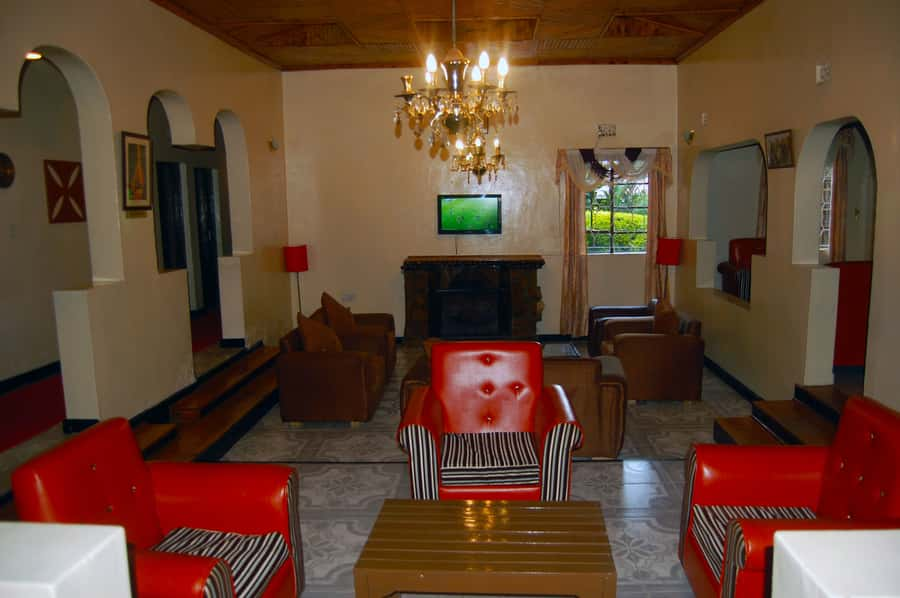
After breakfast at about 7 a.m., you head out for a full-day game drive. This is the most important day of the trip, so the early start is worthwhile. A picnic lunch is provided in the reserve, allowing you to stay out instead of losing time returning to camp.
The goal is the Big Five: lion, leopard, elephant, buffalo, and rhino. The Mara is also known for cheetahs, jackals, hyenas, and vultures, which give the wildlife viewing more variety than a simple search for the biggest animals. Your guide drives through the reserve looking for movement, tracks, animal groups, and the signs that often lead to predators.
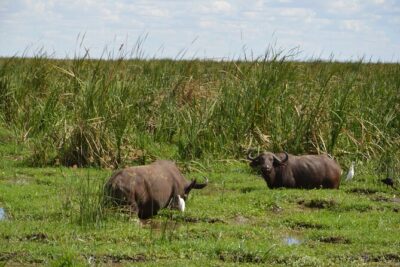
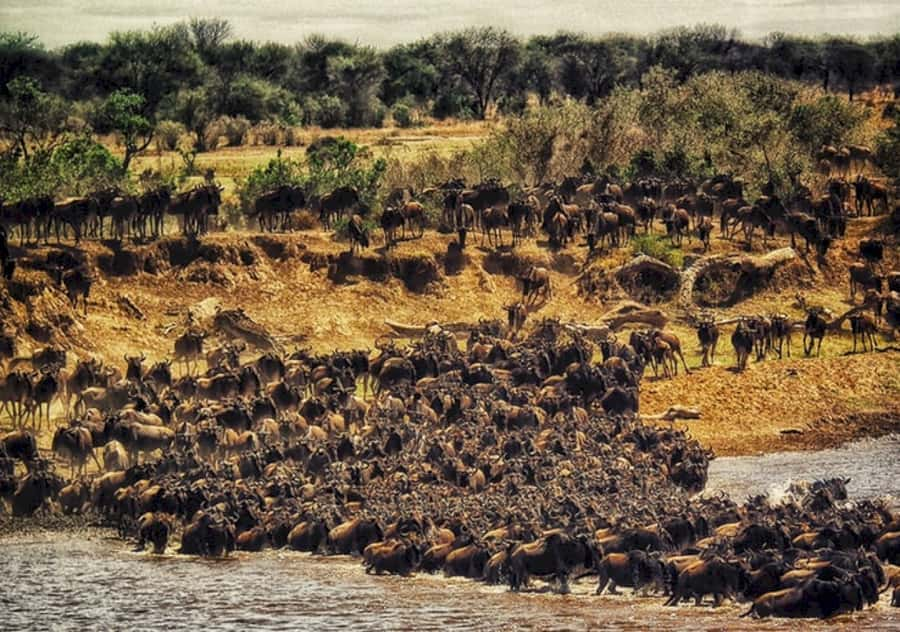
The Mara River is another key stop. You may see crocodiles and hippos along its banks, and the area is associated with the annual wildebeest migration. The migration itself is seasonal, so you should not book this four-day trip expecting the crossing to be happening during every departure. The river and resident wildlife still make this a worthwhile section of the drive.
The full-day format offers your best chance to see a lot, but it also means a long time in the vehicle. The back seat may feel less comfortable on rough roads, and one person specifically noted that the rear seat could use more comfort. If you have a choice, ask about seating before departure and bring water, sun protection, and a light layer for changing temperatures.
A skilled guide can make a major difference here. Bernardo is one guide associated with this safari, and his work has been praised for attention to questions, mammals, birds, and plant life. Guide assignments are not guaranteed, but you can ask who will lead your departure. The company says guides speak English, Spanish, French, German, Russian, Italian, and Swahili.
More Overnight Safaris in Nairobi
- Overnight Private Safari To Masai Mara
★ 4.8 · 13 reviews
Optional additions in the Mara
A Maasai village visit costs $20. It is a useful add-on if you want cultural context alongside wildlife, but it is not part of the core safari. You will learn about Maasai culture and daily life, and the short stop breaks up the wildlife focus.
A hot-air balloon ride costs $435 per person. It is a major extra, not a small upgrade, and it costs more than the advertised safari itself. If you choose it, treat it as a special splurge rather than part of the basic value calculation. The standard vehicle safari remains the heart of the trip.
Day 3: Leaving the Mara for Lake Nakuru
After an early breakfast, you check out and begin the drive toward Nakuru. This is the least wildlife-heavy day because much of it is a transfer. Lunch is planned at a roadside travelers’ motel, which keeps the schedule moving but should not be mistaken for a destination meal.
There is an optional Lake Naivasha boat ride for $30 per person, depending on the route and timing. The ride focuses on hippos and bird watching. It can be a pleasant change from the vehicle, but it may add pressure to an already long day. Ask the guide about the day’s road conditions and arrival time before deciding.
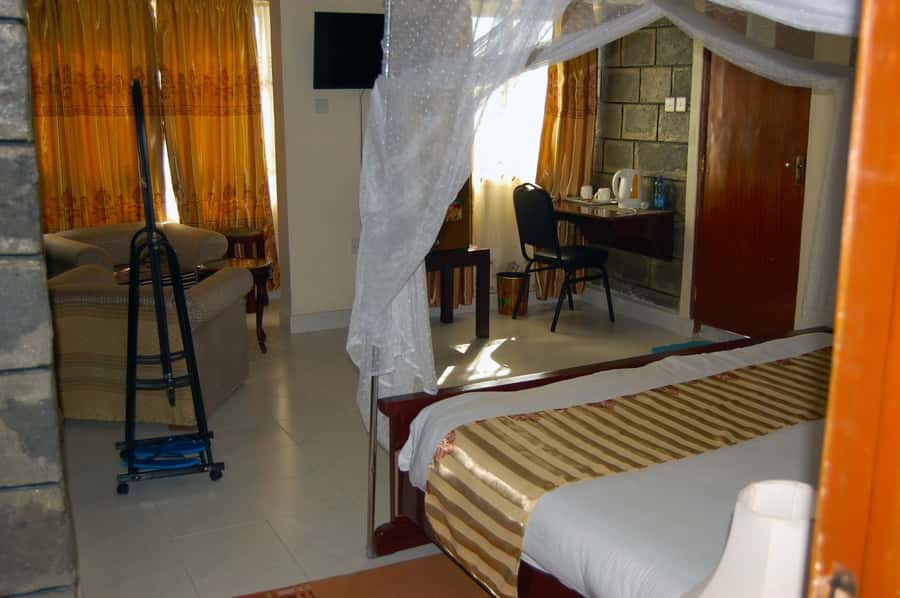
The night is at Lanet Matfam Resort on the outskirts of Nakuru town. This is a step up from the Mara camp, with a more conventional hotel setting. The change is welcome after two nights in a tent, especially if you want a quieter evening and a proper room before the final park visit.
The contrast between the two accommodations is part of the package’s appeal. You get the safari atmosphere near the Mara, then a hotel night near Nakuru. You also need to understand that the final night is not inside Lake Nakuru National Park, so the morning still begins with a drive to the gate.
Day 4: Rhinos, giraffes, and Nakuru’s birdlife
Breakfast comes early, followed by departure at about 7 a.m. for Lake Nakuru National Park. The park is smaller than the Mara, and the game drive lasts about three to four hours. That shorter visit works well on a return-to-Nairobi day.
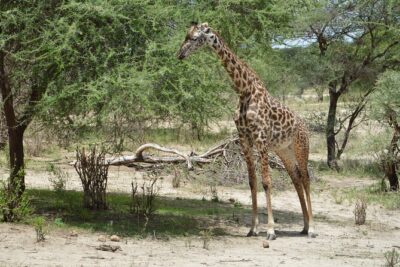
Lake Nakuru is especially valuable for rhino viewing. The park is known for rare white rhinos, which form part of the Big Five, and you may also see the Rothschild giraffe. This giraffe is sometimes called the white-socks giraffe because its lower legs have no markings below the knee.
Pink flamingos are another possible sight, though their presence and numbers vary. The lake has a strong bird-watching angle, so bring binoculars if you have them. The park gives the final morning a different feel from the Mara: less open savanna, more focus on the lake, rhinos, giraffes, and birdlife.
After the drive, you leave Nakuru for Nairobi. Lunch is provided at a roadside motel, and arrival in Nairobi is expected between 4 and 5 p.m., depending on traffic. Do not schedule a tight evening flight or an important appointment without allowing extra time for the road.
What the $360 price really means
At first glance, $360 per person for four days looks like a very low safari price. It includes three nights of accommodation, the safari vehicle, a guide, bottled water, three breakfasts, three dinners, and four lunches. Airport pickup in Nairobi is also included, which saves both money and planning time.
The key detail is park fees. If your selected option excludes them, the stated charge is $290 per person for the three-night trip from January 1 through June 30. From July 1 through December 31, the stated high-season charge is $490. That changes the real total to about $650 in the lower-fee period or $850 in the higher-fee period, before optional extras.
At that full cost, the value depends on what you want. The package gives you a guide, transport, food, two parks, and a private bathroom in the Mara. It is a strong fit for a first safari on a budget, especially if you value a guaranteed daily departure and do not need a luxury lodge.
Check whether park fees are already included in your chosen option. The description uses both included and separate-fee options, so the final booking screen matters. Also budget separately for the $20 Maasai village visit, $30 Naivasha boat ride, $435 balloon ride, and alcoholic drinks.
Who should choose this safari?
I would choose this trip if you have four days, want the Big Five, and prefer a guided package over arranging every transfer yourself. It suits first-time safari visitors, couples who want a compact route, and solo visitors who want a scheduled departure from Nairobi.
It is also a good match if you want a mix of comfort and simplicity. The tent has its own bathroom and electricity, while the Nakuru hotel gives you a more standard room. The pop-up roof is useful for photographs, and bottled water plus included meals reduce the number of small arrangements you need to make.
I would hesitate if you dislike long road transfers, need reliable electricity at all times, or expect a luxury camp. The full-day Mara drive can be tiring, the rear seats may be less comfortable, and the camp utilities can be inconsistent. A private group is available if you want more control over the pace, seating, and stops.
The operator also says it owns its safari vehicles and offers daily departures. That can help if your Nairobi schedule is tight, but a guaranteed departure does not mean every departure will have identical wildlife conditions. The animals set the rules here.
Should you book it?
Book this safari if the appeal is maximum wildlife variety in four days: sunset and full-day drives in the Mara, then rhinos and possible flamingos at Nakuru. The named guide Bernardo has a strong reputation for explaining mammals, birds, and plants, though you should confirm your guide assignment rather than assume it.
Before paying, confirm the vehicle type, exact camp, park-fee package, and final total. If you accept basic camping, long drives, and occasional utility problems, this is a practical route with serious wildlife potential. If you want polished service and a slow pace, spend more time and choose a higher-end safari instead.
FAQ
What is included in the $360 safari price?
The base package includes three nights of accommodation, transport in a safari vehicle with a pop-up roof, a guide, bottled water, four lunches, three dinners, and three breakfasts. Airport or Nairobi CBD hotel pickup is included.
Are park fees included?
Park fees depend on the option you select. If they are not included, the stated fee is $290 per person from January 1 through June 30, and $490 per person from July 1 through December 31.
Where do I stay during the safari?
The first two nights are at Enkajiang Camp, Rhino Tourist Camp, or a similar Mara property. The tents are large, self-contained, and have showers and electricity. The final night is at Lanet Matfam Resort near Nakuru.
Is airport pickup available?
Yes. Pickup from Nairobi International Airport is available at no extra cost. Hotel pickup is also available within Nairobi CBD.
How long is the game drive in Lake Nakuru?
The Lake Nakuru game drive lasts about three to four hours. It takes place on the final morning before the return drive to Nairobi.
Can I visit a Maasai village?
Yes. A Maasai village visit is optional and costs $20 per person. It takes place on the third day after leaving the Mara, before continuing toward Nakuru.
Is the Lake Naivasha boat ride included?
No. The optional boat ride costs $30 per person. It depends on the route and timing, and it focuses on hippo viewing and bird watching.
Can I take a hot-air balloon ride?
Yes, if you select the optional balloon experience. The listed price is $435 per person, and it is not part of the standard safari package.
More four-day safaris in Nairobi
- 4-Day Group 4×4 Safari to Masai Mara & Lake Nakuru with Pick-Up
★ 5.0 · 87 reviews - From Nairobi: 4-Day Maasai Mara and Lake Nakuru Group Safari
★ 4.6 · 50 reviews - 4 Days Group Camping Safari
★ 5.0 · 1,101 reviews - Private 4-Day Golden Triangle Tour with Ranthambore Tiger Safari
★ 5.0 · 248 reviews
Newest safaris around Nairobi
- 5-Hour Nairobi National Park 4×4 Safari with Free Pickup★ 4.6 · 16 reviews
- Overnight Private Safari To Masai Mara★ 4.8 · 13 reviews
- Nairobi: ATV/Quad Bike Wildlife Safari with Transfers & meal★ 4.9 · 13 reviews
- Nairobi: The Safari Cats Show Tickets & Buffet Dinner★ 4.4 · 29 reviews
- Nairobi: Cabaret Show with Dinner at Safari Park Hotel★ 4.9 · 11 reviews
- Nairobi: 3-Days 2-Nights Maasai Mara Group Safari in 4×4★ 4.6 · 54 reviews
- From Nairobi:3-Days 2-Nights Maasai Mara Group Safari in 4WD★ 4.8 · 11 reviews
- From Nairobi: 4-Day Maasai Mara and Lake Nakuru Group Safari★ 4.6 · 50 reviews
Overnight & Camping Safaris, side by side.
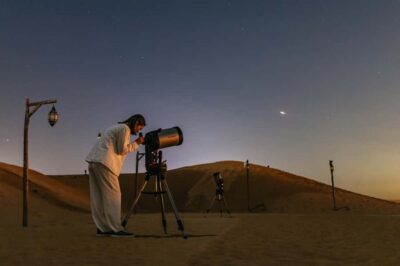
Overnight Safari, Dinner, Stargazing & Al Khayma Camp
Read our review →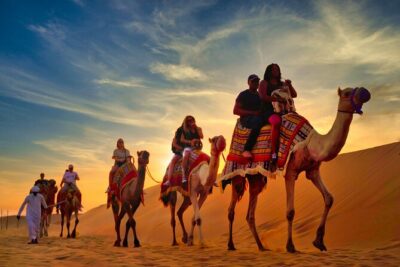
Dubai Overnight Desert Safari, BBQ & Stargazing at Al Khayma Camp
Read our review →
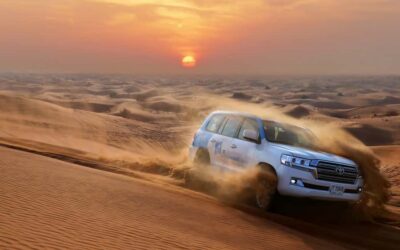
Desert Safari with Camp, Dinner, & Optional Overnight
Read our review →