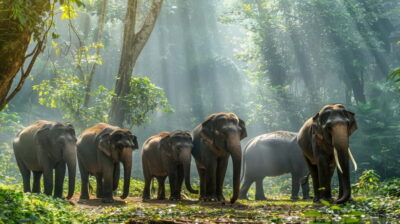
Review · NATIONAL PARK SAFARIS
3 Days Small Group Safari to Serengeti NP and Ngorongoro Crater Tour in Tanzania
The big draw here is the chance to see Serengeti and Ngorongoro Crater in only three days, with the golden plains of Seronera followed by a crater floor crowded with wildlife. I like the small maximum of six people and the fact that park fees, camping gear, meals, and an English-speaking driver-guide are included. You can keep costs under control without giving up the core safari experience.
I also like the practical route: the Serengeti comes first, then the crater, so each day feels different. The tradeoff is the long driving and basic camping. One stay in the Serengeti was described as having no shower, no lights, and poor cleanliness, so this is a budget safari, not a polished lodge trip.
Key points to know before booking
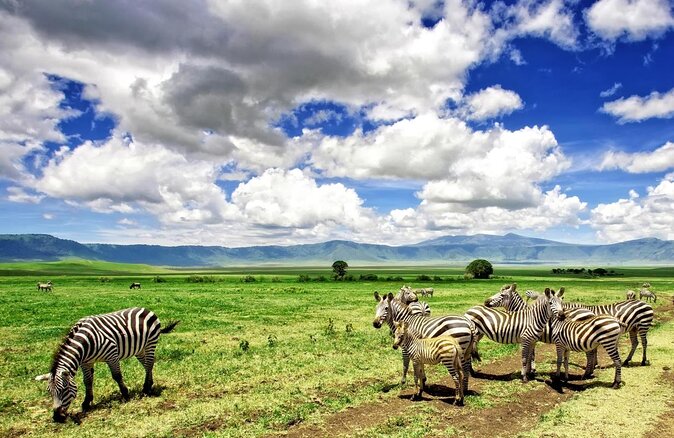
- Two famous parks in three days: See the Serengeti plains and Ngorongoro Crater on one compact route from Arusha.
- A maximum of six people: The small group gives you more room to ask questions and discuss animal sightings with your guide.
- Camping is part of the bargain: Gear, meals, and park fees are included, but comfort can be very basic.
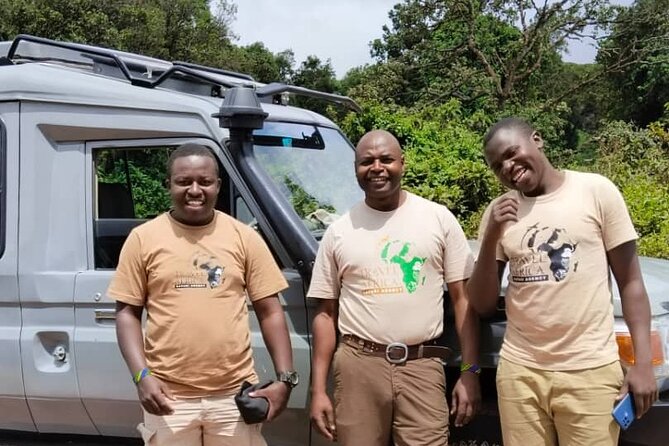
- Strong guide reports: Omary and George are specifically praised for their effort, friendliness, and ability to find animals.
- Long road days: The first drive covers about 335 kilometers and takes roughly six hours before the main game viewing begins.
- Good value at $815: The price covers the main safari costs, though tips and travel insurance are extra.
Why this three-day safari works
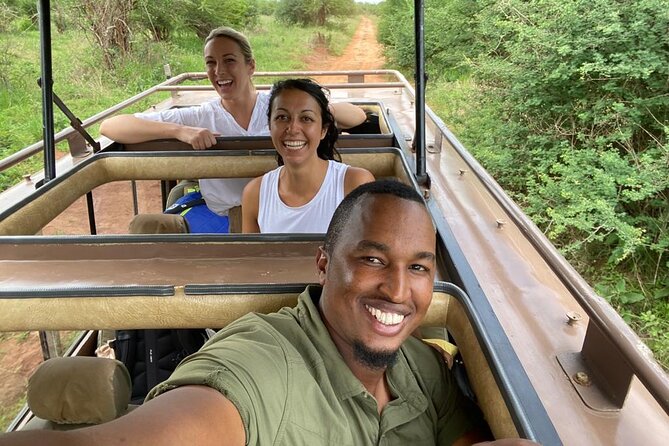
Tanzania gives you two very different wildlife settings close enough to combine in a short trip. The Serengeti is wide and open, with animals spread across grassland and acacia country. Ngorongoro is more enclosed, with a crater floor that gathers many species in one compact area.
That contrast is the main reason I would consider this tour. You are not spending three days repeating the same drive. Day one takes you into the southern and central Serengeti, including the Seronera Valley. Day two continues game viewing before moving toward Ngorongoro. Day three brings the crater descent and a long return to Arusha.
The trip costs $815 per person. That is not a small amount, but the price includes all park fees, two breakfasts, three lunches, two dinners, camping equipment, and a professional English-speaking driver-guide. Those inclusions matter in Tanzania, where park charges and transport can quickly make up a large share of a safari budget.
I would judge the value by your priorities. If you want a comfortable room, private bathroom, and slow mornings, this is not the right format. If you want two major wildlife areas and are willing to accept basic camp conditions and long hours in the vehicle, the price is easier to justify.
More National Park Safaris in Arusha
- 3 Day Serengeti National Park & Ngorongoro Crater Camping Safari
★ 5.0 · 142 reviews - 5 Days Tanzania Group Joining Safari, Tarangire/Serengeti/Ngorongoro Crater
★ 5.0 · 85 reviews - 5 day safari Tarangire Serengeti and Ngorongoro crater
★ 5.0 · 83 reviews
The six-person limit changes the feel
The group size is capped at six people. That is a useful middle ground. You get the lower cost of a shared safari, but the group should remain small enough for the guide to hear your questions and adjust the conversation to your interests.
A small group also matters during game drives. Wildlife viewing is not only about reaching a park. It is about patience, positioning, and clear communication. A guide who knows what you hope to see can help make the drive more rewarding, even though no safari can promise a particular animal.
The driver-guide is central to the trip. Omary is praised for making the safari especially enjoyable, and George is described as friendly and hardworking, with a strong effort to find lions, monkeys, elephants, giraffes, and other animals. You cannot request a particular guide with certainty from the information provided, but these names give you a useful idea of the kind of guide experience associated with the tour.
The guide also handles more than animal spotting. You will rely on this person during long transfers, at park gates, around the camp, and when plans need to follow park rules or road conditions. An English-speaking guide is included.
Day one: the long road to the Serengeti
The stated pickup is around 8 a.m. after breakfast, while the meeting information lists a 7 a.m. start. Confirm your exact pickup time before setting out, especially if you are staying somewhere other than Arusha Tourist Inn on Sokoine Road.
The first transfer is a serious part of the day. The drive to the southern Serengeti is listed at about 335 kilometers and six hours, passing through the Ngorongoro gate area. You should not think of this as a quick ride followed by a short game drive. The road time is long, and the game viewing begins after you reach the park.
That said, the arrival has a strong payoff. The southern Serengeti is made up of broad savannah grassland, a setting associated with wildebeest, zebra, Coke’s hartebeest, waterbuck, Grant’s gazelle, Thomson’s gazelle, impala, and other grazing animals. The open country makes it easier to appreciate the scale of the Serengeti.
The route then reaches central Serengeti and the Seronera Valley. Here the scenery changes from completely open grassland to areas marked by acacia and rocky kopjes. These stone outcrops provide shelter for hyrax, reptiles, and other small creatures, while also giving predators a good place to watch the surrounding plain.
Leopards are commonly associated with the Seronera area, although wildlife sightings are never guaranteed. Your guide’s skill matters here. The best moments may come from stopping for something small or distant, not only from the animals that are easiest to recognize.
The itinerary also refers to a hippo habitat. That adds another type of wildlife stop to a day otherwise focused on open-country mammals. Your first night is part of the camping experience, so prepare mentally for simple conditions rather than a lodge-style arrival.
Camping in the Serengeti: the important compromise
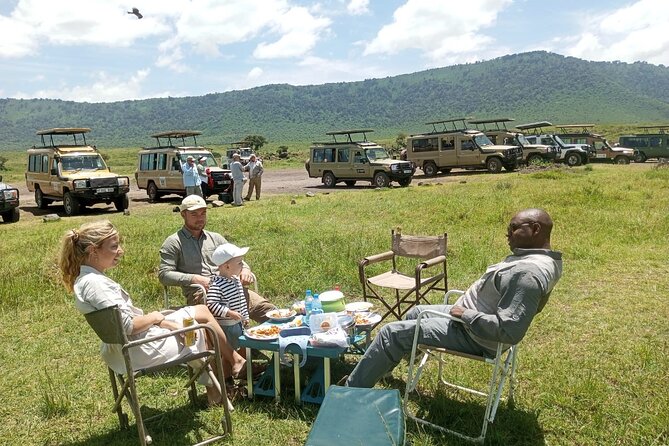
Camping keeps the safari price lower and puts the focus on the parks. All camping gear is included, which saves you from carrying or renting a full kit yourself. Meals are included too, with two dinners, three lunches, and two breakfasts covered during the three-day program.
Still, basic camping can mean basic facilities. One reported stay in the Serengeti had no shower, no lights, and poor cleanliness. That is the clearest warning attached to this experience, and I would take it seriously when deciding what to pack and what standard you expect.
You should choose this trip if sleeping simply feels like part of the adventure. You should think twice if access to a shower, reliable lighting, and clean accommodation is essential every night. The information gives no promise of lodge rooms or private facilities.
Simba Campsite in the Ngorongoro Conservation Area is named for the second night. The standard of the first camp and the second camp may not feel identical, so it is best to approach both as practical safari camps rather than hotel accommodation.
More National Park Safaris in Tanzania
- 5 Day Silver Serengeti & Ngorongoro Crater & Tarangire Safari
★ 5.0 · 46 reviews - 6 days 5 nights safari Ngorongoro, Serengeti and Tarangire National Parks
★ 5.0 · 39 reviews - 4 Days lodge safari Tarangire , Ngorongoro crater & Walking
★ 5.0 · 39 reviews - 3 Days Safari to Serengeti National Park & Ngorongoro Crater in Tanzania
★ 5.0 · 34 reviews
Day two: more Serengeti, then Ngorongoro
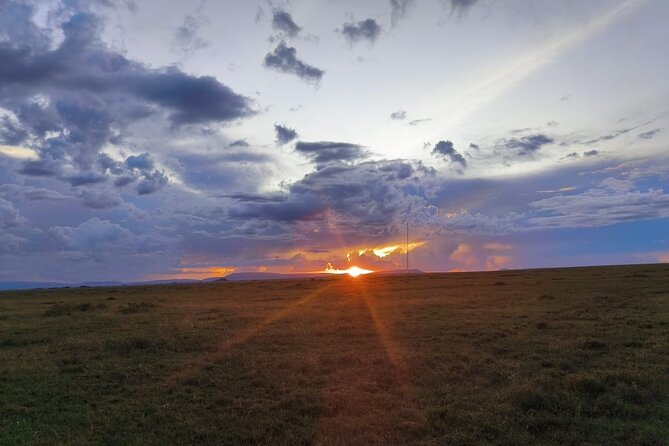
Day two begins with a packed lunch and a half-day game drive in the Serengeti. This gives you more time in the park instead of treating day one as your only wildlife session.
The route toward Ngorongoro includes game viewing along the way. That is one of the better features of the schedule. The transfer is not presented as a plain point-to-point drive, so you may continue seeing wildlife as the scenery changes.
The Serengeti portion includes places such as Moru Kopjes, which rise above the grassland and offer broad views. Elephants are found on the plains, and the kopjes are linked with predator viewing because animals can use the rocks as lookout points.
The route also carries cultural and archaeological interest. The wider Ngorongoro area is connected with Maasai families living in circular bomas, and it is known for research into early human evolution associated with Mary and Louis Leakey. The program does not promise a separate village visit or archaeological stop, so treat these as context for the region rather than guaranteed activities.
By afternoon, you continue to the Ngorongoro Conservation Area and check in at Simba Campsite for dinner and the night. This is a sensible position for the next morning’s crater visit, but it also makes day two another long day of road travel and game viewing.
Day three: the Ngorongoro Crater floor
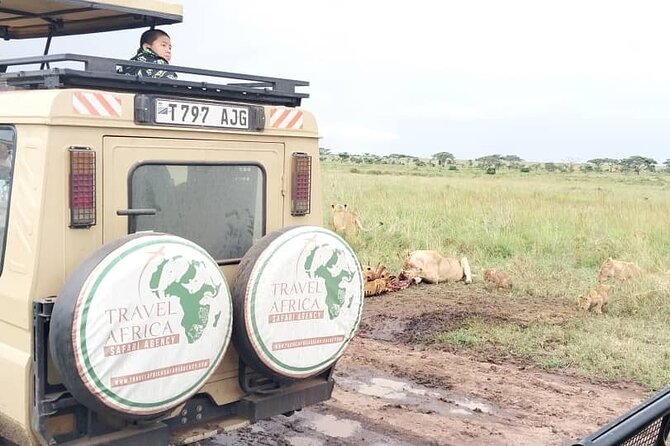
Breakfast is scheduled at 7 a.m., with the crater descent around 9 a.m. The half-day crater tour runs until about 3 p.m. and includes a picnic lunch.
Ngorongoro is different from the Serengeti because the crater walls create a contained setting. The floor is often described as a natural enclosure for wildlife, with grassland, water, and varied habitat close together. This makes the crater a strong choice when you have limited time and want a good chance of seeing several species in one morning and afternoon.
The area is known for elephants, buffalo, wildebeest, gazelles, golden jackals, bat-eared foxes, hippos, eland, serval, and other ungulates. Black rhino is another important possibility. The program presents Ngorongoro as one of Tanzania’s strongest places for a chance at seeing the Big Five in a single day, but you should treat that as a possibility, not a guarantee.
Some animals are less likely or absent in the crater setting. Giraffe, oribi, topi, spotted hyena, cheetah, and impala are listed among species that may be absent or rarely seen there. That distinction is useful. A good safari is not only about a long wish list. It is also about understanding why one habitat favors certain animals and not others.
The crater visit ends with a late return drive to Arusha, listed at about 7 p.m. That makes the final day long. You will get the main crater experience, but you should avoid planning an important evening appointment immediately afterward.
What is included, and what still costs extra
The core safari costs are covered:
- Park fees
- Professional English-speaking driver-guide
- Camping gear
- Two breakfasts
- Three lunches
- Two dinners
Tips and gratuities for the driver-guide and safari cook are not included. Travel insurance is also your responsibility.
The meal plan is useful because you do not need to arrange food separately during the safari. You should still confirm any dietary needs before departure, since the supplied information does not specify how special diets are handled.
The tour offers pickup and ends back at the meeting point. The listed start point is Arusha Tourist Inn, JMGJ+9QV, Sokoine Road, Arusha. Pickup is offered, but the exact arrangement should be checked when booking because the schedule shows both a 7 a.m. start and an 8 a.m. pickup after breakfast.
Who should book this safari?
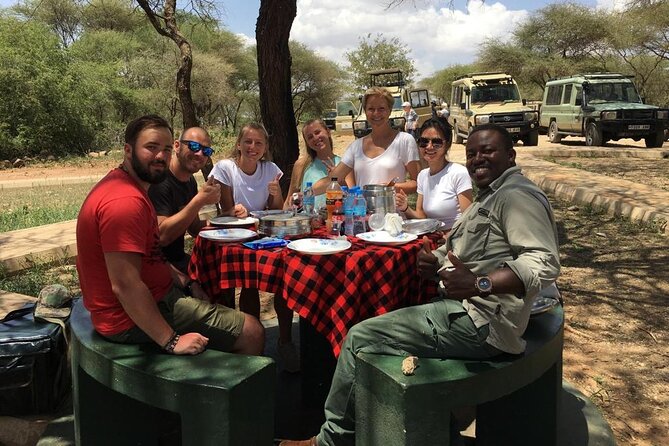
I would recommend it to you if you have only three days, want both Serengeti and Ngorongoro, and care more about wildlife access than room comfort. It suits first-time safari visitors who want a structured plan, included meals, and a guide who can handle the route.
It also works for people who like a small shared group. A maximum of six keeps the price below many private safari options while still giving you a more personal setting than a large coach trip.
I would be cautious if you dislike early starts, long drives, or uncertain camp facilities. The first day alone includes a six-hour transfer before the main game drive, and the last day may not return to Arusha until about 7 p.m. This is an active schedule, not a relaxed holiday.
The tour is available to most participants, and confirmation is provided at booking. It is near public transportation, but no separate accessibility details are supplied, so anyone with mobility needs should ask the operator specific questions before paying.
Free cancellation is available up to 24 hours before the start time for a full refund. Changes or cancellations inside that period are not accepted, and the experience requires a minimum number of participants. If that minimum is not met, an alternative date or experience, or a full refund, is offered.
Should you book it?
Book this safari if your priority is seeing two of Tanzania’s best-known wildlife areas at a controlled price. The strongest points are the small group, included park fees and meals, the Seronera game drives, and the crater descent. The positive guide experiences linked with Omary and George also make the human side of the trip appealing.
Do not book it expecting hotel comfort or a leisurely schedule. The camping can be rough, the roads take time, and the first night may have limited facilities. At $815, the value is good for a compact, park-focused safari, provided you accept that the money is buying access, guiding, transport, and wildlife time rather than luxury.
FAQ
How long is the safari?
The safari lasts approximately three days, starting and ending in Arusha.
What parks and protected areas does it visit?
The route visits Serengeti National Park and the Ngorongoro Conservation Area, including a game drive in Ngorongoro Crater.
How many people can join the tour?
The group has a maximum of six participants.
Are meals included?
Yes. The tour includes two breakfasts, three lunches, and two dinners.
Is camping equipment included?
Yes. Camping gear is included in the tour price.
What is not included in the price?
Tips and gratuities for the driver-guide and safari cook are not included. Travel insurance is also excluded.
More three-day safaris in Arusha
- 3 Days Serengeti & Ngorongoro Group Camping Safari
★ 5.0 · 574 reviews - 3-Day Classic Serengeti Safari
★ 5.0 · 263 reviews - 3 Days Tarangire, Ngorongoro & Lake Manyara Group Camping Safari
★ 5.0 · 102 reviews - 3 Days Private Safari – manyara, Ngorongoro & Tarangire
★ 5.0 · 94 reviews
Newest safaris around Arusha
- 7 days great migration safari★ 5.0 · 77 reviews
- 4 days safari★ 5.0 · 34 reviews
- 6 days Tanzania budget safari★ 5.0 · 65 reviews
- Amazing 4 Days Tanzania Budget Camping Group Joining Safari★ 5.0 · 15 reviews
- 5 days safari, hiking & culture (Serengeti & kilimanjaro)★ 5.0 · 27 reviews
- Best 5 Days Tanzania Private Luxury Safari with luxury Lodges★ 5.0 · 12 reviews
- Serengeti & Ngorongoro fly in safari★ 5.0 · 76 reviews
- 8 Days 7 Nights Tanzania Wildlife & Culture Lodge Safari★ 5.0 · 17 reviews
National Park Safaris, side by side.
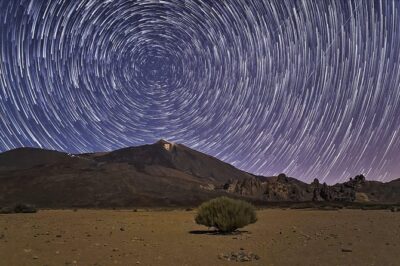
Teide National Park Sunset & Stargazing with Dinner (Star Safari)
Read our review →
Teide National Park: Sunset & Stargazing Safari with Dinner
Read our review →Udawalawe National Park | Private Safari Tour
Read our review →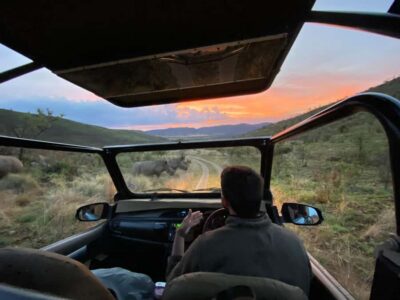
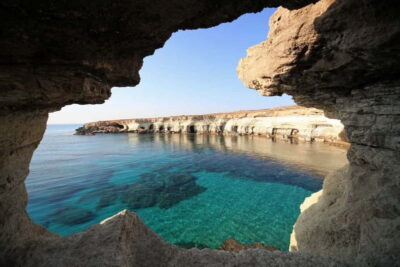
East Coast National Park: Half-Day Caves Jeep Safari
Read our review →
Addo Elephant National Park All Inclusive Full-Day Safari
Read our review →