Review · NATIONAL PARK SAFARIS
3 Day Serengeti National Park & Ngorongoro Crater Camping Safari
The great appeal here is the contrast: the open Serengeti plains give you room to watch herds and predators, while Ngorongoro Crater gathers a remarkable range of wildlife inside an extinct volcano. I like the small maximum group of six and the fact that meals, park fees, camping, airport transfers, and a 4×4 vehicle are bundled into the price.
I also like the human side of the trip. Guides such as Daniel, Emmanuel, James, Peter, and Manuel are praised for sharp animal spotting, patient driving, and clear answers. The main trade-off is basic camping. One night may have poor restroom conditions, and the Ngorongoro rim can be cold, so pack warm layers and keep your expectations practical.
Key points to know before booking
- Two major wildlife areas in three days: You visit Serengeti National Park and Ngorongoro Crater, with game drives in both.
- Small group size: The safari accepts a maximum of six people, which matters when you want room to see and photograph animals.
- Camping with cooked meals: Safari staff prepare breakfast, lunch, and dinner, with coffee, tea, and daily mineral water included.
- Strong guiding is central to the trip: Guides including Daniel, Emmanuel, James, Peter, and Manuel are noted for animal identification, safe driving, and patience.
- A real chance to see the Big Five: Lions, elephants, buffalo, leopards, and rhinos live in the parks, though wildlife sightings can never be promised.
- Expect simple conditions: Camping is part of the adventure, but restroom standards may vary and the crater rim can feel cold at night.
Serengeti first, Ngorongoro next
This three-day safari packs two of northern Tanzania’s best-known wildlife areas into a short route from Arusha. You begin with an early safety briefing, then head through the Ngorongoro Highlands toward Serengeti National Park.
The order works well. The Serengeti gives you the broad, open setting that many people picture when they think of an African safari. Ngorongoro then provides a more contained wildlife experience, with steep crater walls and a large number of animals in a relatively compact area.
You should also understand what this trip is not. It is not a slow, lodge-based holiday with long afternoons beside a swimming pool. You will spend substantial time in a safari vehicle, and the camping setup is practical rather than luxurious. In return, the $1,100 price includes many of the costs that can quickly add up on a national park trip.
More National Park Safaris in Arusha
- 5 Days Tanzania Group Joining Safari, Tarangire/Serengeti/Ngorongoro Crater
★ 5.0 · 85 reviews - 5 day safari Tarangire Serengeti and Ngorongoro crater
★ 5.0 · 83 reviews - 3 Days Small Group Safari to Serengeti NP and Ngorongoro Crater Tour in Tanzania
★ 5.0 · 77 reviews
Day 1: From Arusha through the highlands to Serengeti
The day starts with a safety talk and safari briefing. That may sound routine, but it is useful. You need to know how to behave around wildlife, how to move safely around camp, and what to expect from the vehicle and daily schedule.
From Arusha, the route passes through the Ngorongoro Highlands before reaching Serengeti National Park. The changing scenery is part of the experience. You leave the settled area around Arusha, cross higher ground, and eventually reach the famous open plains.
The afternoon game drive is your first proper look at the Serengeti. This is Tanzania’s oldest national park and one of Africa’s best-known wildlife areas. It is also linked with the Great Wildebeest Migration, although the exact migration experience depends on the season and the animals’ location. The park is home to all members of the Big Five: lion, leopard, elephant, buffalo, and rhino.
That first afternoon matters because it gives your guide a chance to read the area and adjust the search for animals. You may see grazing herds, antelope, giraffe, or larger predators. The guide’s skill is important here. Peter and Emmanuel, for example, are praised for spotting animals and positioning the vehicle, while Daniel is noted for explaining both animals and birds.
Do not expect every sighting to happen right beside the road. A safari includes quiet stretches. That is part of the rhythm. You may spend time scanning the grass with binoculars before a guide points out an animal you had missed.
Day 2: A full Serengeti morning and the road to the crater rim
Day two provides the longest wildlife period, with an eight-hour game drive listed for the day. The morning is spent in the Serengeti, an area known for a high concentration of large mammals.
The possible sightings are broad. You might see cheetah, wildebeest, lion, giraffe, dik-dik, impala, gazelle, buffalo, and hippo. Leopards are more elusive, but the itinerary notes that encounters are possible. Elephants, zebra, lion cubs, and large herds may also appear.
This is where having a guide who watches carefully makes a real difference. Emmanuel is praised for studying birds while the vehicle is stopped, and Peter is praised for identifying both animals and birds. That sort of attention improves the safari beyond simply ticking off the Big Five. You begin to notice smaller species, bird behavior, and the way animals use the grass and water.
Lunch is cooked by the safari chef at Seronera Campsite. The food receives strong praise, with breakfast and dinner also described as tasty. You should still remember that meals are prepared in a camp setting. The value is not fancy presentation. It is having hot food arranged for you after hours in the vehicle.
After lunch, the drive continues through Serengeti National Park and into the Ngorongoro Conservation Area, ending at the crater rim. This is a productive day, but it can also feel long. You are combining a morning game drive, lunch, and a transfer toward the next camp. If you prefer very relaxed travel days, a longer safari would give you more breathing room.
The route is worthwhile because it shifts the experience from the wide Serengeti plains to the dramatic crater setting. The change in elevation also affects the temperature. Pack a fleece, jacket, and long trousers for the second night.
Day 3: Down into Ngorongoro Crater
The final day begins with a descent to the floor of Ngorongoro Crater. The crater is an intact volcanic caldera, about 265 square kilometres in area, with walls reaching roughly 600 metres high. Inside, around 30,000 animals may be present at one time.
The shape of the crater gives the day a different feel from the Serengeti. Wildlife is concentrated within the bowl, so you may cover less open ground while still seeing a wide range of species. The area is particularly known for lion, zebra, wildebeest, gazelle, eland, buffalo, and hippo.
The crater is also one of the better places in East Africa to look for black rhino. Seeing one is never guaranteed, and you may view it from a distance, but the possibility adds real weight to the day. Cheetah and leopard may also be seen. Lake Magadi can attract flamingos, adding a splash of color to the crater floor.
The six-hour crater visit is long enough for a useful game drive without making the entire day feel endless. Your guide may need to balance your wish list with the animals that are actually active and visible. A good guide will also help you appreciate a sighting that is not one of the famous five.
After the crater visit, the safari returns to the meeting point. The provided details state that the activity ends back at the starting point, though you should confirm the exact return arrangement when booking if you have a flight or hotel transfer to catch.
More National Park Safaris in Tanzania
- 5 Day Silver Serengeti & Ngorongoro Crater & Tarangire Safari
★ 5.0 · 46 reviews - 6 days 5 nights safari Ngorongoro, Serengeti and Tarangire National Parks
★ 5.0 · 39 reviews - 4 Days lodge safari Tarangire , Ngorongoro crater & Walking
★ 5.0 · 39 reviews - 3 Days Safari to Serengeti National Park & Ngorongoro Crater in Tanzania
★ 5.0 · 34 reviews
Camping, food, and the practical side
Camping keeps the cost below what you would pay for a higher-end lodge safari, while placing you closer to the daily park routine. The package includes park fees, camping fees, accommodation as listed, all meals, coffee, tea, and mineral water.
The camping experience appears to be one of the trip’s strengths, but it is not uniform in comfort. Campsites have been described as clean and pleasant, while one stay was criticized for dirty ablutions. That is an important warning. If you need hotel-level bathrooms every night, choose a lodge-based safari instead.
The second night near Ngorongoro deserves special attention. The crater rim can be cold, especially compared with the warmer conditions you may feel in the Serengeti. Bring warm clothing, even if Arusha feels hot when you leave.
Food is a strong part of the package. The safari chef prepares cooked meals, and the price includes three lunches, two dinners, and two breakfasts. Mineral water is supplied daily. Alcohol is not included, and laundry, phone calls, porterage, insurance, tips, and hotel gratuities are also extra.
The suggested driver tip is $20 per day. Carry enough local currency or confirm the preferred payment method before departure. Tipping is not part of the listed price, so include it in your real budget.
Why the guide and vehicle matter
A safari is only as good as the person reading the animals and managing the vehicle. The package uses a 4×4 safari vehicle and a guide, with a maximum of six people. That small group size should make it easier for everyone to get a view when something exciting appears.
The guides associated with this safari include Daniel Lyimo, Emmanuel, James, Peter, and Manuel. Daniel is praised for explaining many types of animals and for being kind and attentive. Emmanuel is noted for safe driving, patience, and careful positioning near animals. James is described as friendly and helpful, while Peter receives praise for spotting wildlife, answering questions, and handling mechanical problems when needed.
I would not book based on a specific guide unless the company confirms that person in writing. Still, the repeated focus on guiding tells you where much of the trip’s value lies. A good guide can find a small cheetah in tall grass, identify a distant bird, or wait patiently while a lion changes position.
The vehicle itself has also been described as clean and in good condition. That matters on a route involving park tracks and long transfers. You should still expect dust, bumps, and open-air viewing. This is a safari vehicle, not a luxury touring coach.
What the $1,100 price really covers
At $1,100 per person, the safari includes a substantial list of costs:
- Park and camping fees
- A 4×4 vehicle and guide
- Accommodation as listed
- All meals
- Daily mineral water, coffee, and tea
- Airport transfers
- A Maasai boma visit
- Lunch on all three days
- Two dinners and two breakfasts
- All listed taxes and fees
That makes the price easier to judge. You are not paying only for transport and game drives, then adding park entry, food, and camping fees later. The bundled structure is useful for a short safari because unexpected extras can otherwise become expensive.
Group discounts are offered, and pickup is available. Mobile ticketing is also listed. The start time is shown as 12:00 am, which is not a useful description of the actual departure hour, so confirm the pickup time directly before the trip.
The main additional costs are travel insurance, tips, porterage, laundry, phone calls, alcoholic drinks, and hotel gratuities. If you are flying in or out of Tanzania, airport transfers are included, but confirm which airport and transfer points apply to your booking.
The Maasai boma visit
A Maasai boma visit is included, adding a cultural element to a schedule focused mainly on wildlife. The supplied details do not specify the exact village, length of the visit, or activities, so you should ask for those details if this part is especially important to you.
Treat it as a chance to learn about local life rather than simply another photo stop. A respectful visit means listening, asking before taking photos, and understanding that the community is not scenery. The wildlife drives are the main focus of the trip, but this visit can add a human dimension to the route.
Who will enjoy this safari most
This is a good fit if you want a short, focused introduction to northern Tanzania. You get two major wildlife areas, a small group, a guide, meals, and camping without having to plan each permit and transfer yourself.
It suits first-time safari visitors, photographers on a budget, and people who want a stronger wildlife focus than a general Tanzania tour. Families may also consider it because any age is accepted, although parents should decide if three days of driving and camping suit their children.
It is less suitable if you want luxury, private guiding, or a slow schedule. The itinerary is busy, the road sections may feel long, and restroom conditions can vary. Anyone with limited mobility should ask for more details before booking, even though most people can participate and public transportation is nearby.
Booking and cancellation details
Confirmation is provided at booking. The activity offers free cancellation if you cancel at least 24 hours before the local start time. Cancellations or changes made within 24 hours are not accepted for a refund.
The tour is offered by SafariHQ, with pickup available and the activity ending back at the meeting point. Since the listed start time is midnight, confirm the exact pickup hour, location, and airport transfer details before you pay.
Should you book the Serengeti and Ngorongoro camping safari?
I would choose this safari if you want maximum wildlife variety in only three days and are comfortable with basic camping. The route gives you the broad Serengeti, the concentrated wildlife of Ngorongoro Crater, cooked meals, and an experienced guide in a group capped at six.
I would skip it in favor of a longer or more comfortable safari if clean private bathrooms and quiet travel days are essential. For everyone else, the combination of included costs, strong guide support, and access to two major parks makes the $1,100 price sensible. Bring warm clothes, accept a few rough edges, and let the guide do the hard work of finding the animals.
FAQ
How long is the safari?
The safari lasts approximately three days.
Where does the safari start?
The safari is based in Arusha, Tanzania, and pickup is offered.
Where does the activity end?
The activity ends back at the meeting point.
How many people can join the safari?
The maximum group size is six people.
Are park fees and camping fees included?
Yes. Park fees, camping fees, taxes, and other listed fees are included.
Are meals included?
Yes. The package includes all meals listed for the trip, including three lunches, two dinners, and two breakfasts.
Is drinking water provided?
Yes. Mineral water is provided daily, along with coffee and tea.
Is the safari suitable for children?
Any age is accepted on this safari, and most people can participate.
Is a Maasai boma visit included?
Yes. A Maasai boma visit is included in the package.
What is not included in the price?
Travel insurance, porterage, laundry, hotel phone calls, alcoholic drinks, guide tips, and hotel gratuities are not included.
More Overnight Safaris in Tanzania
- 6 Days Tanzania Budget Camping Safari
★ 5.0 · 145 reviews - Multi-Day Tanzania Odssey Safari from Arusha
★ 5.0 · 120 reviews - 3 Days Tarangire, Ngorongoro & Lake Manyara Group Camping Safari
★ 5.0 · 102 reviews - 5-Day private Camping Safari Tour in Tanzania
★ 5.0 · 86 reviews
More Overnight Safaris in Arusha
- 4 Days Group Camping Safari
★ 5.0 · 1,101 reviews - 5 Days Group Camping Safari
★ 5.0 · 730 reviews - 3 Days Serengeti & Ngorongoro Group Camping Safari
★ 5.0 · 574 reviews - 2 Days Tarangire and Ngorongoro Group Camping Safari
★ 5.0 · 146 reviews
Newest safaris around Arusha
- 7 days great migration safari★ 5.0 · 77 reviews
- 4 days safari★ 5.0 · 34 reviews
- 6 days Tanzania budget safari★ 5.0 · 65 reviews
- 5 days safari, hiking & culture (Serengeti & kilimanjaro)★ 5.0 · 27 reviews
- Amazing 4 Days Tanzania Budget Camping Group Joining Safari★ 5.0 · 15 reviews
- Best 5 Days Tanzania Private Luxury Safari with luxury Lodges★ 5.0 · 12 reviews
- Serengeti & Ngorongoro fly in safari★ 5.0 · 76 reviews
- 8 Days 7 Nights Tanzania Wildlife & Culture Lodge Safari★ 5.0 · 17 reviews
National Park Safaris, side by side.
Teide National Park Sunset & Stargazing with Dinner (Star Safari)
Read our review →
Teide National Park: Sunset & Stargazing Safari with Dinner
Read our review →Udawalawe National Park | Private Safari Tour
Read our review →
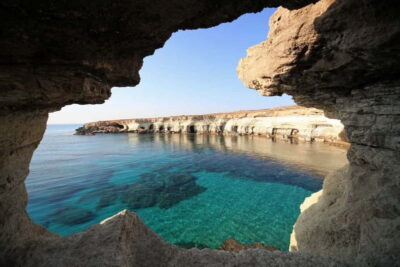
East Coast National Park: Half-Day Caves Jeep Safari
Read our review →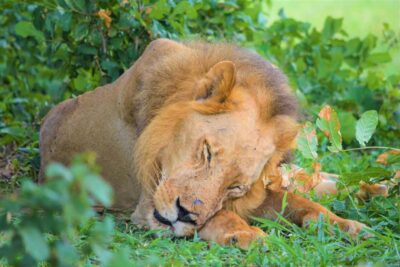
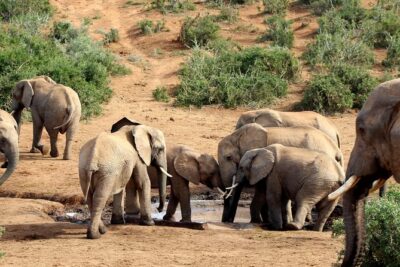
Addo Elephant National Park All Inclusive Full-Day Safari
Read our review →