
Review · 7-DAY EXPERIENCES
7 Days Tanganyika Wilderness Safari
The best part of this seven-day private safari is the range of Tanzania you cover without sharing your vehicle with strangers. You move from elephant country in Tarangire to the open Serengeti plains, then down into Ngorongoro Crater, with time for real game drives rather than quick photo stops.
I like the included lodges, meals, park fees, transfers, water, snacks, and safari equipment. I also like the guide-led approach: names such as Laban, George, Juma, Francis, and Calvin appear often in the praise, with careful driving and sharp animal-spotting singled out. The main drawback is the road time. Some days involve long, bumpy drives, and the final day includes no accommodation.
Key points to know before booking
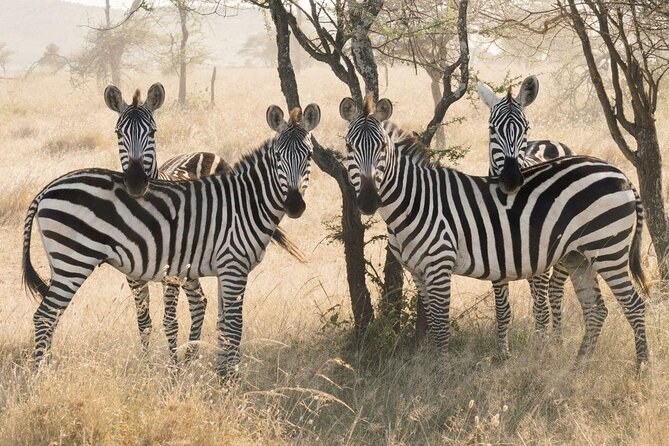
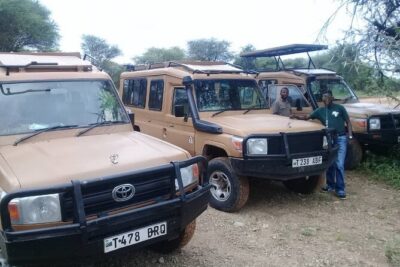
- Private 4WD safari: Your group has its own vehicle, driver-guide, pop-up roof, fridge, binoculars, guidebooks, and maps.
- Three major wildlife areas: Tarangire, Serengeti, and Ngorongoro Crater each offer a different kind of safari.
- Strong guide service: Laban, George, Juma, Francis, and other Gosheni guides receive repeated praise for tracking animals and explaining behavior.
- Full-board pricing: Lodging, meals, bottled water, park fees, airport transfers, fuel, and government charges are included.
- Long road sections: The route covers a lot of ground, so expect rough roads and extended drives between parks.
- Big Five potential: Lions, leopards, elephants, buffalo, rhinos, and cheetahs are all possible, but wildlife is never guaranteed.
Why this route works for a first Tanzania safari
At $2,929.49 per person, this is not a budget drive through the parks. But the price includes most of the expensive pieces that can surprise you on safari: park entry, accommodation, meals, a private 4WD, a driver-guide, airport transfers, bottled water, fuel, taxes, and unlimited game-drive mileage.
That last point matters. You are not paying for a fixed number of short park visits. The vehicle can spend its safari time looking for wildlife according to the day’s plan and conditions. You also avoid the compromises of a shared vehicle, where another group may want to leave early or chase a different animal.
The route gives you three distinct settings. Tarangire is quieter and known for elephants and birds. The Serengeti gives you the broadest sense of open African plains and the strongest chance of seeing a wide mix of animals. Ngorongoro adds a compact crater setting where wildlife is often easier to find.
I would not call this a relaxed holiday. You leave early, sit in a vehicle for long stretches, and deal with rough park roads. The reward is access to places that would be difficult to connect on your own in one week.
More week-long safaris in Arusha:
- 7-Day Premium Luxury Tanzania Safari All-Inclusive
★ 5.0 · 426 reviews - Group Safari 7 Days in Tanzania’s Main Parks
★ 5.0 · 240 reviews - 7 days great migration safari
★ 5.0 · 77 reviews
Day 1: A gentle arrival in Arusha
Your safari begins with a meet-and-greet at Kilimanjaro International Airport, followed by a private transfer to Kibo Palace Hotel in Arusha. This first night is useful because it separates your international arrival from the long drive into the parks.
There is no game drive listed for this day. That is a good thing after a long flight. You can settle in, eat, sleep, and be ready for the early start after breakfast.
The airport transfer is included, but your international flight is not. You will also need to arrange your own visa and insurance. If your flight arrives late or your plans change, confirm how the transfer timing will work before departure.
Day 2: Elephants and birds in Tarangire
After breakfast, you drive from Arusha to Tarangire National Park. This park is often a better choice than rushing straight toward the Serengeti because it offers a quieter start and a different wildlife setting.
Tarangire is especially known for elephant migration, birdlife, and a less crowded safari feel. The park can feel more personal than the best-known parts of the Serengeti, particularly when you are spending a full day rather than dropping in for a few hours.
Your safari vehicle has a pop-up roof, so you can stand or sit higher for a clear view and better photographs. The included fridge, binoculars, guidebooks, and destination maps are practical touches, especially when your guide is explaining an unfamiliar bird or helping you understand animal behavior.
You spend the night at Maramboi Tented Lodge. The accommodation is included, as are meals and bottled water. Alcoholic drinks are extra, though a glass of wine is included during the listed sundowner.
Tarangire is a strong choice for anyone who likes elephants, birds, and a slower start. It is less ideal if your only goal is to maximize time in the Serengeti. The route makes a sensible trade: you get another park and a quieter experience, but you also add driving.
Day 3: Olduvai Gorge and the central Serengeti
After breakfast, the journey continues toward the Serengeti, with a stop at Olduvai Gorge. The site is linked to Dr. Louis Leakey’s discovery of Homo habilis remains, often called handy man. That gives the drive a human-history angle, not just a wildlife focus.
After Olduvai Gorge, you continue into the Serengeti for a game drive toward the central area. The park covers about 15,000 square kilometers and is home to millions of large mammals. Its habitats include woodland, swamps, soda lakes, and the famous short-grass plains.
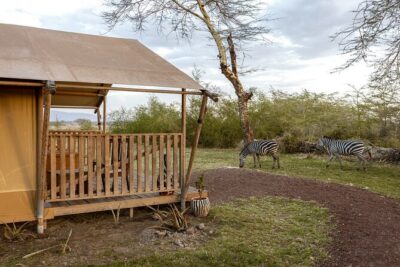
The Serengeti Acacia Camps are listed for this night and the next. Because this is a tented camp, you should expect a closer-to-nature lodging style rather than a conventional city hotel. The exact camp arrangement can vary, so it is worth confirming the room setup and amenities when you book.
This is one of the longest-feeling days of the trip. You combine a major transfer, a historic site, and a game drive. That variety is valuable, but you should not expect every hour to be spent watching animals from a stationary vehicle.
A few more safaris around Arusha worth a look
- Balloon Safari & Bush Breakfast in Serengeti – Miracle Experience
★ 5.0 · 1,646 reviews - 4 Days Group Camping Safari
★ 5.0 · 1,101 reviews - 5 Days Group Camping Safari
★ 5.0 · 730 reviews - 3 Days Serengeti & Ngorongoro Group Camping Safari
★ 5.0 · 574 reviews
Day 4: A full game drive in central Serengeti
Day four is the most focused wildlife day. After breakfast, you spend the day driving around central Serengeti, particularly the Seronera area.
Central Serengeti is a useful base because it places you among several habitat types and gives your guide room to search for predators and grazing animals. The appeal is not just the number of species. It is the chance to watch behavior: lions resting or hunting, elephants moving through open country, hippos near water, and smaller creatures that a sharp-eyed guide may spot first.
This is where guide quality matters most. The praise for Gosheni guides is consistent in a practical way. Laban is repeatedly singled out for animal tracking and ecosystem explanations. George is praised for route planning, animal knowledge, and noticing signs of behavior. Juma is described as handling driving, navigation, and wildlife spotting with unusual skill. Francis receives praise for steady driving and clear explanations.
Those details should shape your expectations. A guide cannot summon a leopard, but a good guide can read the country, communicate with other vehicles, and help you understand what you are seeing. Several accounts also praise guides for answering questions about animal habits, local culture, and Maasai life.
The overnight stay is again at Serengeti Acacia Tented Camps. You get the convenience of staying in the park area rather than losing more time returning to a distant base.
Day 5: From the Serengeti toward Ngorongoro
After breakfast, you leave the Serengeti and travel toward the Ngorongoro Conservation Area. The day is described as a route from the northern Serengeti toward Ngorongoro, although the preceding nights focus on central Serengeti. In practical terms, prepare for a substantial transfer day.
The major attraction is Ngorongoro Crater, a volcanic caldera about 20 kilometers across, roughly 600 meters deep, and around 300 square kilometers in area. It is one of Tanzania’s most striking natural settings because the crater walls enclose a large concentration of wildlife habitat.
The route includes Lake Magadi, a shallow alkaline lake in the crater’s southwest corner. Flamingos and water birds may gather there, and hippos can often be seen in or near the water. The lake gives you a change from grassland animals and adds a strong birding element.
You spend the night at Ngorongoro Farm House Lodge. This is a welcome change of base after two nights in the Serengeti, but it also means you are not sleeping down inside the crater. The next day’s drive takes you into the crater after breakfast.
Day 6: Down into Ngorongoro Crater
Day six begins with breakfast, followed by a morning game drive in Ngorongoro Crater. This is the trip’s most concentrated wildlife setting, with the crater walls creating a distinct sense of place.
You may see lions, elephants, buffalo, hippos, flamingos, and other birds. Rhino sightings are possible as part of the broader Big Five goal, but no safari can promise every species. The best reason to value this day is the mix of animals and scenery in a relatively compact area.
The crater can also be busy. The private vehicle keeps your group separate from other booking groups, but it does not mean you will have the whole crater to yourself. The private format gives you control over your own group and guide, not exclusive access to the park.
After the game drive, you return to Ngorongoro Farm House Lodge for another night. Two nights at the same property reduce the need to pack and unpack, which is a small but worthwhile comfort on an active safari.
Day 7: Return to Arusha and onward travel
After breakfast, you drive back to Arusha. From there, the included transfer takes you to the airport for an international flight, or to a hotel arranged at your own expense.
There is no accommodation included on the final day. Do not schedule a tight connection without checking the expected drive time and your airline’s requirements. Road conditions, park traffic, and the distance from Ngorongoro can affect the day.
This final transfer is one reason I would add a little breathing room to your wider Tanzania plans. If you are staying in Arusha, the tour can finish there. If you are flying home the same day, confirm the departure timing carefully.
What the private vehicle adds
The private format is the biggest difference between this safari and a cheaper shared departure. Only your group participates, so you can ask questions without competing for attention and discuss how much time you want to spend at a sighting.
The vehicle includes a pop-up roof, fridge, binoculars, guidebooks, and maps. Bottled water is unlimited, and snacks are supplied during game drives. These details sound small until you are spending long hours in the vehicle.
The vehicle also has unlimited game mileage during the safari drives. That supports a flexible search for wildlife, though it does not eliminate the need to follow park rules or accept that animals move on their own schedule.
The main tradeoff is comfort. Safari roads can be bumpy, and one account specifically points out the rough rides despite excellent wildlife viewing. If you have back, neck, or mobility concerns, ask the operator for more detail before booking. The stated fitness level is moderate.
Meals, drinks, and accommodation value
Meals are provided according to the schedule, including breakfast, lunch, and dinner. Water is included, while alcoholic drinks are generally available to buy. A glass of wine is listed for the sundowner, which adds a pleasant finish to a long game-drive day.
The accommodation mix includes Kibo Palace Hotel, Maramboi Tented Lodge, Serengeti Acacia Camps, and Ngorongoro Farm House Lodge. That gives you a blend of city arrival comfort, tented safari stays, and a lodge near the crater.
Because the exact room details are not supplied, I would ask about bed arrangements, bathroom facilities, and any camp-specific limitations before paying. Families should also confirm sleeping arrangements, since children must be accompanied by an adult.
Dietary requirements should be shared at booking. That is especially important when meals are built into a remote safari schedule rather than purchased one by one.
How strong is the guiding?
The guide is central to the value of this trip. The clearest strength is wildlife interpretation. Laban is repeatedly praised for tracking and explaining the ecosystem. George is praised for spotting the Big Five, planning routes, and explaining animal behavior. Juma receives especially warm comments for driving, navigation, and finding elusive animals such as leopards.
Francis is noted for steady driving and more than 15 years with the company. Albert is praised for explaining animal habits and sharing information about Tanzania and Maasai life. Emmanuel is described as helpful with family needs, while Calvin is praised for professionalism, safety, and attention to detail.
You may not be assigned one of these specific guides, so treat the names as examples of the company’s guide pool rather than a guarantee. Still, the repeated focus on guide skill is a meaningful part of the package. A safari guide can turn a distant shape into a lesson about behavior, habitat, and survival.
Is $2,929.49 a fair price?
The price makes more sense once you count what is covered. You are paying for seven days, several protected areas, private transport, a driver-guide, accommodation, meals, park fees, fuel, airport transfers, water, snacks, taxes, and game-drive mileage.
International and local air travel are not included. Neither are visas, insurance, or most alcohol. The last day’s accommodation is also excluded. These are not hidden charges, but you need to budget for them separately.
For a couple or family that values privacy and wants one company to handle the major arrangements, the price is reasonable for the scope. A solo visitor may find it harder to justify unless the private vehicle and personal attention are important. The cost also compares more favorably when divided among a small private group.
Who should book this safari?
I would choose this trip if you want a first Tanzania safari that covers the major northern circuit without adding a second country or extra internal flights. It suits families, couples, honeymooners, photographers, and anyone who wants a private guide rather than a shared vehicle.
It is also a good fit if you care about learning as you go. The guide accounts emphasize animal behavior, ecology, local culture, and careful driving, not just ticking off species.
I would think twice if you dislike rough roads, long transfers, early starts, or changing accommodation. A shorter safari focused on one park may suit you better. You should also avoid booking on the assumption that you will certainly see the Big Five, a leopard, or a rhino. The route gives you strong opportunities, but nature keeps the final say.
FAQ
Where does the safari start?
The tour starts in Arusha, in Tanzania’s Arusha Region, at 8:30 am. Airport pickup from Kilimanjaro International Airport is included for the arrival day.
How long does the safari last?
The experience lasts approximately seven days. The schedule runs from arrival in Tanzania through the return drive to Arusha on day seven.
Which parks and sites are included?
The route includes Tarangire National Park, the Serengeti, Olduvai Gorge, the Ngorongoro Conservation Area, Ngorongoro Crater, and Lake Magadi.
Is this a private tour?
Yes. Only your group participates, and the safari uses a private 4WD vehicle with a pop-up roof.
What is included in the price?
Accommodation except on the last day, meals listed in the schedule, airport transfers, park fees, a driver-guide, bottled water, snacks, safari equipment, fuel, government taxes, landing and facility fees, and unlimited game-drive mileage are included.
Can I cancel for a full refund?
You can receive a full refund if you cancel at least six full days before the experience start time. Cancellation two to six full days before the start may receive a 50 percent refund, while cancellation less than two full days before the start is nonrefundable. Cutoff times use local time.
Should you book it?
Book this safari if you want a well-covered northern Tanzania route with a private vehicle, full-board arrangements, and a strong emphasis on guide service. The combination of Tarangire’s elephants, the Serengeti’s open plains, and Ngorongoro’s crater gives you a broad first look at the region.
Before paying, confirm your assigned guide if possible, ask about the exact tented accommodation, and plan carefully around the long drives and final airport transfer. If those details suit you, the package offers a practical way to see Tanzania’s headline wildlife without managing every permit, meal, and road transfer yourself.
Newest safaris around Arusha
- 7 days great migration safari★ 5.0 · 77 reviews
- 4 days safari★ 5.0 · 34 reviews
- 6 days Tanzania budget safari★ 5.0 · 65 reviews
- Amazing 4 Days Tanzania Budget Camping Group Joining Safari★ 5.0 · 15 reviews
- 5 days safari, hiking & culture (Serengeti & kilimanjaro)★ 5.0 · 27 reviews
- Best 5 Days Tanzania Private Luxury Safari with luxury Lodges★ 5.0 · 12 reviews
- Serengeti & Ngorongoro fly in safari★ 5.0 · 76 reviews
- 5-Day Mid-Range Safari in Tanzania★ 5.0 · 33 reviews
7-Day Experiences, side by side.
7-Day Premium Luxury Tanzania Safari All-Inclusive
Read our review →
Group Safari 7 Days in Tanzania’s Main Parks
Read our review →
7-Day Midrange Tanzania Safari Adventures (Big 5)
Read our review →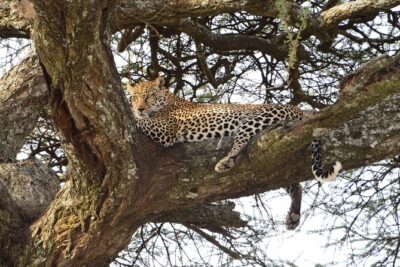
7 Days Classic Safari Central Northern Circuit
Read our review →
Lists this safari turns up in