Review · OVERNIGHT & CAMPING SAFARIS
Private 7-Day Tanzania Camping Safari
The main appeal here is simple: four famous Tanzanian parks in one private safari, with several days devoted to the Serengeti. You get time to search for lions, cheetahs, elephants, buffalo, hippos, and possibly rhinos rather than rushing through each park in a single morning.
I like the private setup, since your group controls the pace and can ask the guide to stop when something interesting appears. I also like the human side of the operation: guides such as Max, James, Josen, Freddy, and Ezequiel are repeatedly praised for patience, wildlife knowledge, and careful driving. The main drawback is the amount of time spent on rough roads and long transfers, plus some confusing day-by-day wording that you should clarify before paying.
Key points to know
- Three full days in the Serengeti: The central Seronera area gives you repeated chances to find wildlife around rivers, kopjes, and open plains.
- Private vehicle and guide: Only your group takes part, with the chance to ask questions and adjust stops.
- Camping with a safari chef: Meals are included, and feedback highlights fresh cooking by chefs including Salim, Ben, and Tito.
- Ngorongoro Crater game viewing: The crater floor is one of the strongest places on this route for big mammals in a compact area.
- A demanding seven days: Long drives, early starts, and several nights in camps make this better for active visitors than for anyone seeking a soft hotel holiday.
- Confirm the route before booking: The supplied schedule has mismatched park headings and overlapping Ngorongoro days.
A private safari built around the Serengeti
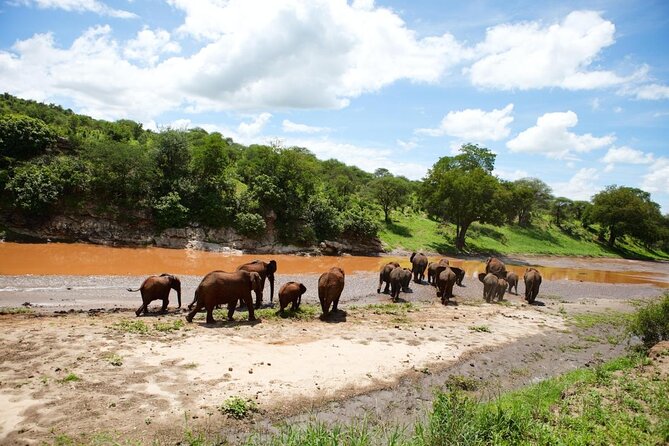
At $2,600 per person, this is not a cheap holiday, but a private seven-day safari can offer solid value if you want the major northern Tanzania parks without joining a larger group. The price includes breakfast each day, seven lunches, and six dinners. The supplied information does not clearly list park fees, camping equipment, airport transfers, or drinks, so ask for a full written list before booking.
The private format matters most in the Serengeti. You can ask to spend more time with a pride of lions, stop for photographs, or move on when an animal sighting has finished. That flexibility is more useful than it sounds. Game viewing is not a fixed show, and patience often matters more than ticking off a list of animals.
The route also gives you different types of scenery. Lake Manyara is compact and green, the Serengeti is wide and open, and Ngorongoro feels enclosed by its steep crater walls. Tarangire adds a different setting, with large trees and strong dry-season wildlife viewing, although the day assigned to it is not clearly described in the schedule.
More Overnight Safaris in Arusha
- 4 Days Group Camping Safari
★ 5.0 · 1,101 reviews - 5 Days Group Camping Safari
★ 5.0 · 730 reviews - 3 Days Serengeti & Ngorongoro Group Camping Safari
★ 5.0 · 574 reviews
What the seven days are meant to cover
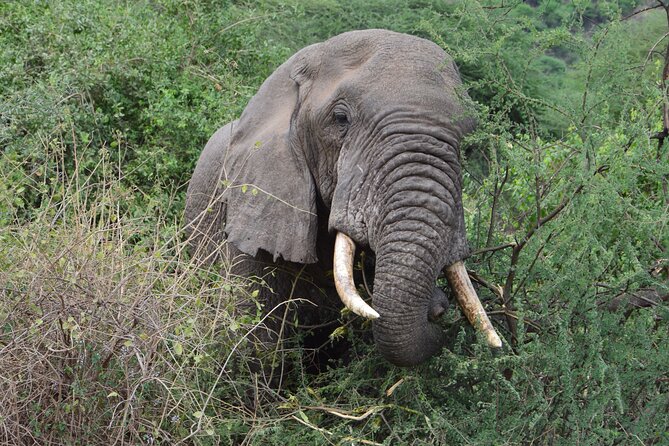
The plan is designed around Tarangire, Lake Manyara, Serengeti National Park, and Ngorongoro Conservation Area. In practice, the supplied itinerary appears to contain copied or misplaced headings. Day 1 is labeled Tarangire but describes driving toward Serengeti. Day 2 is labeled Serengeti but describes Lake Manyara. Day 3 then returns to the Serengeti.
That does not automatically mean the safari is poorly organized. It does mean you should ask the operator for the exact route, campsite names, and park order. The most sensible interpretation is a northern-circuit safari that includes Tarangire, Lake Manyara, several nights in Serengeti, and Ngorongoro. Get that sequence confirmed in writing.
Day 1: entering the Serengeti through the highlands
The first described day begins after breakfast with a drive through the farmland around Karatu and the Ngorongoro Conservation Area. This is a useful transition from cultivated highlands to open country, and the views change steadily as you leave the higher ground behind.
The route then heads toward central Serengeti and the Seronera area. Seronera is important because the river provides water, which helps draw wildlife even when surrounding grassland is dry. Arriving around lunchtime gives you an early chance to begin game viewing before reaching camp.
The day is labeled Tarangire in the supplied schedule, but Tarangire is not described in the actual stop text. If seeing Tarangire is important to you, confirm exactly when it occurs. A safari sold as covering four parks should clearly show the entrance and exit day for each one.
Day 2: Lake Manyara’s compact wildlife circuit
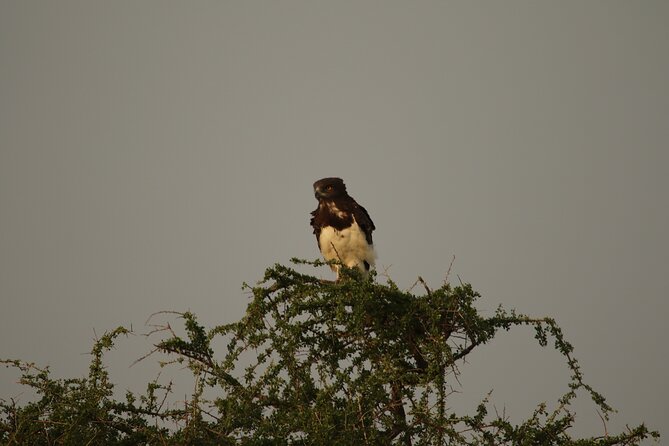
The Lake Manyara section is one of the more scenic parts of the route. The park runs along the base of the Rift Valley escarpment, with a narrow strip of land stretching beside the lake. The road passes through groundwater forest, a striking change after the open Serengeti.
You may see elephants, monkeys, birds, and other animals in a relatively small area. The appeal here is variety and scenery rather than the huge horizons of the Serengeti. It is a good place for a full-day game drive because the circuit offers plenty of changes in vegetation without requiring the very long drives found elsewhere.
The schedule says you leave camp at 8:30 in the morning with a picnic lunch and continue to Twiga campsite for dinner and the night. The day is also labeled Serengeti, which is another reason to request a corrected itinerary. You should know whether this day begins in Serengeti, ends in Manyara, or has simply been assigned the wrong heading.
More Overnight Safaris in Tanzania
- 2 Days Tarangire and Ngorongoro Group Camping Safari
★ 5.0 · 146 reviews - 6 Days Tanzania Budget Camping Safari
★ 5.0 · 145 reviews - 3 Day Serengeti National Park & Ngorongoro Crater Camping Safari
★ 5.0 · 142 reviews - Multi-Day Tanzania Odssey Safari from Arusha
★ 5.0 · 120 reviews
Day 3: returning to the open Serengeti
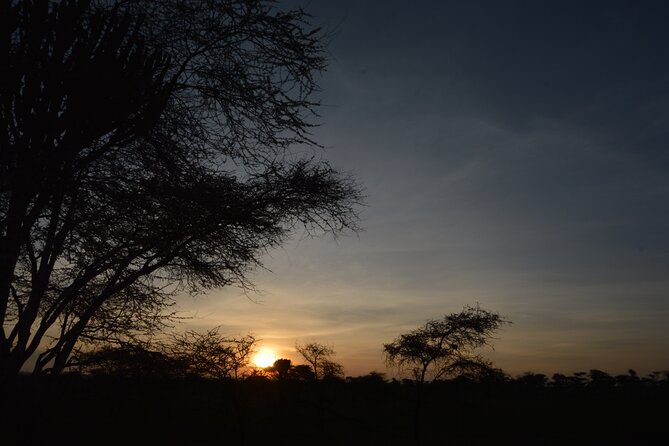
The next described day takes you from Lake Manyara back toward the Serengeti. The drive is listed at about four hours, followed by a full-day game drive and a late-evening drive. That makes this a long day, but it also gives you more time in the park rather than treating Serengeti as a quick photo stop.
Your overnight stay is listed at Seronera Campsite, also called Nguchiro Campsite in the schedule. Camp names should be confirmed, since the two names may refer to different sites or may reflect inconsistent wording. Either way, central Serengeti is the heart of the safari, and you will spend several nights close to the best-known wildlife areas.
Days 4 and 5: giving the Serengeti time to work
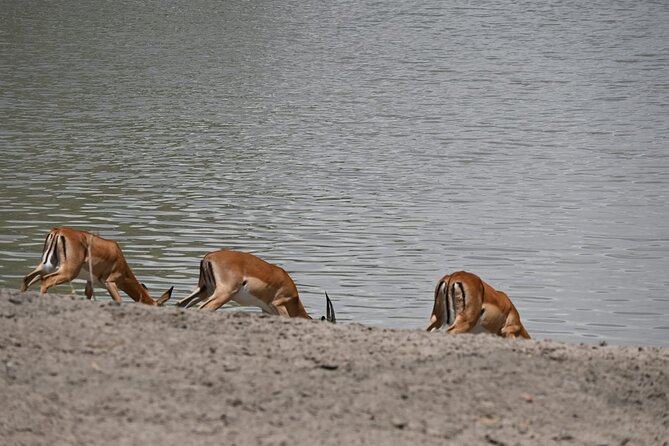
The fourth day starts with an early game drive, followed by a full day out with a picnic lunch. This is exactly the kind of schedule that helps in a large park. Instead of spending most of your only Serengeti day driving in and out, you have repeated chances to explore different tracks.
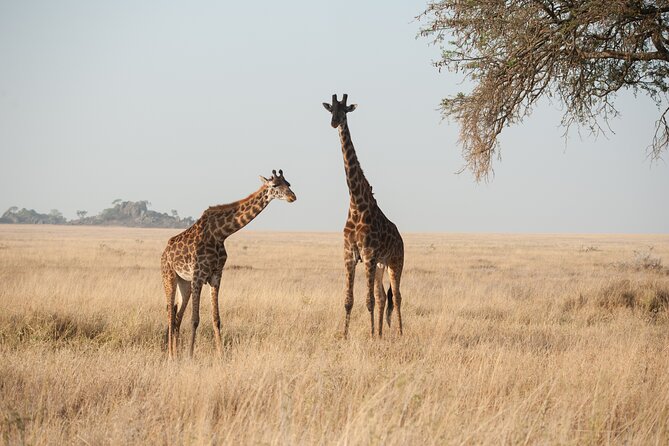
The Serengeti is not just a flat field of grass. You may pass wooded hills, termite mounds, acacia stands, river corridors, and rocky kopjes. After rain, the grass can turn green and flower-filled. In drier periods, the open plains take on a pale gold color. The character of the park changes with the season, so the same route can feel very different at different times of year.
Day 5 focuses on the Sogore River circuit south of Seronera. This area is described as a good place to look for lions, gazelles, topi, ostrich, and cheetahs. The route then includes the Seronera Visitor Center, where you can see wildlife displays and buy maps or information leaflets. That is a useful pause after several hours in the vehicle.
The afternoon follows the Kopjes circuit around the Maasai Kopjes. These rocky outcrops are good places to look for lions, and the schedule even mentions the possibility of seeing large cobras. You should keep your expectations sensible: no safari can promise a particular animal, but spending several days in one region gives your guide more chances to search well.
The strongest practical feature of these two days is repetition. One drive may reveal little, while the next turns up a cheetah or a large cat resting beside the road. Your guide’s ability to read tracks, listen to radio reports, and position the vehicle matters greatly. Max, Josen, James, Freddy, and Ezequiel are among the guides associated with especially strong guest feedback, but assignments can change.
Day 6: Olduvai Gorge and the Ngorongoro rim
Day 6 leaves Serengeti for the Ngorongoro Conservation Area, with a stop at Olduvai Gorge. The site is linked to the work of Louis and Mary Leakey and discoveries including Nutcracker Man and Handy Man, important finds in the study of human evolution.
This stop adds something beyond animal viewing. After several days focused on wildlife, Olduvai gives you a chance to connect the region with early human history. The schedule does not state how long the stop lasts or whether a separate entry fee applies, so ask for those details if the site is a priority.
The day then reaches the Ngorongoro area for lunch before a descent of more than 600 meters into the crater for a half-day safari. Overnight accommodation is listed at Ngorongoro Simba Campsite.
There is a possible overlap here. Day 7 also describes an early descent to the crater floor for six hours of game viewing. That may mean Day 6 includes a shorter afternoon visit and Day 7 provides the main crater drive, or it may be a duplicated section. Confirm the intended arrangement before booking.
Day 7: six hours on the crater floor
Ngorongoro Crater is the grand finale, and the format makes sense. An early breakfast gets you to the crater floor for a six-hour game drive, with a picnic lunch at Ngoitoktok Spring.
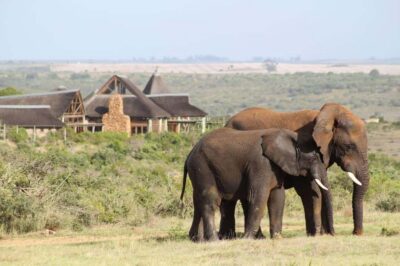
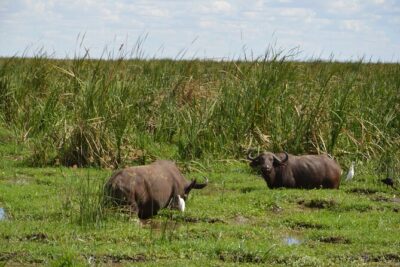
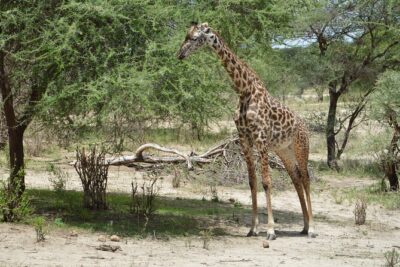
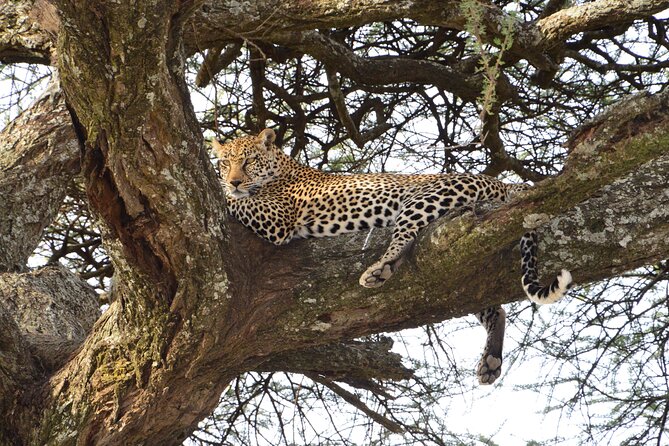
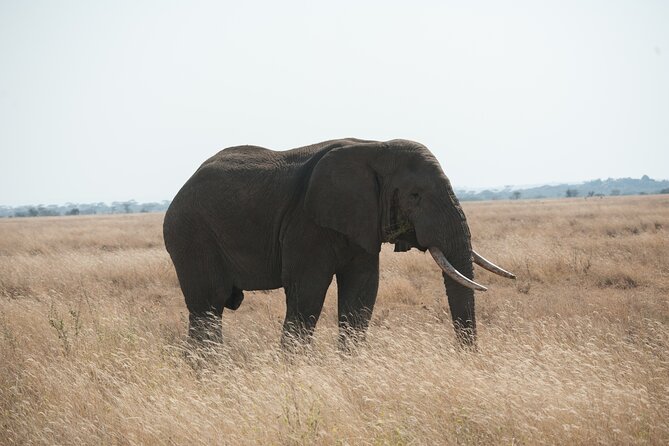
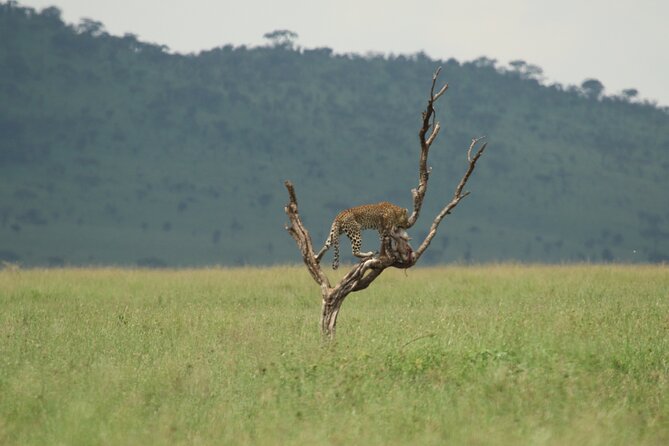
The crater’s enclosed setting makes wildlife easier to search for than in the vast Serengeti. The route lists lions, elephants, buffalo, hippos, giraffes, warthogs, baboons, and many birds. A black rhino is possible, but never guaranteed. Leopards are also listed among the big five targets, though they are famously difficult to spot.
After lunch and continued game viewing, you ascend the crater rim and drive toward Arusha. The schedule includes an en-route game drive through Mto wa Mbu village, then says you reach your Arusha hotel in the evening and are dropped at the airport. Since the meeting-point information says the activity ends back at the meeting point, clarify your actual final drop-off, especially if you have a flight that night.
Camping, food, and the daily rhythm
This is a camping safari, not a lodge circuit. You should expect early breakfasts, packed lunches on long game-drive days, and evenings at campsites. The exact tent style, bed arrangement, showers, toilets, and power supply are not specified, so ask those questions directly.
The food appears to be a real strength of the operation. Chefs named Salim, Ben, and Tito receive especially warm praise for preparing fresh meals, and several accounts describe portions as generous. That matters on a safari, where you can spend six hours or more in a vehicle and have limited access to shops.
The daily rhythm is tiring but rewarding: breakfast, a long drive or game drive, lunch in the vehicle or at camp, more wildlife viewing, then dinner and sleep. You will spend a lot of time seated on rough roads. Bring a water bottle, sun protection, binoculars if you have them, and a camera with spare batteries.
Guide quality can shape the whole trip
A safari vehicle is only part of the experience. Your guide decides how long to wait, which tracks to follow, how close to approach without disturbing animals, and when a sighting has run its course.
The supplied feedback repeatedly highlights patience, careful driving, clear answers, and strong animal spotting. Max is praised for steady driving and answering questions. Ezequiel is described as patient and helpful. James is credited with combining wildlife knowledge with a warm, thoughtful manner. Josen is praised for getting close to animals without making them nervous, while Freddy is noted for explaining both wildlife and Tanzanian culture.
These are useful qualities to look for, but you cannot assume a particular person will be assigned unless the operator confirms it. If you have a strong preference, ask for the guide’s name and whether that request can be honored.
How the $2,600 price measures up
At $2,600 per person, the value depends on what the fee covers beyond the meals listed. Seven days of private guiding, vehicle use, park access, camping, cooking, and transfers can make the price reasonable, but the supplied details do not break down those costs.
The private format is the main value point. If you are traveling as a couple or a small family group, you are paying more than you would for a shared vehicle, but you gain control over the pace. That can be worth it in the Serengeti, where one person may want to wait for a lion while another prefers to continue searching.
Ask these practical questions before you pay:
- Are park entry fees included?
- Is camping equipment supplied?
- Are drinks and bottled water included?
- What kind of vehicle is used?
- Which campsites are booked on each night?
- Is airport transfer included on the final day?
- What happens if the published park order changes?
Confirmation is provided at booking, and free cancellation is available up to 24 hours before the start time. Changes or cancellations inside that window are not accepted for a refund.
Who should book this safari?
I would choose this trip if you want the classic northern Tanzania route, prefer a private vehicle, and are happy with basic camping. It suits photographers, first-time safari visitors, couples, and small groups who want time for questions and repeated game drives.
I would hesitate if you need fixed hotel comfort, dislike long road transfers, or have only a short window before a flight. The route is ambitious, and the itinerary wording needs correction. The safari also works best for people who understand that wildlife sightings are never guaranteed, even in famous parks.
Should you book it?
This is a strong choice for a private, wildlife-heavy introduction to northern Tanzania, especially because it gives the Serengeti several days rather than one rushed visit. The guide and chef feedback is unusually consistent, with careful driving, patient explanations, and fresh meals receiving the most praise.
Before booking, insist on a corrected seven-day schedule. Confirm Tarangire’s exact day, the Lake Manyara transfer, the two Ngorongoro entries, campsite standards, park fees, and your final airport transfer. If those details are clear and you are comfortable camping, the combination of private guiding, major parks, and long Serengeti game drives makes this a worthwhile safari.
FAQ
Where does the safari start?
The listed meeting point is Jevas Hotel EncoreTZ in Makao Mapya, Arusha, Tanzania.
Where does the activity end?
The meeting information says the activity ends back at the meeting point. The final itinerary also mentions return to Arusha and airport drop-off, so confirm your exact final destination before booking.
Is this a private tour?
Yes. Only your group participates in the activity.
Which parks are included?
The tour information names Tarangire National Park, Lake Manyara National Park, Serengeti National Park, and the Ngorongoro Conservation Area.
What meals are included?
The stated inclusions are seven breakfasts, seven lunches, and six dinners.
Can I cancel for a full refund?
Yes, if you cancel at least 24 hours before the experience start time. Cancellations or changes made less than 24 hours before the start are not accepted for a refund.
How long is the tour?
The tour lasts approximately seven days.
More week-long safaris in Arusha
- 7-Day Premium Luxury Tanzania Safari All-Inclusive
★ 5.0 · 426 reviews - Group Safari 7 Days in Tanzania’s Main Parks
★ 5.0 · 240 reviews - 7 Days Tanganyika Wilderness Safari
★ 5.0 · 159 reviews - 7 days great migration safari
★ 5.0 · 77 reviews
Newest safaris around Arusha
- 7 days great migration safari★ 5.0 · 77 reviews
- 4 days safari★ 5.0 · 34 reviews
- 6 days Tanzania budget safari★ 5.0 · 65 reviews
- 5 days safari, hiking & culture (Serengeti & kilimanjaro)★ 5.0 · 27 reviews
- Amazing 4 Days Tanzania Budget Camping Group Joining Safari★ 5.0 · 15 reviews
- Best 5 Days Tanzania Private Luxury Safari with luxury Lodges★ 5.0 · 12 reviews
- Serengeti & Ngorongoro fly in safari★ 5.0 · 76 reviews
- 8 Days 7 Nights Tanzania Wildlife & Culture Lodge Safari★ 5.0 · 17 reviews
Overnight & Camping Safaris, side by side.
Overnight Safari, Dinner, Stargazing & Al Khayma Camp
Read our review →
Dubai Overnight Desert Safari, BBQ & Stargazing at Al Khayma Camp
Read our review →

Desert Safari with Camp, Dinner, & Optional Overnight
Read our review →