
Review · ARUSHA SAFARIS
8 Days Green Season Offer – Luxury Serena Safari
The biggest draw here is simple: you get Tanzania’s headline parks while staying entirely in Serena properties, including lodges perched above Lake Manyara and Ngorongoro Crater. The route also gives you two full Serengeti days, which matters when animals are spread across a huge area.
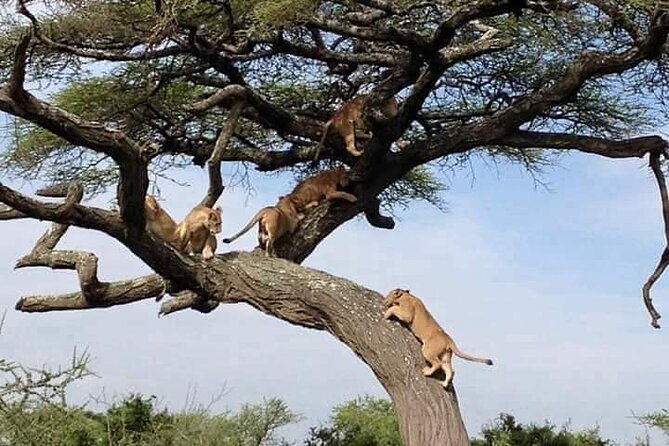
I like the balance of wildlife and scenery, especially the tree-climbing lions and elephants of Manyara followed by the open plains of the Serengeti. I also like that this is a private tour, so your group can travel at its own pace rather than follow a large coach.
The main consideration is time on the road. This is a serious safari circuit, not a resort holiday, and several transfers are long. The migration is seasonal and never guaranteed, even when the timing looks favorable.
Key points to know before booking
- Serena accommodation throughout: Stay at Arusha Serena Hotel, Lake Manyara Serena Lodge, Serengeti Serena Lodge, and Ngorongoro Serena Lodge.
- Two full Serengeti days: More time improves your chances of finding lions, elephants, buffalo, zebra, and other wildlife.
- Green-season pricing: The $3,978 per-person rate offers a lower-season way to book a luxury lodge circuit.
- Private group format: Only your own party takes part, with pickup offered in Arusha.
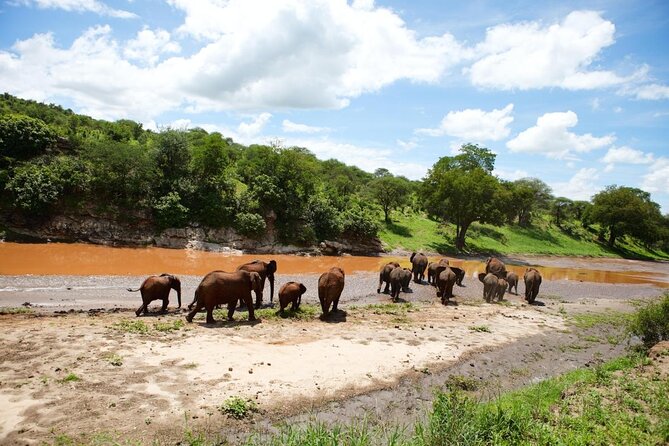
- Strong wildlife variety: Expect birdlife at Manyara, elephants at Tarangire, possible black rhino at Ngorongoro, and big cats across the parks.
- Full board included: Seven breakfasts, seven lunches, and seven dinners are covered, while drinks, laundry, tips, and insurance are extra.
What the $3,978 price gets you
At $3,978 per person, this is not a budget safari. You are paying for a polished lodge circuit, park access, meals, private touring, and the planning needed to connect four major wildlife areas over eight days.
The value comes from staying at Serena properties rather than moving between very different hotels or camps. You get a consistent level of accommodation, full-board meals, and lodges chosen for their locations. Lake Manyara Serena sits above the lake, Serengeti Serena looks across the central Serengeti, and Ngorongoro Serena is built along the crater rim.
That consistency has a practical benefit. After a dusty game drive, you know what sort of lodging experience to expect. You are not trading comfort for access to the parks.
The price does not include soft drinks, alcoholic drinks, laundry, travel insurance, or tips for guides and hotel staff. Set aside money for those costs. Also check the final transport plan for Day 8, since the schedule describes the Tarangire visit but does not spell out the onward drive back to Arusha.
The green-season dates shown are April and May. That can be a smart time to consider this trip if you want the special low-season rate and are comfortable with weather playing a role. The activity requires good weather, and poor conditions can lead to a changed date or refund.
A few more safaris around Arusha worth a look
- Balloon Safari & Bush Breakfast in Serengeti – Miracle Experience
★ 5.0 · 1,646 reviews - 4 Days Group Camping Safari
★ 5.0 · 1,101 reviews - 5 Days Group Camping Safari
★ 5.0 · 730 reviews
Day 1: A calm start in Arusha
Your arrival begins at Kilimanjaro International Airport. A Gilmag Safaris representative meets you after customs and immigration, then takes you roughly 50 kilometers to Arusha.
You spend the night at Arusha Serena Hotel, Resort and Spa on full board. This first night is useful, not wasted time. It gives you a place to rest after the flight and a scheduled briefing before the safari begins.
The arrival day is listed as lasting about 12 hours, but much of that depends on your flight and airport formalities. Confirm your arrival details carefully with the operator. Communication is one of the company’s strongest practical points, and Mary is specifically praised for prompt, accurate replies and for handling a major rescheduling request during the pandemic without an extra charge.
Day 2: Birdlife and tree-climbing lions at Lake Manyara
After breakfast, you drive to Lake Manyara National Park and arrive in time for a hot lunch. The park is a fine first wildlife stop because it offers a different kind of safari from the open Serengeti.
More than 400 bird species have been recorded here. You could see a large number in one day, particularly around the lake and floodplain. This makes Manyara a good addition for anyone who enjoys birds as much as large mammals.
The acacia woodland is the place to watch for the park’s famous tree-climbing lions. Sightings are never promised, but the possibility gives your game drive a clear focus. Elephants are another major attraction, and their large tusks are part of the park’s appeal.
You sleep at Lake Manyara Serena Lodge, built high along the escarpment with wide views over the alkaline lake. The setting adds something important to the day. You are not simply checking into a room near the park entrance. You are looking out across the water and surrounding country from above.
Days 3 to 5: Three ways to experience the Serengeti
The trip to the Serengeti passes through the Ngorongoro Conservation Area. You stop at the crater rim for a major first look before continuing toward the plains.
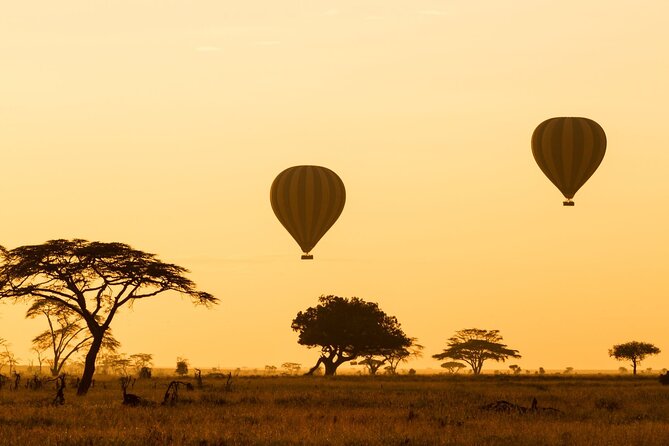
The Serengeti covers about 6,900 square miles, so the word endless is not an exaggeration. Its size explains why three days here are valuable. Animals move, sightings take time, and a single drive can never show you the whole park.
Same region, a very different drive:
- 3 Days Serengeti & Ngorongoro Group Camping Safari
★ 5.0 · 574 reviews - 7-Day Premium Luxury Tanzania Safari All-Inclusive
★ 5.0 · 426 reviews - 3-Day Classic Serengeti Safari
★ 5.0 · 263 reviews - 8 Days Great Wildebeest Calving Migration Safari from Arusha
★ 5.0 · 254 reviews
Day 3: Arrival across the open plains
The first Serengeti day is partly a transfer day, but it is also your introduction to one of Africa’s best-known wildlife areas. The route may produce sightings before you reach the lodge, and the scenery changes dramatically as the high country gives way to broad grassland.
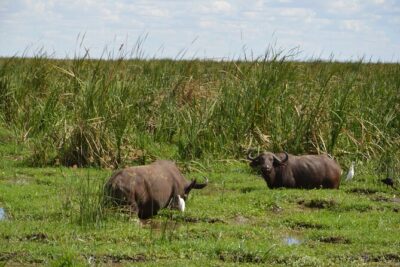
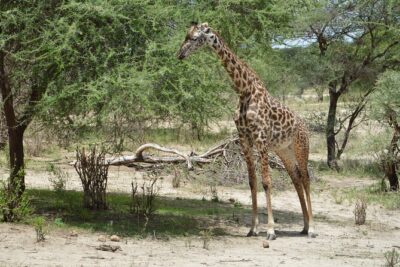
Central Serengeti offers the possibility of elephants, giraffes, hippos, warthogs, and many antelope species. Buffalo, zebra, impala, Grant’s gazelle, eland, topi, and kongoni are all part of the area’s wildlife mix.
You stay at Serengeti Serena Lodge. It is described as being near the Western Corridor and Grumeti River, with broad views across the park. That location helps explain the two-night stay. You are positioned for more than one style of game drive rather than rushing in for a quick look and leaving the next morning.
Day 4: Migration country
The Serengeti migration involves wildebeest, zebra, and Thomson’s gazelle moving in search of fresh grazing. The route information gives April, May, and November as the usual migration periods for the area, but animal movement depends on conditions. Treat migration sightings as a possibility, not a promise.
The numbers are impressive: around 200,000 zebra and 300,000 Thomson’s gazelle join the wildebeest movement. Still, the value of this day does not rest only on seeing a moving herd. The resident wildlife is strong throughout the year.
A driver-guide can help you understand what you are seeing, from predator behavior to the role of water, grass, woodland, swamps, and soda lakes. The company has used guides named Moses and Abu on other safari programs. Your assigned guide is not named in the tour details, so ask for that information before departure if guide experience is important to you.
Day 5: A full game-drive day
This is the best day for a slower pace. You have a full day in the Serengeti rather than spending much of it transferring between parks.
The route includes short grass plains, woodland, swamps, and soda lakes. That range of habitats increases the kinds of animals you might find. Lions, elephants, buffalo, zebra, gazelle, and other predators and herbivores are possible throughout the year.
The tradeoff is that safari sightings are unpredictable. You may spend time driving between distant areas without a major encounter. That is normal in a park this large, and it is why the extra day is worth more than a rushed overnight visit.
Day 6: Olduvai Gorge and the Ngorongoro rim
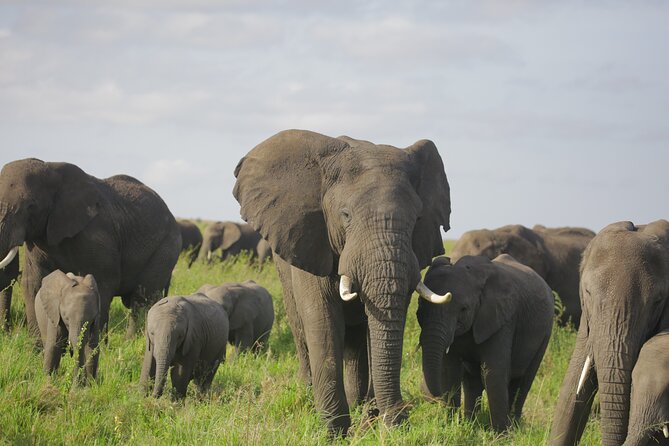
After breakfast, you leave the Serengeti for the Ngorongoro Conservation Area. The route passes Olduvai Gorge, associated with the Leakey family and fossil discoveries dating back almost two million years.
This stop adds a human and archaeological thread to a trip otherwise focused on animals. It also breaks up the transfer with a place of real scientific importance.
Your overnight stay is at Ngorongoro Serena Lodge, built along the crater rim from local river stone and covered with indigenous vines. The lodge is designed to blend into the rim, and the crater floor lies about 600 meters below.
The setting is the point. You are not staying at the bottom of the crater, so you get the dramatic rim view and a cooler highland atmosphere. The next morning’s descent is also easier to appreciate after seeing the crater from above.
Day 7: A full day inside Ngorongoro Crater
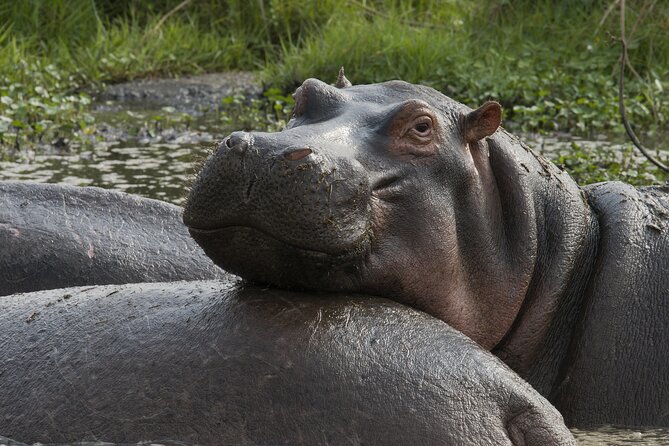
You leave after breakfast with a picnic lunch and descend into Ngorongoro Crater for a full day of game viewing. The crater is a compact wildlife area compared with the Serengeti, but it packs a great deal into one day.
This is one of the stronger places on the route to look for the endangered black rhino. Sightings are never certain, but the crater gives you a serious chance. Lake Magadi may also bring flamingos, adding a bright bird spectacle to the mammals.
Other possible sightings include zebra, hippos, warthogs, waterbuck, Thomson’s and Grant’s gazelles, hyenas, jackals, and lions. Lions may rest beside vehicles for shade, which can produce a memorable close view while still requiring careful respect for park rules.
The day is long. You descend, spend hours on the crater floor, eat a picnic lunch, then climb back to the rim for another night at Ngorongoro Serena Lodge. For me, this is one of the tour’s essential days, but it may feel tiring if you prefer short outings and long afternoons at the lodge.
Day 8: Elephants and baobabs in Tarangire
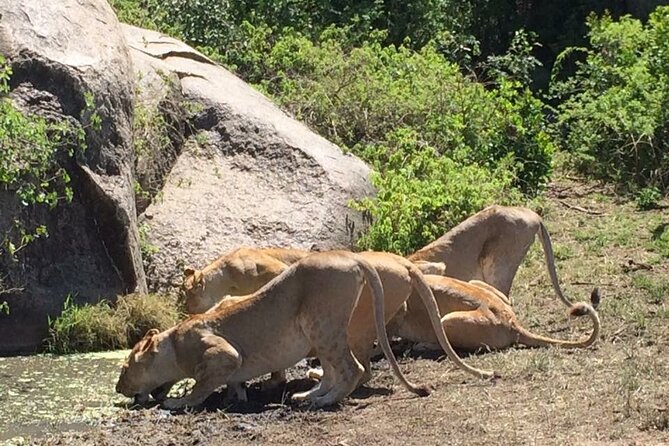
The final safari day begins with an early breakfast and a drive to Tarangire National Park. You reach the park in mid-morning, take a game drive, stop for a picnic lunch overlooking the Tarangire River, and continue with an afternoon drive.
Tarangire is famous for its baobab trees and large elephant population. The combination gives the park a distinct look and feel. It is not simply another version of the Serengeti.
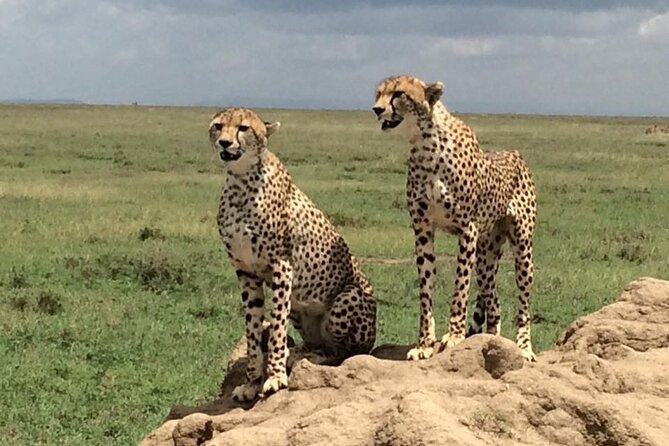
You may also see leopard, ostrich, lion, warthog, zebra, and cheetah. African wild dog is mentioned as a rare possibility. As with the black rhino and migration, the right attitude is hopeful but realistic.
Tarangire is described as being slightly off the main safari route, which can make it feel like a worthwhile final change of scenery. The schedule says the activity ends back at the meeting point, with Arusha listed as the start and end location, but it does not give the exact return time. Ask for that timing before arranging a flight or onward connection.
Private touring and daily comfort
This is a private activity, so only your own group takes part. That gives you more control than a fixed large-group departure. You can ask questions, spend longer at an animal sighting, and discuss the day with your guide without competing with a busload of people.
Pickup is offered, and confirmation is provided at booking. Most people can participate, though the schedule includes long drives, early breakfasts, picnic lunches, and full days in vehicles. The supplied information does not give vehicle specifications or maximum group size, so ask those questions before paying.
Meals are covered for seven breakfasts, seven lunches, and seven dinners. This simplifies a route where independent dining choices may be limited. Drinks are not included, so plan for those separately.
Tips for guides and hotel staff are also extra. Travel insurance and laundry are excluded as well. These are ordinary safari add-ons, but they affect the true cost and should be part of your budget.
What past service suggests about Gilmag Safaris
The strongest pattern in the available feedback is careful planning and communication. Mary is singled out for quick, accurate replies and for accommodating changes. One party postponed its trip during Covid-19 and later traveled without an added rescheduling charge.
Guide quality also appears important to the company. Moses and Abu are named in connection with other Gilmag trips, with Abu receiving particular praise for guiding a combined Tanzania and Kenya route. That does not mean either guide will lead this specific departure, so request your guide’s name and background if you want to compare.
Several parties describe Gilmag as a good fit for honeymoons and larger organized trips. One group of 42 began in Zanzibar and continued to Kilimanjaro, showing that the company can handle complicated arrangements beyond this eight-day circuit.
The praise is useful, but you should still read the program closely. Confirm the guide, vehicle, airport transfer, exact departure dates, and Day 8 return timing in writing.
Who should book this safari
I would recommend this trip to you if you want Tanzania’s best-known parks in one organized route and care about lodge comfort. It suits couples, families, and private groups who prefer one operator to manage accommodation, meals, park visits, and transfers.
It is especially strong for first-time safari visitors. You get a broad introduction: birds and tree-climbing lions at Manyara, huge open spaces in the Serengeti, crater wildlife at Ngorongoro, and elephants and baobabs at Tarangire.
I would hesitate if you want a relaxed holiday with little driving. The schedule is full, and the distance between parks is part of the experience. I would also hesitate if seeing the migration is your only goal, since the animals do not follow a fixed calendar.
Cancellation terms are worth noting before you commit. Cancel at least six full days before departure for a full refund. A cancellation two to six days before departure receives 50 percent, while cancellation less than two full days before departure is nonrefundable. Poor weather may result in a new date or a full refund.
Should you book it?
Book this safari if the appeal of Serena lodges, private guiding, and four major parks outweighs the long transfers. The green-season rate gives you a more attractive price for a high-comfort route, and the two full Serengeti days add real value.
Choose another plan if you want a slower lodge holiday, a dedicated migration itinerary, or a trip built around one park. For a first Tanzania safari with a strong mix of wildlife, scenery, and dependable accommodation, this is a well-balanced choice.
FAQ
Where does the safari start?
The safari starts in Arusha, Tanzania. Airport pickup is offered from Kilimanjaro International Airport, followed by a drive of about 50 kilometers to Arusha City.
Where does the safari end?
The activity ends back at the meeting point, with Arusha listed as the start and end location. The exact return timing after Tarangire is not provided.
How long is the experience?
The safari lasts approximately eight days.
Is this a private safari?
Yes. Only your own group participates in the activity.
Which parks and conservation areas are included?
The route includes Lake Manyara National Park, Serengeti National Park, the Ngorongoro Conservation Area and Crater, and Tarangire National Park.
Where do you stay?
Accommodation is at Arusha Serena Hotel, Lake Manyara Serena Lodge, Serengeti Serena Lodge, and Ngorongoro Serena Lodge.
Are meals included?
Seven breakfasts, seven lunches, and seven dinners are included.
Are drinks included?
No. Soft drinks and alcoholic drinks are not included.
Is travel insurance included?
No. Travel insurance is not included in the tour price.
When is the green-season offer available?
The listed operating periods are April 1 through May 31, 2025, and April 1 through May 31, 2026, from Monday through Sunday.
Can you cancel for a refund?
You can receive a full refund by canceling at least six full days before the start time. Canceling two to six full days before the start time receives a 50 percent refund. Cancellations less than two full days before departure are nonrefundable.
Newest safaris around Arusha
- 7 days great migration safari★ 5.0 · 77 reviews
- 4 days safari★ 5.0 · 34 reviews
- 6 days Tanzania budget safari★ 5.0 · 65 reviews
- Amazing 4 Days Tanzania Budget Camping Group Joining Safari★ 5.0 · 15 reviews
- 5 days safari, hiking & culture (Serengeti & kilimanjaro)★ 5.0 · 27 reviews
- Best 5 Days Tanzania Private Luxury Safari with luxury Lodges★ 5.0 · 12 reviews
- Serengeti & Ngorongoro fly in safari★ 5.0 · 76 reviews
- 8 Days 7 Nights Tanzania Wildlife & Culture Lodge Safari★ 5.0 · 17 reviews
Arusha Safaris, side by side.
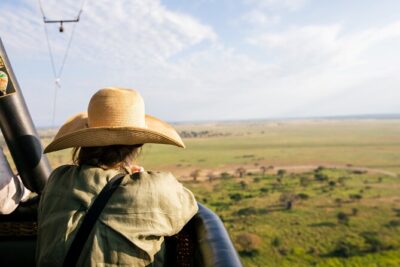
Balloon Safari & Bush Breakfast in Serengeti – Miracle Experience
Read our review →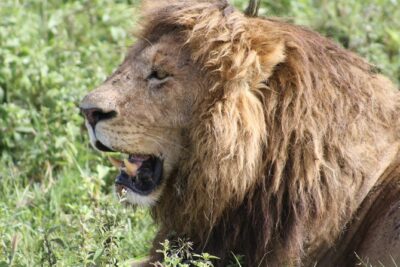
3 Days Serengeti & Ngorongoro Group Camping Safari
Read our review →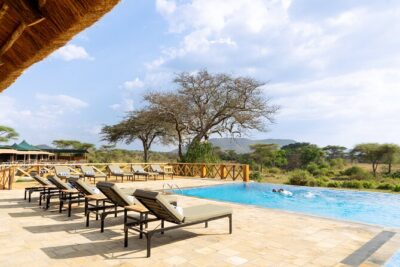
7-Day Premium Luxury Tanzania Safari All-Inclusive
Read our review →
8 Days Great Wildebeest Calving Migration Safari from Arusha
Read our review →
Group Safari 7 Days in Tanzania’s Main Parks
Read our review →Lists this safari turns up in