
Review · 4-DAY EXPERIENCES
4-Day Safari from Arusha: Tarangire, Serengeti and Ngorongoro
Tarangire’s giant baobabs and elephant herds make a strong opening, but the real prize is the sweep of the trip: three of northern Tanzania’s best wildlife areas in four days. You move from dry woodland to the Serengeti plains, then down into a crater packed with animals.
I like the private 4×4 format, since your group can focus on its own pace and questions. I also like the practical package: hot showers, all meals, drinking water, a driver-guide, park fees, and picnic lunches are covered. The tradeoff is time. The route packs a lot into four days, so expect long drives and only a short stay in each area.
Key points at a glance
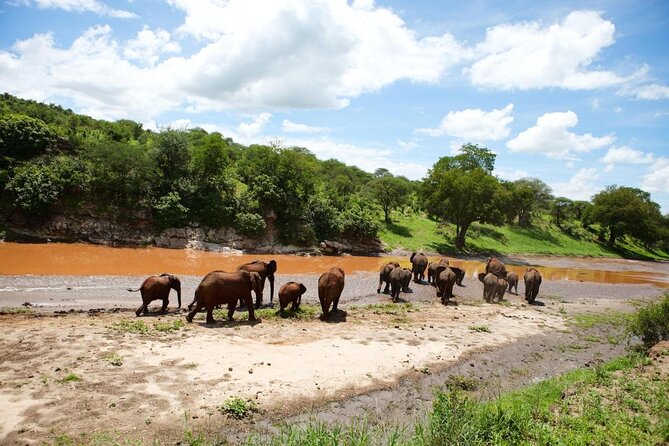
- Tarangire opens with elephants and baobabs: Dry-season water sources draw large herds toward the river and swamps.
- Serengeti includes the Seronera area: The river helps support a wide range of wildlife in the park’s central zone.
- Ngorongoro Crater is the grand finale: A full crater-floor drive offers a strong chance to see many species in one compact setting.
- Private means your group travels together: The booking requires at least two people, and only your party participates.
- Lodges and tented camps include hot showers: Rooms are self-contained rather than basic open camping.
- The price covers the core safari costs: At $1,754.88 per person, transport, meals, accommodation, water, fees, and the guide are included, but flights, Arusha nights, tips, and extras are not.
What this four-day route gets right
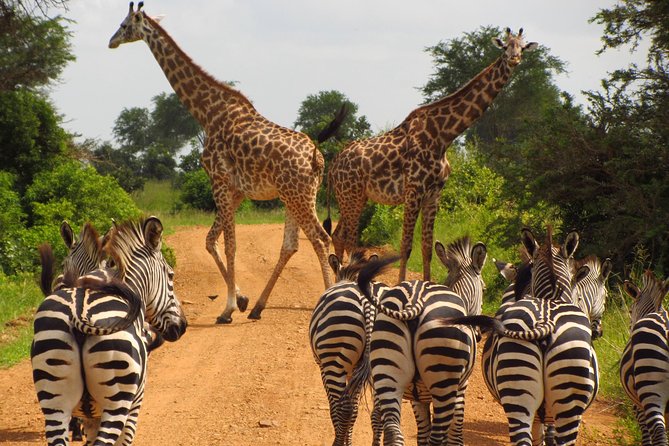
This safari works because the three parks offer different scenery and animal viewing. Tarangire gives you open woodland and huge baobabs. The Serengeti brings the classic wide grass plains. Ngorongoro finishes with a contained wildlife area where animals are easier to seek out during a single game drive.
That variety matters. If you visit only one park, you may get excellent sightings but miss the contrast between northern Tanzania’s habitats. Here, each day has a different visual character, even though the schedule is brisk.
The tour begins in Arusha at Msumbi Coffees in the TFA Shopping Complex on Sokoine Road. Pickup is offered, but the stated meeting point and 8:30 am start time should be confirmed before the morning of departure. The trip ends back at the meeting point after the crater day.
You need at least two people to book. Since this is described as a private activity, your group should have its own vehicle and guide rather than sharing the safari with unrelated parties. That is especially useful for a four-day trip, when small choices about stops, questions, and animal sightings can make the days feel less rushed.
More four-day safaris in Arusha:
- 4 Days Group Camping Safari
★ 5.0 · 1,101 reviews - 4-Day Safari from Arusha: Tarangire, Serengeti and Ngorongoro
★ 5.0 · 173 reviews - 4 Days safari Tour Tanzania
★ 5.0 · 159 reviews
Day one: Tarangire’s elephants and baobab country
The first safari day goes to Tarangire National Park, with about six hours set aside for a full-day game drive and picnic lunch. The park’s signature plants are acacia woodland and giant African baobabs. In the southern part, broad swamps and the Tarangire River provide water and attract animals during the dry season.
This is a smart first stop. Tarangire can deliver large elephant herds, and the setting feels different from the Serengeti’s open plains. You may also encounter the greater kudu, fringed-eared oryx, and Ashy starlings, three less common species associated with the park.
A full day gives your guide time to search rather than rush from one sighting to the next. Guides connected with this operator have included people such as John, Anock, Isaac, Six, Ali, Joseph, Kaana, and Jofa. The exact guide is not guaranteed in the supplied details, but the strongest praise centers on sharp animal spotting, calm driving, and clear explanations of wildlife and local culture.
The drawback is that Tarangire is only the opening act. You will spend the day looking for animals, then continue the wider route rather than settling into a second full day here. If elephants are your main goal, tell the guide early so your interests are clear.
Day two: From Karatu highlands to the Seronera plains
After breakfast, the vehicle heads toward Serengeti National Park through the high farmland around Karatu and the Ngorongoro Conservation Area. The route then drops toward the central Serengeti, where the plains stretch into the distance.
The stated driving and activity time for this stop is about four hours, but the full day also includes the transfer from your accommodation and the approach through the conservation area. You should treat this as a travel-and-game-drive day, not a relaxed morning followed by a short hop.
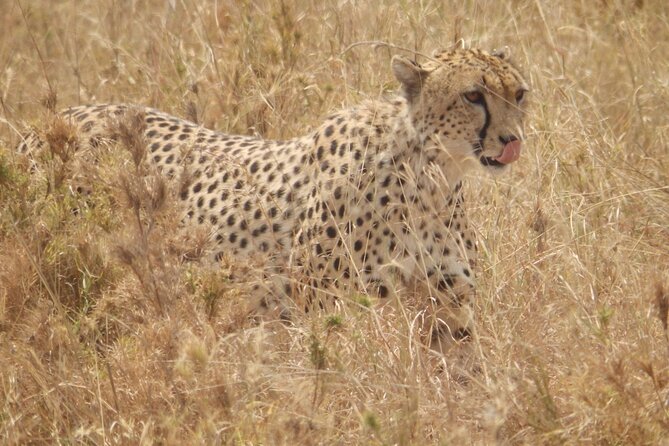
The destination is the Seronera area, one of the central Serengeti’s best-known wildlife zones. Its river supplies water and helps draw many types of animals, which gives you a chance to see more than one headline species. The open setting also makes this the day most likely to feel like the classic safari you pictured before arriving in Tanzania.
Your guide’s skill matters here. The plains can look empty until someone spots movement at a distance. One especially strong account describes guides locating a rhino far away and finding a leopard twice. That does not promise the same sightings for you, but it explains why an experienced driver-guide adds real value beyond simply providing transport.
The day can also feel long. You will cover substantial ground, and sightings depend on season, animal movement, and park conditions. Keep your expectations flexible and bring patience along with your camera.
Day three: A morning drive before leaving Serengeti
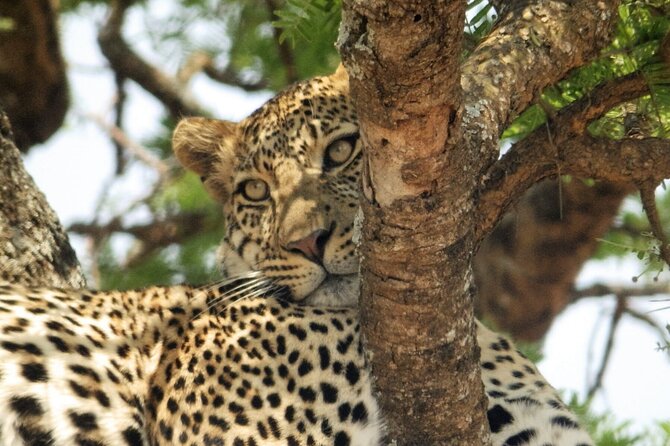
Day three starts with an early breakfast and a morning game drive in Serengeti. This is a useful time for wildlife viewing because the schedule gets you out before the day’s main transfer to the Ngorongoro Conservation Area.
After the morning drive, you leave the Serengeti with another game drive en route. The listed activity time is about four hours, so this is not a second full Serengeti day. It is a final chance to search the central park before the route turns back toward Ngorongoro.
I like this arrangement for a short safari because it protects one more serious wildlife session in the Serengeti. You are not simply driving out after breakfast. You get a last look at the area around Seronera before moving on.
Still, this is where the pace becomes most noticeable. You will pack, drive, watch for animals, and change areas in one day. If you prefer slow mornings and long stays in one camp, a longer safari would suit you better. If your priority is seeing the major parks in one trip, this efficient routing makes sense.
A few more safaris around Arusha worth a look
- Balloon Safari & Bush Breakfast in Serengeti – Miracle Experience
★ 5.0 · 1,646 reviews - 5 Days Group Camping Safari
★ 5.0 · 730 reviews - 3 Days Serengeti & Ngorongoro Group Camping Safari
★ 5.0 · 574 reviews - 7-Day Premium Luxury Tanzania Safari All-Inclusive
★ 5.0 · 426 reviews
Day four: Down into Ngorongoro Crater
The final morning takes you into Ngorongoro Crater after breakfast. The descent leads to the crater floor, where you spend about six hours on a game drive and stop for a picnic lunch.
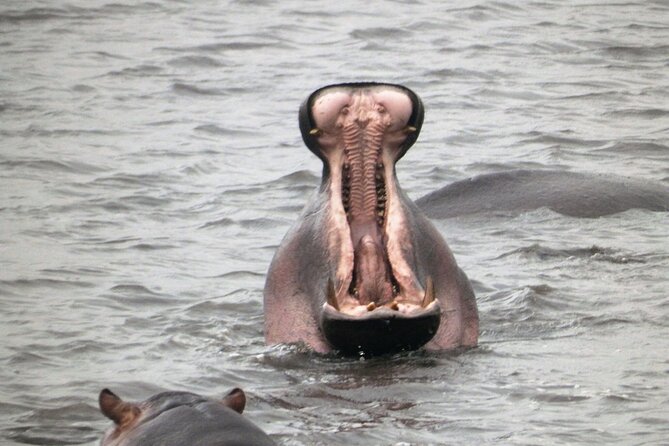
Ngorongoro is different from both Tarangire and Serengeti. The crater forms a compact wildlife area with a year-round water supply and grazing grounds. That concentration can make one game drive feel full, with possible sightings of wildebeest, zebra, buffalo, eland, warthog, hippo, and elephant.
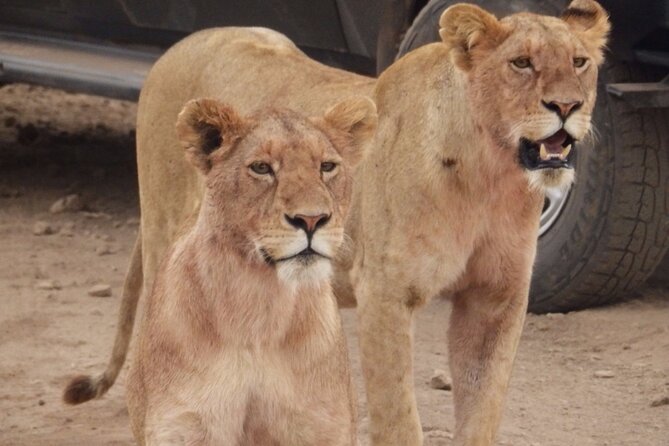
Predators are part of the appeal too. Lions, hyenas, jackals, cheetahs, and leopards are all associated with the crater. Black rhino are among the rare animals you might hope to see. The tour description estimates about 30,000 animals in the crater, though exact sightings are never guaranteed.
The crater is a strong finish because it gives you a final, focused day rather than ending with a long transfer. The picnic lunch keeps you in the area, allowing more time for wildlife viewing. Your guide will need to balance animal searches with the practical limits of a crater visit, so a private vehicle can be useful when you want to stop and watch a particular sighting.
Lodges, tented camps, and meals
Accommodation is provided in lodges and tented camps, with self-contained rooms and hot showers. That is an important distinction. You get the atmosphere of a tented safari camp without giving up a private washroom and hot water.
The supplied details do not name the individual properties, so you should ask for the exact accommodation list before booking. Location, room style, electricity, and camp setting can vary. Some past safari experiences with this operator included tents close to grazing zebra and buffalo, with nighttime animal sounds nearby. That kind of setting can be memorable, but it also means you should listen carefully to camp safety instructions.
Breakfast, lunch, and dinner are included, along with picnic lunches during the drives. Vegetarian and non-vegetarian meals are offered. Four breakfasts, four lunches, and three dinners are listed, which fits a four-day trip ending after the final safari day.
Drinking water is included at 1.5 liters per person per day. I would still bring a refillable bottle and confirm how water is supplied in the vehicle. Beverages outside the stated meal service, personal laundry, telephone use, and other personal expenses are not included.
What the $1,754.88 price really covers
At $1,754.88 per person, this is not a budget bus outing. It is a private, multi-park safari with accommodation, meals, a 4×4 safari vehicle, a driver-guide, park fees, taxes, and daily water included.
The value improves if you would otherwise pay separately for park entry, transport between parks, meals, and lodging. Those costs can add up quickly in northern Tanzania. The private format also gives you a direct relationship with the guide, which may be worth paying for if wildlife photography or animal identification matters to you.
The price does not include airport transfers, nights in Arusha, international or domestic flights, tips, optional village visits, Maasai village visits, or balloon rides. You should build those costs into your total budget before comparing this package with other safaris.
A hot-air balloon ride is not a small add-on, and it is not part of the standard route. The same applies to extra Arusha nights. If you arrive the day before the 8:30 am start, arrange and pay for that lodging separately.
Guides, driving, and the private format
The driver-guide is central to this experience. You spend many hours in the vehicle, and the guide controls the pace, explains animal behavior, watches the road, and chooses where to search.
The strongest guide qualities associated with this operation are excellent animal spotting, patience, friendly conversation, and skill behind the wheel. Guides named in the supplied material include John, Anock, Isaac, Six, Ali, Joseph, Kaana, and Jofa. You should not assume a particular person will lead your trip, but you can ask the company before departure if you have a language or guide preference.
A private safari does not remove the realities of national park driving. Roads may be rough, drives are long, and wildlife does not follow a timetable. The advantage is that you can ask questions freely and keep your own group together.
Tips for the driver-guide, cook, and other staff are not included. Carry local cash or ask the operator about the preferred tipping method before setting out.
Who should book this safari
I would choose this trip if you have only four days and want the major northern circuit in one compact package. It suits couples, families, and small groups who value a private vehicle and want lodging that includes hot showers.
It also suits first-time safari visitors who want a clear mix of habitats. Tarangire offers elephants and baobabs, Serengeti offers broad plains and the Seronera river area, and Ngorongoro offers concentrated wildlife viewing.
I would think twice if you dislike long drives or want several days in one park. Four days is enough for a memorable introduction, but not enough to explore every corner or wait indefinitely for a particular animal. A longer itinerary would give you more flexibility and less time packing and changing camps.
The tour is available daily throughout the year, but the supplied details do not promise a particular season’s animal movements or weather. Ask about current road conditions, expected accommodation, and the best date for your priorities.
Booking details worth checking first
Confirmation is sent at booking, and most people can participate. Since the activity depends on good weather, poor conditions may lead to a new date or a full refund.
You can cancel for a full refund up to 24 hours before the 8:30 am start time. Changes or cancellations inside that 24-hour window are not accepted under the stated policy.
Before paying, confirm the exact pickup arrangement, the names and locations of the overnight properties, the size of your 4×4, meal arrangements, and the final drop-off plan. These are simple questions, but clear answers make a tightly scheduled safari easier.
Should you book it?
Book this safari if you want a well-packed northern Tanzania circuit with private transport, included meals, and comfortable lodge or tented-camp accommodation. The route gives you a good first taste of Tarangire, Serengeti, and Ngorongoro without requiring a week away.
Skip it if you want a slow, single-park safari or need airport transfers and flights bundled into one price. For everyone else, the package offers solid value when you count the included park fees, vehicle, guide, food, water, and accommodation. Go in ready for long days, stay flexible about sightings, and ask for the exact camp and guide details before you confirm.
FAQ
Where does the safari start?
It starts at Msumbi Coffees in the TFA Shopping Complex, JMFH+RR3, Sokoine Road, Arusha, Tanzania. The stated start time is 8:30 am.
Where does the safari end?
The activity ends back at the meeting point in Arusha.
How many people are needed to book?
The safari requires a minimum of two people per booking. It is described as a private activity for your group.
What accommodation is included?
Accommodation is provided in lodges and tented camps. Rooms are self-contained and include hot showers.
Are meals included?
Yes. Breakfast, lunch, and dinner are included, with vegetarian and non-vegetarian food available. Four lunches, four breakfasts, and three dinners are listed.
Is drinking water included?
Yes. The package includes 1.5 liters of drinking water per person per day.
What is not included in the price?
Airport transfers, nights in Arusha, domestic and international flights, personal expenses, optional activities, village visits, balloon rides, and tips are not included.
Can I cancel for a full refund?
Yes. You can cancel at least 24 hours before the experience start time for a full refund. Cancellations or changes made less than 24 hours before the start are not accepted, and poor weather may result in a different date or a full refund.
Newest safaris around Arusha
- 7 days great migration safari★ 5.0 · 77 reviews
- 4 days safari★ 5.0 · 34 reviews
- 6 days Tanzania budget safari★ 5.0 · 65 reviews
- Amazing 4 Days Tanzania Budget Camping Group Joining Safari★ 5.0 · 15 reviews
- 5 days safari, hiking & culture (Serengeti & kilimanjaro)★ 5.0 · 27 reviews
- Best 5 Days Tanzania Private Luxury Safari with luxury Lodges★ 5.0 · 12 reviews
- Serengeti & Ngorongoro fly in safari★ 5.0 · 76 reviews
- 8 Days 7 Nights Tanzania Wildlife & Culture Lodge Safari★ 5.0 · 17 reviews
4-Day Experiences, side by side.
Private 4-Day Golden Triangle Tour with Ranthambore Tiger Safari
Read our review →
4-Day Safari from Arusha: Tarangire, Serengeti and Ngorongoro
Read our review →
Agadir Jeep Safari Sahara Desert 4×4 Day Tour with Lunch
Read our review →
4 Day Golden Triangle with Ranthambore Tiger Safari Tour from Delhi
Read our review →4-Day Group 4×4 Safari to Masai Mara & Lake Nakuru with Pick-Up
Read our review →Lists this safari turns up in