
Review · 6-DAY EXPERIENCES
Private 6-Day Great Migration Ndutu Serengeti Safari Tour
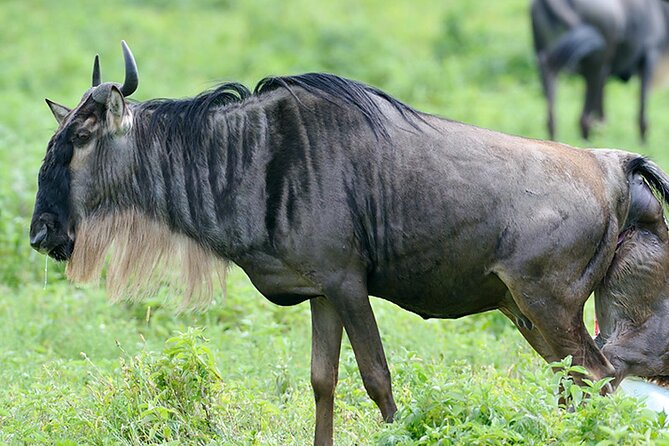
The main event here is the wildebeest calving season at Lake Ndutu, where great herds gather on short grass from December through April. January is the key month: roughly half a million calves may be born during a short period, and lions, cheetahs, hyenas, and other predators wait nearby.
I like the private format, which gives you one safari vehicle and guide for your own group rather than a shared schedule. I also like the route: Tarangire and Lake Manyara add elephants, birds, woodland, and baobabs, while Ngorongoro brings a very different crater setting. The main caution is timing. The migration moves, and no safari can promise a particular sighting.
Key points at a glance
- Ndutu from December to April: This is the seasonal focus, with the best calving action usually around January and February.
- Five major wildlife areas: You visit Tarangire, Ndutu, the Serengeti, Ngorongoro Crater, and Lake Manyara in six days.
- A genuinely private safari: Only your group takes part, so you have more say in viewing time and daily pace.
- Experienced guide teams: Past departures have included guides named Shafino, Gilbert, Ozzie, Evans, Goodluck, Meck, and Gama.
- A strong wildlife mix: Expect chances for elephants, wildebeest, zebra, buffalo, giraffe, lions, birds, and possibly leopard or rhino.
- Price and timing matter: At $2,827 per person, the value depends heavily on what lodging, meals, park fees, and transfers are included in your booking.
Why Ndutu is the heart of this safari
Lake Ndutu sits in the Ngorongoro Conservation Area, but it belongs to the wider Serengeti ecosystem. The area is known for its short grass, shallow alkaline lake, open plains, woodland, and seasonal swamps. That mix attracts both the migrating herds and the predators that follow them.
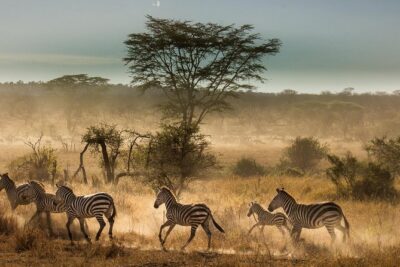
The timing is the reason to choose this trip. From December through April, wildebeest and zebra usually spread across the southern Serengeti and Ndutu region. Around January, the calving period can last only about three weeks. You may see newborn calves standing within minutes, with others able to run after a few days.
This is not simply a hunt for a large herd. The calving season gives the safari a sense of tension. The open grass offers little cover, so young animals are exposed. You might see a mother and calf moving together, a cluster of zebra keeping watch, or predators testing the edges of the herds.
Still, nature sets the schedule. Rain can shift the herds, and the exact location of the animals changes from year to year. I would choose January or February if calving is your priority, but I would not book this trip expecting a guaranteed birth, chase, or kill.
More six-day safaris in Arusha:
- 6 Days Private Budget Safari
★ 5.0 · 163 reviews - 6 Days Tanzania Budget Camping Safari
★ 5.0 · 145 reviews - 6 days Tanzania budget safari
★ 5.0 · 65 reviews
Day 1: A quiet start in Arusha
Your first day is built for arrival and preparation. Pickup from the airport is offered, and you are taken to accommodation in Arusha for the night. The stated meeting point is Mount Meru Hotel on Arusha-Taveta Road, so confirm your exact pickup plan if you are arriving elsewhere.
Arusha is the practical gateway for northern Tanzania safaris. This first night gives you time to rest, sort your luggage, and meet the local team before long drives begin. Arusha Planet Lodge is named as the overnight accommodation, with a setting designed to introduce you to Tanzania’s natural surroundings.
There is no scheduled wildlife activity on this day, and that is useful rather than wasteful. Safari mornings begin early, and arriving directly into a demanding drive can leave you worn out before the main event.
Day 2: Elephants and river country in Tarangire
You leave Arusha in the morning for Tarangire National Park. The drive follows a paved road across Maasai country, with acacia trees, villages, cattle, bicycles, and donkey carts along the way. This is one of the few parts of the trip where the journey itself gives you a clear look at everyday life outside the parks.
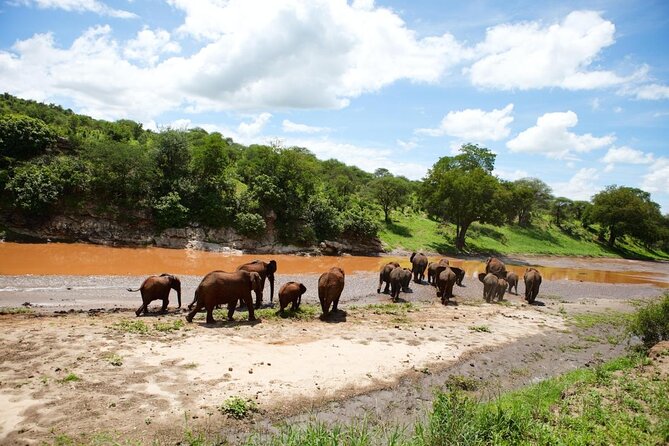
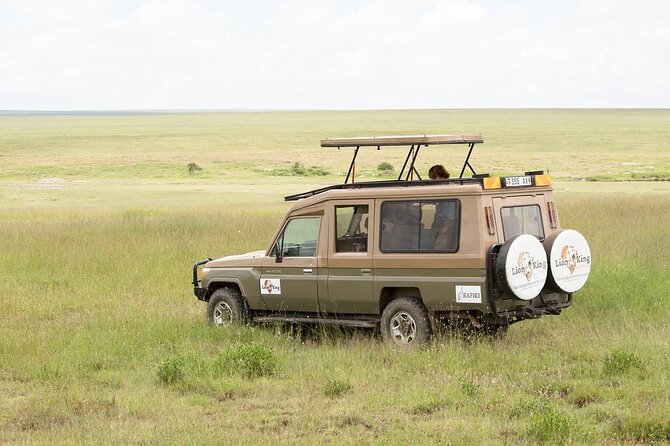
Tarangire is especially known for its elephant herds. The Tarangire River and seasonal swamps draw animals when water is scarce, and the park also supports zebra, giraffe, buffalo, antelope, and many birds. You explore from a safari vehicle with an open roof, giving you a broad view for photography and animal spotting.
I like this as the opening wildlife day because it is different from Ndutu. Tarangire has river country, thicker vegetation, and large trees, including the park’s striking baobabs. It helps you see that a Tanzania safari is not one repeated view of grassland.
The drawback is time. The day is listed at about eight hours, and the drive from Arusha plus the game drive can make it feel full. If your main reason for booking is the migration, Tarangire is a useful addition, but it does take time away from the southern Serengeti.
Day 3: First sightings around Lake Ndutu
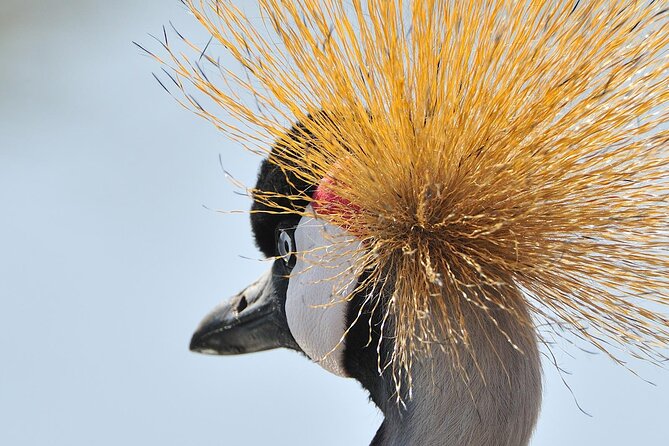
After breakfast, you drive toward Ndutu, with the journey taking about three hours. The route crosses Rift Valley scenery before reaching the lake area. Ndutu is alkaline, as are many lakes in this part of the Rift Valley, and its surrounding habitats support a wide range of animals.
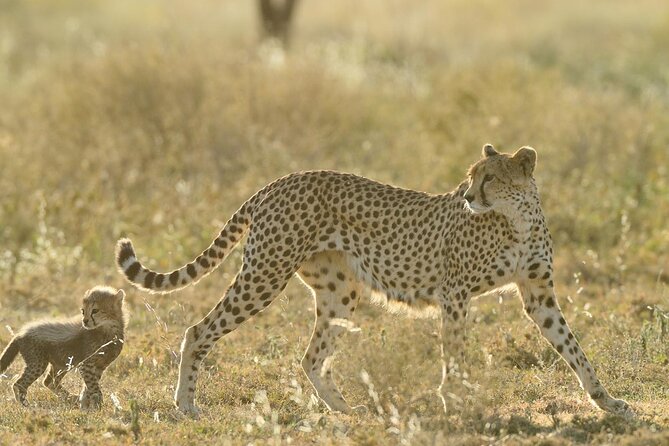
After arrival, you begin a game drive in the Ndutu region. The timing of this first afternoon matters. You may be watching for wildebeest and zebra on the plains, but your guide will also be reading the ground for lions, cheetahs, hyenas, elephants, giraffe, and smaller animals.
You then continue to your accommodation for dinner and the night. The precise lodge or camp is not named in the supplied details, so confirm the accommodation level and location before paying. Camp position can affect how much time you spend driving to the best wildlife areas.
A few more safaris around Arusha worth a look
- Balloon Safari & Bush Breakfast in Serengeti – Miracle Experience
★ 5.0 · 1,646 reviews - 4 Days Group Camping Safari
★ 5.0 · 1,101 reviews - 5 Days Group Camping Safari
★ 5.0 · 730 reviews - 3 Days Serengeti & Ngorongoro Group Camping Safari
★ 5.0 · 574 reviews
Day 4: The full Ndutu wildlife day
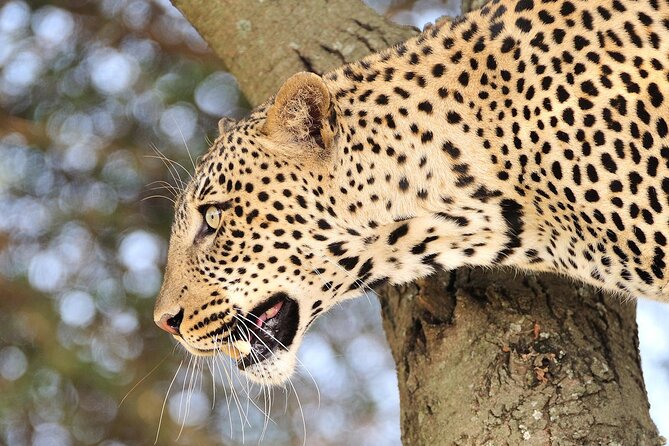
This is the most important day for the migration. After breakfast, you spend a full day around Ndutu, exploring short grass, woodland, swamps, and soda lakes. That variety gives you more than a single chance to find the herds.
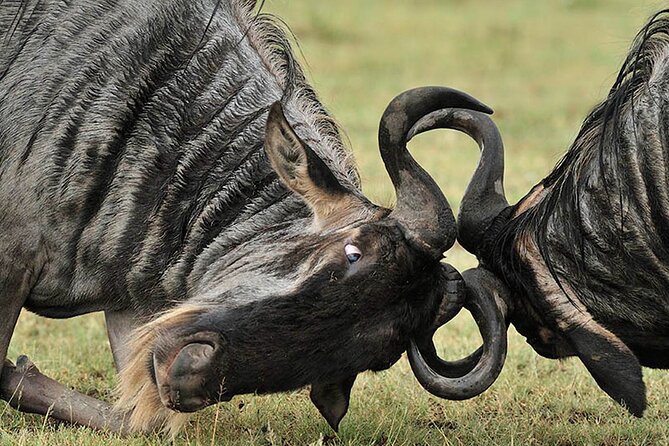
If you visit during the calving period, the newborns are the main attraction. A young wildebeest can stand soon after birth and begin running within a few days. That speed is vital because the open plains leave little cover from predators.
This is also the day when your guide’s skill matters most. The past guide teams have included Shafino Dominick, Gilbert, Ozzie, Evans, Goodluck, Meck, Gama, Luther, Fredrick, David, and Sahele. The strongest praise has centered on careful animal spotting, safe driving on rough tracks, and a willingness to search for specific animals such as leopard, rhino, adult male lion, and cheetah.
A full day in one area is far better for this kind of safari than rushing through several parks. You can spend time with a herd instead of treating every sighting as a quick photograph. On the other hand, a full day in the vehicle is tiring. Roads and tracks can be rough, and there may be long periods when you are searching rather than watching animals.
Day 5: From the Serengeti plains to Ngorongoro Crater
After breakfast, the route continues with a game drive through the Serengeti before heading toward Ngorongoro. This gives you one last chance to find animals in the open plains and may produce sightings of some of Africa’s best-known species.
Ngorongoro Crater is a major change of scene. The volcanic crater is about 610 meters deep and covers roughly 304 square kilometers. Its enclosed setting supports a dense animal population, estimated here at around 25,000 ungulates.
You reach the crater rim before lunch, where the view opens across the huge bowl below. The crater offers strong game viewing because many animals remain within the crater area, but it is not the same experience as the open Serengeti. Ndutu is about movement and seasonal concentration. Ngorongoro feels more contained, with animals gathered in a dramatic natural enclosure.
The day is listed at about eight hours. That includes a long transfer and wildlife viewing, so you should expect a demanding schedule. You may see several members of the Big Five, but sightings depend on conditions, animal movement, and luck.
Day 6: Birdlife and woodland at Lake Manyara
Your final wildlife day takes you to Lake Manyara National Park, about 120 kilometers west of Arusha. The park is smaller than Tarangire or the Serengeti, but it packs several habitats into a compact area.
The shallow alkaline lake covers about 70 percent of the park at certain times and can attract thousands of flamingos. Lake Manyara is also known for its birdlife, with around 500 species recorded in the area. You may see monkeys in the woodland, giraffe and zebra on open grass, buffalo and elephant near water, and lions resting in trees if conditions are right.
The scenery changes again, with grassy plains, forests filled with primates, and cliffs dotted with baobabs. That variety makes Manyara a good final stop. After several days of wide plains and long drives, the park offers a different scale and a final chance to photograph birds and smaller details.
The listed activity lasts about eight hours, and lunch is planned during the day. The trip then ends back at the meeting point. Since the exact end time is not provided, avoid booking a tight onward flight without checking with the operator.
What the private format really gives you
A private tour means only your group shares the activity. That matters most during game drives, when one person may want to stay with a pride of lions while another wants to move on. You have a better chance of discussing the pace with your guide instead of following a fixed group schedule.
It also makes the trip more comfortable for families or friends with different interests. One person can focus on birds, another on photography, and another on the Big Five. The private setup does not change the roads, weather, or animal behavior, but it gives you more control over how you respond.
Past guide teams have received especially strong praise for animal spotting, route choices, driving, and attention to personal wish lists. Shafino Dominick is singled out for finding hard-to-see animals. Gilbert is associated with an especially memorable wildebeest river crossing in Ndutu, while Evans and David are noted for spotting ability and confident driving.
Those details are useful, but guide assignment can change. Ask who will lead your safari and how much experience that guide has in Ndutu during the month you plan to visit.
Is $2,827 per person good value?
The listed price is $2,827 per person. That is a substantial amount, but a six-day private safari across five major wildlife areas can justify a higher price than a shared group trip. You are paying for the private vehicle and guide, the time spent inside several national parks and conservation areas, and the chance to visit Ndutu during a short seasonal window.
The real value depends on the items not spelled out in the supplied information. Before booking, confirm:
- Which accommodations are included each night
- Meals and drinks
- Park and conservation fees
- Airport transfers
- Crater fees
- Whether the price changes for solo occupancy or group size
Group discounts are offered, which could improve the price for a larger party. The booking is also mobile-ticket friendly, and confirmation is received at booking.
There is one important financial risk: the experience is non-refundable and cannot be changed for any reason. Only book once your dates, flights, passport details, and migration priorities are settled.
Who should choose this safari?
This trip suits you if Ndutu calving is your main goal but you also want a broad northern Tanzania route. You get elephants in Tarangire, migration country in Ndutu and the Serengeti, dense wildlife in Ngorongoro, and birdlife and woodland in Manyara.
It is also a good fit for couples, families, photographers, and small groups who value a private vehicle. The route is busy, so you should be comfortable with long drives and full days in a safari vehicle.
I would look elsewhere if you want a slow lodge holiday with little time on the road. This is a packed six-day circuit. Its strength is variety and seasonal wildlife, not a relaxed schedule.
Should you book it?
Book this safari if you can travel between December and April, with January through March the strongest period for the Ndutu calving experience. The private format, full Ndutu day, and mix of Tarangire, Serengeti, Ngorongoro, and Manyara make it a strong choice for a first northern Tanzania safari.
Before committing, confirm the guide, lodging, included fees, airport arrangements, and final drop-off time. If those details match your needs, the tour offers a concentrated and wildlife-heavy introduction to Tanzania, with Ndutu providing the special reason to choose this route over a standard Serengeti circuit.
FAQ
Where does the safari start?
The stated meeting point is Mount Meru Hotel on Arusha-Taveta Road in the Sekei area of Arusha, Tanzania. Airport pickup is also offered, so confirm the exact pickup arrangement after booking.
How long does the tour last?
The safari lasts six days, approximately. Days 2, 5, and 6 are listed at about eight hours, while Day 3 includes a drive of roughly three hours to the Ndutu region.
When is the best time to see the migration at Ndutu?
The migrating herds are usually in the Ndutu area from December through April. January is described as the best period for witnessing calving, with the main birthing period often lasting around three weeks.
Is this a private tour?
Yes. Only your group participates in the private tour or activity.
Which parks and areas does the route visit?
The route includes Tarangire National Park, Lake Ndutu, the Serengeti ecosystem, the Ngorongoro Conservation Area and Crater, and Lake Manyara National Park.
Is airport pickup available?
Yes. Pickup is offered, and the first day includes collection from the airport by a Lion King Adventures representative.
What is the price?
The listed price is $2,827 per person. Group discounts are offered.
Can I cancel or change the booking?
No. The experience is non-refundable and cannot be changed for any reason.
Newest safaris around Arusha
- 7 days great migration safari★ 5.0 · 77 reviews
- 4 days safari★ 5.0 · 34 reviews
- 6 days Tanzania budget safari★ 5.0 · 65 reviews
- Amazing 4 Days Tanzania Budget Camping Group Joining Safari★ 5.0 · 15 reviews
- 5 days safari, hiking & culture (Serengeti & kilimanjaro)★ 5.0 · 27 reviews
- Best 5 Days Tanzania Private Luxury Safari with luxury Lodges★ 5.0 · 12 reviews
- Serengeti & Ngorongoro fly in safari★ 5.0 · 76 reviews
- 8 Days 7 Nights Tanzania Wildlife & Culture Lodge Safari★ 5.0 · 17 reviews
6-Day Experiences, side by side.
Garden Route and Addo Elephant Park 6-Day Safari
Read our review →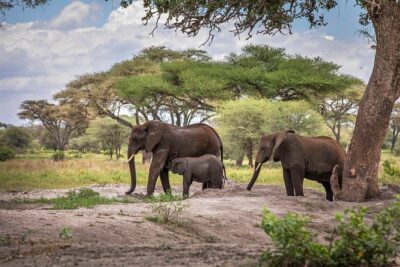
6-Day Dunes and Wildlife Accommodated Safari from Windhoek
Read our review →
African Wildlife & Nature – 5 Kenya national parks – 6 day Jeep Safari
Read our review →
6 Days Serengeti Safari(hiking waterfalls &coffee tour)
Read our review →Lists this safari turns up in