
Review · ARUSHA SAFARIS
9 Days Safari To See Great Migration Crossing
The real prize here is time in the Serengeti. Three nights in the park give you a better chance of finding wildebeest, zebra, lions, cheetahs, and crocodiles than a quick overnight stop. The route also packs in Tarangire, Lake Manyara, Arusha National Park, and Ngorongoro Crater, so you see several very different parts of northern Tanzania.
I like the private format, which lets your group shape the pace with the guide. I also like the planning help associated with David, who has arranged airport transfers, changed accommodations, and answered questions quickly. The main caution is the title: no safari can promise a river crossing. Migration herds move with rain and grass, so this trip gives you a chance to find them, not a guarantee of a dramatic crossing.
Key points at a glance

- Three Serengeti nights: More useful than a rushed visit, especially if you hope to find migration herds or predators.
- A full northern Tanzania circuit: The route includes Arusha National Park, Tarangire, Lake Manyara, Serengeti, and Ngorongoro Crater.
- Private vehicle and guide: Your group travels alone, with room to adjust game-drive timing and stops.
- Several accommodation levels: Lodge stays, luxury tented camps, and budget camping options are available, but confirm exactly which plan you are buying.
- Big Five country: Ngorongoro and Serengeti offer strong chances for lion, buffalo, elephant, and possibly rhino, though sightings are never certain.
- Meals and park costs included: Breakfast, lunch, dinner, snacks, drinks, transport, taxes, and listed fees are covered. Tips are extra.
What the nine-day route gets right
At $4,846.16 per person, this is not a cheap safari. It can still offer solid value if your package includes the better lodge or tented camp level, because the price covers private transport, park fees, food, nine breakfasts, nine lunches, seven dinners, and time across four major wildlife areas.
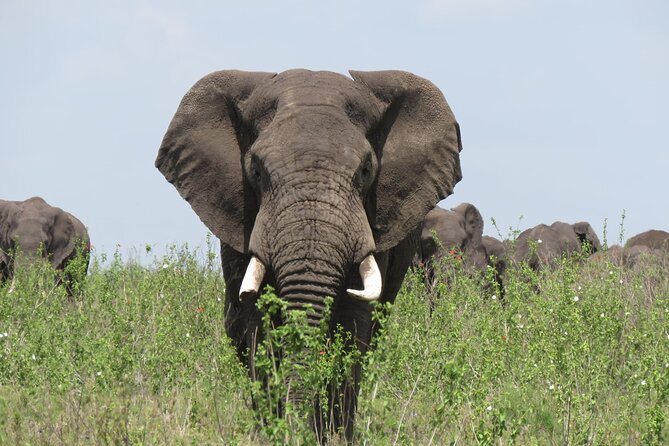
The route works because it does not rely on one park. Tarangire gives you large elephants and dry-country wildlife. Lake Manyara brings forest, waterbirds, and a chance of tree-climbing lions. Serengeti provides the most time for predators and migration. Ngorongoro adds a compact crater with a strong chance of seeing several major species in one morning.
The tradeoff is long road travel. You will spend much of Days 2, 4, 8, and 9 moving between parks, often with game viewing along the way. That is normal for a northern Tanzania safari, but you should choose this trip for the overall circuit, not for a relaxed hotel holiday.
The private setup matters. You are not sharing the vehicle with strangers, and your guide can respond to the day’s sightings. Past bookings have involved guides and staff including David, Ziggy, and Tom. The available comments give particular credit to David for fast communication and to Ziggy for navigation and wildlife guiding. Ask who will guide your departure, since staff assignments can change.
A few more safaris around Arusha worth a look
- Balloon Safari & Bush Breakfast in Serengeti – Miracle Experience
★ 5.0 · 1,646 reviews - 4 Days Group Camping Safari
★ 5.0 · 1,101 reviews - 5 Days Group Camping Safari
★ 5.0 · 730 reviews
Day 1: Arusha National Park and a walking start

Pickup is arranged in Arusha, with the schedule showing both 7:30 a.m. and an 8:30 a.m. start time. Confirm the exact pickup hour before departure. The drive to Arusha National Park is only about 38 kilometers on a paved road, making this a gentle first safari day.
Arusha National Park is smaller than the Serengeti, but it is not a throwaway stop. Forest, Momella Lakes, and Ngurdoto Crater create several habitats in a compact area. More than 400 bird species have been recorded here, and the lakes can produce flamingos, pelicans, ducks, herons, and waders.
The four-hour walking safari with an armed ranger is one of the most distinctive parts of the plan. You leave the vehicle and experience the park at ground level, with attention to birds, plants, and smaller signs of wildlife. That adds variety after an international flight and gives you a feel for the country before the longer driving days.
The drawback is that this is not the place to expect the largest concentration of big animals. It is best viewed as a gentle introduction, a birding stop, and a chance to walk with a ranger. You return to Arusha for the night unless your selected accommodation plan says otherwise.
Day 2: Tarangire’s river and elephant country
After breakfast, you drive from Arusha to Tarangire National Park. The park is known for its dry-season wildlife concentration, especially from June through September, when animals gather near the Tarangire River.
Wildebeest, buffalo, and oryx may move toward water, while lions and leopards follow the herds. The park also records more than 500 bird species, so keep binoculars ready even when the larger animals are quiet.
The plan includes lunch, a later game drive, then dinner and an overnight stay. Tarangire is a strong early stop because it delivers a different setting from the Serengeti. You may see elephants, giraffes, zebras, buffalo, and predators, but the timing of your visit matters. In wetter months, animals may be more spread out.
This day also shows why a private vehicle is useful. You can ask the guide to spend more time with an elephant herd, stop for birds, or move on when a sighting becomes crowded. The exact amount of time in the park should be confirmed, since the published schedule gives the broad plan rather than a precise hour-by-hour breakdown.
Day 3: Lake Manyara’s forest and flamingos

The next morning takes you about 40 kilometers to Lake Manyara National Park, with an afternoon game drive. The route moves through underground water forest, acacia woodland, open savanna, and a hot spring before reaching the lake.
That change of habitats is the point. Lake Manyara is home to elephants, hippos, giraffes, zebras, buffalo, baboons, warthogs, and both blue and vervet monkeys. It also has about 350 recorded bird species, including flamingos and other waterbirds.
Tree-climbing lions are among the park’s famous possibilities, though the word possibility matters. Wildlife behavior cannot be scheduled, and a lion may be on the ground or out of sight. You should enjoy the park for its forest and lake as much as for a particular animal.
A picnic lunch is planned, followed by dinner and an overnight stay. This is another fairly short park visit compared with the Serengeti. It adds habitat variety, but if your main goal is migration, you may wish to ask how the operator balances Lake Manyara time against Serengeti time.
Same region, a very different drive:
- 3 Days Serengeti & Ngorongoro Group Camping Safari
★ 5.0 · 574 reviews - 7-Day Premium Luxury Tanzania Safari All-Inclusive
★ 5.0 · 426 reviews - 3-Day Classic Serengeti Safari
★ 5.0 · 263 reviews - 8 Days Great Wildebeest Calving Migration Safari from Arusha
★ 5.0 · 254 reviews
Day 4: Through Ngorongoro toward the Serengeti

After an early breakfast, you travel toward Serengeti National Park through the Ngorongoro Conservation Area. Olduvai Gorge can be added as an optional stop. The gorge is linked with hominid remains dating back about two million years, giving the day a human-history element alongside the wildlife.
The road day is long, but the payoff is the arrival in the Serengeti. This is the first point where the trip begins to focus fully on the great herds, predators, and wide open grassland.
The itinerary calls for game viewing on the way, then dinner and an overnight stay around sunset. That timing can make the day tiring, especially after several early starts. Pack water, keep a light layer close, and expect the vehicle to be your main base for much of the day.
Three nights in the Serengeti are a real strength. You are not forced to leave after one dawn and one afternoon drive. The guide has more chances to read animal movement and adjust the route.
Days 5 and 6: Proper Serengeti game-drive time
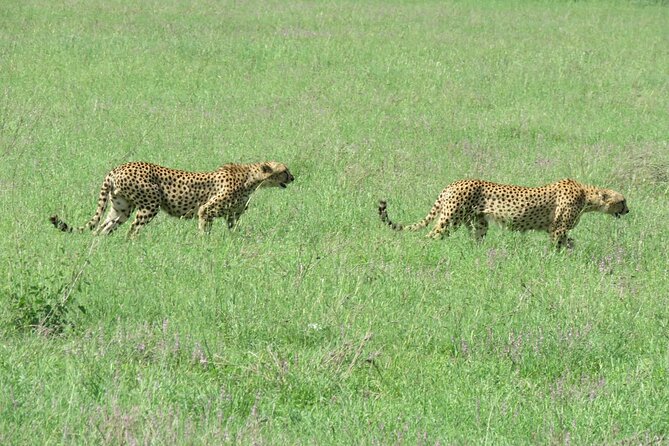
Day 5 gives you morning and afternoon game drives, with lunch either as a picnic or a hot meal. The hours between sunrise and sunset are when the Serengeti changes character. Morning light can reveal active predators, while later drives may bring grazing herds, birds of prey, and animals settling into the evening.
Your guide’s role is especially important here. The park is enormous, and simply driving around without a plan can waste time. The strongest feedback about guides on this trip focuses on navigation, game-drive skill, and the ability to locate the right areas. You should ask your guide what recent herd movement suggests before setting out.
Day 6 continues with morning and afternoon drives and moves toward the Lobo area in the northeast. Lobo is described as part of the main migration route, so the change of zone is sensible if the herds are moving in that direction.
Still, migration viewing requires patience. The route of 1.5 million wildebeest and roughly 500,000 zebra changes with food and rain. A good guide can improve your odds, but cannot control the herds. If the crossing is your main reason for booking, ask the operator how the route will be adapted to the expected season and current herd location.
Day 7: Following the moving herds

This is the dedicated migration day. After breakfast, you set out with a packed lunch and follow the herd routes according to where the animals are located.
The scale is hard to picture until you see it: vast numbers of wildebeest and zebra moving through the Serengeti ecosystem, with lions, cheetahs, and other predators nearby. River crossings can bring crocodiles and dangerous currents. They can also bring hours of waiting with no crossing at all.
That uncertainty is part of the experience, but it should be clear before you pay. The name of the tour suggests a crossing, yet the supplied plan does not give a month or a guaranteed crossing point. This is a safari in migration country, not a timed theater show.
Your private vehicle helps on a day like this. You can spend longer at a herd, move when conditions change, or ask for a different sighting. Lunch is packed, and the day runs into the early evening before you return for dinner and sleep.
Day 8: Leaving the Serengeti for the crater rim

An early morning game drive begins the day, followed by breakfast at camp. You then leave the Serengeti for the Ngorongoro Crater rim, with lunch and game viewing along the route.
This is another transfer-heavy day, but it avoids wasting the morning. An early drive may give you one final chance at Serengeti wildlife before the road turns toward Ngorongoro.
The crater-rim overnight is well placed for the final day. You do not need to make the long approach from Arusha before descending into the crater. Confirm the accommodation type, since the package may use a lodge, tented camp, or budget camping depending on your booking.
Day 9: Ngorongoro Crater’s concentrated wildlife
You descend early into Ngorongoro Crater after breakfast for a game drive. The caldera holds a remarkable mix of wildlife in a relatively compact area, including lion, buffalo, elephant, rhino, zebra, hippo, wildebeest, and hyena.
The crater is one of the best places on this route to look for several major species in one day. Rhino sightings are never guaranteed, but the enclosed setting gives you a reasonable wildlife-focused finale. Soda Lake can bring flamingos, while geese, storks, and vultures add to the bird list.
Lunch is served at the picnic site near Ngoitoktok Swamp, a hippo pool. This is a memorable place to stop, but follow the guide’s instructions and stay alert around water. After lunch, you drive back to Arusha.
The final day is full. You have an early start, a crater game drive, lunch, and a transfer back to town. If you have an evening flight, do not assume the timing will suit you without checking the road schedule.
Lodging, food, and what to confirm
The package offers lodge safaris, luxury tented camps, and budget camping options. That range is useful, but it also means the headline price does not tell you enough about your actual comfort level. Ask for the names of every property, the number of nights in each, and whether tents include private bathrooms.
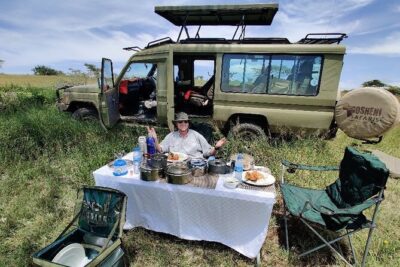
Food and drinks are listed as included, including breakfast, lunch, dinner, snacks, wine, and soft drinks. The itinerary specifically provides nine breakfasts and nine lunches, with seven dinners. Since the daily schedule includes nine days but only seven dinners, ask which nights are not covered or how the meal count is calculated.
Private transport, all fees and taxes, and the listed meals are included. Tips are not. Set aside cash for the guide, driver, ranger, and camp staff if their service merits it.
Who will get the most from this safari
I would recommend this trip to someone who wants a broad first safari in northern Tanzania and does not want to rush through the Serengeti. The combination of private transport, three Serengeti nights, and a crater finale gives you a good mix of wildlife, scenery, birds, and walking.
It also suits families and couples who value control over the vehicle. The private format means only your group participates, and the operator has shown flexibility with accommodation changes and airport transfers.
It is less suitable if you want a fixed luxury standard without checking details first. The package spans budget camping to luxury tented camps, so comfort depends on the version you select. It is also not ideal if you need a guaranteed migration crossing or a short, low-driving holiday.
The 100 percent recommendation rate and five-star score from 12 submitted ratings are encouraging, though the sample is small. The most consistent strengths are quick planning help from David, capable guiding from people such as Ziggy and Tom, comfortable vehicles, cold drinks, and flexible arrangements.
Should you book it?
Book it if you want a private, wildlife-heavy circuit with real time in the Serengeti and you accept that nature sets the schedule. Before paying, confirm the season, likely migration zone, guide assignment, lodging names, exact pickup time, dinner count, and whether the vehicle and park fees match your chosen package.
At $4,846.16 per person, the value depends heavily on accommodation. With strong guiding, private transport, meals, park costs, and well-chosen camps, nine days can justify the price. If the crossing itself is your only goal, ask for a more targeted seasonal plan. If you want the full northern Tanzania experience, this route makes a sensible case.
Cancellation is free up to 24 hours before the start time. Inside that window, the amount paid is not refunded, and late changes are not accepted.
FAQ
Where does the safari start?
The safari starts in Arusha, Tanzania, with pickup from your hotel offered.
How long does the experience last?
The safari lasts approximately nine days.
Is the tour private?
Yes. Only your group participates in the private tour or activity.
What parks and areas are included?
The route includes Arusha National Park, Tarangire National Park, Lake Manyara National Park, Serengeti National Park, the Ngorongoro Conservation Area, and Ngorongoro Crater.
Is pickup included?
Pickup is offered. The itinerary lists a 7:30 a.m. pickup on the first day, while the general meeting information lists an 8:30 a.m. start, so confirm the exact time before departure.
Are meals included?
Yes. Breakfast, lunch, dinner, snacks, wine, soft drinks, and other listed food and drinks are included. The package specifies nine breakfasts, nine lunches, and seven dinners.
Are park fees and taxes included?
Yes. All listed fees and taxes are included, along with private transportation.
Are tips included?
No. Tips are not included in the price.
Can I choose a lodge or camping option?
The safari offers lodge stays, luxury tented camps, and budget camping options. Confirm the exact accommodation plan and properties before booking.
Can I cancel for a full refund?
Yes, if you cancel at least 24 hours before the experience start time. Cancellations within 24 hours are not refunded, and changes made within that period are not accepted.
Newest safaris around Arusha
- 7 days great migration safari★ 5.0 · 77 reviews
- 4 days safari★ 5.0 · 34 reviews
- 6 days Tanzania budget safari★ 5.0 · 65 reviews
- Amazing 4 Days Tanzania Budget Camping Group Joining Safari★ 5.0 · 15 reviews
- 5 days safari, hiking & culture (Serengeti & kilimanjaro)★ 5.0 · 27 reviews
- Best 5 Days Tanzania Private Luxury Safari with luxury Lodges★ 5.0 · 12 reviews
- Serengeti & Ngorongoro fly in safari★ 5.0 · 76 reviews
- 8 Days 7 Nights Tanzania Wildlife & Culture Lodge Safari★ 5.0 · 17 reviews
Arusha Safaris, side by side.
Balloon Safari & Bush Breakfast in Serengeti – Miracle Experience
Read our review →
3 Days Serengeti & Ngorongoro Group Camping Safari
Read our review →
7-Day Premium Luxury Tanzania Safari All-Inclusive
Read our review →
8 Days Great Wildebeest Calving Migration Safari from Arusha
Read our review →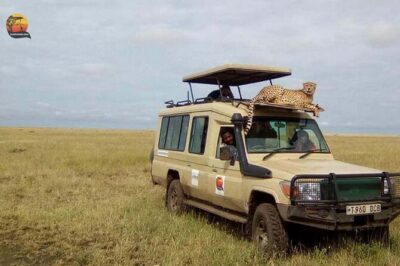
Group Safari 7 Days in Tanzania’s Main Parks
Read our review →Lists this safari turns up in