
Review · ARUSHA SAFARIS
8 Days Safari (Lake Manyara /Tarangire/Serengeti/Ngorongoro)
The great appeal here is variety. In eight days, you move from Arusha National Park’s montane forest to elephant country in Tarangire, the wide plains of Serengeti, the wildlife-packed Ngorongoro Crater, and the birdlife of Lake Manyara. If seeing the wildebeest migration is your main goal, the northern Serengeti days give you the best shot at the Mara River.
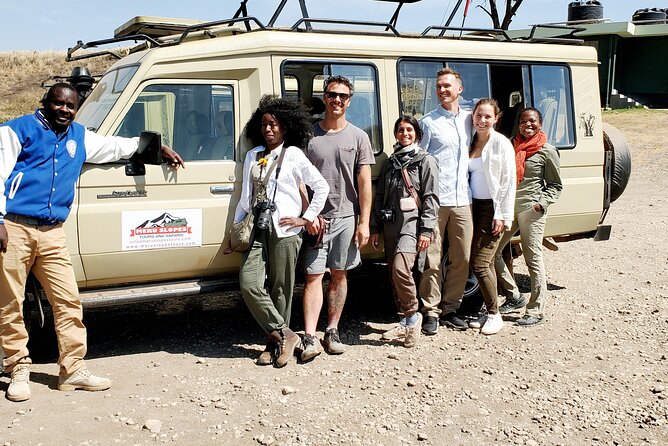
I like the pop-up-roof 4×4, which gives you a better view and a steadier platform for photos, and I like the practical setup: airport transfers, Arusha hotel nights, meals, drinking water, guide, cook, and camping are all folded into the plan. The main catch is the long driving. Some days run eight to ten hours, and migration sightings depend on the animals, weather, and season, not just the itinerary.
Key points to know before booking

- Five parks in eight days: You visit Arusha, Tarangire, Serengeti, Ngorongoro, and Lake Manyara.
- Best migration window: July through September offers the strongest chance of seeing Mara River crossings, while January through March is the calving season.
- Camping is part of the experience: You sleep at Seronera and Simba campsites, with a cook preparing meals.
- A full Ngorongoro day: The crater floor offers a strong chance of seeing many major species, including black rhino.
- Local experiences are included: The route adds a walk in Mto wa Mbu village and a visit to a Maasai boma.
- Private setup, according to the tour details: Only your group is scheduled to participate, despite the camping-safari format.
Five parks, one long northern Tanzania circuit
This safari is built for you if you want a broad introduction to northern Tanzania rather than several quiet days in one park. It covers the classic circuit, but the order gives you a useful buildup: forest and crater scenery first, then Tarangire, then the Serengeti’s open country, followed by Ngorongoro and Lake Manyara.
The pace is active. You are usually up early, spend much of the day in the vehicle, and pack and unpack as the route changes. I would not choose this plan if you want a slow lodge holiday with long afternoons by a pool. I would choose it if you want maximum wildlife coverage and do not mind rough roads, early starts, and long transfers.
The advertised start time is around 7:30 a.m., with the first pickup generally after breakfast at about 8.00 a.m. Airport transfers are included in both directions, along with two Arusha hotel nights: one before the safari and one after it. That makes the arrival day easier, especially if your flight reaches Tanzania late or you need a night to recover before the first park.
The price is shown as $0 per person, which is almost certainly a placeholder rather than a usable safari fare. Ask for the current total before booking and confirm exactly what accommodation level, park fees, camping equipment, and group arrangement are included. The value can be strong because meals, water, park fees, transfers, guide, cook, and Arusha lodging are included, but the displayed price should not be treated as the final cost.
A few more safaris around Arusha worth a look
- Balloon Safari & Bush Breakfast in Serengeti – Miracle Experience
★ 5.0 · 1,646 reviews - 4 Days Group Camping Safari
★ 5.0 · 1,101 reviews - 5 Days Group Camping Safari
★ 5.0 · 730 reviews
Day 1: Arusha National Park’s forest and Ngurdoto Crater
Your first safari day begins with a short drive from Arusha, about 40 minutes, to Arusha National Park. This is a smart opening day because you get wildlife and scenery without immediately committing to a long road transfer.
The park’s entrance route passes through montane forest. Blue monkeys are a regular highlight, and this is one of the northern safari areas where black-and-white colobus monkeys are especially easy to see. Colorful turacos and trogons add interest for anyone who enjoys birds as much as mammals.
Ngurdoto Crater is the day’s big scenic feature. Its steep sides enclose a marshy floor where buffalo and warthog may be seen. You should think of this as a gentle introduction rather than a guaranteed Big Five day. The forest and crater make it different from the open plains that come later.
The schedule allows about eight hours in the park. That gives your guide time to work at a comfortable pace, but it also means a full day after arrival in Arusha. If you have just landed from a long international flight, the included pre-safari hotel night is worth using.
Day 2: Elephants and baobabs in Tarangire
Tarangire is roughly 115 kilometers from Arusha, with the drive taking about three hours. You then spend the day on game drives before heading to Jambo Lodge for dinner and the night.
Tarangire River is the park’s central water source and explains the park’s name. Wildlife gathers around it, particularly in drier periods. The park is known for large elephant numbers, baobab trees, and pythons that may be seen climbing trees. Lions, leopards, and other animals are also possible.
I like Tarangire because it changes the feel of the safari quickly. After Arusha’s forest, you move into a drier setting with large trees and open views. Elephants are the headline attraction, but the baobabs give the day a strong sense of place.
The itinerary says full-day game drive, but the supplied duration contains a likely typing error, listing eight minutes. Plan on a full day, not eight minutes, and ask the operator to confirm the exact departure and arrival times. This is a useful example of why you should check the final schedule before paying.
Day 3: Entering Serengeti through the Rift Valley
After breakfast, you pack the vehicle and set out toward Serengeti. Lunch is taken on the road, and the route includes views of the Rift Valley and Ngorongoro Crater before you reach the park at about 3 p.m.
This is a transfer day with wildlife along the way, not a relaxed drive between two hotels. The distance and rough roads can make it tiring, but the reward is a first look at the Serengeti and an evening game drive in central Serengeti.
You spend the night at Seronera campsite inside the park. That location matters. You are already in the action area for the next morning rather than outside the park, saving some road time when early wildlife activity begins.
The Serengeti is famous for its endless plains and the great wildebeest migration. About 1.5 million wildebeest move with other grazing animals and predators through different parts of the ecosystem. The exact location changes each year, so no honest itinerary can promise a crossing or a particular animal on a particular day.
Same region, a very different drive:
- 3 Days Serengeti & Ngorongoro Group Camping Safari
★ 5.0 · 574 reviews - 7-Day Premium Luxury Tanzania Safari All-Inclusive
★ 5.0 · 426 reviews - 3-Day Classic Serengeti Safari
★ 5.0 · 263 reviews - 8 Days Great Wildebeest Calving Migration Safari from Arusha
★ 5.0 · 254 reviews
Days 4 and 5: Chasing the migration in Serengeti
These are the safari’s main migration days. You leave after an early breakfast and head toward key areas of the northern Serengeti, with the Mara River as the main target from July through October.
Mara River crossings are dramatic but never guaranteed. Herds can cross back and forth, and the animals do not follow a neat timetable. Your guide’s local judgment matters here, because the useful question is not simply where the herd was yesterday, but where conditions suggest it may be today.
The strongest chance of seeing the northern movement is generally July through September. The migration also has a different appeal from January through March, when wildebeest calving takes place. If your dates are flexible, choose the season that matches what you most want to see: river drama or newborn animals.
You spend two full days working through the Serengeti rather than rushing to the next park. That is a real strength. It gives you more time to follow wildlife, sit quietly near an active area, and see the park beyond a single morning drive.
The drawback is mileage. Reaching the northern Serengeti from central Serengeti can involve long hours on rough tracks, and a day spent searching for crossings may produce excellent wildlife without a river crossing. You need to be comfortable with that uncertainty. A safari is not a theater performance with a fixed start time.
Day 6: Sunrise game drive and the road to Ngorongoro
Day six begins around 5:45 a.m. with breakfast and a sunrise game drive. You continue until about 11:30 a.m., return to camp for a hot lunch, pack the vehicle, and then continue toward Ngorongoro.
This is one of the longest days, listed at about ten hours. The early start is worthwhile because morning light and cooler temperatures often make the first drive feel special, but you should expect fatigue by the time you reach Simba Campsite.
The route is designed to keep wildlife viewing in the schedule rather than treating the journey as a simple transfer. Still, it is a lot of time in a safari vehicle. Bring a light jacket for the early hours, keep your camera accessible, and use the lunch stop to reorganize your bags before the next road section.
Day 7: Ngorongoro Crater and Mto wa Mbu
You start around 5:30 a.m., then descend into Ngorongoro Crater for six to seven hours of game viewing. The crater is often called the Garden of Eden, and its enclosed floor supports a high concentration of wildlife.
The plan includes the chance to see all of the Big Five, along with many bird species and black rhino. Lunch is eaten inside the crater, with flamingos among the possible highlights near the water. As always with wildlife, the right wording is chance, not promise, but the crater is one of the stronger places on this route for seeing a wide mix of species in one day.
The crater floor is not the only worthwhile part. After the game drive, you visit Mto wa Mbu village for a walking tour. You may see banana plantations, learn about local life, and taste local food. This adds a human side to a schedule otherwise dominated by animals and vehicles.
You then return to Jambo Lodge for dinner and the night. The day combines an early start, several hours on the crater floor, a climb out, and a village visit. It is full, but the change of pace in Mto wa Mbu helps break up the wildlife routine.
Day 8: Lake Manyara and the return to Arusha
The final park day takes you to Lake Manyara for a full-day game drive before the return to Arusha. The park is especially associated with tree-climbing lions, though sightings are never certain.
Flamingos gather around the lake where algae provides food, and the itinerary also includes a hot spring. You then visit a Maasai boma to learn about daily life, culture, and traditions before driving back to Arusha for dinner and the night.
Lake Manyara is a fitting final stop because it brings together forest, lake, birdlife, and mammals in a smaller area than the Serengeti. The downside is that the final day can feel long, especially after a week of early starts. If you have an evening flight, confirm the return timing carefully and avoid scheduling a tight connection.
Camping, meals, and the safari vehicle
The accommodation style is part of the decision. This is a camping safari with nights at Seronera and Simba campsites, though the plan also uses Jambo Lodge and includes two nights in Arusha. Ask what camping equipment is supplied and what type of tent you will use, since the information provided does not give those details.
Meals are included throughout the plan, with breakfast, lunch, and dinner listed. A safari cook is part of the setup, and past arrangements have included cooks such as Dula and Eric. Do not assume a particular cook or guide will be assigned, but you can ask about the team before departure.
Unlimited drinking water is included. Personal drinks, laundry, telephone costs, and other private expenses are not. Tips for the guide and cook are also separate, so include them in your budget.
The 4×4 has a pop-up roof for game viewing. That feature matters more than it sounds. It lets you look out over the vehicle, follow animals more easily, and take photos without relying only on side windows. You will still spend long stretches seated on rough roads, so pack light and keep important items within reach.
The safari is described as private, meaning only your group participates. At the same time, the route uses group-camping language, so confirm the exact arrangement, vehicle capacity, and whether the safari is fully private from Arusha through the final day.
Guide quality and the human side of the trip
The operator is Meru Slopes Tours and Safaris. Names associated with its safari team include guides such as Nuru, Jacob, Samwel, Douglas, Mohamed, Benson, Iddy, and Jerome Hotti, as well as booking contacts including Gift Tembo, Nelson, and Geofrey Nasari. These names are not a guarantee of assignment, so ask who will lead your trip.
The strongest part of a safari often comes down to the guide’s driving choices, patience, and ability to explain animal behavior. Ask how the guide handles migration tracking, how much time you can spend at sightings, and how route changes are made when the herd moves.
The local visits also deserve a little care. Mto wa Mbu and the Maasai boma are not filler stops. They give you contact with farming, food, and local traditions, but you should approach them respectfully and listen more than you photograph.
Who should book this safari
I would recommend this route for you if you want:
- A first safari covering the main northern Tanzania parks
- A strong chance of seeing elephants, lions, big cats, birds, and possibly black rhino
- A serious attempt at following the wildebeest migration
- Camping mixed with lodge and hotel nights
- Meals, water, park costs, and transfers bundled together
- A private vehicle arrangement for your own group
I would be more cautious if you dislike early mornings, long drives, basic camping, or changing plans around wildlife. I would also avoid booking it without clarification if the $0 price remains on the page. Get a written quote with the real total, accommodation details, vehicle capacity, guide name, and airport transfer arrangements.
Free cancellation is offered up to 24 hours before the start time for a full refund. Changes or cancellations inside that window are not accepted for a refund, and poor weather may lead to a new date or full refund.
Should you book it?
This is a strong choice for an active safari that packs in Tanzania’s headline parks without leaving out local experiences. I especially like the two full Serengeti migration days, the long Ngorongoro visit, and the inclusion of Arusha hotel nights and airport transfers.
Book it if your priority is wildlife variety and a real chance at the migration, not a polished resort stay. Before committing, confirm the actual price, camping arrangements, guide assignment, and exact private-group setup. If those details line up, the route offers a lot for eight days and gives you a well-rounded first look at Tanzania.
FAQ
How long is the safari?
The safari lasts eight days, with an approximate start time of 7:30 a.m. Airport transfers and two nights of accommodation in Arusha are included, one before and one after the safari.
Which national parks are included?
The route includes Arusha National Park, Tarangire National Park, Serengeti National Park, Ngorongoro Crater, and Lake Manyara National Park.
When is the best time to see the wildebeest migration?
The strongest chance of seeing the migration in the northern Serengeti and Mara River area is generally from July through September, with river crossings possible from July to October. January through March is associated with wildebeest calving.
Are meals and drinking water included?
Yes. Breakfast, lunch, dinner, and unlimited drinking water are included. Personal beverages, laundry, telephone costs, and tips are not included.
Is this a private safari?
The tour details describe it as a private activity with only your group participating. Since the route also uses group-camping language, confirm the vehicle and camping arrangement before booking.
What happens if I need to cancel?
You can cancel at least 24 hours before the start time for a full refund. Cancellations or changes made less than 24 hours before the start time are not refunded, and poor weather may result in a different date or a full refund.
Newest safaris around Arusha
- 7 days great migration safari★ 5.0 · 77 reviews
- 4 days safari★ 5.0 · 34 reviews
- 6 days Tanzania budget safari★ 5.0 · 65 reviews
- 5 days safari, hiking & culture (Serengeti & kilimanjaro)★ 5.0 · 27 reviews
- Amazing 4 Days Tanzania Budget Camping Group Joining Safari★ 5.0 · 15 reviews
- Best 5 Days Tanzania Private Luxury Safari with luxury Lodges★ 5.0 · 12 reviews
- Serengeti & Ngorongoro fly in safari★ 5.0 · 76 reviews
- 8 Days 7 Nights Tanzania Wildlife & Culture Lodge Safari★ 5.0 · 17 reviews
Arusha Safaris, side by side.
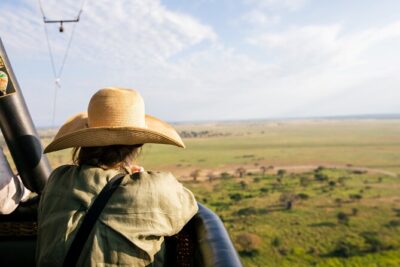
Balloon Safari & Bush Breakfast in Serengeti – Miracle Experience
Read our review →
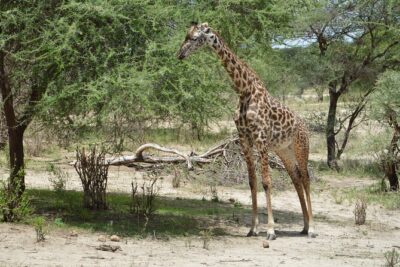
3 Days Serengeti & Ngorongoro Group Camping Safari
Read our review →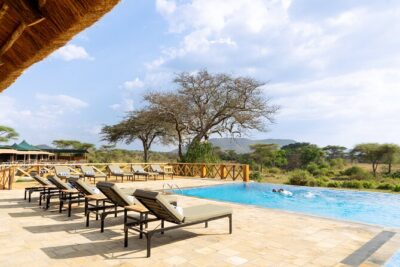
7-Day Premium Luxury Tanzania Safari All-Inclusive
Read our review →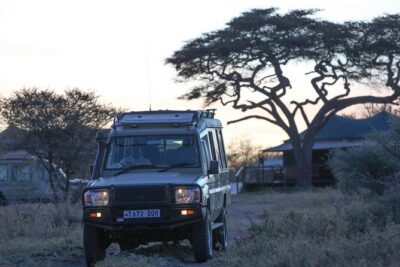
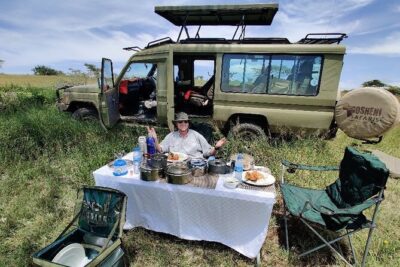
8 Days Great Wildebeest Calving Migration Safari from Arusha
Read our review →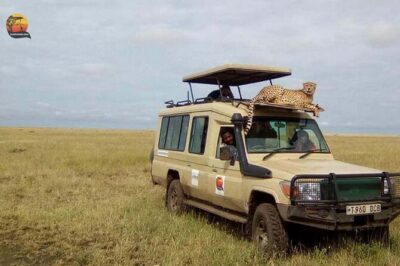
Group Safari 7 Days in Tanzania’s Main Parks
Read our review →Lists this safari turns up in