
Review · ARUSHA SAFARIS
9-Day Serengeti Migration Footsteps Tanzania Safari
The heart of this safari is the chance to follow the Great Migration rather than simply visit the Serengeti for a quick game drive. You get four nights in the park, including time in the northern region near the Mara River, then return through the central Seronera area before reaching Ngorongoro and Lake Manyara.
I like the private format, since your group travels together instead of sharing a vehicle with strangers. I also like the variety: elephant country in Tarangire, open Serengeti plains, the crater floor, and bird-filled Lake Manyara. The main consideration is timing. River crossings are never guaranteed, and the most suitable migration area changes by season.
Key points to know before booking
- Four Serengeti nights: More time in the park gives you better odds of seeing both migrating herds and resident predators.
- Seasonal migration route: Ndutu is highlighted from December to March, while northern Serengeti is best from July to November.
- Private vehicle and guide: Only your group participates, with guides such as Enock, Mwita, Gilbert, and Yusuph associated with the safari team.
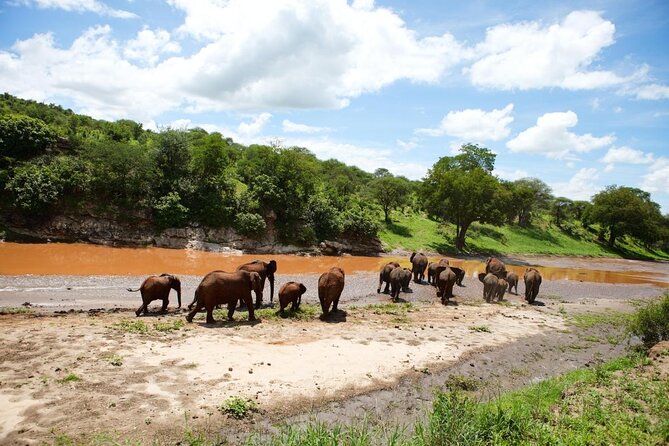
- Strong wildlife mix: Tarangire is especially good for elephant sightings, while Ngorongoro is known for Big Five viewing.
- Full final day: Lake Manyara comes on Day 9 before the drive back to Arusha, so your return is in the late afternoon.
- Price and inclusions: At $4,539 per person, the cost includes transport, park admission, and most meals, but not international flights or gratuities.
Why four nights in the Serengeti matters
Many safari schedules hurry through the Serengeti. This one gives you four nights, which is the right idea for a migration-focused trip. The herds move over a huge area, and wildlife sightings depend on weather, water, grass, and luck. Extra time gives your guide more chances to adjust the route.
The Serengeti portion also has two different personalities. You begin near the central Seronera area, travel north toward the Mara River, spend time in the northern country, and then return south. That means you are not seeing the same stretch of park every day.
The northern region has rolling country, small rivers, hills, and rocky kopjes. It receives fewer visitors than the southern and central entry areas, which can make the drive feel more remote. The tradeoff is distance. Long hours in the vehicle are part of the plan, especially on the transfer north and the return to Seronera.
If your main hope is a river crossing, this routing gives you a sensible chance during the right season. But the animals do not follow a timetable. Hundreds of thousands of wildebeest may gather at the bank and wait for hours, then cross suddenly, or move away without crossing. You should treat the crossing as a possibility, not a promise.
A few more safaris around Arusha worth a look
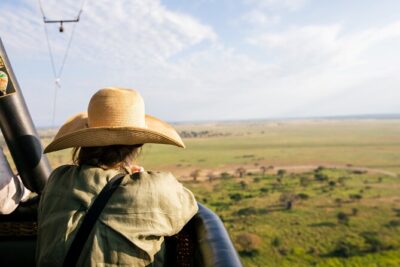
- Balloon Safari & Bush Breakfast in Serengeti – Miracle Experience
★ 5.0 · 1,646 reviews - 4 Days Group Camping Safari
★ 5.0 · 1,101 reviews - 5 Days Group Camping Safari
★ 5.0 · 730 reviews
Day 1: A quiet start in Arusha
Your safari begins with airport pickup by a Lion King Adventures representative and transfer to your Arusha accommodation. There is no major sightseeing scheduled, and that is useful after an international flight.
You have the evening to rest, meet the safari team, and prepare for several early starts. Arusha is the practical launch point for the northern Tanzania circuit, so this first night keeps the schedule from becoming frantic.
The start time shown for the activity is 8:30 a.m., but airport pickup and the overnight arrangement mean you should confirm the exact first-day plan when booking. Your international flight is not included, so your arrival timing matters.
Day 2: Tarangire’s baobabs and elephant families
After breakfast, you drive to Tarangire National Park for a full-day game drive. Tarangire is a strong opening act because it looks different from the Serengeti. Ancient baobabs rise above open ground, and the Tarangire River draws animals toward water.
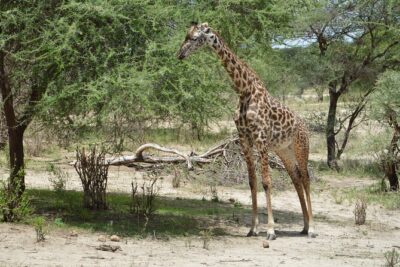
This is one of the best parts of the route for watching elephants. The park is known for its large elephant population, and you may see families feeding, walking, or pausing beside the river. Lion, leopard, buffalo, zebra, giraffe, antelope, and many birds are also possible.
Tarangire has nine vegetation zones, so the scenery changes as you drive. That variety helps keep a full day interesting, though a full-day game drive can be tiring if you are not used to rough roads and long periods in a safari vehicle.
I like the choice of Tarangire here because it adds something distinct before the Serengeti. You are not spending nine days looking at one type of plain. The drawback is that this day comes before the long transfer toward the Serengeti, so the pace becomes active right away.
Day 3: Through the highlands to the Serengeti
After breakfast, you travel through fertile highlands where the Iraqw people grow wheat and corn. The route then passes through the misty rainforest of the Ngorongoro Conservation Area, where baboons and, with luck, elephants or leopards may appear among the trees.
You also get a view of Ngorongoro Crater before continuing toward the Serengeti. The change in scenery is one of the day’s pleasures: cultivated highlands give way to forest, then broad open country.
The Serengeti is Tanzania’s largest national park, with grasslands, swamps, lakes, and other habitats. Reaching the park around midday gives you time to begin wildlife viewing rather than treating the day as a simple transfer.
This is a long travel day, and you should expect plenty of time in the vehicle. Still, it does useful work. You move from the Arusha area into the main wildlife country without adding a separate transit day.
Same region, a very different drive:
- 3 Days Serengeti & Ngorongoro Group Camping Safari
★ 5.0 · 574 reviews - 7-Day Premium Luxury Tanzania Safari All-Inclusive
★ 5.0 · 426 reviews - 3-Day Classic Serengeti Safari
★ 5.0 · 263 reviews - 8 Days Great Wildebeest Calving Migration Safari from Arusha
★ 5.0 · 254 reviews
Days 4 and 5: The northern Serengeti and the Mara River
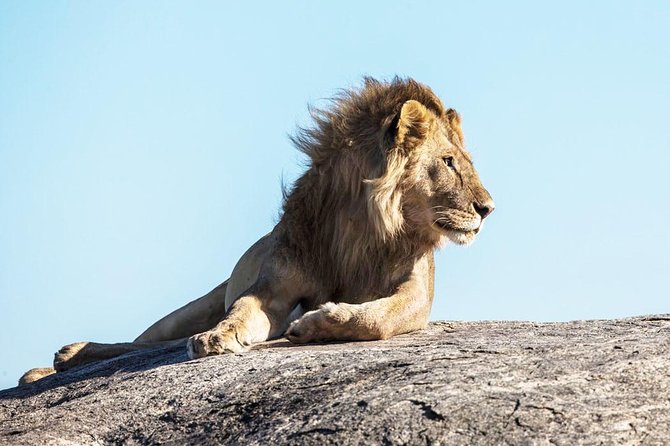
The trip’s main purpose comes into focus in the northern Serengeti. On Day 4, you make an en route game drive from Seronera toward the northern region, a journey of roughly 100 kilometers through rolling country and scattered hills.
The area around Lobo Kopje adds rocky scenery to the grasslands. It also supports permanent wildlife, so the northern Serengeti is not only about the migrating wildebeest. You may see other animals along the way, even when the herds are elsewhere.
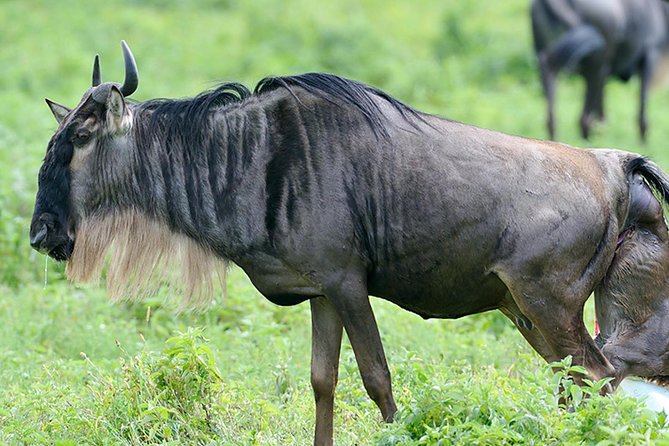
Day 5 gives you a full day to search for a Mara River crossing. The scene can be dramatic: wildebeest crowd the bank, watch the water, and wait. Once one animal commits, others may follow in a rush. Crocodiles add a real edge to the scene, and the successful animals reach greener grazing on the far side.
This is exciting, but patience is essential. You may spend time waiting with no movement. If the migration has shifted, you could instead see the resident wildlife and the northern Serengeti itself. That uncertainty is not a flaw in the safari, but you should understand it before paying for a migration-specific trip.
The northern stay is most relevant from July through November. The description also points to August as a key period for this area and the river crossings. From December through March, the migration focus shifts to Ndutu in the southern Serengeti area, so ask how the route changes for your dates.
Day 6: Returning to Seronera for predators
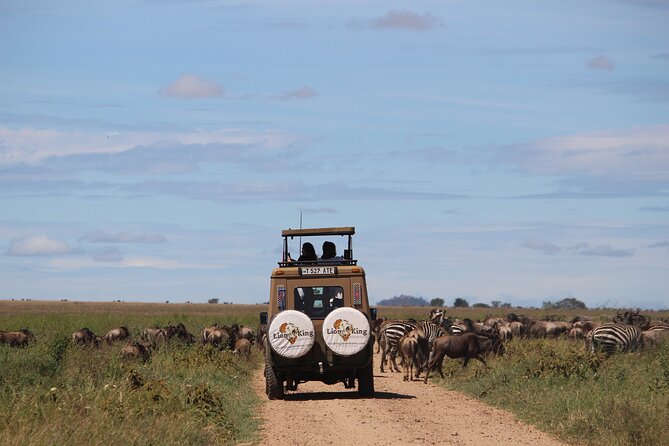
After breakfast, you return toward Seronera with more game viewing along the way. The central Serengeti is useful because it brings the focus back to animals that live in the park year-round.
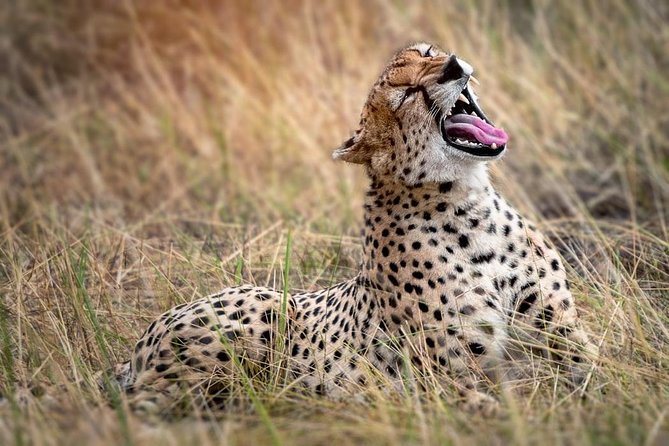
Lion, leopard, and cheetah are all possible. These predators are not dependent on the migration being in one particular place, so the return south gives your guide another chance to find them.
The day ends with dinner and time around the fire. That slower evening matters after several days of driving. It gives you room to talk through what you saw, sort photographs, and enjoy the open night sky.
The schedule still involves an extensive game drive, so this is not a rest day. If you prefer a relaxed safari with short drives, this trip may feel demanding. If you want repeated chances at wildlife, the steady movement works in your favor.
Day 7: From the Serengeti to the crater rim
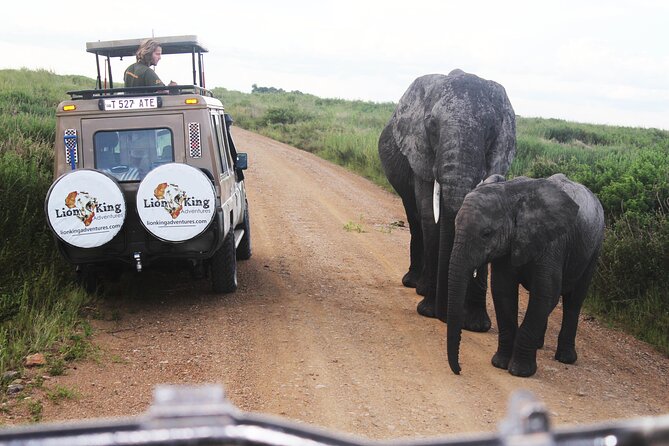
You have another Serengeti game drive after breakfast before traveling to Ngorongoro Crater. Reaching the crater rim in the afternoon gives you a first look at the enclosed world below, with open grassland, streams, and animals visible from above.
You spend the night at a lodge near the rim. Some accommodation feedback connected with this safari specifically praises the tented lodges, comfort, and Nyota Luxury Camp. Exact accommodation can depend on the booking, so confirm the property and room style rather than assuming every night is at the same camp.
The move to Ngorongoro breaks up the Serengeti stay at a sensible point. You are close to the crater for the next morning’s early descent, rather than spending the morning driving from far away.
Day 8: A full day inside Ngorongoro Crater
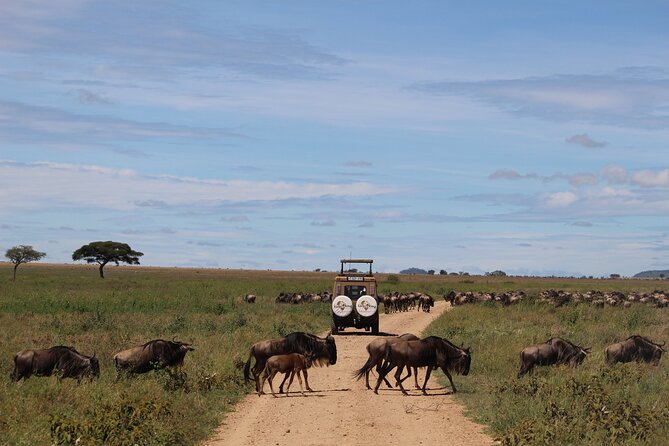
An early breakfast is followed by a descent to the crater floor. The caldera is about 610 meters deep and covers roughly 260 square kilometers. Its enclosed setting supports a dense concentration of wildlife, making it one of the strongest places on this route for a broad range of sightings.
You may see the Big Five, along with wildebeest and other plains animals. The crater is not simply a scenic viewpoint. The real value comes from spending time at ground level, where streams, grassland, and open space bring animals into view.
The early start helps you make the most of the day, but it also means several demanding mornings in a row. Bring patience and expect a full schedule. The crater is a major highlight, yet it can feel busy compared with the more remote northern Serengeti.
The name Ngorongoro is linked to the sound of bells worn by Maasai cattle. That small detail adds cultural context to a place often described only through its geology and wildlife.
Day 9: Lake Manyara and the return to Arusha
The final park is Lake Manyara, about 120 kilometers west of Arusha. The shallow salt lake covers roughly 70 percent of the park’s surface, changing with the seasons and attracting thousands of flamingos.
Birdlife is a major reason to include Manyara. The park is associated with around 500 bird species, while the wooded areas and open plains support monkeys, giraffe, zebra, wildebeest, buffalo, and elephant.
With luck, you may also see lions resting in trees. The park includes grassy plains, primate-filled woodland, and baobab-dotted cliffs, so it offers another change from both the crater and Serengeti.
After lunch, you drive back to Arusha, arriving in the late afternoon. This makes the final day useful for a return flight the next day, but you should not plan an international departure immediately after the safari unless the operator confirms the timing works.
Guides, vehicles, and the private format
The safari is private, so only your group participates. That gives you more room to discuss your priorities with the guide and decide how long to stay at a sighting. It also means the cost is not spread across a large shared group, which helps explain the price.
Names associated with the guiding team include Enock, Mwita, Gilbert, Yusuph, Leonard, Amani, Simon, Ozzy, Richard, Immanuel, and Shafino. Several accounts give special credit to Enock for careful arrangements and finding animals, Mwita for his background growing up in the Serengeti, Gilbert for sharp eyesight and attentive care, and Shafino for looking after older family members.
You cannot assume a particular guide will be assigned, so request one by name if that matters to you. The guide makes a huge difference on safari, especially when locating predators, explaining animal behavior, and judging how long to wait near a possible crossing.
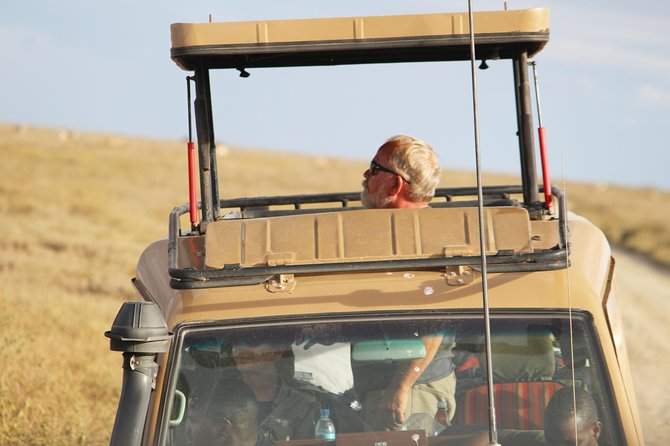
Private transport is included. The vehicle is your base for long drives and game viewing, so ask about the vehicle setup, luggage limits, and seating before departure. Those details are not specified here, but they matter on a nine-day route.
Is $4,539 per person good value?
The listed price is $4,539 per person. That is a serious amount, but this is also a nine-day private safari with several national parks and four nights in the Serengeti.
Included are private transportation, parking fees, breakfast on all nine days, lunch on eight days, and dinner on seven days. Park access is included for the listed wildlife stops. International flights and gratuities are not included, so add those costs before comparing the total with another safari.
I see the strongest value in the amount of time devoted to the Serengeti. A shorter trip may cost less, but it gives you fewer chances to reach the migration area and return through central Serengeti. The private setup also adds value for families, couples, and small groups that want control over the pace.
The price is less attractive if you are mainly interested in a quick wildlife sampler. Tarangire, Ngorongoro, and Lake Manyara can fit into a shorter northern circuit, while the extra days here are aimed at the migration and the long route north.
Who should book this safari?
I would choose this trip if your priority is the Great Migration and you are willing to accept long drives, early breakfasts, and uncertain sightings. It suits families, couples, and groups of friends who want a private vehicle and a full wildlife schedule.
It also works well for first-time safari visitors who want several major parks in one trip. You get elephants in Tarangire, migration country in the Serengeti, dense wildlife in Ngorongoro, and birds and woodland in Manyara.
I would think twice if you dislike long transfers or want a slow, luxury-focused holiday with plenty of free time. The schedule is full, and the northern Serengeti section depends heavily on seasonal movement.
Pickup is offered, mobile tickets are available, and group discounts are listed. Most people can participate, and the start point and end point are in Arusha. Free cancellation is available up to 24 hours before the start time, but changes or cancellations within 24 hours are not refunded. A minimum number of participants may also apply, even though the activity itself is private once confirmed.
Should you book it?
Book this safari if you want the best possible structure for following the migration across several days, not a guaranteed river-crossing show. The four Serengeti nights, private transport, and return through Ngorongoro and Manyara give you a broad and worthwhile route.
Before paying, confirm your travel month, the migration zone for those dates, the exact accommodation, and the guide assignment. If your timing matches the northern Serengeti from July to November or Ndutu from December to March, this is a strong choice for a serious first safari.
FAQ
How long is the safari?
The safari lasts approximately nine days, beginning and ending in Arusha.
Where does the safari start?
It starts in Arusha, Tanzania. Airport pickup by a Lion King Adventures representative is offered on the first day.
Where does the safari end?
The activity ends back at the meeting point in Arusha after the drive from Lake Manyara.
What time does the safari start?
The stated start time is 8:30 a.m.
Is this a private tour?
Yes. Only your group participates in the activity.
Which parks are included?
The route includes Tarangire National Park, Serengeti National Park, Ngorongoro Crater, and Lake Manyara National Park.
When can I see the migration in the northern Serengeti?
The northern Serengeti migration route is described as best from July through November, with August highlighted for the area around the Mara River.
When is Ndutu included for the migration?
The migration is found in the Ndutu region from December through March. Confirm the exact route for your dates before booking.
What meals are included?
Breakfast is included for nine days, lunch for eight days, and dinner for seven days.
Are international flights included?
No. International flights are not included. Gratuities are also not included.
Can I cancel for a full refund?
Yes, if you cancel at least 24 hours before the experience start time. Cancellations made less than 24 hours before the start time are not refunded.
Newest safaris around Arusha
- 7 days great migration safari★ 5.0 · 77 reviews
- 4 days safari★ 5.0 · 34 reviews
- 6 days Tanzania budget safari★ 5.0 · 65 reviews
- Amazing 4 Days Tanzania Budget Camping Group Joining Safari★ 5.0 · 15 reviews
- 5 days safari, hiking & culture (Serengeti & kilimanjaro)★ 5.0 · 27 reviews
- Best 5 Days Tanzania Private Luxury Safari with luxury Lodges★ 5.0 · 12 reviews
- Serengeti & Ngorongoro fly in safari★ 5.0 · 76 reviews
- 8 Days 7 Nights Tanzania Wildlife & Culture Lodge Safari★ 5.0 · 17 reviews
Arusha Safaris, side by side.
Balloon Safari & Bush Breakfast in Serengeti – Miracle Experience
Read our review →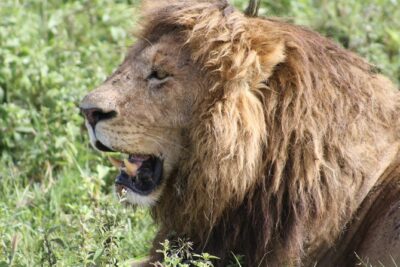
3 Days Serengeti & Ngorongoro Group Camping Safari
Read our review →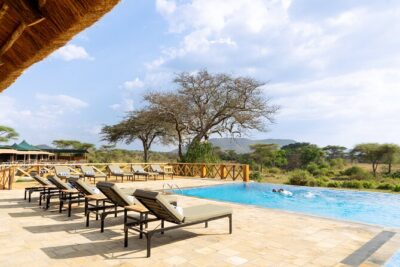
7-Day Premium Luxury Tanzania Safari All-Inclusive
Read our review →
8 Days Great Wildebeest Calving Migration Safari from Arusha
Read our review →
Group Safari 7 Days in Tanzania’s Main Parks
Read our review →Lists this safari turns up in