Review · NATIONAL PARK SAFARIS
From Arusha: Tarangire and Ngorongoro Crater Camping Safari
Tarangire’s huge baobabs and elephant herds make a strong opening act, but the real prize comes the next day: Ngorongoro Crater, where a short safari can bring you close to lions, zebras, wildebeest, and perhaps the crater’s elusive black rhino. In two days, you get two very different parts of northern Tanzania.
I like the sensible pairing of Tarangire and Ngorongoro, and I like that park fees, meals, lodging, water, and hotel transfers are bundled into the $800 price. Guides such as Malissa and Simon have been praised for their animal spotting, calm driving, and warm manner. The main drawback is time: two days gives you a sharp taste of safari, but the schedule is busy and wildlife sightings can never be promised.
Key points
- Tarangire begins with elephants and baobabs: The park is famous for some of Tanzania’s largest elephant concentrations and its ancient-looking baobab trees.
- Ngorongoro packs wildlife into a remarkable setting: You descend into a broad volcanic crater with strong chances of seeing large mammals, though black rhinos remain difficult to find.
- The 7:30 AM pickup keeps the trip efficient: You leave Arusha early enough to reach Tarangire for a full game drive.
- The price covers the costly essentials: Park entry, taxes, accommodation, meals, soft drinks, water, and hotel transfers are included.
- Guide quality matters here: Malissa and Simon have received particular praise for their animal knowledge, photography help, and friendly service.
- This suits a first safari: The route is short, focused, and practical, but less suitable for children under three or anyone with mobility or back problems.
Two Parks, Two Very Different Safari Experiences
This is a compact northern Tanzania safari built around contrast. Tarangire gives you open country, river views, giant baobabs, and elephants. Ngorongoro gives you a dramatic crater setting with dense wildlife in a relatively contained area.
That contrast is the reason I like this route. You are not spending both days looking at the same kind of scenery. Tarangire feels spacious and woodsy in places, while Ngorongoro feels enclosed by the crater walls and packed with animal life below.
The itinerary begins and ends in Arusha, with the first pickup at 7:30 AM. You travel with a guide, chef, and other clients, although the activity is described as a private group. Since the exact vehicle arrangement can vary, I would confirm the group setup before paying if having a fully private vehicle is important to you.
At $800 per person, this is not a bargain-basement safari. It becomes more reasonable once you count the park fees, taxes, accommodation, meals, soft drinks, water, and transport. You are paying for a short, organized safari with two major parks, rather than simply buying a vehicle ride and adding costs as you go.
More National Park Safaris in Tanzania
- From Zanzibar: Day Selous Game Reserve Safari with Flights
★ 4.7 · 1,025 reviews - 3 Day Serengeti National Park & Ngorongoro Crater Camping Safari
★ 5.0 · 142 reviews - Day Safari tour to Selous Game Reserve from Zanzibar
★ 4.5 · 98 reviews
The 7:30 AM Drive from Arusha to Tarangire
The first morning starts with hotel pickup at 7:30 AM. The drive to Tarangire takes about two hours, so the morning is not lost entirely to the road. You meet the guide, chef, and fellow participants before heading toward the park.
That early start matters. A safari day is shaped by daylight and animal activity, and arriving earlier gives you more time for the game drive before the afternoon exit. It also makes the two-day plan possible without turning the first day into a race from dawn until midnight.
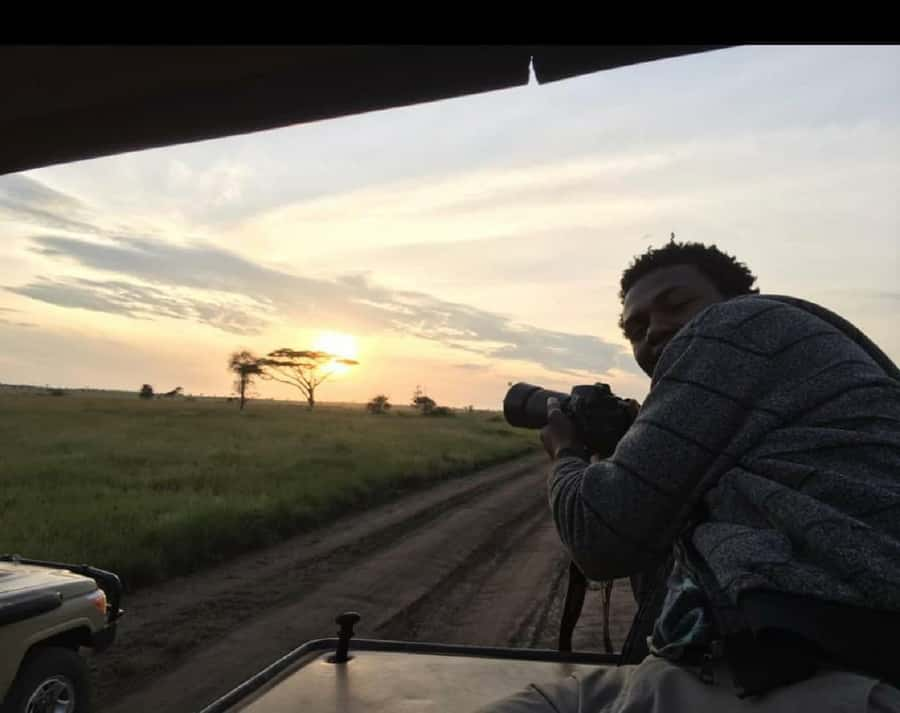
The supplied information does not name every possible guide, but Malissa and Simon are two names worth asking about. Malissa has been praised for safe driving, clear explanations, and a friendly manner. Simon, also known as Safari Monster, has been singled out for his energy, care, and ability to take memorable photographs.
You should still judge the trip by the whole operation, not only by a guide’s name. Wildlife viewing depends on the season, animal movements, road conditions, and simple luck. A good guide improves your chances and helps you understand what you see, but no guide can guarantee a rhino or cheetah.
Tarangire’s Baobabs, River, and Elephant Country
Tarangire is best known for two things: its old baobab trees and large elephant population. The baobabs give the park a strong visual identity, with thick trunks and unusual silhouettes that make even a quiet stretch of road feel distinctly African.
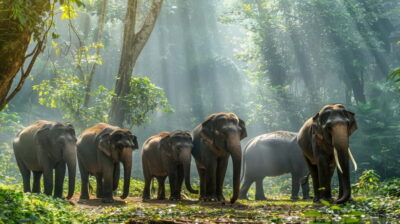
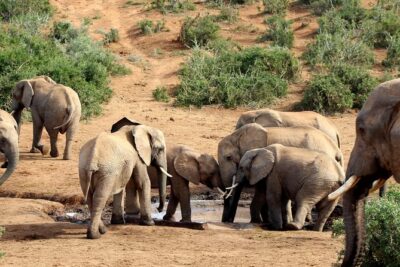
The elephants are the main attraction. This park is described as having the largest concentration of elephants in Tanzania, so you have a good reason to keep your camera ready. You might see individual animals, family groups, or elephants moving through the area around the river.
The game drive also searches for lions, cheetahs, leopards, giraffes, wildebeest, zebras, and other animals. The word searches matters here. You are not visiting a zoo, and even a famous park can produce a slow hour followed by a sudden rush of activity.
A strong guide helps by reading tracks, watching the behavior of other vehicles, and explaining the animals’ habits. You should expect plenty of looking, waiting, and scanning. That is part of the safari experience, even when the road is quiet.
Lunch Beside the Tarangire River
Lunch takes place at the Tarangire River picnic site. This is more than a pause for food. The river provides a scenic point for watching the park and its animals while you stretch your legs and eat.
The tour includes all meals, soft drinks, and water, with a chef included in the setup. That is useful on a short safari because you do not need to arrange food between park visits. It also helps keep the day moving, since lunch is already built into the schedule.
Follow your guide’s instructions at the picnic site. You are in a wild setting, not a normal public park, and animals may be nearby. The supplied information does not describe the exact meal menu, so I would not book this expecting a particular style of food. You can expect meals to be included, but ask ahead about dietary needs.
After lunch, you return to the game drive. The park exit is planned for about 4:30 PM, followed by the journey to your accommodation for dinner and the night.
More Overnight Safaris in Tanzania
- 4 Days Group Camping Safari
★ 5.0 · 1,101 reviews - 5 Days Group Camping Safari
★ 5.0 · 730 reviews - 3 Days Serengeti & Ngorongoro Group Camping Safari
★ 5.0 · 574 reviews - 2 Days Tarangire and Ngorongoro Group Camping Safari
★ 5.0 · 146 reviews
The Overnight Stay Near Mto wa Mbu
The accommodation is part of the package, and the overnight stop is described as being in the Mto wa Mbu area. One stay there was described as clean and comfortable, with a good dinner. That makes the night sound like a practical rest stop rather than a major attraction in its own right.
This is an important detail when comparing safari prices. A cheaper-looking tour may not include the same combination of lodging, meals, park charges, and drinks. Here, you should check the exact accommodation category before booking, since the word accommodation can cover anything from a basic lodge to a more polished property.
The night also breaks up a demanding route. You do not need to return all the way to Arusha after Tarangire and then head out again before dawn. Instead, you are positioned for the early Ngorongoro start.
Bring bug spray. It is specifically recommended, and it is a small item that can make the evening far more pleasant. Comfortable clothes, a hat, and sun protection also make sense, though only bug spray is specifically required in the provided information.
Ngorongoro Viewpoint at 6 AM
Day two begins with breakfast at 6 AM. From there, you head to the Ngorongoro viewpoint before descending into the crater.
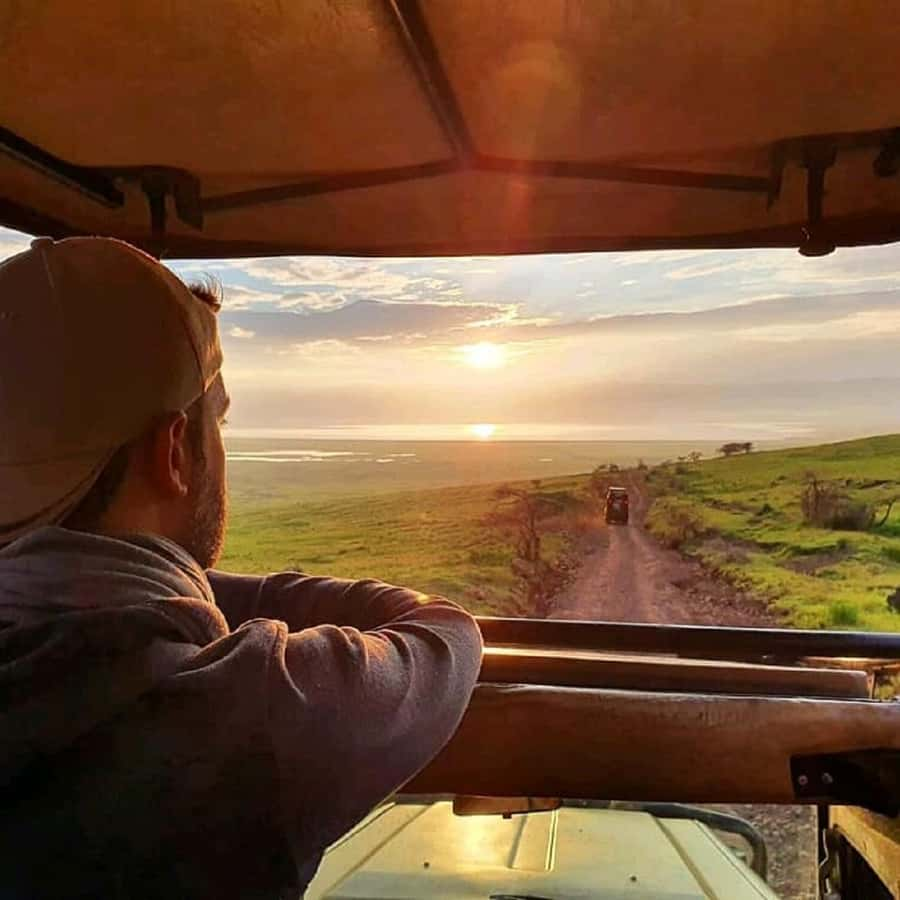
The viewpoint is one of the emotional high points of the trip. Before you begin looking for animals, you get a broad view of the crater and its enclosing walls. The setting gives you a sense of scale that photographs often miss. It also helps explain why Ngorongoro feels different from Tarangire: the animals are being seen inside a vast volcanic bowl rather than across a more open park.
The early breakfast and early start are sensible. The crater portion of the day needs enough time for the descent, game viewing, lunch, and the climb back out. If you prefer slow mornings and long hotel breakfasts, this is not that kind of holiday.
Searching for Ngorongoro’s Black Rhinos
The main wildlife target in Ngorongoro is the black rhino, described as the hardest animal to spot in the crater. That makes the search exciting, but it also sets up the trip’s biggest uncertainty.
You might see rhinos, but you might not. One two-day safari had excellent animal sightings in Tarangire but missed both rhinos and hyenas in the two parks. That is not a failure of the route. It is a reminder that safari sightings remain unpredictable, even in a place known for a particular species.
The crater is still rewarding without a rhino. You may look for lions, cheetahs, zebras, wildebeest, giraffes, and other wildlife during the drive. The value of Ngorongoro comes from the combination of scenery and animal variety, not from one guaranteed sighting.
Ask your guide to explain the animal behavior and the crater setting as you go. The best part of a safari is not only identifying species. It is learning why animals gather in certain areas, how they move, and what makes this habitat useful to them.
Lunch, More Game Viewing, and the Return to Arusha
After the first crater drive, you have lunch before continuing with another game drive. This second portion gives you more time to look for animals and enjoy the setting before ascending from the crater.
The schedule then turns practical. You climb out of Ngorongoro and return to your accommodation in Arusha. Because the tour lasts only two days, the second day is full. You should expect a lot of time in the vehicle and should not choose this trip if you want a relaxed resort pace.
The advantage is efficiency. If your Tanzania trip is short, this route places two major parks into a manageable block. The cost is less free time and less room for delays. A vehicle repair once cost about two hours on one safari, showing why you should keep important evening plans flexible.
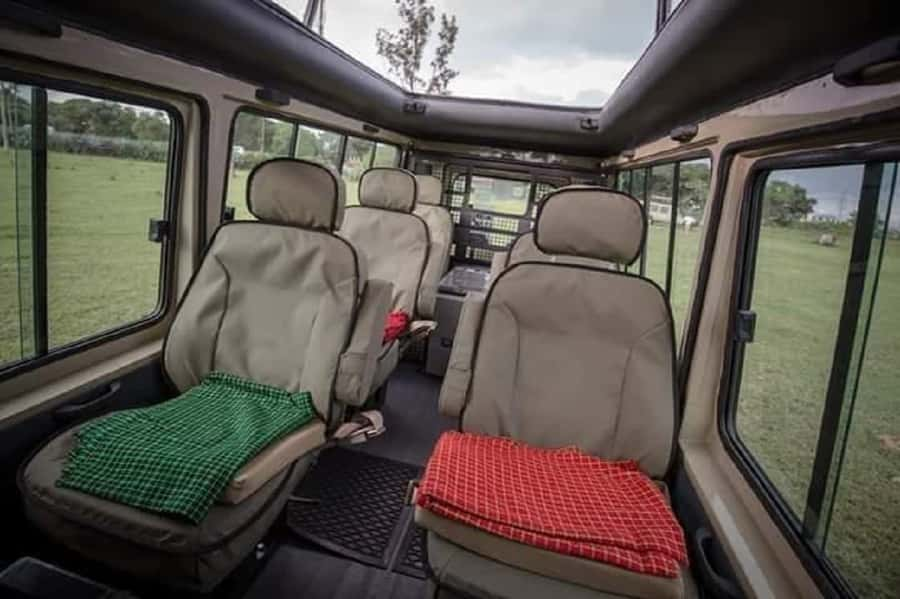
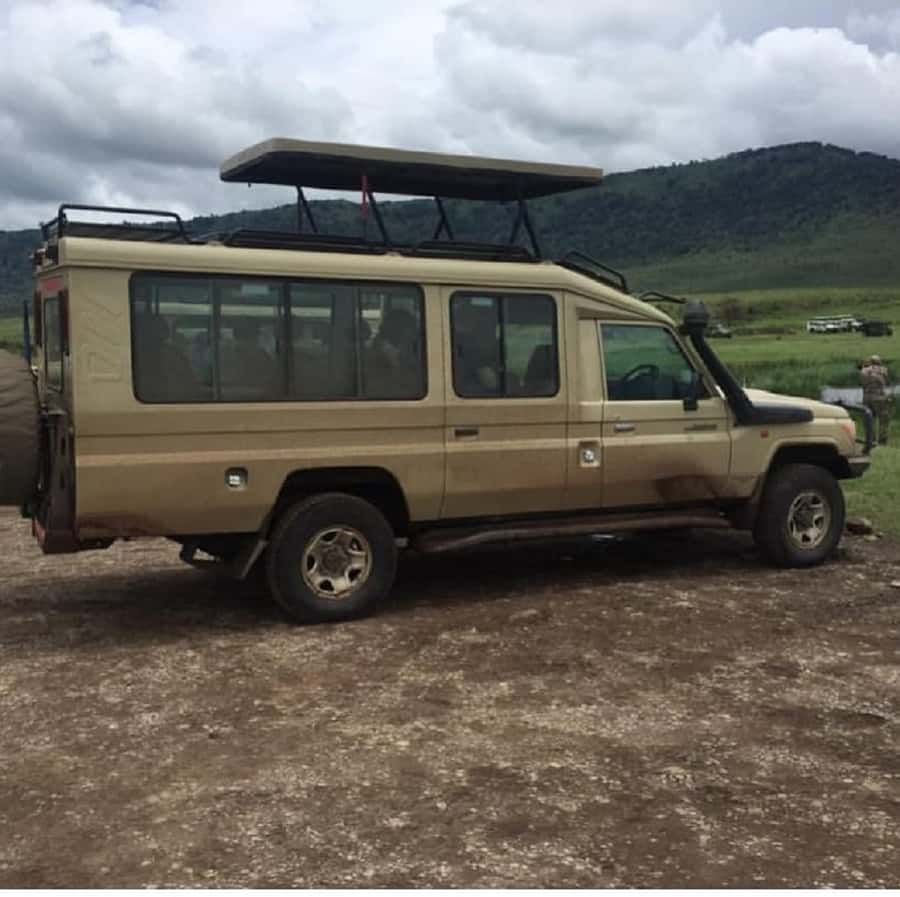
The vehicle itself matters. A Toyota safari vehicle, described fondly by one participant, is part of the experience. You sit high enough to watch the animals and scenery, but you should still prepare for long periods on rough or uneven roads. Anyone with back problems should take the stated warning seriously.
How Good Is the $800 Value?
At $800 per person, the tour needs to deliver more than a quick park visit. It includes hotel pickup and drop-off, park entrances, taxes, accommodation, all meals, soft drinks, and water. Those inclusions remove several common safari add-ons.
The value is strongest for a first-time visitor who wants a ready-made plan. You do not need to arrange separate park permits, find a vehicle, organize meals, or locate a night’s lodging between the two parks. The guide and chef are part of the package too.
Still, price comparison deserves care. One participant found a large difference between what different people paid for a similar two-day safari and felt that paying more than $600 was too expensive. That does not prove this package is poor value, but it does tell you to compare the exact inclusions, vehicle type, accommodation, group size, and guide service before booking.
The phrase private group also deserves clarification. Some experiences described a shared 4×4 with a small number of people, while the activity details identify the group as private. Ask the provider whether your booking means a private vehicle, a private booking within a small party, or a shared vehicle arranged for your departure.
Who Will Enjoy This Safari Most?
I would recommend this trip to you if you have two days available from Arusha and want a focused introduction to northern Tanzania’s wildlife. It is especially suitable for first-time safari visitors who value a clear plan and included meals over designing every detail themselves.
It also suits people who want both elephants and baobabs in Tarangire, then a dramatic crater setting the next day. The combination gives you more variety than spending both days in one park.
You should think twice if you dislike early mornings, long vehicle rides, or an active schedule. The tour is not suitable for children under three, people with back problems, or people with mobility impairments. Pets are not allowed.
The language listed for the live guide and audio guide is English. If you want a guide such as Malissa or Simon, request that in advance, but do not assume a particular person is guaranteed unless the operator confirms it.
Should You Book This Two-Day Safari?
Book it if you want a compact, well-organized route with the major costs already covered. The combination of Tarangire’s elephants and baobabs with Ngorongoro’s crater wildlife is strong, and the guide service has been praised most for warmth, animal spotting, safe driving, and helpful photography.
I would not book it blindly at $800. First confirm the exact lodge, vehicle arrangement, group size, and guide. Also accept that black rhinos, cheetahs, leopards, and other prized sightings are possibilities, not promises.
For a short first safari from Arusha, this is a sensible choice. It gives you two famous parks without forcing you to plan every meal, permit, and transfer yourself. Just keep your schedule flexible, pack bug spray, and remember that the wild does not work from a checklist.
FAQ
How long does the safari last?
The safari lasts two days.
What time does pickup begin?
Hotel pickup begins at 7:30 AM on the first day. You should wait in your hotel lobby.
Which parks does the safari visit?
The route visits Tarangire National Park on day one and Ngorongoro Crater on day two.
What animals might I see?
The safari searches for elephants, lions, cheetahs, leopards, giraffes, wildebeest, zebras, black rhinos, and other wildlife. Sightings are not guaranteed.
Is accommodation included?
Yes. Accommodation during the safari is included, with the overnight stay after the Tarangire visit.
Are meals and drinks included?
Yes. All meals, soft drinks, and water are included.
Is a guide provided?
Yes. The activity includes a live English-speaking guide and an English audio guide.
Can young children join the safari?
The experience is not suitable for children under three years old. It is also not suitable for people with back problems or mobility impairments.
Newest safaris around Tanzania
- Dar Es Salaam: Day Trip Safari to Mikumi National Park by Train★ 4.5 · 15 reviews
- 1 Day Safari to Mikumi National Park★ 5.0 · 20 reviews
- Short Safari from Dar es Salaam to Mikumi National Park – 2 Days★ 5.0 · 10 reviews
- 5-Day Mikumi & Ruaha Tanzania Wildlife Lodge Safari★ 5.0 · 10 reviews
- 5 Days Safari to Selous & Mikumi★ 5.0 · 15 reviews
- 8 Days Safari to Mikumi, Ruaha & Udzungwa Mountains★ 5.0 · 14 reviews
- 6 Days Safari to Udzungwa Mountain NP, Ruaha NP and Mikumi NP★ 5.0 · 10 reviews
- 3 Days Unique safari Selous Game Reserve Tanzania★ 5.0 · 12 reviews
National Park Safaris, side by side.
Teide National Park Sunset & Stargazing with Dinner (Star Safari)
Read our review →
Teide National Park: Sunset & Stargazing Safari with Dinner
Read our review →Udawalawe National Park | Private Safari Tour
Read our review →
East Coast National Park: Half-Day Caves Jeep Safari
Read our review →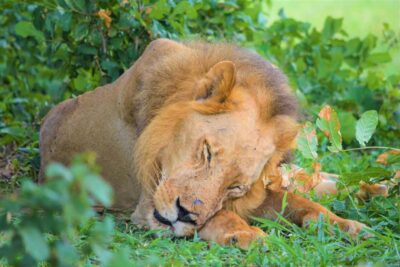
Addo Elephant National Park All Inclusive Full-Day Safari
Read our review →