
Review · KENYA SAFARIS
From Nairobi: 3 Days 2 Nights Masai Mara Group Safari
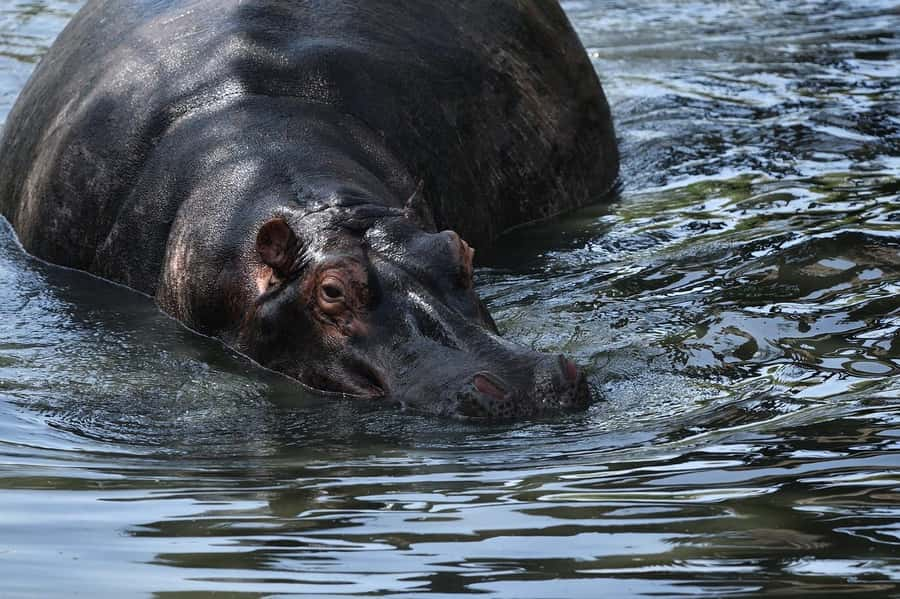
The main draw is simple: you get three days in the Masai Mara for $200 per person, with a full-day game drive and a pop-up roof for clear animal viewing. The route also includes the Great Rift Valley viewpoint, a sunset drive, and time near the Mara River, where hippos and crocodiles live year-round.
I like the small maximum group of eight, which gives you a better chance of seeing from the vehicle without a crowd of elbows. I also like the private tent, hot shower, electricity in the evening, and pickup from Nairobi hotels or the airport. The big caution is the park fee. It is not included, can be a large extra cost, and should be confirmed in writing before you leave Nairobi.
Key points to know before you go
- A full day in the reserve: Day two runs from about 7 a.m. to 4 p.m., with picnic lunch inside the Mara.
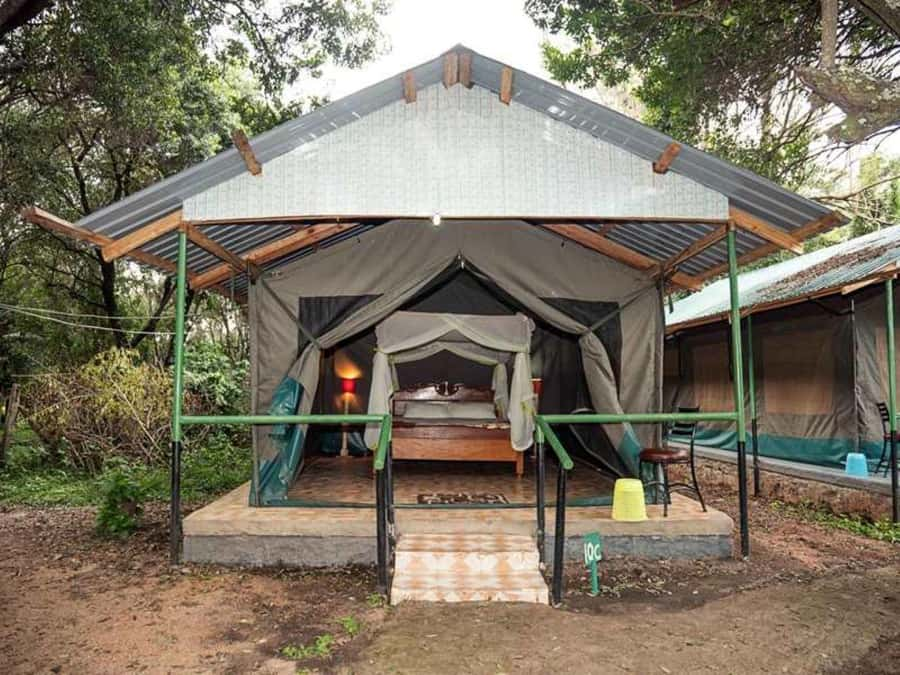
- Private tent camping: Your tent has a bed, linen, toilet, shower, mosquito net, and electricity from 6 to 10 p.m.
- Up to eight people: The shared safari vehicle has a pop-up roof for photographs and animal viewing.
- Wildebeest timing matters: The famous migration usually reaches the Mara from July to November, but a river crossing is never guaranteed.
- Park fees are extra: Pay locally by card, cash, or an online link, and check the exact current amount before booking.
- Optional Maasai visit: A village tour costs $20 per person and can be added by request.
Nairobi to the Great Rift Valley viewpoint
Your pickup is scheduled for 8 a.m. from a hotel, apartment, or private residence in Nairobi city center or Westlands. Airport pickup is also available if you provide your flight details. For an airport meeting, the driver waits by the terminal with a pager showing your name.
The drive to the Masai Mara is a major part of the day, not just a transfer. One planned stop is the Great Rift Valley viewpoint, where you can pause for broad views across the Rift. It gives you a useful sense of Kenya’s scale before the wildlife portion begins.
The tour aims to reach camp in time for lunch and check-in. Timing can change with road conditions and traffic, so keep your first morning light. If you are arriving in Nairobi on the same day, allow enough time between your flight and the pickup. The company says it can collect you at the airport, but your flight details are needed in advance.
This is a budget safari, so the road journey may feel long compared with a private fly-in trip. That is part of the trade-off. You spend less, but you give up the speed and ease of flying directly to the reserve.
More three-day safaris in Kenya:
- From Nairobi: 3 Days, 2 Nights Maasai Mara Group Safari
★ 4.5 · 394 reviews - 3 days group joining safari to Maasai Mara with a Land Cruiser Jeep
★ 5.0 · 173 reviews - 3 Day Masai Mara Budget Joining Safari on 4×4 – Daily Departures
★ 5.0 · 105 reviews
First game drive at 4 p.m.
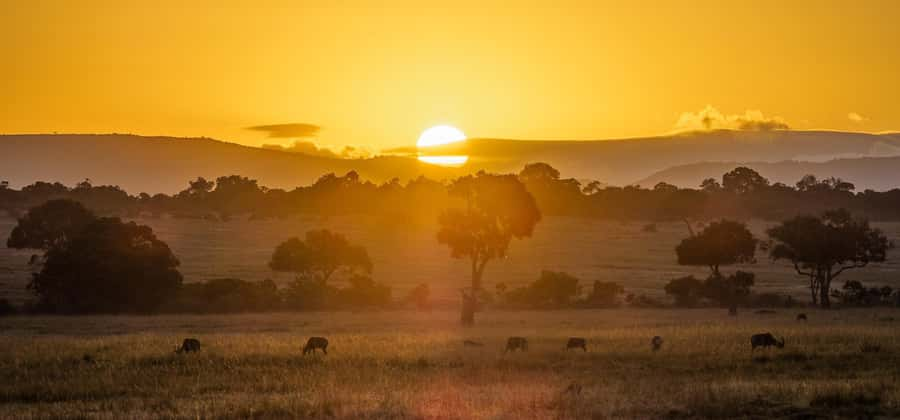
After lunch and check-in, the first game drive begins at about 4 p.m. This evening outing is designed for wildlife viewing as the light softens, with the added pleasure of a sunset in the reserve.
You ride in a safari van or jeep with a pop-up roof. This is an important detail, not a small comfort. You can stand or sit beneath the open roof to look out and take photographs without a solid vehicle roof blocking your view. The tour uses vehicles owned by the operator, and the company says they are maintained for safari use.
Your guide is also your driver. That arrangement can work very well because one person controls the pace and helps you understand what you see. Samuel has guided groups in Italian and is described as attentive and cheerful. Calvin is praised for patient guidance and careful driving. Guide quality matters a great deal on a safari, since your time in the reserve depends on good decisions, clear communication, and safe driving.
The stated language options are English, French, Spanish, German, Swahili, Italian. Ask for your preferred language when booking rather than assuming it will be available on every departure.
What the private tent is really like
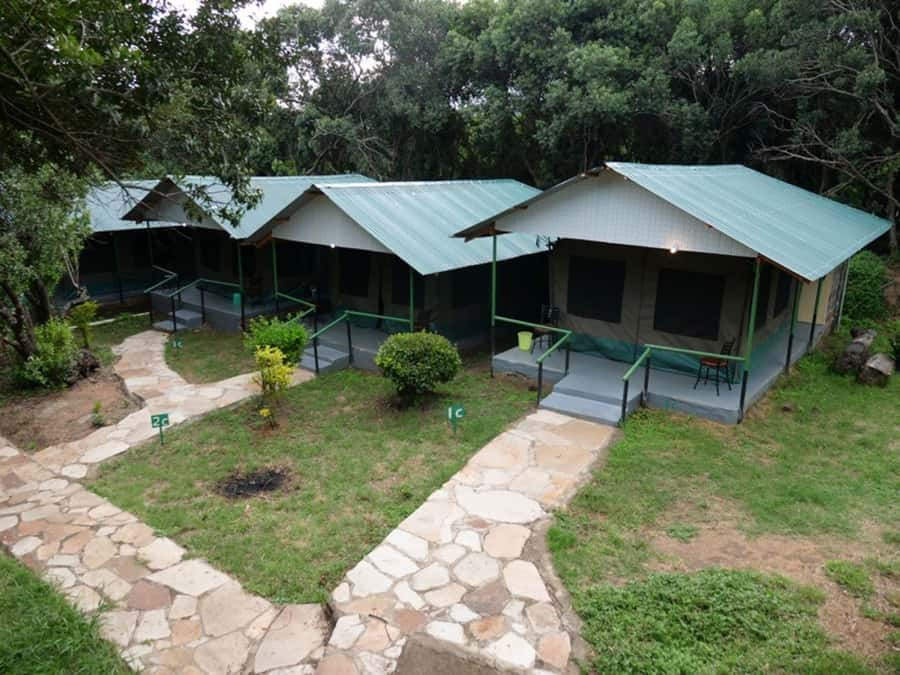
You spend two nights at Rhino Tourist Camp or a similar camp. The accommodation is a private tent, not a shared sleeping space. Inside, you have a bed, linen, mosquito net, toilet, and shower.
This is comfortable camping rather than a luxury lodge. The tent gives you a proper bed and private facilities, while still keeping the overnight stay close to the safari setting. Hot water and electricity are available from 6 to 10 p.m., so charge your phone and camera during that window. The supplied information says electricity is available for gadgets, but you should not expect unlimited power at all hours.
The camp has received mixed practical feedback. Some people found the tent comfortable for this type of trip, while one complaint described older bathrooms and facilities in poor condition. I would set expectations at simple and functional, not polished. If a modern bathroom is essential to your trip, spend more on a higher category of lodging.
Dinner is served at camp after the first game drive. Meals listed in the itinerary include breakfast, lunch, and dinner, with a buffet dinner on the first evening. Bottled water is supplied in the safari vehicle, but personal drinks such as beer are not included.
Day two, the safari day that matters most
Day two starts with breakfast and a departure around 7 a.m. You spend the full day inside the Masai Mara, returning to camp around 4 p.m. This is the strongest part of the schedule because you are not using the morning for a long transfer.
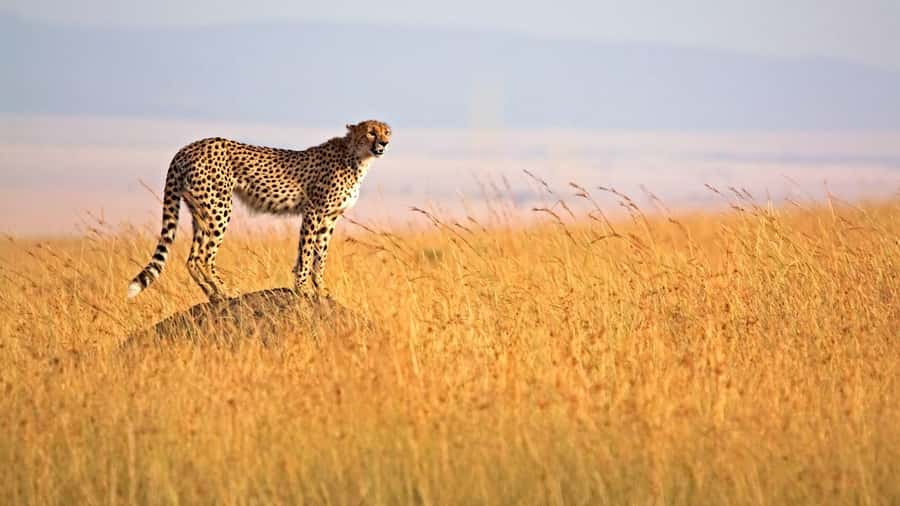
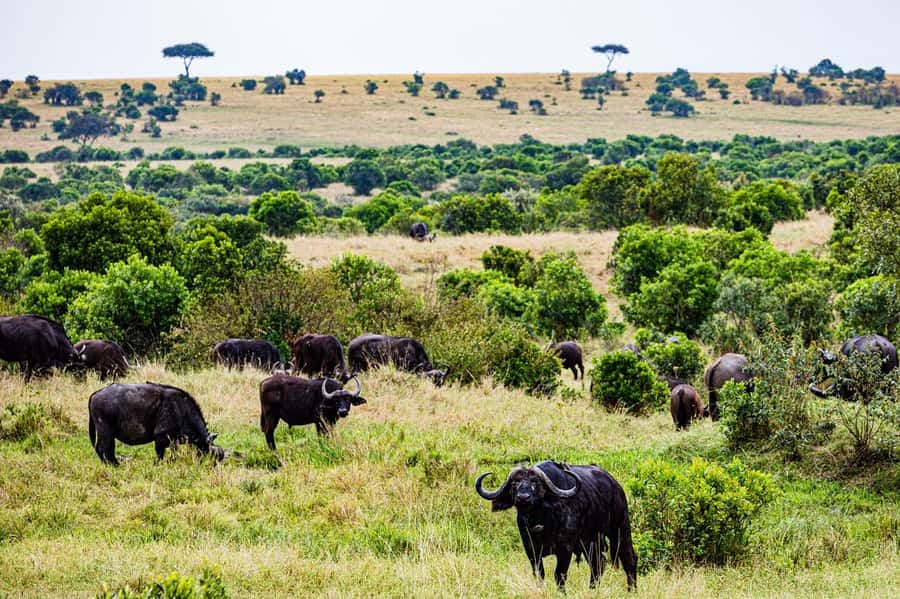
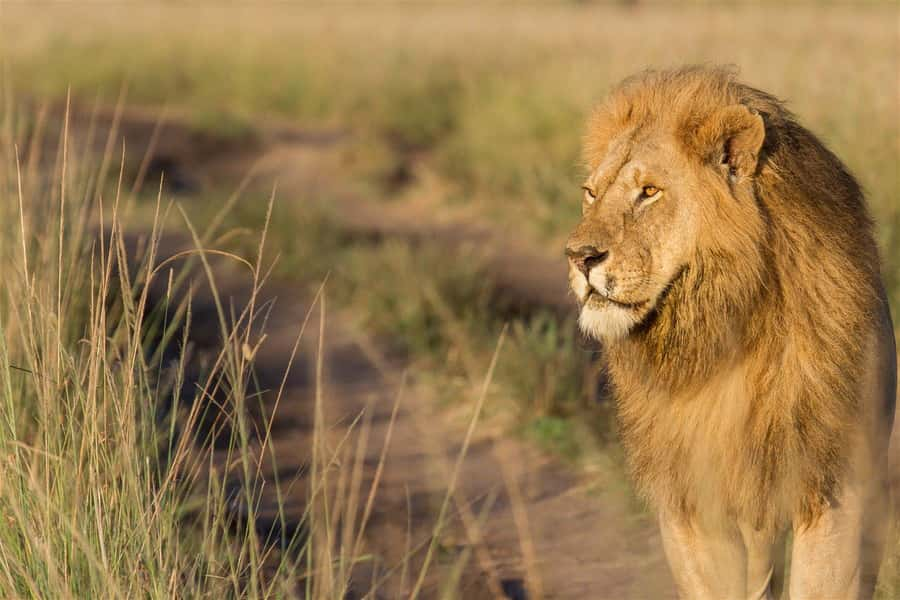
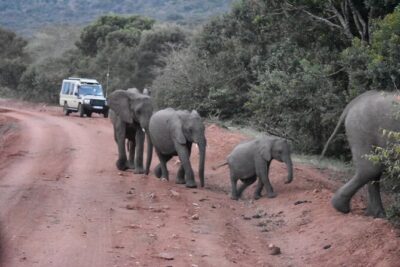
The open roof stays available throughout the drive. You can watch for lions, leopards, elephants, buffalo, and rhinos, the animals commonly grouped as the Big Five. Seeing all five is never promised, and leopard and rhino sightings can be especially uncertain. The guide will help identify animals and explain more about the reserve as you go.
Your picnic lunch is provided inside the reserve. That saves the time and effort of returning to camp midday, giving you more hours among the animals. The day is long, though. Bring patience, sun protection, and a willingness to sit in the vehicle for extended periods.
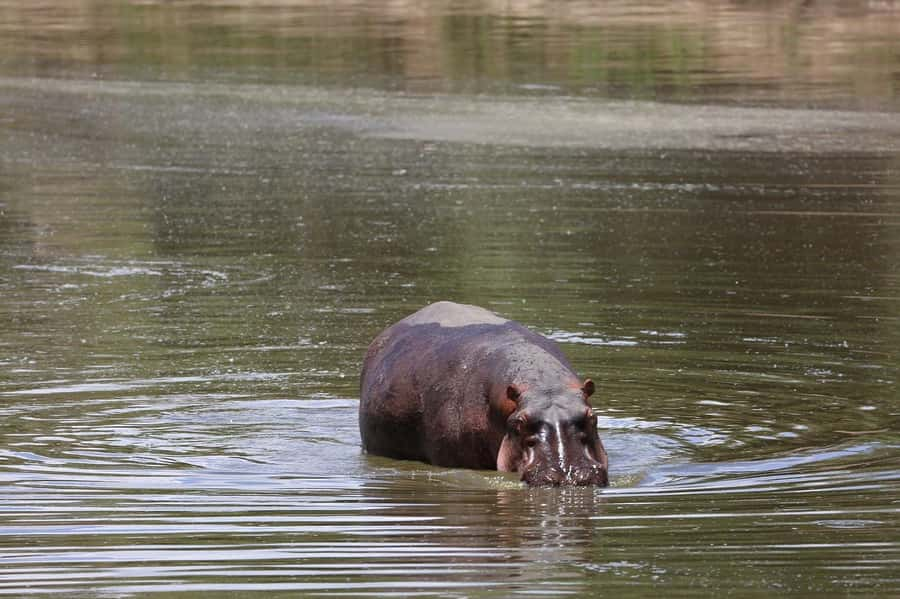
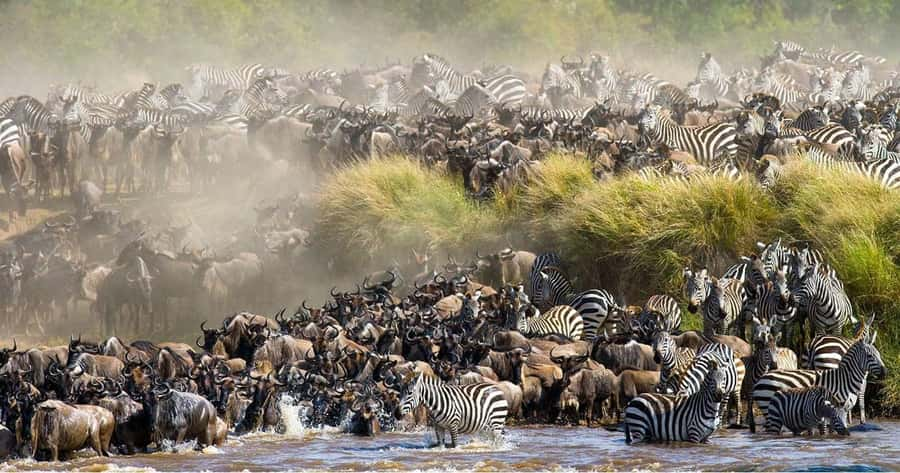
The route is intended to reach the Mara River, where wildebeest cross from the Serengeti during the migration season. Hippos and crocodiles are present along the river throughout the year. The river stop has value even when no wildebeest are crossing, but you should not book this trip expecting a crossing on demand.
The famous migration generally arrives in the Masai Mara around July and leaves in November. The exact movement of the herds depends on conditions, and river crossings happen when the animals choose to move. One September departure did not see a crossing, despite the group’s interest. The guide worked hard, but nature did not follow the timetable.
If a crossing is your main goal, ask for a migration-focused trip rather than treating it as a guaranteed part of this general safari. This three-day option gives you a reasonable chance during the right months, but it is also built around wider wildlife viewing.
A few more safaris around Kenya worth a look
- Safari Tour; Nairobi National Park
★ 4.5 · 594 reviews - Half-Day Nairobi National Park Safari from Nairobi with Free Pickup
★ 4.5 · 264 reviews - From Nairobi: 3 – Days Maasai Mara Group Safari by 4WD
★ 4.6 · 205 reviews - Masai Mara 3 Day Safari | Private 4WD Jeep Tour
★ 5.0 · 103 reviews
The return to Nairobi on day three
After breakfast, you check out at about 8 a.m. and begin the drive back to Nairobi. A complimentary lunch is planned at a roadside motel, and arrival in Nairobi is expected around 3 to 4 p.m., depending on traffic.
The return sounds tidy on paper, but allow flexibility. Nairobi traffic can alter the arrival time, and one booking had a different driver arrive for the return without advance notice. That does not necessarily ruin the safari, but you should avoid scheduling a flight or important appointment too close to the stated arrival time.
A practical point came up during one return journey: a vehicle change was announced suddenly during a rest stop. If the operator needs to move you to another vehicle, ask what is happening and where your luggage should go before setting off. Clear communication makes a simple transfer much less stressful.
Adding a Maasai village visit
You can request a morning visit to a local Maasai village on the third day. The tour costs $20 per person and is optional. It is meant to introduce you to the Maasai community and allow time with local people.
The timing is worth discussing early. The village visit is sometimes arranged on the morning of departure, which can make the final day feel rushed. If you want this cultural stop, request it before the safari begins and confirm how it affects breakfast, checkout, and the drive to Nairobi.
I would treat this as an added cultural experience, not as a substitute for time in the reserve. It may suit you if you want contact beyond wildlife viewing. If your priority is a calm return to Nairobi, skip it or arrange it clearly in advance.
What the $200 price includes, and what it does not
At $200 per person, the price is appealing for a three-day safari with two nights of accommodation, meals, transport from Nairobi, a guide, and all scheduled game drives. A small shared group also gives you more space than a large coach tour.
Included items are:
- Nairobi hotel or airport pickup and drop-off
- Safari vehicle with a pop-up roof
- An experienced guide
- Maximum group size of eight
- Two nights in a private tent
- Meals listed in the schedule
- Bottled water in the vehicle
- Game drives in the Masai Mara
The key extra is the park entrance fee. It is not included in the $200. Payment can be made locally by card, cash, or an online link provided by the operator. The exact fee can change by season and booking date, so ask for the current total before you commit.
One booking reported a high-season fee of $200 per person per day, while another described paying 170 euros for a short first-day visit. These figures do not line up, which is exactly why you should not rely on a vague estimate. Ask for the current park rate, the number of charged days, and the total for your dates in writing.
The optional Maasai village costs another $20 per person. Beer and other personal drinks are also extra. Once you add the park fee, this may no longer be a $200 safari in practical terms. It can still be good value, but only if you calculate the full cost first.
Communication, safety, and group expectations
The operator offers a 24-hour phone line and WhatsApp contact, which is useful when pickup details change or you need help before departure. The company also says it operates the safari itself rather than passing bookings to another company. It owns the vehicles and promises daily departures.
That daily departure policy is useful if you have a short Nairobi stay or are booking close to your arrival date. It also means the group may include people with different interests. One person may care intensely about wildebeest crossings, while another mainly wants lions and elephants. Discuss your priorities with the guide early.
Most feedback about the guiding is positive, with particular praise for Samuel and Calvin. Still, communication before departure has not always been smooth. One group had to make contact the day before because nobody had reached out, and the park fee was not explained clearly.
I would send a message before the trip covering four points:
- Exact pickup time and location
- Current park fee and payment method
- Name of the guide or driver, if assigned
- Whether the Maasai village visit is included in the schedule
The tour is not suitable for wheelchair users. The open-roof vehicle, long drives, uneven stops, and tent accommodation also suit people who are comfortable with basic safari conditions.
Who should book this safari?
I would recommend it to you if you want a short, affordable first safari from Nairobi and care more about wildlife time than luxury. It fits a person who likes a small group, wants a full day in the reserve, and is happy with simple private camping.
It also suits solo visitors and couples who do not want to pay for a private vehicle. The maximum of eight people keeps the shared format manageable, though the exact group mix can affect how smoothly the day runs.
I would hesitate if you need high-end accommodation, perfect pre-trip communication, or a guaranteed wildebeest crossing. I would also compare the total price carefully once park fees are added. For a migration trip, the season matters more than the headline price. July through November offers the best chance of seeing the herds in the Mara, but no operator can control the river.
Should you book it?
Book this safari if you want three practical days in the Masai Mara, a full wildlife day, private tent accommodation, and a shared price that stays within reach. The guides and vehicle setup are strong points, and the itinerary gives you more than a quick afternoon visit.
Before paying, confirm the park fee, the exact accommodation, your pickup details, and the timing of any Maasai village visit. If the final total still works for your budget, this is a sensible entry-level safari. If you want a guaranteed migration crossing or polished lodge service, choose a more specialized and more expensive trip.
FAQ
How long is the Masai Mara safari?
The scheduled experience lasts three days and two nights. The overall activity information also gives a possible duration of three to four days, depending on availability and timing.
Where does pickup take place?
Pickup is available from hotels, apartments, and private residences in Nairobi city center and Westlands. Airport pickup is also available if you provide your flight details.
What time does pickup begin in Nairobi?
Pickup is scheduled for 8 a.m. on the first day. Your driver meets you in the lobby or at the agreed airport terminal point.
Is the Masai Mara park entrance fee included?
No. The park fee is paid separately by card, cash, or an online payment link. Confirm the current amount and how many days are charged before departure.
What accommodation is provided?
You stay two nights in a private tent at Rhino Tourist Camp or a similar camp. The tent has a bed, linen, toilet, shower, mosquito net, hot water, and electricity from 6 to 10 p.m.
How many people share the safari vehicle?
The group size is limited to a maximum of eight people. Transport is in a safari vehicle with a pop-up roof.
Is the Maasai village visit included?
No. The visit is optional and costs $20 per person. You need to request it, and it is best to arrange the timing before the third morning.
Can I see the wildebeest river crossing?
You may visit the Mara River, where wildebeest cross during the migration season, usually from July through November. A crossing is not guaranteed, since the animals control the timing.
Newest safaris around Kenya
- 3-Day Safari Tour in two National Parks★ 5.0 · 18 reviews
- Tsavo East 1 Day Safari, Beach To Beach In 4wd Jeep★ 5.0 · 14 reviews
- 5-Day Safari Tour in 3 National Parks★ 5.0 · 22 reviews
- 3 Days, 2 Nights Safari – Amboseli National Park and Tsavo West Adventure Safari★ 4.5 · 16 reviews
- Shimba Hills Day Safari & Sheldrick Falls Hike Private Tour★ 4.5 · 21 reviews
- PRIVATE OVERNIGHT SALTLICK SAFARI FROM MOMBASA OR DIANI★ 4.8 · 23 reviews
- 5-Hour Nairobi National Park 4×4 Safari with Free Pickup★ 4.6 · 16 reviews
- Overnight Private Safari To Masai Mara★ 4.8 · 13 reviews
Kenya Safaris, side by side.
Half-Day Nairobi National Park Safari from Nairobi with Free Pickup
Read our review →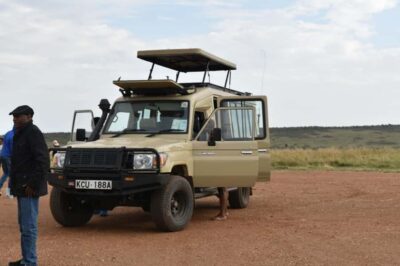
3 days group joining safari to Maasai Mara with a Land Cruiser Jeep
Read our review →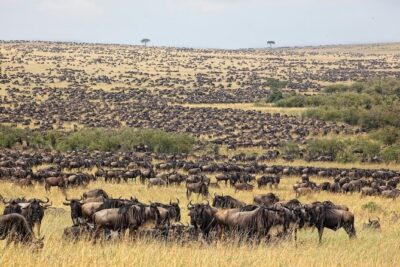
3 Day Masai Mara Budget Joining Safari on 4×4 – Daily Departures
Read our review →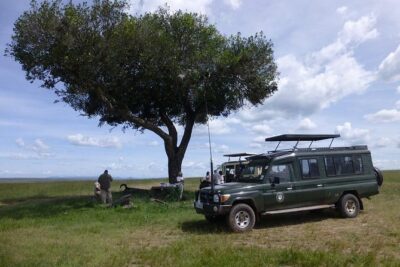
Masai Mara 3 Day Safari | Private 4WD Jeep Tour
Read our review →4-Day Group 4×4 Safari to Masai Mara & Lake Nakuru with Pick-Up
Read our review →Lists this safari turns up in