
Review · BIG FIVE & WILDLIFE SAFARIS
Half Day Grand Teton Wildlife Safari Tour
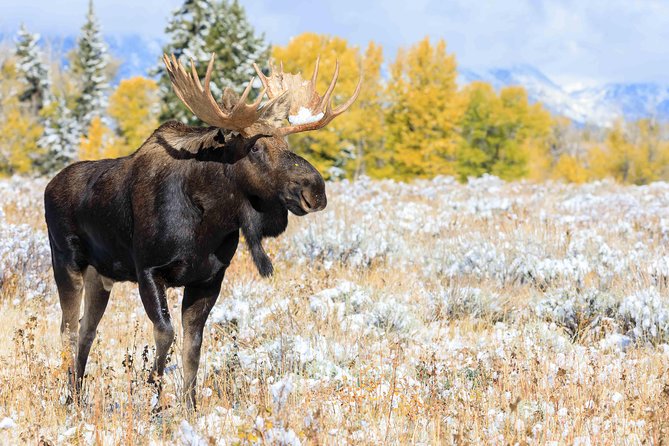
The best part of this safari is its flexible route. Instead of following a fixed sightseeing loop, your guide watches road conditions, wildlife movement, weather, and your interests. That can mean searching for moose near the National Elk Refuge, scanning Antelope Flats for bison, or stopping for mountain views and local stories in Grand Teton National Park.
I like the eight-person limit and the excellent viewing gear at every seat. I also like the practical touches: hotel pickup, hot and cold drinks, snacks, and scope videos on some outings. The main catch is price. At $170 per person, plus the $20 Grand Teton entrance fee, this is not a cheap ride through the countryside, and wildlife is never guaranteed.
Key points to know before booking
- Wildlife changes the route: Stops at Grand Teton National Park, the National Elk Refuge, Antelope Flats, and Moose Wilson Road are possible, not guaranteed.
- Small vehicle, better access: The tour carries no more than eight people, making it easier to hear the guide and share spotting scopes.
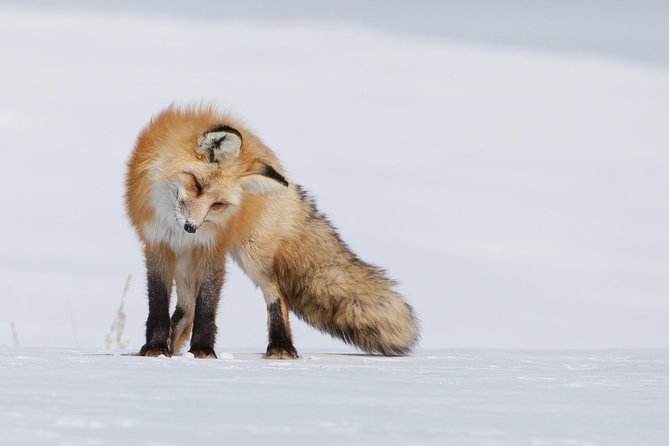
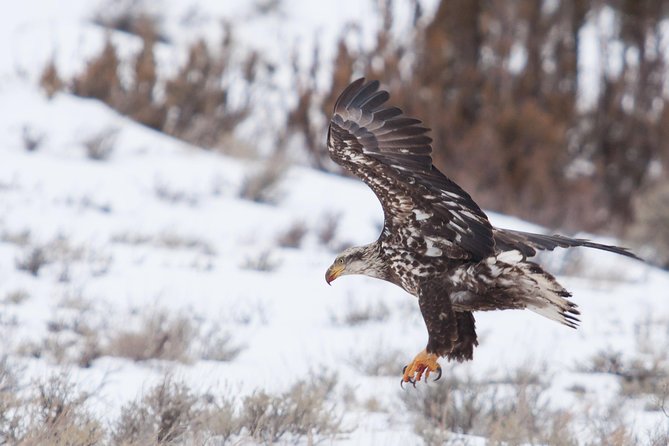
- Excellent animal range: Sightings can include moose, elk, bison, pronghorn, foxes, coyotes, bighorn sheep, deer, eagles, and other birds.
- Two useful departure choices: Sunrise outings leave around 7:00 to 7:30 a.m.; sunset outings leave around 1:00 to 1:30 p.m., depending on your lodging.
- Comfort items are covered: Bottled water, snacks, hot and cold drinks, binoculars, spotting scopes, and hotel pickup are included.
- Winter requires patience: Some roads close in winter, but the season can bring strong wildlife viewing around Jackson Hole.
Why this four-hour safari works so well
Grand Teton wildlife is not arranged in a neat exhibit. Animals move, roads close, weather shifts, and a place that was busy with elk one morning may be quiet later that day. This safari makes sense because you are paying for a guide who knows how to adjust the plan rather than simply drive you from one marked stop to another.
The guide is the heart of the experience. Guides such as Corey, Kayla, Jeffrey, Barry, Scott, Dave, Jordan, and Lee Ramella have led outings described as both friendly and highly informed. The strongest guides do more than point out an animal. They explain what you are seeing, share local history, discuss geology and biology, and help you understand why wildlife gathers in a particular place.
That personal attention matters in a large open park. A moose can be hard to spot without help, and a distant animal may look like a dark speck until you see it through a spotting scope. Your guide can also help you frame photographs and, on some trips, record short videos through the scope for you.
You should still set realistic expectations. This is a search for wild animals, not a guaranteed checklist. The scenery is a major part of the experience, but the exact mix of animals depends on the season, weather, road access, and luck.
More Wildlife Safaris in the USA
- Grand Teton Wildlife Safari in a Enclosed or Open-Air Vehicle (season dependent)
★ 5.0 · 1,212 reviews - Half-Day Wildlife Safari Tour in Grand Teton National Park
★ 5.0 · 341 reviews - Yellowstone Wildlife Safari from Bozeman – Private Tour
★ 5.0 · 140 reviews
Starting from your Jackson Hole lodging
Pickup is included from hotels, condominiums, and private residences in Jackson and Teton Village. You need to provide your lodging location when booking, and the operator sends your exact pickup time before departure.
The rough morning schedule begins at 7:00 a.m. in Teton Village, 7:15 a.m. in areas such as the Aspens, Amangani, and Spring Creek, and 7:30 a.m. in the town of Jackson. Sunset departures begin around 1:00 p.m. in Teton Village, 1:15 p.m. in the Aspens, Amangani, and Spring Creek areas, and 1:30 p.m. in Jackson. March and April afternoon pickups are about an hour later.
The early start is worth considering. Sunrise outings give you more of the quiet morning period, and winter wildlife viewing often works especially well around Jackson during the colder months. The afternoon option is easier if you prefer a slower morning or want to pair the safari with another activity.
Pickup saves you from navigating unfamiliar roads and dealing with parking. It also means the tour begins at your lodging, not at a shop across town. Allow a little patience for the pickup route, since the vehicle may collect other people before heading out.
Grand Teton National Park: scenery, geology, and changing access
Grand Teton National Park is the signature setting, though your exact stop depends on conditions and the group’s interests. A guide may pull over to explain the area’s geological story, point out a historic feature, or use the open views to search for animals.
Do not think of the park portion as a formal walking tour. The stated stop time is about 30 minutes, but actual stops can change. You may spend more time watching an animal or less time at a viewpoint if the road, weather, or wildlife situation calls for it.
The park is especially rewarding for people who want context. A strong guide connects the animals to the wider setting, explaining how the terrain, seasons, and human history shape Jackson Hole. You will also get a sense of the park beyond the famous mountain photographs.
The park entrance fee is not included. The listed charge is $20 per person, so budget $190 per person before any other personal costs. That extra fee is easy to overlook when comparing tour prices.
Winter brings an important limitation. Some park roads close, and one outing specifically did not reach the section of Grand Teton near Yellowstone. That does not make a winter safari a poor choice, but it does mean you should not book this half-day trip expecting a full tour of every corner of the park.
National Elk Refuge: a strong stop for winter wildlife
The National Elk Refuge is one of the most useful places on the route, especially in winter. The stop can last around 30 minutes, and admission is included when the tour visits it.
This is the kind of place where a guide earns the fee. Open country can make animals visible, but identifying them at a distance is another matter. Binoculars and a spotting scope help you separate elk from other dark shapes and follow movement without crowding the animals.
You may also hear about the area’s history and role in the Jackson Hole region. The guide’s explanation adds meaning to what could otherwise be a quick roadside stop.
Keep expectations flexible. The refuge is a possible stop, not a promise that every outing spends the same amount of time there. If your guide finds a better wildlife opportunity elsewhere, the route may change.
Same region, a very different drive:
- Miami: Everglades Safari Park Airboat Tour
★ 4.4 · 1,267 reviews - Everglades Airboat Safari Adventure with Transportation
★ 3.0 · 956 reviews - 3 Hour Off-Road Sunset Safari to Grand Canyon with Entrance Gate Detour
★ 5.0 · 904 reviews - Off the Beaten Path Ketchikan Photo Safari – 3 hr.
★ 5.0 · 901 reviews
Antelope Flats: open views and a wider search
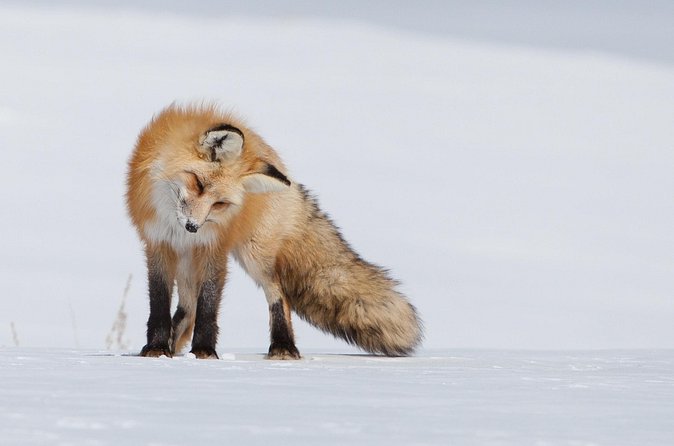
Antelope Flats offers the kind of open country that makes a wildlife safari feel different from a standard park drive. The possible stop lasts about 30 minutes, with time for the guide to discuss the area and scan for wildlife.
Open ground is useful because animals are sometimes easier to see at a distance. This is where binoculars and scopes become particularly valuable. Sightings may include bison, pronghorn, mule deer, coyotes, foxes, hawks, eagles, and smaller birds, depending on the season and conditions.
The broad views also give you a clear sense of scale. You are not simply collecting animal names. You are learning how animals use the open spaces around Jackson Hole and how weather and migration affect where they appear.
The drawback is that open country can feel exposed and cold, especially on a morning departure. Dress warmly, and do not assume that a sunny forecast means the vehicle stops will feel warm. One practical detail worth knowing is that bathrooms are more like campground facilities than hotel restrooms in some areas, although restroom access was not a problem on every outing.
Moose Wilson Road: a different kind of search
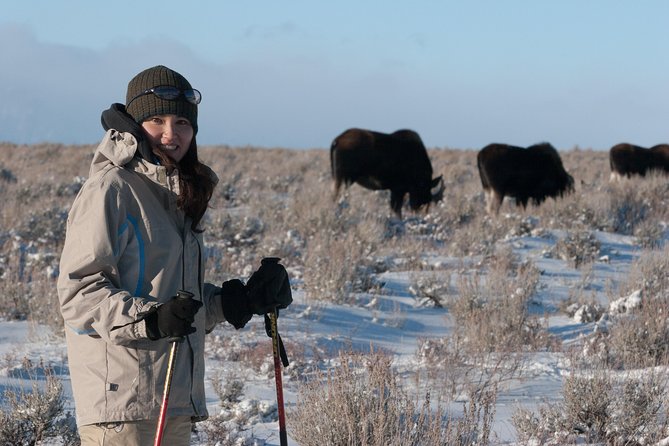
Moose Wilson Road is another possible stop, with about 30 minutes listed for the visit. The setting differs from the open refuge and flats, giving your guide another type of habitat to search.
The road is named for the communities it connects, and the tour uses it as part of a wider wildlife search rather than as a guaranteed scenic drive. Your guide may choose it because conditions, recent sightings, or the group’s interests make it useful that day.
Moose are a major draw in this area, and the guides’ skill in reading animal behavior can make a real difference. A guide may notice movement that you would miss, then wait for an animal to graze or cross behind the vehicle. The best viewing often comes from patience rather than speed.
Road access can change with weather and season. Treat this stop as a possibility, not a fixed appointment. The flexible routing is a strength, but it also means you cannot predict the exact sequence of stops before setting out.
The gear and refreshments make a real difference
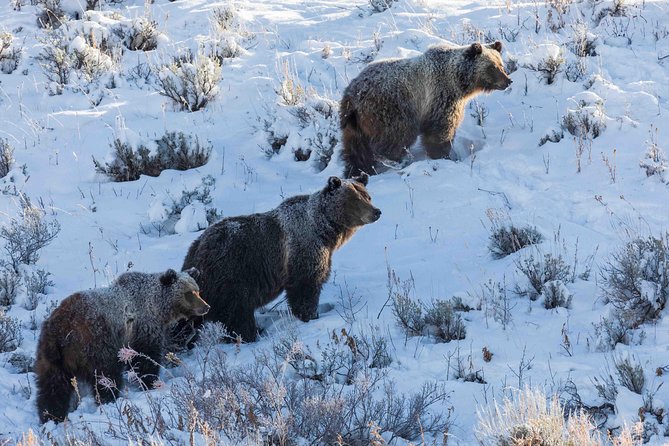
Each vehicle carries UHD binoculars and spotting scopes. That is a big advantage over showing up with only a phone camera. You can watch distant animals in detail, and the guide can help everyone take turns without making the group haul heavy equipment.
The vehicle also includes bottled water, snacks, hot and cold drinks, and a light breakfast on morning departures. The breakfast is modest. It is closer to a snack than a full meal, so I would eat beforehand, particularly if you are joining the sunrise departure.
The snack selection can include bars, muffins, fruit bars, trail mix, water, and juice. Coffee or another hot drink is especially welcome on cold mornings. You also get a clean vehicle and round-trip transport from your lodging, which adds value that is easy to miss when comparing the price with a self-drive outing.
Still, do not confuse refreshments with lunch. If you need a substantial meal, bring or eat one before the tour.
What $170 buys you
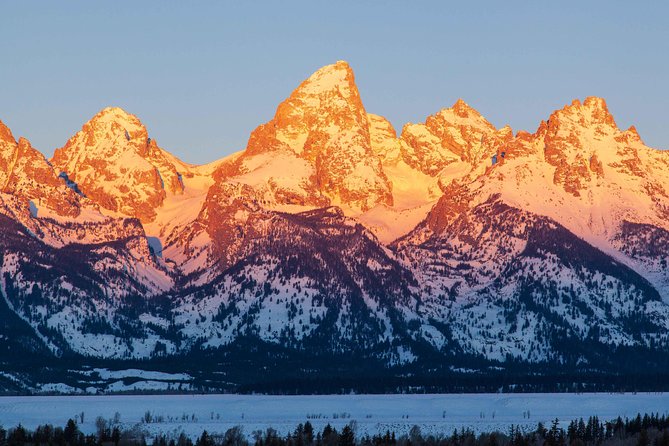
The price is $170 per person, with the $20 park entrance fee extra. For two people, that brings the listed cost to $380 before anything else, which explains why some visitors may consider it expensive for a four-hour vehicle outing.
The value depends on how you would otherwise experience Jackson Hole. If you are comfortable driving, researching animal locations, carrying optics, interpreting road closures, and finding safe places to stop, you can spend less on a self-guided day. You also keep full control of the schedule.
The safari earns its price through convenience and expertise. You get lodging pickup, a small group, an experienced naturalist guide, high-quality viewing equipment, drinks, snacks, and a route that changes with conditions. You also avoid spending half the morning guessing which road to take.
I would consider it good value for a first visit, a short stay, or anyone who cares more about seeing and understanding wildlife than driving independently. It is harder to justify if you mainly want a scenic ride or if your budget is tight.
Sunrise or sunset departure?
Choose the sunrise outing if wildlife is your top goal and you do not mind getting up early. The morning schedule starts around 7:00 to 7:30 a.m., depending on where you stay.
Choose the afternoon outing if you prefer a slower start or want to combine the safari with other plans. Sunset departures usually begin around 1:00 to 1:30 p.m., with March and April times about an hour later.
Neither option guarantees better sightings. The route is shaped by current conditions, not just the clock. Your choice should come down to your energy level, other plans, and tolerance for cold.
Who should book this safari?
I would recommend it to first-time visitors who want an efficient introduction to Jackson Hole wildlife, couples who prefer a small group, and families with children aged eight or older. It also suits photographers who want help locating animals and using spotting scopes.
The minimum age is eight for the shared safari. Private safaris have no age minimum, according to the booking details.
This is not the best fit if you need a full meal, want a guaranteed list of species, or expect to cover every part of Grand Teton National Park. It is also not ideal for someone who dislikes sitting in a vehicle for several hours, though the outings can include chances to get out for photographs and short stops.
Most people can participate, but you should be ready for outdoor conditions, changing temperatures, and basic facilities at some wildlife areas.
Booking, cancellation, and practical timing
The tour is offered in English and uses mobile tickets. It is often reserved well ahead of time, with bookings averaging about 37 days in advance, so early planning makes sense during busy periods.
Cancellation information supplied for this experience lists a full refund when you cancel at least 24 hours before the start time. The operator’s day-tour terms also refer to a 48-hour cancellation window for groups of 16 or fewer. Because those details differ, check the exact policy shown at checkout before paying.
Bad weather or failure to reach the minimum number of participants can lead to cancellation. In those cases, you are offered another date or experience, or a full refund.
Should you book the Grand Teton wildlife safari?
Book it if you want expert eyes, a small group, and simple door-to-door logistics. The guide can turn distant movement into a real sighting, and the flexible route makes better use of a four-hour window than a rigid sightseeing loop.
I would book the sunrise departure in winter if wildlife matters most, and I would bring extra food beyond the included light breakfast. If the $170 price feels high, compare it with the cost and effort of renting a car, buying optics, paying the park fee, and spending your own time learning the roads.
This is not a guaranteed animal parade. It is a well-equipped search through a remarkable corner of Wyoming, with the bonus of a guide who can explain what you are seeing. For many first visits to Jackson Hole, that is worth paying for.
FAQ
How long is the Grand Teton wildlife safari?
The safari lasts approximately four hours.
How many people can join the tour?
The shared tour has a maximum of eight people per vehicle.
Is hotel pickup included?
Yes. Pickup and drop-off are provided at hotels, condominiums, and private residences in Jackson and Teton Village.
What time does the tour depart?
Sunrise departures are approximately 7:00 a.m. from Teton Village, 7:15 a.m. from the Aspens, Amangani, and Spring Creek areas, and 7:30 a.m. from Jackson. Sunset departures are approximately 1:00 p.m., 1:15 p.m., and 1:30 p.m. respectively. March and April afternoon departures are about one hour later.
Is the Grand Teton entrance fee included?
No. The listed entrance fee is $20 per person.
What refreshments are included?
The tour includes bottled water, snacks, hot and cold drinks, and a light breakfast on morning departures.
Are binoculars provided?
Yes. UHD binoculars and spotting scopes are provided.
What animals might I see?
Possible sightings include moose, elk, bison, pronghorn, bighorn sheep, foxes, coyotes, deer, bald eagles, hawks, and other birds. Sightings are not guaranteed.
Can children join the safari?
The minimum age for the shared wildlife safari is eight years old. Private safaris have no minimum age.
Newest safaris around the USA
- 3 Hour See Crystal River Wildlife Safari Boat Cruise★ 4.5 · 25 reviews
- Northern Yellowstone Safari from Cody, WY★ 4.5 · 24 reviews
- Red Canyon Wild Mustang Tours And Safaris In Cody Wyoming★ 5.0 · 27 reviews
- Wetlands Safari Eco-Cruise in Cape May (Osprey Birding By Boat)★ 5.0 · 113 reviews
- Yellowstone Wildlife Safari from Bozeman – Private Tour★ 5.0 · 140 reviews
- Yellowstone Winter Wildlife Safari from Bozeman★ 5.0 · 42 reviews
- Yellowstone Snowshoe Safari from Bozeman – Private Tour★ 5.0 · 18 reviews
- Yellowstone Wildlife Safari in Lamar Valley from Bozeman★ 5.0 · 35 reviews
Big Five & Wildlife Safaris, side by side.
Sunrise Desert Jeep Safari with Wildlife Experience
Read our review →
Addo Elephant National Park All Inclusive Full-Day Safari
Read our review →
Udawalawe National Park: Elephant Safari with Expert Guide
Read our review →
Big Five Game Reserve Wildlife Safari from Cape Town
Read our review →
Big Five Safari and Breede River Valley Guided Day Trip
Read our review →
From Stockholm: Moose & Wildlife Safari with Campfire Dinner
Read our review →
Lists this safari turns up in