
Review · SUNSET & SUNRISE SAFARIS
Jackson: Grand Teton Sunrise Safari with Naturalist Guide
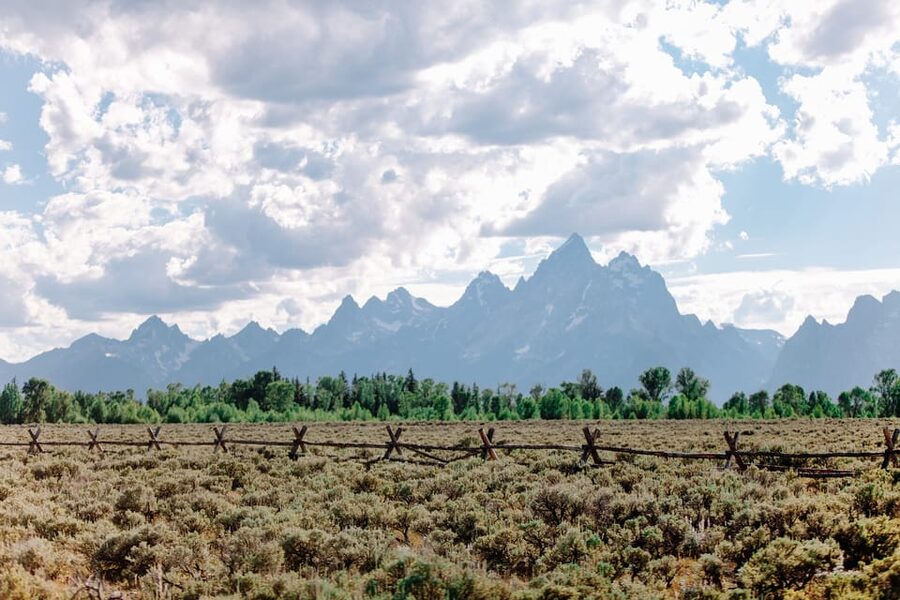
Grand Teton’s first light can turn a quiet wildlife drive into the best morning of your vacation. As the sun reaches the peaks, you may spot moose, elk, bison, bears, bald eagles, or wolves before the park grows busier. The tour runs four hours and includes hotel pickup in Jackson, so you can start the day without worrying about directions or parking.
I like the small group, limited to nine people, and the serious viewing gear. Guides such as Michelle, Michael, Alec, and Frank use spotting scopes well, and several have helped people take sharp animal photos through the scope with a phone. The main drawback is simple: wildlife is wild, and one morning may begin slowly. You also pay $170 per person, plus the park entrance fee and your own meals.
Key points at a glance
- Sunrise timing: Early light gives you strong mountain views and a good chance of seeing active wildlife.
- Small vehicle: Groups are limited to nine, with raised roofs and leather captain’s chairs for better viewing.
- Useful optics: Binoculars, spotting scopes, and field guides are supplied, with guides helping you locate animals.
- Strong guide service: Michelle, Michael, Alec, Frank, and other local guides are praised for animal knowledge, flexibility, and photo help.
- Easy Jackson pickup: Your guide meets you in your hotel lobby or outside your private residence in the Jackson area.
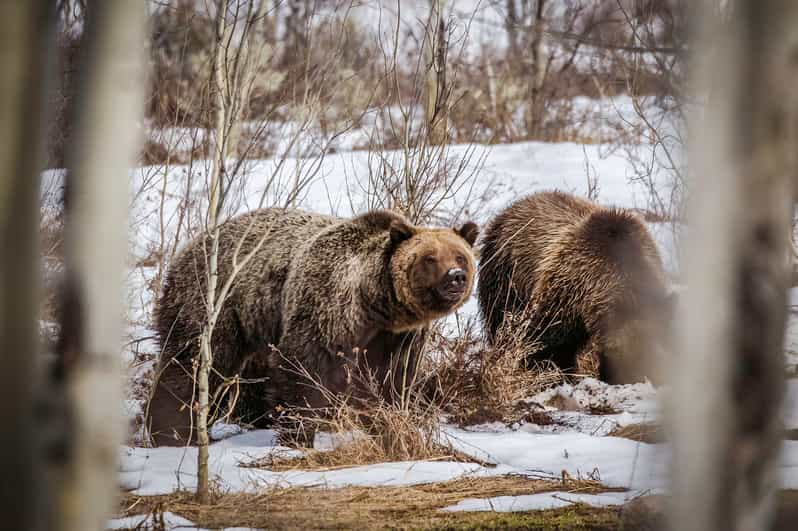
- Good wildlife range: Possible sightings include moose, elk, bison, bears, foxes, eagles, wolves, and bighorn sheep.
Why sunrise works so well in Grand Teton
This is not just a ride through pretty country. The early departure is the heart of the experience. Morning light gives the Teton Range a soft, changing look, while valleys, lakes, and mountain streams begin to brighten around you.
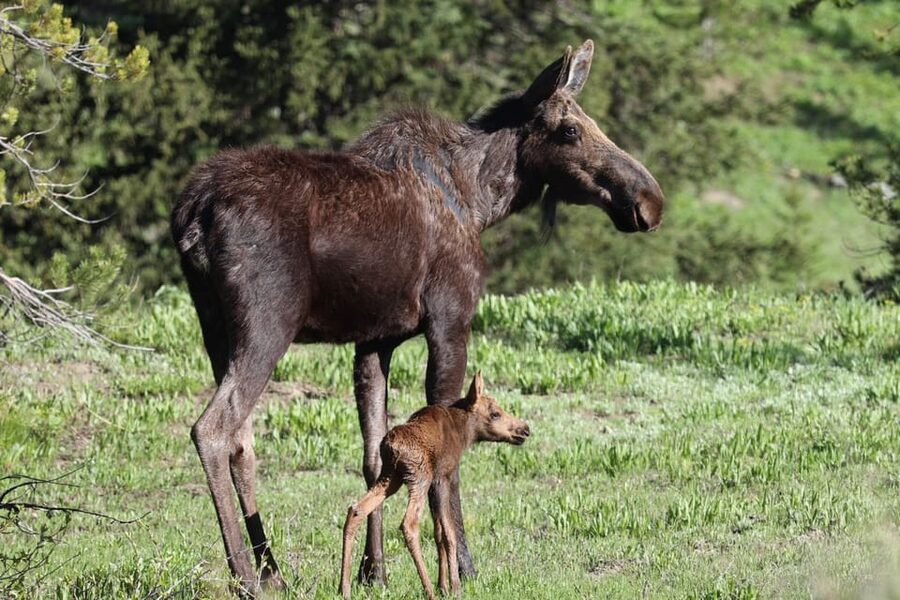
Wildlife activity can also be better early in the day. You may see elk or bison in open areas, moose near water, or eagles perched where they are easy to scan with a scope. Bears and wolves are possible, but no guide can promise a sighting. That honest uncertainty is part of a real safari, and it is why the guide’s local tracking skill matters.
The first part of the morning may feel quiet. One group started slowly before finding much more wildlife later, so do not judge the tour in its opening minutes. Keep your eyes open, listen to the guide, and give the morning time to unfold.
More Sunset Safaris in the USA
- 3 Hour Off-Road Sunset Safari to Grand Canyon with Entrance Gate Detour
★ 5.0 · 904 reviews - 2-Hour Sunset Safari Eco Cruise on the Osprey from Cape May
★ 5.0 · 215 reviews - Grand Canyon: Off-Road Sunset Safari with Skip-the-Gate Tour
★ 4.6 · 171 reviews
Leaving Jackson in a small, comfortable vehicle
Pickup is included from your Jackson-area hotel or private residence. You meet the guide in the lobby or outside, then settle into a high-end vehicle with leather captain’s chairs and a raised roof.
That setup matters. Wildlife viewing often means scanning for a small shape far across a valley. A raised roof gives you a better angle, while individual captain’s chairs make a four-hour ride less cramped. The small group limit of nine also means you are not packed into a large coach.
The vehicle is enclosed, so the tour runs in rain or shine. You should still bring comfortable shoes, sunglasses, and clothing suited to the weather. Sunrise in the Tetons can feel very different from a warm afternoon in Jackson, and you will be stepping outside at several stops.
One practical note: your guide may know where animals were recently seen, but the route can change. Wildlife moves, weather shifts, and road conditions affect the morning. Flexibility is useful here.
Mountain views at first light
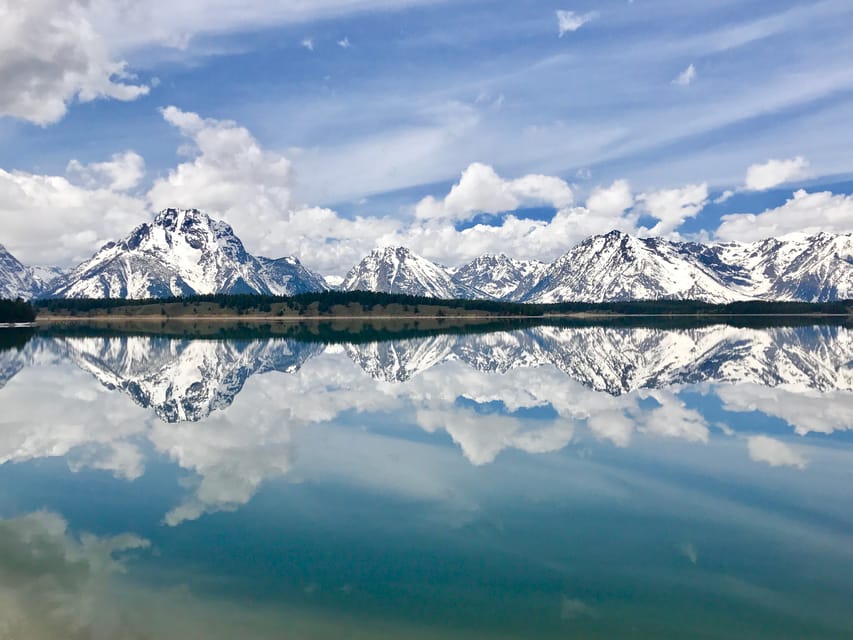
As the sun rises, the Teton Range becomes the visual anchor of the trip. The tour includes stops for broad views of mountains, lakes, valleys, and streams, with time to get out and stretch your legs.
These pauses keep the experience from becoming a four-hour search through vehicle windows. You can take photos, breathe in the quiet, and learn how the area’s geology shaped its sharp peaks and broad valley floor. The guide also explains local history, wildlife habitats, and the natural features you are seeing.
Do not expect every stop to produce an animal. Some of the best moments may be a clear view of the peaks reflected in water or a quiet stream below the mountains. The tour works best when you value the setting as much as the sightings.
How the wildlife search unfolds
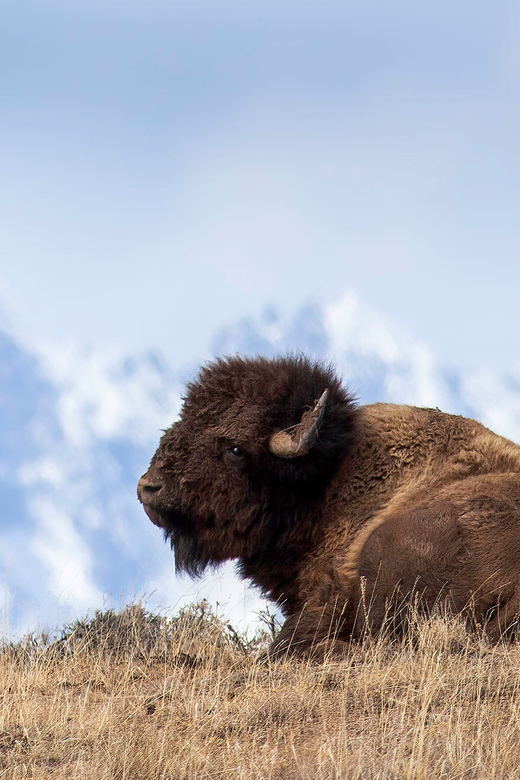
The guide will scan open ground, tree lines, water, and distant hills. When an animal is found, the spotting scope becomes the key piece of equipment. Your guide sets it up and points it at the animal first, making it much easier for you to find the same spot with binoculars.
Provided binoculars are useful for quick viewing, but the scope gives you a much closer look. You might see the shape of a moose’s ears, the movement of a bison herd, or an eagle’s head far beyond comfortable phone-camera range.
Several guides also use a technique called digiscoping. This means holding a phone to the spotting scope so you can make your own close-up photos and videos. It is a valuable extra for people who want a keepsake but do not carry a long telephoto lens. The scope can make a phone photo look far better than a standard wide view from the roadside.
Possible sightings include:
- Moose
- Elk
- Bison
- Black bears
- Bald eagles
- Golden eagles
- Foxes
- Bighorn sheep
- Wolves
The range is impressive, but the exact mix depends on the morning. One outing included moose, elk, bison, a bald eagle, and a black bear. Another included bighorn sheep, a golden eagle, a bald eagle, a fox, moose, and elk. A golden eagle is considered an uncommon find by the guide, but you should treat any such sighting as luck rather than a promise.
Same region, a very different drive:
- Miami: Everglades Safari Park Airboat Tour
★ 4.4 · 1,267 reviews - Grand Teton Wildlife Safari in a Enclosed or Open-Air Vehicle (season dependent)
★ 5.0 · 1,212 reviews - Everglades Airboat Safari Adventure with Transportation
★ 3.0 · 956 reviews - Off the Beaten Path Ketchikan Photo Safari – 3 hr.
★ 5.0 · 901 reviews
Why the guide makes the difference
The best part of this experience is not simply having a vehicle in the park. It is having someone who can turn a distant animal into a clear, informed sighting.
Guides named in the experience include Michelle, Michael, Alec, Frank, and Chris. Their styles may differ, but the qualities you want are consistent: strong knowledge of animal habitat, good communication, patience with photographers, and a willingness to spend time at a worthwhile sighting.
Alec was praised for communicating clearly about pickup, finding the animals people hoped to see, and setting up the scope before asking the group to search. Michelle is described as enthusiastic and helpful with photos. Michael is noted for explaining animals, habitats, geology, and the best viewing spots. Frank allowed extra time for photographs of each species.
That flexibility is important. If you have finally found a moose in good light, you do not want to be rushed after thirty seconds. At the same time, the guide must balance the interests of up to nine people. Tell your guide early if photography matters most to you.
A guide can also add value after the tour. One guest used places pointed out by Chris later in the trip. If you plan to explore Grand Teton on your own, pay attention to scenic pullouts and areas the guide identifies.
The photo advantage for phone users
You do not need a professional camera to get something special from this trip. Binoculars let you watch, and the spotting scope brings distant animals close. With a steady phone and a little patience, you may be able to photograph the view through the scope.
This is called digiscoping, and it has limits. Your phone may need careful positioning, the animal may move, and the image will not always be perfect. Still, it gives you a chance to take a close-up souvenir without renting a large camera lens.
Photographers should tell the guide what they want. The guides have made an effort to offer better angles and spend enough time at wildlife stops. If you are more interested in views than animal portraits, say so. The trip includes both.
What is included, and what costs extra
The price is $170 per person. That is not a cheap morning drive, but the value becomes clearer when you add up the working parts: hotel pickup and drop-off, a four-hour outing, a small group, a naturalist guide, a comfortable vehicle, binoculars, a spotting scope, field guides, bottled water, and locally made snack bars.
You still need to pay the national park entrance fee, which can be purchased at the park entrance. Meals are not included, so eat before pickup if an early start leaves you hungry. The supplied snack bars are useful, but they are not a full breakfast.
I would consider the price fair for visitors who want expert help finding wildlife and do not own binoculars or a spotting scope. It is less compelling for someone who already knows the park well, has the right optics, and enjoys searching independently.
The high rating of 4.8 from 49 reviews, with 88 percent giving the transport a perfect score, supports the idea that the vehicle and guide service are important parts of the value. Still, the fee does not buy guaranteed animals. It buys access, equipment, local skill, and a better chance of seeing what you might miss alone.
Who will enjoy this morning most

This tour suits first-time visitors who want an efficient introduction to Grand Teton. In four hours, you get wildlife, mountain scenery, park background, and practical orientation for the rest of your stay.
It is also a strong choice for photographers, especially those using phones or small cameras. The guide can help locate animals and set the scope so you can work on photos without carrying heavy equipment.
Families and mixed-interest groups may like the format. One person can watch bison, another can photograph the peaks, and someone else can ask about geology or park history. The vehicle keeps the group together, and the stops provide breaks from sitting.
You should think twice if you dislike early mornings, need a guaranteed animal sighting, or prefer a private schedule. A small group is more personal than a large bus, but it is still a shared experience. Your time at a stop may need to suit the whole group.
Timing, weather, and what to bring

The exact starting time depends on availability and the season. Check the schedule when booking because sunrise changes throughout the year.
The tour operates rain or shine, with the enclosed vehicle providing shelter. Bring comfortable shoes because you will get out at several stops, along with sunglasses and weather-appropriate clothing. Dress for standing outside while watching through a scope, not only for the temperature in Jackson.
A small amount of preparation helps. Keep your phone charged if you hope to use the scope for photos. Bring patience, too. The guide may spend time scanning before finding an animal, and the quiet stretches are part of the search.
Free cancellation is available up to 24 hours before the tour for a full refund. You can also reserve now and pay later, which is useful when your Jackson plans are still shifting.
A four-hour start to your park visit
The tour does not try to cover every corner of Grand Teton. Instead, it gives you a focused morning with a naturalist guide, good viewing equipment, and several chances to step outside.
That focus is a strength. You avoid spending your first park morning guessing where to stop, how to identify an animal, or how to find a distant shape with binoculars. You also get an introduction to the area’s geology and history before exploring on your own.
I would book it early in a Jackson stay. That way, you can use the guide’s suggestions for later drives and return to places that caught your eye. If your main goal is wildlife, sunrise gives you a sensible first chance. If the morning is slow, you still have the rest of the day to explore independently.
Should you book the Grand Teton sunrise safari?
Book this tour if you want expert wildlife spotting without buying your own gear, or if you have only a short time in Jackson and want a well-organized introduction to the park. The small group, comfortable vehicle, spotting scope, and helpful guides make the $170 price easier to justify.
I would be especially keen to book with photography in mind. The digiscoping help can turn a distant sighting into a phone photo worth keeping, and guides such as Alec, Michelle, Michael, and Frank have shown real care with photo stops.
Skip it if you expect a guaranteed bear, moose, or wolf, or if you already have strong knowledge of Grand Teton and prefer to explore alone. For everyone else, this is a practical, wildlife-focused way to see the Tetons wake up.
FAQ
How long is the Grand Teton sunrise safari?
The tour lasts four hours.
How much does the tour cost?
The listed price is $170 per person.
Where does pickup take place?
Pickup and drop-off are included from hotels in the Jackson area or outside a private residence. You meet the guide in the hotel lobby or outside the residence.
How many people are in the group?
The group is limited to nine participants.
What animals might I see?
Possible sightings include moose, elk, bison, bears, bald eagles, wolves, foxes, bighorn sheep, and golden eagles.
Are binoculars provided?
Yes. Binoculars, a spotting scope, and field guides are included.
Can I take photos through the spotting scope?
Yes. Guides may help you use a phone with the spotting scope, a technique called digiscoping.
Is the national park entrance fee included?
No. The national park entrance fee is not included and can be purchased at the park entrance.
Does the tour run in bad weather?
Yes. The tour operates rain or shine. Enclosed vehicles with leather captain’s chairs and raised roofs provide shelter and viewing comfort.
What should I bring?
Bring comfortable shoes, sunglasses, and weather-appropriate clothing. Meals are not included, though locally made snack bars and bottled water are provided.
More Morning Departures in the USA
- Grand Canyon: Morning Off-Road Safari with Skip the Gate
★ 4.7 · 51 reviews - Dubai Morning Desert Safari with Quad Biking & More Activities
★ 5.0 · 2,736 reviews - Dubai: Sunrise Desert Jeep Safari with Wildlife Experience
★ 4.7 · 1,782 reviews - Private Morning Desert Safari Dubai with Dune Bashing & Sandboard
★ 5.0 · 1,488 reviews
Newest safaris around the USA
- 3 Hour See Crystal River Wildlife Safari Boat Cruise★ 4.5 · 25 reviews
- Northern Yellowstone Safari from Cody, WY★ 4.5 · 24 reviews
- Red Canyon Wild Mustang Tours And Safaris In Cody Wyoming★ 5.0 · 27 reviews
- Wetlands Safari Eco-Cruise in Cape May (Osprey Birding By Boat)★ 5.0 · 113 reviews
- Yellowstone Wildlife Safari from Bozeman – Private Tour★ 5.0 · 140 reviews
- Yellowstone Winter Wildlife Safari from Bozeman★ 5.0 · 42 reviews
- Yellowstone Snowshoe Safari from Bozeman – Private Tour★ 5.0 · 18 reviews
- Yellowstone Wildlife Safari in Lamar Valley from Bozeman★ 5.0 · 35 reviews
Sunset & Sunrise Safaris, side by side.
Teide National Park Sunset & Stargazing with Dinner (Star Safari)
Read our review →
Teide National Park: Sunset & Stargazing Safari with Dinner
Read our review →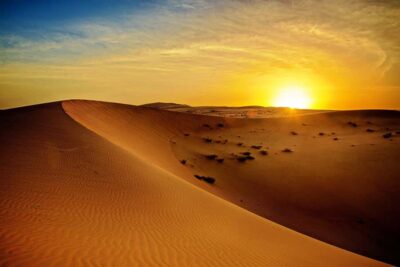
Sunrise Desert Jeep Safari with Wildlife Experience
Read our review →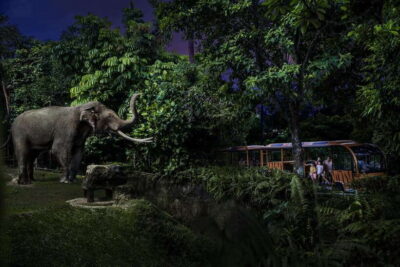
Singapore: Night Safari Entry Ticket with Tram Ride
Read our review →
3 Hour Off-Road Sunset Safari to Grand Canyon with Entrance Gate Detour
Read our review →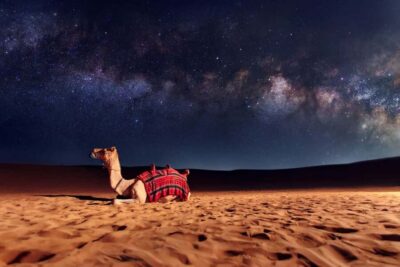
Sunset Desert Safari, ATV, Camel Ride and Sandboarding
Read our review →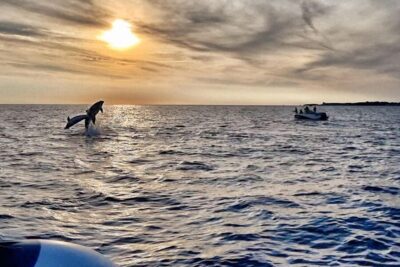
Fazana: dolphin safari and sightseeing in Brijuni at sunset
Read our review →
Sunset Desert Safari Quad bike Camel ride Sand Board & BBQ Dinner
Read our review →Lists this safari turns up in