Review · NATIONAL PARK SAFARIS
3Days luxury safari to Tarangire Ngorongoro crater and Manyara
Tarangire’s giant elephant herds, Ngorongoro’s crowded wildlife-filled caldera, and Lake Manyara’s birdlife make this a fast, high-value introduction to northern Tanzania. In three days, you see three very different settings rather than spending the whole trip in one park.
I like the private format, since only your group rides together, and I like the open-roof Land Cruiser, which gives you better photo angles and a clear view above the vehicle. The main thing to check before paying is the accommodation: the description promises lodge stays, while the inclusions also mention camping equipment.
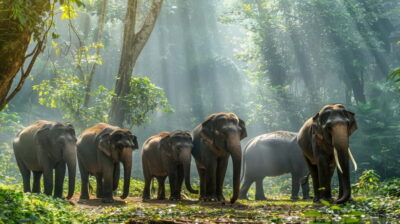
- Tarangire gives you the strongest elephant focus, with tree savanna, seasonal marshes, and the possibility of seeing lions, giraffes, buffaloes, zebras, and antelopes.
- Ngorongoro Crater is the wildlife centerpiece, with black rhino, lions, gazelles, buffaloes, hyenas, and more than 500 recorded bird species in the wider area.
- Lake Manyara changes the pace, adding flamingos, forest, alkaline lake scenery, and a chance to look for tree-climbing lions.
- The 4WD Land Cruiser has a photographic roof hatch, useful for standing views and wider camera angles.
- The tour is private, so your group does not share the vehicle with other participants.
- Meals and park fees are included, but tips, visas, insurance, laundry, and personal costs are not.
Three parks, three different safari settings
This route works because each park offers something different. Tarangire is known for elephants and broad tree-covered plains. Ngorongoro compresses a remarkable amount of wildlife into an old volcanic caldera. Lake Manyara brings birds, forest, and a shallow alkaline lake into the mix.
At $1,500 per person, this is not a budget outing. Still, the price includes a private 4WD vehicle, wildlife reserve fees, breakfast, lunch, dinner, camping equipment, and pickup from Arusha. That package can offer solid value if you want a short, organized safari without arranging each transfer and park entry yourself.
The price makes less sense if you are expecting a polished, high-end lodge trip at every stop. The wording combines luxury safari, lodge accommodation, and camping equipment. Ask for the names and class of the accommodations before booking. That one question will tell you much more about the real value than the word luxury.
Day one: elephants and open country in Tarangire
Your driver picks you up in Arusha in the morning and heads toward Tarangire National Park. The journey begins the safari properly, with the city giving way to open country and the park’s tall trees and seasonal wetlands.
Tarangire is the right first stop for a short itinerary. It offers a good chance to see large elephant groups, and the park is also home to giraffes, buffaloes, lions, zebras, wildebeest, antelopes, and gazelles. The scenery is broad and dry in places, with tree savanna giving the animals cover and the marsh areas drawing wildlife when water is scarce elsewhere.
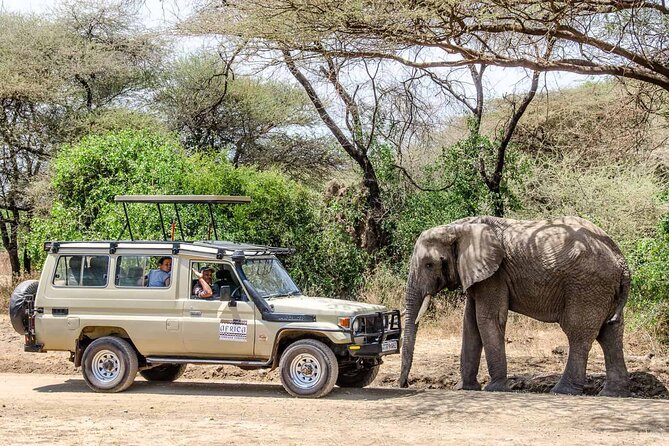
The vehicle is a 4WD Land Cruiser with an open photographic roof hatch. That matters. You can stand for a better view, photograph over the heads of people seated in front of you, and watch animals without looking through a side window. Ask your guide to leave enough time at sightings. The strongest safari moments are often quiet ones, such as elephants feeding or a giraffe moving between trees, not simply checking an animal off a list.
Lunch is planned at a picnic site, followed by more game viewing in the afternoon. The schedule allows you to remain inside the park instead of racing out early for a distant overnight stop. That is a practical advantage, especially in a three-day trip.
The first day may also be the most tiring. You are picked up in the morning, spend much of the day on the road and in the vehicle, and then continue to the accommodation. If you prefer slow mornings or long time at one animal sighting, a longer safari would suit you better.
More National Park Safaris in Arusha
- 3 Day Serengeti National Park & Ngorongoro Crater Camping Safari
★ 5.0 · 142 reviews - 5 Days Tanzania Group Joining Safari, Tarangire/Serengeti/Ngorongoro Crater
★ 5.0 · 85 reviews - 5 day safari Tarangire Serengeti and Ngorongoro crater
★ 5.0 · 83 reviews
Overnight arrangements: confirm lodge or camp details
The trip description says you sleep inside the park and refers to lodge accommodation. The included items also list camping equipment. These details do not fully match, so I would ask for a written accommodation plan before booking.
Find out:
- The name of the accommodation on each night
- Whether it is a lodge, tented camp, or campsite
- Whether a private room or tent is included
- How many people share the vehicle
- Whether dinner is provided at the accommodation or prepared separately
This is not a minor detail. Accommodation shapes the comfort of a short safari, particularly after a full day on rough park roads. It also helps you judge whether $1,500 per person fits what you want.
The food plan includes three breakfasts and three lunches, plus dinner. The details do not explain every dinner arrangement, so confirm that as well. One past family group had food allergies and received help with meal planning, which suggests it is wise to raise dietary needs early rather than at pickup.
Day two: descending into Ngorongoro Crater
After breakfast, you head toward the Ngorongoro Conservation Area. At the gate, your guide explains the area and gives you time for photographs. The route then rises to a viewpoint before descending into the crater.
That viewpoint is one of the trip’s best pauses. From above, you can see the enormous bowl of the caldera and understand its scale before the vehicle reaches the crater floor. Bring your camera, but also take a moment to look without it. The view is easier to appreciate when you are not trying to frame every inch.
Inside the crater, the scenery changes again. Grassland, woodland on the slopes, and wet areas support a dense mix of animals. You may see black rhino, Grant’s and Thomson’s gazelles, lions, leopards, elephants, buffaloes, spotted hyenas, and mountain reedbucks. The wider conservation area also records more than 500 bird species.
The black rhino is an important possibility, but it should not be treated as a guarantee. Wildlife is free to move, and sightings depend on the day, season, and your guide’s ability to locate animals. The same is true of leopards and wild dogs. The tour is strong because the crater offers a good range of wildlife in a compact area, not because every listed animal will appear.
You stop for a picnic lunch during the game drive, then leave the caldera in the afternoon and return to your accommodation. This is a full day with a lot packed into it. Ngorongoro is likely to be the highlight for people who want the best chance of seeing several large species in one place, but the road time and early start require energy.
The crater can also feel busy around well-known sightings. A private tour gives your own group control over the vehicle, but it does not mean you will have the crater to yourself. Ask your guide to balance famous animal sightings with quieter stops when possible.
Day three: birds, forest, and Lake Manyara
The third day focuses on Lake Manyara National Park. The route brings you to a park bordered by the Rift Valley escarpment on one side and the shallow alkaline lake on the other.
Manyara is best known for birdlife and the possibility of tree-climbing lions. Flamingos may gather at the lake during the rains, and the park’s habitats shift from open savanna to evergreen forest. You may also see giraffes, elephants, hippos, antelopes, and other animals during the game drive.
The park adds variety that the first two days do not. Tarangire is the elephant and savanna day. Ngorongoro is the concentrated wildlife day. Manyara is more about habitat changes, birds, water, and the chance to spot animals behaving differently in woodland.
Do not book this trip solely for tree-climbing lions. They are one of Manyara’s signature possibilities, not a promise. The same practical rule applies to flamingos, since their numbers change with water levels and rainfall.
The itinerary wording says you depart from Arusha for Manyara after breakfast, although the previous day places you near Ngorongoro. Ask the operator to confirm the exact overnight location and morning route. That clarification will help you understand how much time you really have inside Manyara before returning to Arusha.
The activity ends back at the meeting point in Arusha. Since the final day combines an early start, park driving, and a return journey, avoid scheduling an important flight or long onward transfer too tightly afterward unless the operator confirms the timing.
More National Park Safaris in Tanzania
- 3 Days Small Group Safari to Serengeti NP and Ngorongoro Crater Tour in Tanzania
★ 5.0 · 77 reviews - 5 Day Silver Serengeti & Ngorongoro Crater & Tarangire Safari
★ 5.0 · 46 reviews - 6 days 5 nights safari Ngorongoro, Serengeti and Tarangire National Parks
★ 5.0 · 39 reviews - 4 Days lodge safari Tarangire , Ngorongoro crater & Walking
★ 5.0 · 39 reviews
Guides make the difference on a short safari
A three-day safari leaves little spare time, so the guide matters greatly. A good guide does more than point at animals. You want someone who can explain behavior, read the road, allow time for photographs, and tell you when it is worth waiting.
The safari team has included guides named Ombeni, Lucas, Lunje, and Proches on previous trips, with David and Jackson also involved in organizing some departures. You should not assume that one of these people will lead your group. Ask who is assigned to you and how much guiding experience they have in Tarangire, Ngorongoro, and Manyara.
Past arrangements also included a cook named Dennis for a family group. That does not mean a cook is part of every version of this three-day tour, so confirm who prepares meals if that is important to you.
The most useful guide request is simple: give us time when an animal is behaving well, and help us find good photographic angles. The open roof hatch helps, but patient guiding makes the difference between a quick sighting and a memorable one.
What the private format means for you
This is a private activity, so only your group participates. That gives you more flexibility than a shared safari. You can discuss photo stops, ask questions freely, and avoid being matched with strangers who have different expectations.
Private does not mean every request can be granted. Park rules, road conditions, animal movement, and official opening times still shape the day. The vehicle also has practical limits, especially if your group is large. Ask how many people will be in your Land Cruiser before booking.
The format suits couples, families, and small groups who want to stay together. It is also useful for photographers, since the roof hatch and control over the vehicle can make it easier to wait at a promising sighting.
What is included, and what costs extra
The package includes:
- Pickup from the Arusha meeting point
- 4WD Land Cruiser transport
- Photographic roof hatch
- Wildlife reserve fees
- Camping equipment
- Breakfast for three days
- Lunch for three days
- Dinner
You pay separately for travel insurance, visa fees, laundry, tips for the driver, and personal items. Tips are not included, so plan for that cost if your guide and driver provide good service.
At $1,500 per person, the tour offers convenience as much as wildlife. You are paying for the vehicle, park access, route planning, meals, and a private arrangement over three days. Compare the total package, not only the headline price.
I would ask for a full written quote covering accommodation, airport pickup if needed, dietary requests, and the exact number of people in the vehicle. Airport pickup is not clearly included in the main package, although previous arrangements involved airport transfers. Get that detail confirmed.
Who should book this three-day route
I would choose this safari if you have limited time in Arusha and want to see three major northern Tanzania parks in one organized trip. It suits first-time safari visitors who want elephants, big cats, rhino possibilities, birds, and varied scenery without planning several separate bookings.
Families may appreciate the private vehicle and the operator’s experience handling food allergies. Couples and small groups will benefit from sharing the vehicle only with their own party. The tour is also a good fit if you value a guide who can help with photography.
I would hesitate if you want a slow safari with long mornings, several nights in one lodge, or a strong guarantee of a particular animal. Three parks in three days means early starts, road time, and a packed schedule. For a more relaxed pace, add at least one extra night.
Booking confirmation is provided at the time of purchase, and cancellation is free up to 24 hours before the start time for a full refund. Changes or cancellations inside that 24-hour window are not accepted for a refund.
Should you book Dancing Simba Safaris?
Book it if your priority is maximum variety in a short window: elephants at Tarangire, a concentrated wildlife day in Ngorongoro, and birds and forest at Manyara. The private vehicle, photographic roof hatch, included park fees, and meals make the package easier to manage than arranging the route yourself.
Before booking, confirm the accommodation type, final-day route, group size, dinner arrangements, and assigned guide. If those details match your expectations, this is a practical three-day introduction to Tanzania’s northern safari circuit. If comfort and slow pacing matter more than covering three parks, choose a longer itinerary instead.
FAQ
Where does the safari start and end?
The safari starts in Arusha, Tanzania, with pickup offered from the meeting point. It ends back at the same meeting point.
How long is the safari?
The experience lasts approximately three days.
Is this a private tour?
Yes. Only your group participates in the activity.
Which national parks are included?
The route includes Tarangire National Park, Ngorongoro Conservation Area and Crater, and Lake Manyara National Park.
What animals might I see?
Possible sightings include elephants, lions, leopards, buffaloes, black rhinos, giraffes, zebras, wildebeest, gazelles, antelopes, hippos, flamingos, hyenas, and cheetahs. Sightings are not guaranteed.
Is transport included?
Yes. Transport is provided in a 4WD Land Cruiser with a photographic roof hatch.
What is not included?
Travel insurance, visa fees, laundry, tips for the driver, and personal items are not included. Confirm the accommodation details before booking, since the description refers to both lodge accommodation and camping equipment.
More three-day safaris in Arusha
- 3 Days Serengeti & Ngorongoro Group Camping Safari
★ 5.0 · 574 reviews - 3-Day Classic Serengeti Safari
★ 5.0 · 263 reviews - 3 Days Tarangire, Ngorongoro & Lake Manyara Group Camping Safari
★ 5.0 · 102 reviews - 3 Days Private Safari – manyara, Ngorongoro & Tarangire
★ 5.0 · 94 reviews
Newest safaris around Arusha
- 7 days great migration safari★ 5.0 · 77 reviews
- 4 days safari★ 5.0 · 34 reviews
- 6 days Tanzania budget safari★ 5.0 · 65 reviews
- Amazing 4 Days Tanzania Budget Camping Group Joining Safari★ 5.0 · 15 reviews
- 5 days safari, hiking & culture (Serengeti & kilimanjaro)★ 5.0 · 27 reviews
- Best 5 Days Tanzania Private Luxury Safari with luxury Lodges★ 5.0 · 12 reviews
- Serengeti & Ngorongoro fly in safari★ 5.0 · 76 reviews
- 5-Day Mid-Range Safari in Tanzania★ 5.0 · 33 reviews
National Park Safaris, side by side.
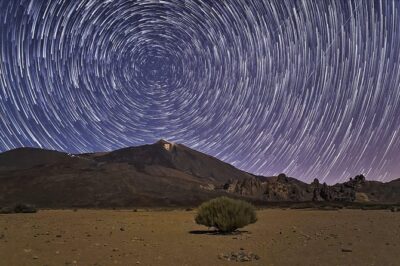
Teide National Park Sunset & Stargazing with Dinner (Star Safari)
Read our review →
Teide National Park: Sunset & Stargazing Safari with Dinner
Read our review →Udawalawe National Park | Private Safari Tour
Read our review →
East Coast National Park: Half-Day Caves Jeep Safari
Read our review →
Addo Elephant National Park All Inclusive Full-Day Safari
Read our review →