Review · NATIONAL PARK SAFARIS
4 Days Private Safari – Tarangire, Serengeti & Ngorongoro Crater
The best part of this four-day northern Tanzania safari is the variety. Tarangire gives you giant elephant herds and baobab trees, Serengeti opens into huge grassy plains, and Ngorongoro Crater packs an astonishing number of animals into one enclosed setting. You get three famous wildlife areas without committing to a week-long expedition.
I like the way meals, park fees, tents, and camping equipment are included, keeping the price at $1,500 per person easier to understand. I also like the human side of the operation: guides such as Joseph, Pendael, Erasto, Bakari, and Miraji are repeatedly praised for safe driving, animal spotting, and clear explanations. The main caution is that camping and long, rough road transfers demand patience, and one reported departure had serious vehicle and logistics problems.
Key points before you book

- Three major wildlife areas in four days: Tarangire, Serengeti, and Ngorongoro Crater each offer a different setting and animal experience.
- Elephants are a Tarangire specialty: The park is known for some of Africa’s largest elephant herds, along with baobabs and swamp country.
- Serengeti time centers on Seronera: The river supports a strong mix of wildlife, including predators and grazing animals.
- The crater is a concentrated final morning: A five-hour drive on the crater floor gives you a strong chance to see many species in a compact area.
- This is camping, not a lodge holiday: You sleep in waterproof two-person tents with mosquito nets, and meals are included.
- Check the operating details: The published information gives both an 8:30 AM hotel pickup and a 12:30 AM start time, so confirm the exact schedule before paying.
Three parks, three very different safari moods

This route works because it does not repeat the same scenery day after day. Tarangire has woodland, baobabs, and seasonal water. Serengeti is about distance and open plains. Ngorongoro feels almost enclosed, with a crater floor full of wildlife and steep walls rising around it.
You also get a useful mix of safari styles. Some sightings come from patient scanning along a river or swamp. Others appear on broad grassland where you can see animals far away. The crater brings you closer to a dense mix of wildlife, though the number of vehicles and visitors can affect the feeling of solitude.
The $1,500 price includes all fees and taxes, three breakfasts, four lunches, three dinners, camping equipment, and the safari itself. That makes the price more attractive than it first appears, especially since park fees in this part of Tanzania can form a substantial part of a safari budget. Tips are not included.
Still, this is not a cheap sightseeing drive. You spend long hours in a safari vehicle, often on rough roads, and the camping format keeps the cost below many lodge-based trips. If you want a comfortable bed and a slower pace each night, ask about a lodge upgrade. One person who changed from camping to a lodge paid extra and considered the additional comfort worthwhile.
More National Park Safaris in Arusha
- 3 Day Serengeti National Park & Ngorongoro Crater Camping Safari
★ 5.0 · 142 reviews - 5 Days Tanzania Group Joining Safari, Tarangire/Serengeti/Ngorongoro Crater
★ 5.0 · 85 reviews - 5 day safari Tarangire Serengeti and Ngorongoro crater
★ 5.0 · 83 reviews
Day 1: Tarangire’s elephants and baobab country
Pickup is described as taking place from your Arusha hotel at 8:30 AM, followed by the drive to Tarangire National Park. Another part of the booking information gives a 12:30 AM start time, which is plainly inconsistent. I would confirm the exact pickup hour in writing before departure.
Once inside Tarangire, you have a full day of game driving with a picnic lunch. The park’s character comes from its acacia woodland, giant African baobabs, and broad swamp areas in the south. During the dry season, the Tarangire River and swamps draw animals from a wide area.
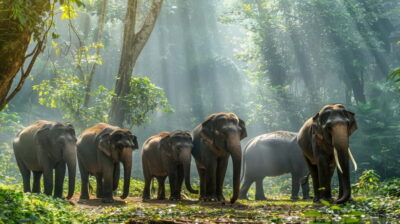
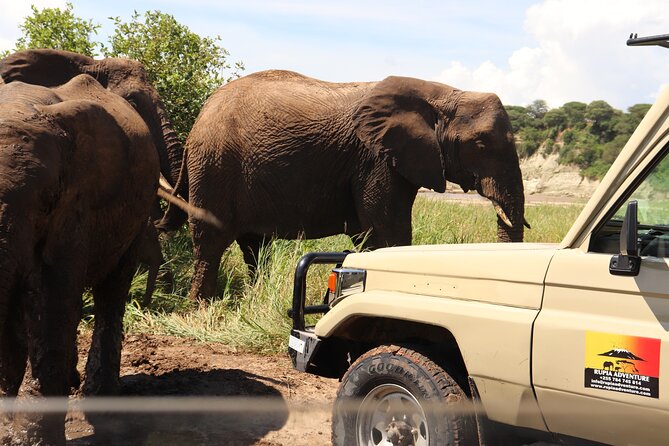
This is the day when elephants are most likely to define the experience. The park is known for large herds, and the combination of water, woodland, and open ground gives you good chances to watch elephants feeding, walking, or gathering near water. You may also find lions, buffalo, zebra, wildebeest, giraffes, and many bird species.
Tarangire has a useful extra layer for visitors who enjoy less common sightings. The park is home to the greater kudu, fringed-eared oryx, and ashy starling, three species specifically associated with the route. Seeing any one of them is not guaranteed, but your guide can help you know what to look for.
A picnic lunch keeps the day moving, but it also means you should be ready for a simple outdoor meal rather than a restaurant stop. Several people praised the cooking, especially meals prepared by David, but the safari remains a practical camping trip. Bring patience, water, sun protection, and clothes that can handle dust.
Day 2: Entering the Serengeti through the highlands
After breakfast, you travel through the high farmland around Karatu and across the Ngorongoro Conservation Area before reaching Serengeti National Park. This is a long transfer, but it is not dead time. The scenery changes from cultivated highland country to open plains, and you begin to understand how the northern circuit connects.
The route heads toward the central Serengeti and the Seronera area. Seronera is important because the Seronera River provides water, supporting wildlife through much of the year. That makes this a good area for finding a broad range of species in one afternoon.
You are scheduled to arrive around lunchtime, then continue with an afternoon game drive. This timing gives you an immediate chance to see wildlife, but it leaves less room for an extended drive across distant parts of the park. Four days is enough for a strong introduction, not enough to cover every corner of the Serengeti.
The central area can offer lions, cheetahs, hyenas, elephants, buffalo, hippos, wildebeest, zebra, ostriches, and possibly leopard. One safari group reported seeing ten lions, thirty hippos, four hyenas, thirty ostriches, and several other species during a four-day route. Those numbers are not a promise, but they show how productive the central parks can be.
Your guide matters especially here. Drivers including Joseph, Pendael, Bakari, Erasto, Miraji, and Mirage received strong praise for spotting animals, explaining birds and trees, and keeping the vehicle moving safely. The best guides do more than point at a lion. They help you understand why an animal is in a particular place and what to watch for next.
Day 3: A final Serengeti drive and Maasai-managed conservation land

Day three starts with an early breakfast and a final morning game drive in Serengeti. Early starts can be tiring, especially after camping, but they give you another chance to find active predators and grazing animals before leaving the park.
You then travel toward the Ngorongoro Conservation Area with a game drive along the way and a picnic lunch. The distinction between Ngorongoro and a national park matters. The conservation area is managed for wildlife and for local Maasai communities, whose cattle graze alongside indigenous animals.
That combination gives this part of the route a different feel from Serengeti and Tarangire. You are not only moving through a wildlife reserve. You are passing through a place where pastoral life and conservation share the same space. The experience is not presented as a separate village visit, so do not book this expecting a formal cultural tour. Its value is in seeing the relationship between people, livestock, and protected land as you travel.
The transfer can be one of the more demanding parts of the four days. You cover considerable ground, and roads may be rough. One person described the safari vehicle as stopping repeatedly and the logistics as poor, while many others described the vehicles and organization positively. That mixed picture makes it sensible to ask about the specific vehicle assigned to your departure, especially if you are traveling with camera gear or have limited tolerance for long, bumpy drives.
More National Park Safaris in Tanzania
- 3 Days Small Group Safari to Serengeti NP and Ngorongoro Crater Tour in Tanzania
★ 5.0 · 77 reviews - 5 Day Silver Serengeti & Ngorongoro Crater & Tarangire Safari
★ 5.0 · 46 reviews - 6 days 5 nights safari Ngorongoro, Serengeti and Tarangire National Parks
★ 5.0 · 39 reviews - 4 Days lodge safari Tarangire , Ngorongoro crater & Walking
★ 5.0 · 39 reviews
Day 4: Five hours inside Ngorongoro Crater

After breakfast, you descend into Ngorongoro Crater for about five hours of game driving. This is the route’s most concentrated wildlife day. The crater has a year-round water supply and grazing areas, which support an estimated 30,000 animals.
The crater floor can hold wildebeest, zebra, buffalo, eland, warthogs, hippos, and giant African elephants. It is also known for predators including lions, hyenas, jackals, cheetahs, and the hard-to-find leopard. The area is one of Tanzania’s best places to look for black rhino, though no wildlife sighting is guaranteed.
A picnic lunch is scheduled on the crater floor. Five hours is a useful amount of time, but the schedule is firm: after the drive, you leave for Arusha and return to your hotel in the late afternoon. If your flight leaves the same evening, I would not build a tight connection around the advertised return. The exact drive time can vary, and the route has already included several long road sections.
Ngorongoro is a strong finale because it gives you a final chance at the Big Five in a compact setting. It is also the busiest-feeling part of the route at times, since the crater is a major attraction and vehicles concentrate around good sightings. You trade some solitude for a high density of animals.
Camping, food, and the daily rhythm
The standard accommodation uses waterproof two-person tents with mosquito nets. Public campsites may be inside or outside the parks. This is basic camping, not a private tented camp with hotel-style facilities, so pack with comfort and organization in mind.
The included meals are a real part of the value. You receive breakfast on three mornings, lunch on all four days, and dinner on three nights. Several guides work with cooks, and David was singled out for fresh, good-tasting meals. Food quality can make a major difference after a dusty game drive, but the exact menu is not specified.
The daily pattern is simple: early breakfast, long vehicle drives, picnic or campsite meals, and evenings at camp. You should be comfortable with changing temperatures, dust, and limited personal space. Waterproof tents and mosquito nets are useful, but the supplied information does not specify whether sleeping bags, mattresses, or other personal bedding are included. Ask before departure.
The route can be arranged as a private activity, with only your group participating. At the same time, some departures have included additional people or used two safari vehicles. If privacy matters, confirm the maximum group size and whether another couple or group may join. That detail affects window access, comfort, and how easily you can ask the driver to pause.
Guides, vehicles, and what affects the experience

A safari guide is both your driver and your interpreter of the bush. Names associated with this operation include Pendael, Joseph, Erasto, Bakari, Miraji, Mirage, and Waldo. The strongest feedback centers on safe driving, accurate animal spotting, knowledge of flora and fauna, patience, and good humor.
That praise is important because the route involves thousands of kilometers of road and park tracks. A good driver can make a rough day feel manageable. A poorly maintained vehicle can do the opposite. One negative account described repeated breakdowns and weak logistics, so I would ask how recent the vehicle is, how many people it seats, and what happens if mechanical trouble occurs.
Communication before the safari has generally been described as responsive, with staff helping people adjust hotel choices and, in one case, arrange a last-minute booking. Payment arrangements may require attention. One booking had difficulty because of Tanzanian banking restrictions and was completed in cash. Confirm the accepted payment method, any deposit, and the final balance before you arrive.
Tips are not included. The amount is left to you, and it is best treated as a personal thank-you for driving, guiding, and cooking rather than as a hidden mandatory fee.
Who will get the most from this safari

I would choose this trip if you have four days, want the main northern circuit highlights, and accept that the schedule will be busy. It suits first-time safari visitors who want elephants, big cats, crater wildlife, and a realistic chance at the Big Five without paying lodge prices.
It also suits people who enjoy simple camping and do not need a polished hotel each night. The included food and equipment reduce the amount you must organize yourself, while the private-tour format can give your group more control if confirmed in advance.
I would think twice if you dislike rough roads, need dependable luxury, or want long periods in one park. Serengeti receives only part of the itinerary, and much of the trip is spent transferring between parks. A longer safari would give you more time to wait for elusive animals and recover between drives.
Families, older visitors, and anyone with mobility concerns should ask for practical details before booking. The information says most people can participate, but it does not give specific accessibility arrangements. The operator also requires good weather and a minimum number of participants for the experience to run.
Should you book this four-day route?
Book it if your priority is maximum wildlife variety in a short time and you are comfortable with camping, long drives, and a firm schedule. Tarangire’s elephants, Seronera’s productive river area, and Ngorongoro’s dense animal population make a strong four-day sequence.
Before paying, confirm four things: the actual pickup time, the precise camping arrangements, the group size, and the vehicle assigned to your safari. If those details suit you, the package offers solid value at $1,500 per person because meals, park fees, equipment, and guiding are built in. If comfort matters more than cost, ask about the lodge option instead.
FAQ
Where does the safari start?
The safari starts in Arusha, with pickup offered from your hotel.
How long is the safari?
The experience lasts approximately four days.
Which parks and conservation areas are included?
The route visits Tarangire National Park, Serengeti National Park, the Ngorongoro Conservation Area, and Ngorongoro Crater.
Is this a private safari?
It is described as a private tour or activity, with only your group participating. Confirm the group size before booking because some departures may involve additional people or more than one vehicle.
What time is pickup?
The itinerary gives an 8:30 AM hotel pickup, while the additional information lists a 12:30 AM start time. Confirm the correct local pickup time with Rupia Adventure.
What type of accommodation is provided?
The standard accommodation uses waterproof two-person tents with mosquito nets at public campsites inside or outside the parks.
Are meals included?
Yes. The package includes three breakfasts, four lunches, and three dinners.
Are park fees and taxes included?
Yes. All fees and taxes are included in the listed price.
Is the Big Five guaranteed?
No. The route offers chances to see lion, leopard, rhino, elephant, and African buffalo, but wildlife sightings cannot be guaranteed.
Are tips included?
No. Tips are not included in the price.
How much does the safari cost?
The listed price is $1,500 per person.
Can I cancel for a full refund?
You can receive a full refund if you cancel at least three full days before the local start time. Cancellations or changes made less than three full days in advance are not refunded or accepted. If poor weather or an insufficient number of participants cancels the trip, you are offered another date or experience, or a full refund.
More four-day safaris in Arusha
- 4 Days Group Camping Safari
★ 5.0 · 1,101 reviews - 4-Day Safari from Arusha: Tarangire, Serengeti and Ngorongoro
★ 5.0 · 173 reviews - 4 Days safari Tour Tanzania
★ 5.0 · 159 reviews - 4 Days Tarangire, Serengeti and Ngorongoro Mid-Range Group Safari
★ 5.0 · 84 reviews
Newest safaris around Arusha
- 7 days great migration safari★ 5.0 · 77 reviews
- 4 days safari★ 5.0 · 34 reviews
- 6 days Tanzania budget safari★ 5.0 · 65 reviews
- Amazing 4 Days Tanzania Budget Camping Group Joining Safari★ 5.0 · 15 reviews
- 5 days safari, hiking & culture (Serengeti & kilimanjaro)★ 5.0 · 27 reviews
- Best 5 Days Tanzania Private Luxury Safari with luxury Lodges★ 5.0 · 12 reviews
- Serengeti & Ngorongoro fly in safari★ 5.0 · 76 reviews
- 8 Days 7 Nights Tanzania Wildlife & Culture Lodge Safari★ 5.0 · 17 reviews
National Park Safaris, side by side.
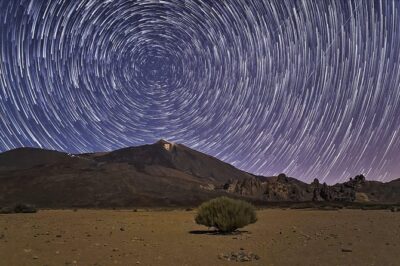
Teide National Park Sunset & Stargazing with Dinner (Star Safari)
Read our review →
Teide National Park: Sunset & Stargazing Safari with Dinner
Read our review →Udawalawe National Park | Private Safari Tour
Read our review →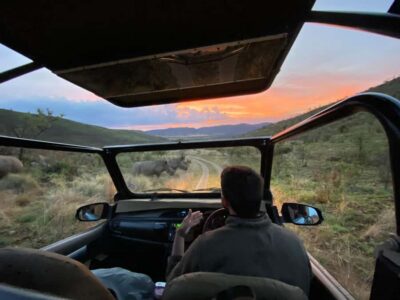
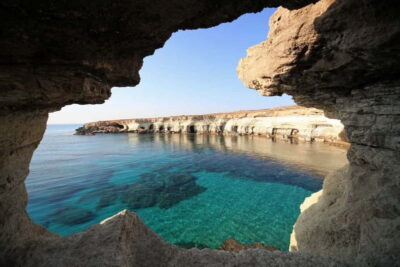
East Coast National Park: Half-Day Caves Jeep Safari
Read our review →
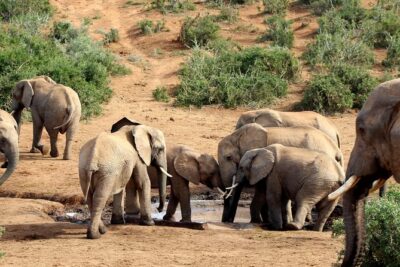
Addo Elephant National Park All Inclusive Full-Day Safari
Read our review →