Review · NATIONAL PARK SAFARIS
5-Day Ngorongoro Crater and Lake Manyara Safari from Arusha
The most exciting part of this five-day safari is the variety packed into one route: elephant country in Tarangire, open plains in the Serengeti, the wildlife-filled Ngorongoro Crater, and Lake Manyara’s forest and flamingo-lined water. You get four very different settings rather than five days in one park.
I like that the price includes the pieces that can quickly push a safari budget higher: park fees, transport, camping equipment, three meals a day, water, and airport transfers. I also like the human side of the trip. Guides such as Eli, Lewis, Freddy, and Amani are praised for their English, animal knowledge, patience, and effort to find wildlife.
The tradeoff is the pace. You will spend long hours in the vehicle, with some days lasting 10 to 12 hours. Camps are often outside park boundaries, and the exact mix of camping and lodge accommodation should be confirmed before you pay.
Key points at a glance
- Four major wildlife areas: Tarangire, Serengeti, Ngorongoro Crater, and Lake Manyara fit into five days.
- A strong budget value: The $1,150 price includes park fees, activities, transport, camping gear, accommodation, meals, water, and airport transfers.
- Long but productive days: Game drives begin early and can run until sunset, especially on the Serengeti and crater days.
- Camping with real safari atmosphere: Tented camps bring you closer to the setting, while some departures use lodges as well.
- Good guide feedback: Eli, Lewis, Freddy, and Amani are among the guides praised for clear English, animal knowledge, and friendly service.
- Easy start and finish: Pickup begins at Arusha Airport at 6am, with the return to Arusha planned for roughly 5pm to 6pm on day five.
Four parks in five days from Arusha
This is a route for you if variety matters more than a slow, luxurious pace. In five days, you cover Tarangire National Park, Serengeti National Park, the Ngorongoro Conservation Area and Crater, and Lake Manyara National Park.
That sounds generous, and it is. You get a good introduction to northern Tanzania’s best-known safari areas. It also means plenty of road time. You will leave early, change camp, and spend much of each day watching for animals from the vehicle.
The listed price is $1,150 per person. For a safari, that is a useful value because the package covers the expensive basics: entry fees, activities, transport, accommodation, camping equipment, a professional driver-guide, mineral water, and breakfast, lunch, and dinner. Return airport transfer is included too.
The important question is not just the headline price. Ask what kind of departure you are joining and whether your accommodation will be a campsite, a lodge, or a mixture of both. The itinerary names Jambo Campsite, Fanaka Campsite, Seronera Campsite, and Simba Campsite, while the package also refers to lodges. The arrangement can vary.
More National Park Safaris in Arusha
- 3 Day Serengeti National Park & Ngorongoro Crater Camping Safari
★ 5.0 · 142 reviews - 5 Days Tanzania Group Joining Safari, Tarangire/Serengeti/Ngorongoro Crater
★ 5.0 · 85 reviews - 5 day safari Tarangire Serengeti and Ngorongoro crater
★ 5.0 · 83 reviews
Day one: Tarangire and the world of elephants
After breakfast, you drive to Tarangire National Park for a game drive. The day includes a picnic lunch, then a return to a campsite outside the park, more than 30 minutes away, for dinner and the night.
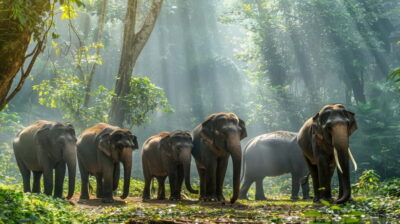
Tarangire is a fine opening act because it gives you a quick sense of Tanzania’s wildlife variety without waiting until the Serengeti. The park is especially associated with elephants, and the changing views make the first game drive feel different from the open grasslands that follow.
The timing is worth noting. This is listed as a roughly 10-hour day, so you should expect a full outing rather than a short afternoon drive. The campsite’s position outside the park adds a transfer at the end of the day, but that is common on a budget safari and helps keep the overall cost under control.
Camping can be one of the most memorable parts of the trip. You may wake to animal sounds and a close sense of place. At the same time, it is less private and polished than a permanent lodge. Pack with that in mind, especially if you prefer a quiet room and fixed facilities each night.
Day two: From Ngorongoro highlands to Serengeti plains
Day two takes you toward Serengeti National Park through the Ngorongoro Conservation Area. The route includes a game drive, a stop at Naabi Hill Gate for lunch, and an afternoon drive toward the Serengeti until sunset.
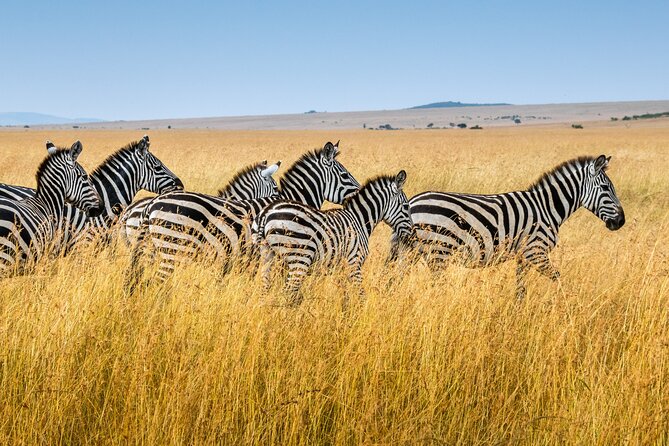
This is one of the most scenic transitions in the itinerary. You move from the higher country around Ngorongoro toward the broad Serengeti plains. The changing views are part of the experience, not merely travel between two park gates.
Naabi Hill Gate is used as the lunch stop before the afternoon drive continues. Then you head toward Seronera Campsite for dinner and overnight accommodation. The plan gives you a useful first look at the Serengeti, but it is also a long day on the road.
If your priority is predators, the late afternoon period can be especially useful because the drive continues toward sunset. Your guide’s skill matters here. Guides such as Eli, Lewis, Freddy, and Amani have been praised for spotting animals, explaining what you see, and answering questions in good English. Ask your guide early about the animals you most want to find, while keeping expectations realistic. No safari can promise a particular sighting.
Day three: More Serengeti time and a sunrise start
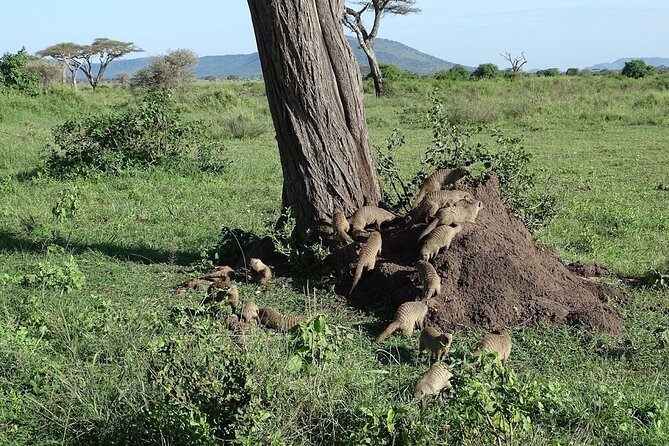
The third day starts with an early morning game drive. That sunrise timing is valuable because it gives you a chance to look for predators and other animals before the heat of the day. After the morning outing, you return for lunch, then continue driving through the Serengeti while making your way back toward the Ngorongoro area.
The schedule lists about 12 hours, making this the hardest day physically. You will have less downtime and a long stretch in the vehicle. Still, the extra Serengeti time is important. One short drive through the park can feel rushed, while a morning and afternoon on different sections give you more chances to see changing animal behavior.
The night is planned at Simba Campsite near Ngorongoro. This location sets you up well for the next morning’s descent into the crater. It also means the trip keeps moving rather than returning to the same base each night.
Bring a camera with a fully charged battery and keep binoculars close. The itinerary is built around observation from the vehicle, so small details matter: a distant animal, movement near a water source, or a predator resting in the shade. Your guide will do much of the spotting, but you will enjoy the ride more if you stay alert.
More National Park Safaris in Tanzania
- 3 Days Small Group Safari to Serengeti NP and Ngorongoro Crater Tour in Tanzania
★ 5.0 · 77 reviews - 5 Day Silver Serengeti & Ngorongoro Crater & Tarangire Safari
★ 5.0 · 46 reviews - 6 days 5 nights safari Ngorongoro, Serengeti and Tarangire National Parks
★ 5.0 · 39 reviews - 4 Days lodge safari Tarangire , Ngorongoro crater & Walking
★ 5.0 · 39 reviews
Day four: The Ngorongoro Crater game drive
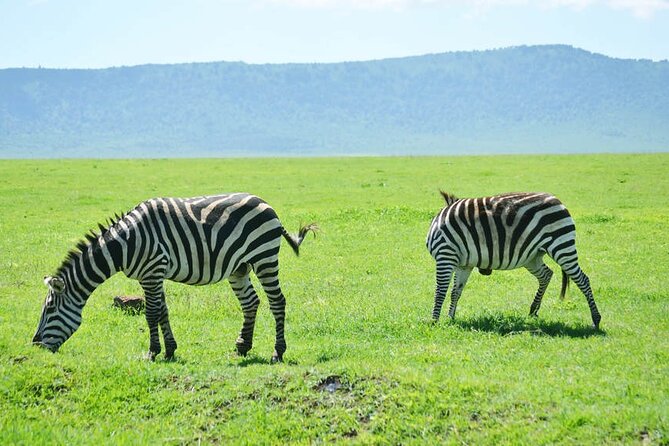
Day four is the trip’s major wildlife event. After an early breakfast, you descend into Ngorongoro Crater for a game drive of about six hours, with a picnic lunch included.
The crater is special because its enclosed setting supports a high concentration of animals in a relatively compact area. You can spend several hours looking across open ground, wetland areas, and other habitats without the vast distances found in the Serengeti.
The early start matters. It gives you more time in the crater and places you there during a productive part of the day. Six hours is long enough to make the visit feel substantial, but it is still only one day, so you should not expect to cover every corner.
After the drive, you return to a campsite outside the park, again more than 30 minutes away, for dinner and overnight accommodation. That extra road time is the main drawback of the budget setup. You trade a lower price for less time at a lodge inside or close to the park.
The crater day can be tiring, but it is also the point where the itinerary earns much of its appeal. If seeing a wide range of animals in one setting is high on your list, this is the day to protect your energy for.
Day five: Lake Manyara’s forest and alkaline lake
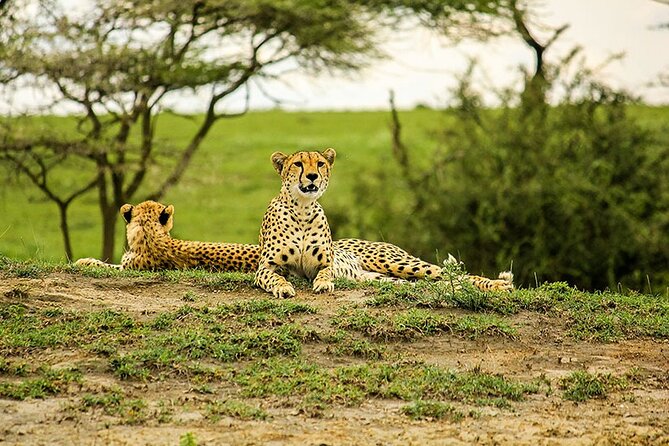
The final morning begins with breakfast and a drive to Lake Manyara National Park. You spend about half a day on a game drive before a picnic lunch and the return journey to Arusha.
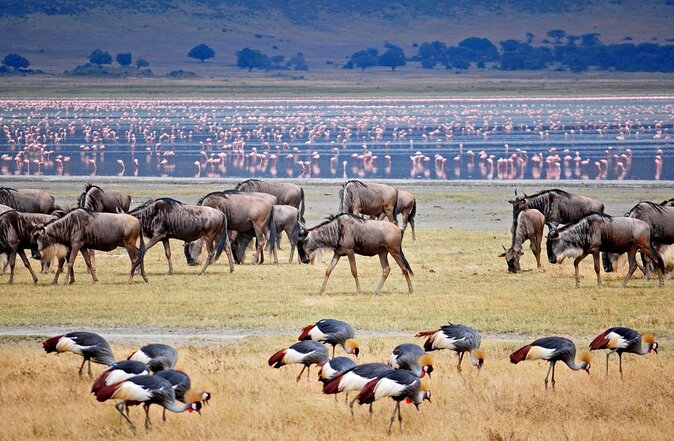
Lake Manyara offers a different setting from the Serengeti and Ngorongoro. The park is known here for its underground water forest and alkaline lake. At certain times of year, thousands of flamingoes can be seen around the water.
The phrase at certain times of year is important. Flamingoes are a possible highlight, not a guaranteed sighting. Water levels, season, and animal movement affect what you see. Even without large numbers of birds, the combination of forest, lake, and wildlife makes Manyara a useful final stop.
The drive back to Arusha is expected to put you in town around 5pm to 6pm. That timing works for an onward hotel night or a planned airport transfer, but I would avoid booking a tight same-evening flight unless the operator confirms the schedule and your airport connection clearly.
Camping, food, and the daily rhythm
This is a budget safari, but budget does not mean you are left to handle the practical work alone. Camping equipment, accommodation, transport, and meals are included. The package also lists five breakfasts, five lunches, and five dinners, along with mineral water.
Food has been a strong point of the operation. Cooks such as Ben are praised for producing fresh, reliable meals, including hot lunches. That matters after a long game drive, when a proper meal is far more welcome than snacks from a roadside shop.
The accommodation deserves a clear-eyed look. Some departures use campsites every night, while others combine camping and lodges. One arrangement includes Jambo or Fanaka Campsite after Tarangire, Seronera Campsite in the Serengeti, and Simba Campsite near Ngorongoro. Confirm the exact plan for your departure.
Camping also means the atmosphere can be more social. A solo participant may be placed with a group, and group departures can include up to 50 people. The vehicle group itself may be smaller, but the published maximum is large enough that you should ask how many people will share your safari vehicle.
Guides make the biggest difference
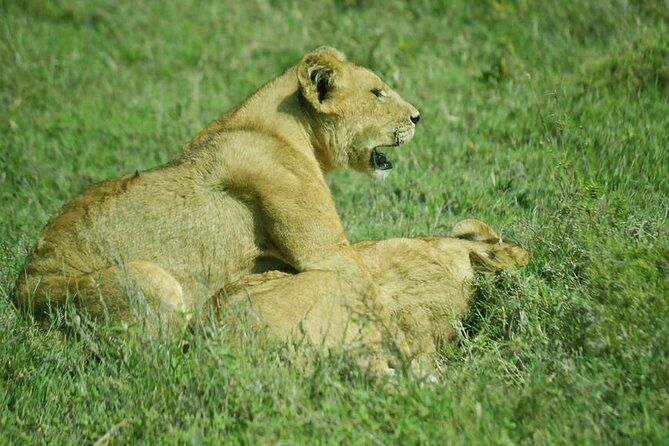
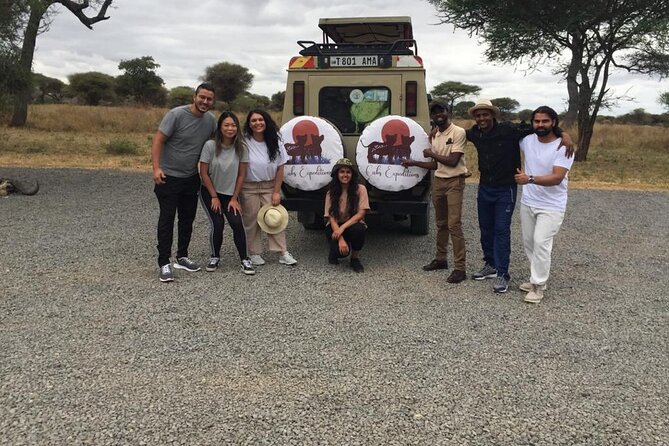
A safari vehicle gets you into the parks, but the guide shapes the experience. The strongest praise attached to this trip centers on the driver-guides and their personal service.
Eli is described as friendly, clear in English, and good at explaining what you see. Lewis is praised for animal knowledge and for answering questions, while Freddy is singled out for helping find the Big Five. Amani is described as warm, cheerful, and attentive to requests.
Humphrey is associated with organizing the trip and responding quickly to questions. That can be useful before arrival, especially if you need help with airport pickup, pre- or post-safari accommodation, transport to another town, or practical matters such as a local SIM card.
Guide assignments can change, so treat these names as examples rather than a guarantee. Before booking, ask who will lead your departure, how many people will be in the vehicle, and whether you can request a private safari. That simple check can prevent disappointment.
What the $1,150 price really buys you
At $1,150 per person, the package offers solid coverage for a five-day northern Tanzania safari. Park fees alone can make a large difference, and this price also includes all listed activities, transport, accommodation, camping equipment, meals, water, and airport transfers.
You are also paying for access to four major wildlife areas without arranging separate permits, vehicles, cooks, camps, and transfers. For a first safari, that simplicity has real value.
The price does not include personal items, tips, or international flights. Set aside money for gratuities and personal purchases. Tips are not included, and the guide and cook are central to your daily experience.
The main thing you give up is control. A group safari has a set route and schedule, and long driving days are built in. If you want private vehicle time, luxury tents, short transfers, or several nights in one park, a more expensive custom safari will suit you better.
Who should book this safari
I would recommend this trip to you if you want to see as much as possible in five days and prefer value over luxury. It suits first-time safari visitors, couples who enjoy a busy route, solo participants comfortable joining a group, and families who can manage early mornings and long vehicle days.
It also works well if you want the classic northern Tanzania combination: Tarangire, Serengeti, Ngorongoro, and Lake Manyara. The inclusion of meals, equipment, airport transfers, and park fees removes much of the planning burden.
I would hesitate if you need guaranteed private accommodation, a slow schedule, or a fixed lodge standard. The itinerary includes campsites outside some parks, the group maximum can reach 50 people, and daily drives are long. Confirm the accommodation, vehicle size, and guide before paying.
The cancellation terms are simple: you can receive a full refund if you cancel at least 24 hours before the start time. Changes or cancellations inside that window are not accepted for a refund.
Should you book it?
Book this safari if your goal is a broad, affordable introduction to Tanzania’s best-known wildlife areas. The route is ambitious, the inclusions are useful, and the guide and cooking teams have earned strong praise for friendliness, clear communication, animal spotting, and fresh meals.
Before booking, ask three questions: how many people will share the vehicle, which nights are camping or lodging, and who will guide your departure. If the answers suit you, the $1,150 price offers a practical way to reach Tarangire, Serengeti, Ngorongoro Crater, and Lake Manyara without building the trip piece by piece.
FAQ
Where does the safari start?
The safari starts at Arusha Airport in Tanzania. Pickup is scheduled for 6:00am.
How long does the safari last?
The experience lasts approximately five days.
Which parks and wildlife areas are included?
The route includes Tarangire National Park, Serengeti National Park, the Ngorongoro Conservation Area and Crater, and Lake Manyara National Park.
Is accommodation included?
Yes. Accommodation and camping equipment are included. The itinerary names several campsites and also indicates that some departures may use lodges, so confirm the exact arrangement before booking.
Are meals included?
Yes. The package includes breakfast, lunch, and dinner, listed as five breakfasts, five lunches, and five dinners. Mineral water is also included.
Is airport transfer included?
Yes. Round-trip airport transfer is included, with pickup offered at the start and return transport provided.
Can I cancel for a full refund?
Yes, if you cancel at least 24 hours before the experience start time. Cancellations or changes made less than 24 hours before the start time are not refunded.
More five-day safaris in Arusha
- 5 Days Group Camping Safari
★ 5.0 · 730 reviews - Tanzania Simba Safari – 5 Days
★ 5.0 · 217 reviews - 5 Days Budget Private Safari, Tanzania
★ 5.0 · 191 reviews - 5-Day Private Northern Tanzania Safari from Arusha
★ 5.0 · 182 reviews
Newest safaris around Arusha
- 7 days great migration safari★ 5.0 · 77 reviews
- 4 days safari★ 5.0 · 34 reviews
- 6 days Tanzania budget safari★ 5.0 · 65 reviews
- Amazing 4 Days Tanzania Budget Camping Group Joining Safari★ 5.0 · 15 reviews
- 5 days safari, hiking & culture (Serengeti & kilimanjaro)★ 5.0 · 27 reviews
- Best 5 Days Tanzania Private Luxury Safari with luxury Lodges★ 5.0 · 12 reviews
- Serengeti & Ngorongoro fly in safari★ 5.0 · 76 reviews
- 8 Days 7 Nights Tanzania Wildlife & Culture Lodge Safari★ 5.0 · 17 reviews
National Park Safaris, side by side.
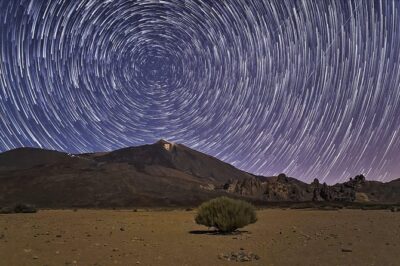
Teide National Park Sunset & Stargazing with Dinner (Star Safari)
Read our review →
Teide National Park: Sunset & Stargazing Safari with Dinner
Read our review →Udawalawe National Park | Private Safari Tour
Read our review →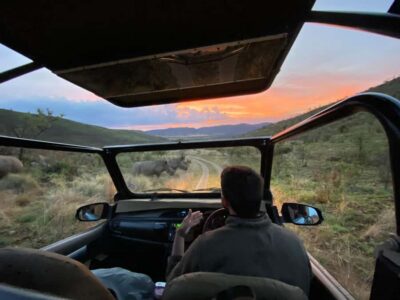
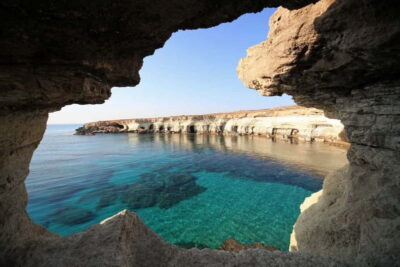
East Coast National Park: Half-Day Caves Jeep Safari
Read our review →
Addo Elephant National Park All Inclusive Full-Day Safari
Read our review →