Review · OVERNIGHT & CAMPING SAFARIS
5-Day private Camping Safari Tour in Tanzania
The big draw here is the route: three of Tanzania’s finest wildlife areas in five days, with elephants and baobabs in Tarangire, wide-open Serengeti game country, and the Ngorongoro Crater as the grand finale. You ride in a private 4×4, stop for long game drives, and sleep at campsites rather than spending the night in lodges.
I like the strong wildlife mix and the fact that meals are included, including five lunches, four breakfasts, and four dinners. I also like the personal touch built into a private trip. Guides named Rocky, Mandela, Gordon, Baraka, Fredy, and Golden are associated with this safari team, and the best comments focus on their animal-spotting skills and easy company. The main drawback is the pace: long drives, early starts, basic camping, and a lot of time on rough park roads.
Five useful things to know before booking
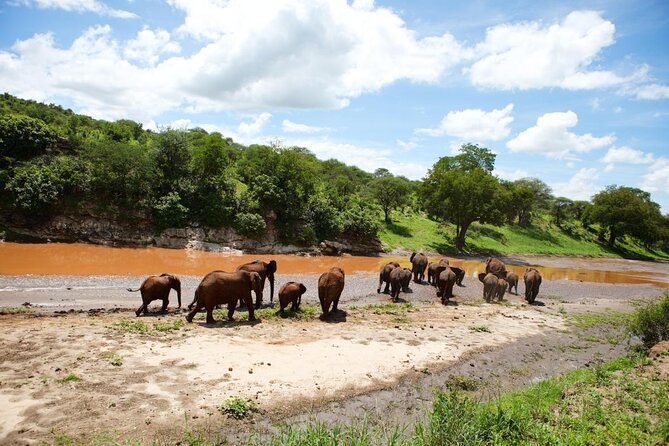
- Tarangire opens the trip: Expect elephants, baobabs, giraffes, zebra, wildebeest, and a good chance of seeing lions.
- Two nights in the Serengeti: This gives you a better shot at finding predators and large herds than a quick drive-through visit.
- Ngorongoro is the finale: You descend more than 600 meters into the crater for a full wildlife day around Lake Magadi.
- Private means your group rides together: Only your party participates, rather than joining a large public vehicle.
- Camping is part of the bargain: The price includes meals and four nights, but this is not a lodge-based safari.
- The route needs confirming: The main schedule names Tarangire, Serengeti, and Ngorongoro. Lake Manyara appears in the general description, but it is not included in the detailed five-day plan.
Why this five-day route works
For a first safari from Arusha, this is a sensible concentration of Tanzania’s northern circuit. You get one day in Tarangire, two days in the Serengeti, a moving game drive toward Ngorongoro, and a final day inside the crater.
That order gives the trip a clear rhythm. Tarangire starts with dense wildlife and distinctive scenery. Serengeti then provides the biggest stretch of time for searching. Ngorongoro finishes with a concentrated wildlife experience in a setting that feels entirely different from the open plains.
Still, five days is not a leisurely schedule. You will spend hours in the vehicle each day, often leaving after an early breakfast and returning late. That is normal for this part of Tanzania, but you should be comfortable with dust, heat, bumpy roads, and repeated long drives.
The trip begins at AIM Mall in Mbauda, Arusha, with pickup between about 8:30 and 9:00 on the first morning. The activity ends back at the meeting point. Airport or departure tax is not included, so factor that into your overall budget.
More Overnight Safaris in Arusha
- 4 Days Group Camping Safari
★ 5.0 · 1,101 reviews - 5 Days Group Camping Safari
★ 5.0 · 730 reviews - 3 Days Serengeti & Ngorongoro Group Camping Safari
★ 5.0 · 574 reviews
Day one: elephants and baobabs in Tarangire
Your private guide picks you up after breakfast, and the first drive heads toward Tarangire National Park. The schedule allows roughly six hours for the park experience, including the drive, lunch, and an afternoon game drive.
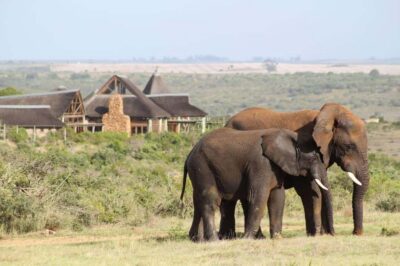
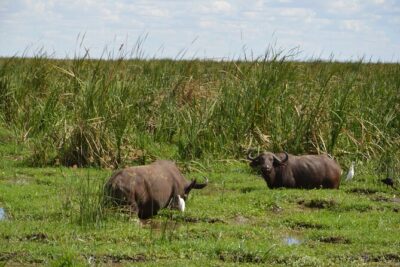
Tarangire is a strong opening act because it has a clear personality. The park is famous for its baobab trees and high elephant numbers. In the June through November dry season, large groups of zebra, wildebeest, and Cape buffalo gather near remaining water sources, making the park especially appealing for herd watching.
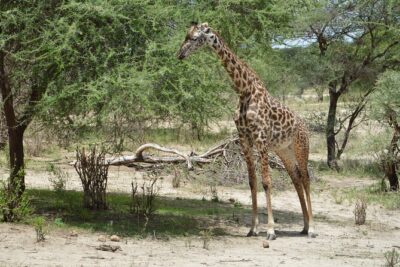
You might also see giraffe, impala, waterbuck, dik-dik, eland, Grant’s gazelle, vervet monkeys, banded mongoose, and olive baboons. The predator list includes lion, leopard, cheetah, caracal, honey badger, and African wild dog, though sightings of the rarer animals can never be promised.
The first day matters because it lets you settle into the safari routine before reaching the Serengeti. You will learn how the vehicle works, get a feel for the guide’s style, and discover how much patience wildlife viewing requires.
The schedule says you arrive at the lodge for lunch, but the trip is sold as a camping safari and includes four nights of camping. Ask for the exact accommodation plan before you pay. This detail may refer to a lunch stop or a camp with lodge-style facilities, and clarity here will prevent surprises.
Day two: crossing into the Serengeti
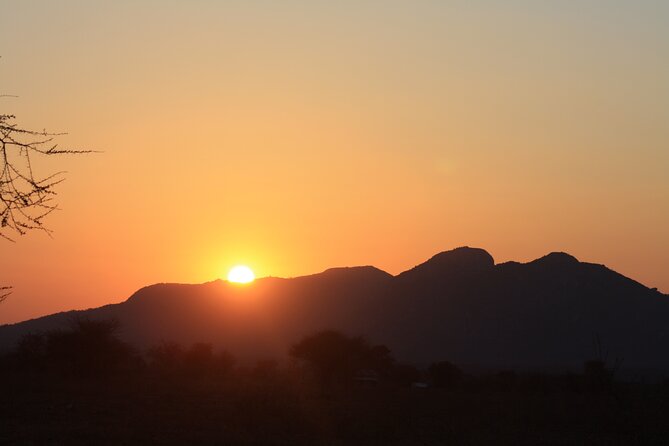
Day two starts with an early breakfast, followed by the drive toward Serengeti National Park. The route passes through the Ngorongoro Conservation Area, with game viewing along the way, and continues to Seronera Campsite for dinner and overnight camping.
This is one of the longer, more rewarding travel days. You are not simply being transferred from one hotel to another. The route itself can produce animal sightings, and the changing scenery helps explain how the northern circuit fits together.
A picnic lunch keeps the day moving. That is practical, since returning to a lodge for a midday meal would cost you valuable time on the road. The schedule allows about six hours, though actual timing can shift with road conditions, animal sightings, and the distance covered.
Seronera is a useful base within the central Serengeti. Two nights in this area give you more than a brief glimpse of the park. Your guide can use the full day to search different roads and habitats rather than rushing onward after a few hours.
Camping also changes the feel of the trip. You are closer to the park setting than you would be in a city hotel, but you give up some privacy and comfort. The camping equipment, tent setup, and sleeping arrangements are handled by the safari team, according to the detailed comments about this operator’s trips. Even so, pack for simple nights and bring a flexible attitude.
Day three: a full Serengeti game drive
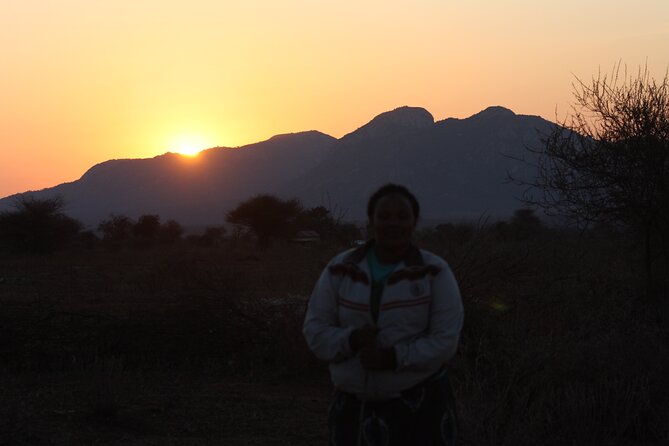
Day three is the safari’s main search day. After breakfast, you head out with a picnic lunch and spend the day on a full game drive, returning to Seronera Campsite for dinner and the night.
This is where the private format pays off. You can spend longer at an animal sighting if your group is interested, and you can ask the guide to explain behavior, tracks, birds, or the park’s ecology. Guides such as Rocky, Mandela, Gordon, Baraka, Fredy, and Golden have been singled out for strong spotting skills, clear explanations, and friendly company. Your actual guide is not guaranteed, but it is worth asking about guide assignment when you book.
The Serengeti is not a zoo. Some drives may produce a string of excellent sightings, while others involve long stretches of searching. A good guide uses radio communication and experience with the park roads to improve your chances, but no itinerary can guarantee the Big Five or a particular predator.
The full day can also be tiring. You will eat lunch in the vehicle or at a designated stop, then continue until late afternoon. Bring a camera with spare batteries, keep water close, and do not underestimate the value of a light jacket for early hours and a hat for the afternoon.
More Overnight Safaris in Tanzania
- 2 Days Tarangire and Ngorongoro Group Camping Safari
★ 5.0 · 146 reviews - 6 Days Tanzania Budget Camping Safari
★ 5.0 · 145 reviews - 3 Day Serengeti National Park & Ngorongoro Crater Camping Safari
★ 5.0 · 142 reviews - Multi-Day Tanzania Odssey Safari from Arusha
★ 5.0 · 120 reviews
Day four: one last Serengeti search, then Ngorongoro
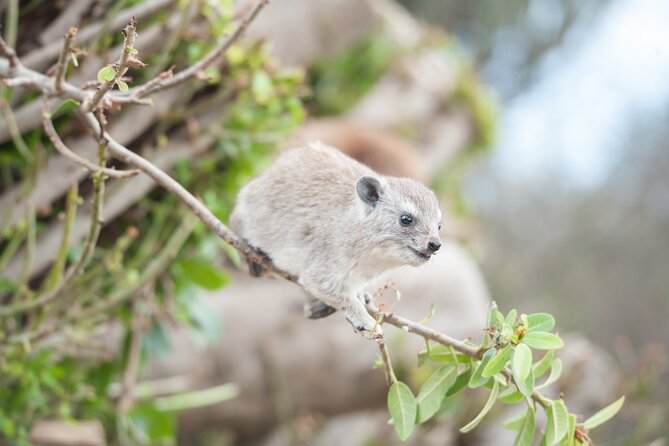
The fourth day begins with coffee, tea, and biscuits before an early morning game drive. The stated game-drive window runs from about 8:00 to 14:30, followed by a departure toward the Ngorongoro Conservation Area with game viewing along the way.
Morning is a smart time for wildlife watching. Predators may still be active, and the cooler hours are easier on both people and animals. The early coffee and biscuits are simple, but they help when you are leaving camp before a full breakfast.
After the morning drive, you continue toward Ngorongoro. This transition is part of the appeal of the northern circuit, but it is also one of the trip’s demanding stretches. You are combining a final Serengeti search with a long transfer, so expect a full day rather than a relaxed change of scenery.
Dinner and overnight camping take place in the Ngorongoro area. That positions you for an early crater descent on day five, avoiding the need to make the long approach from elsewhere.
Day five: descending into the Ngorongoro Crater
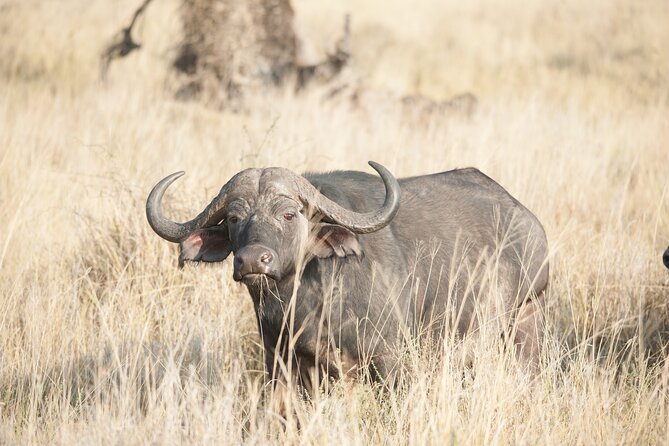
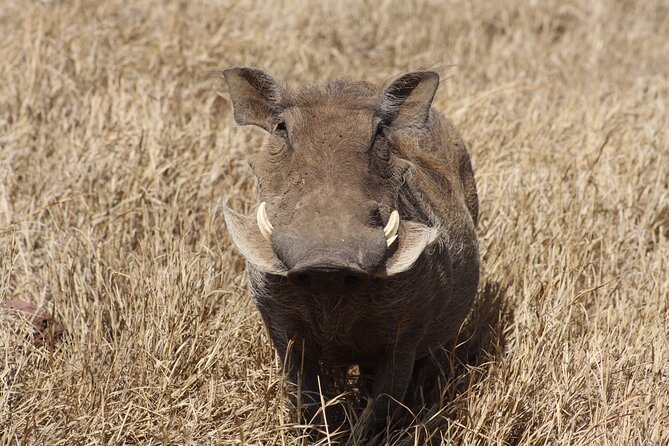
The final day begins early, then you descend more than 600 meters into the Ngorongoro Crater for a full wildlife drive. The crater’s permanent water and grazing areas support wildebeest, zebra, buffalo, eland, warthog, hippo, and elephants throughout the year.
The crater is special because so much wildlife can be found within a relatively compact area. You have a strong chance of seeing large herbivore groups, and the enclosed setting can make animal watching feel more concentrated than in the wide Serengeti.
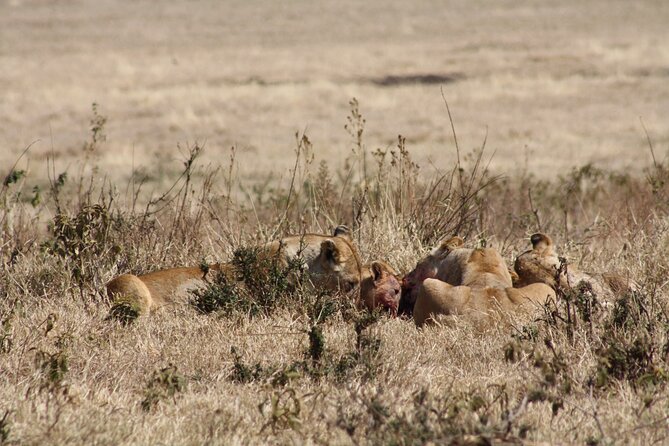
Predators are a major reason to save Ngorongoro for the end. Lions, hyenas, jackals, cheetahs, and leopard may be present. A leopard sighting often demands patience and a sharp-eyed guide, so do not expect every animal to appear on schedule.
Lake Magadi, a large shallow alkaline lake in the crater, is one of the main scenic and wildlife features. It can attract animals and birds, adding variety to the crater drive. The full day is listed at about eight hours, so you should expect another early start and a late finish before returning to the meeting point.
The crater can feel crowded with safari vehicles, particularly at popular sightings. That is a normal part of visiting one of Tanzania’s best-known wildlife areas. The tradeoff is that the concentration of animals makes it one of the most reliable places on this route for a productive final day.
Camping, food, and the private vehicle
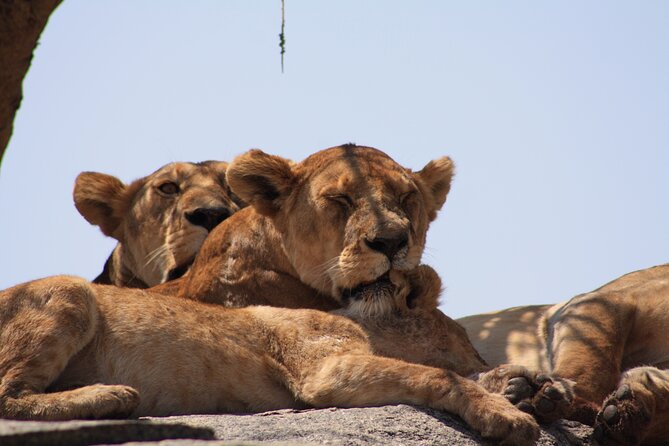
The tour includes four dinners, five lunches, and four breakfasts. Picnic lunches are used on the longer park days, while dinner and breakfast are served around camp.
Food receives unusually strong praise in the available trip details. Chefs named Salim and James are associated with especially well-liked safari meals, including varied dishes and fresh ingredients. That does not mean either chef will be assigned to your departure, but it tells you that food is treated as part of the safari rather than an afterthought.
The private 4×4 is another important part of the price. You are not sharing the vehicle with unrelated passengers, and only your group takes part in the activity. That gives you more control over conversation, photo stops, and the amount of time spent at an animal sighting.
The word private does not mean luxurious. You still face rough roads, long sitting hours, early mornings, and campsite living. Some trips operated by the same company have used shared tent arrangements, while this experience is described as private, so confirm whether your tent and vehicle are exclusive to your group.
Is $2,300 per person good value?
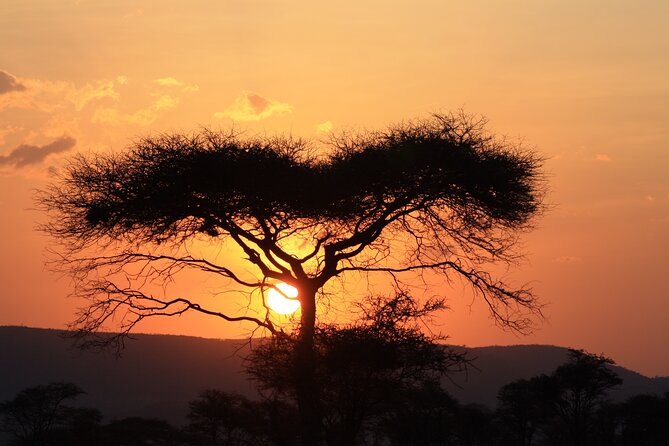
At $2,300 per person, the trip is a serious purchase, but it includes five days of private safari transport, a private guide, park visits, camping, and most meals. Compared with arranging separate transport, park access, camping support, food, and guiding on your own, the package offers practical value.
The best value comes from the two Serengeti nights. A shorter safari may touch the park briefly, but this schedule gives you one full day plus additional game viewing during arrival and departure. That extra time matters when sightings depend on distance, weather, and luck.
The main value question is comfort. If you want private lodges, short transfers, and a slower pace, this is not the right product. If you want a focused wildlife route and are willing to trade hotel comfort for more time in the parks, the price is easier to justify.
Check exactly what is included before booking, especially the camping setup, any airport transfer, and the role of Lake Manyara. Airport or departure tax is specifically excluded. Free cancellation is available if you cancel at least 24 hours before the start time, while later cancellations and changes are not accepted.
Who should choose this safari?
I would point this trip toward a first-time safari visitor who wants the northern circuit without planning every road, meal, and campsite. It also suits families or private groups that value having one vehicle and one guide rather than sharing every decision with strangers.
It is a good match for photographers, animal lovers, and people who want a broad sample of Tanzania in five days. You will have repeated chances to see elephants, big cats, grazing herds, giraffes, hippos, birds, and smaller animals such as dik-dik and mongoose.
I would hesitate to recommend it to anyone who needs a gentle schedule or high-end accommodation. The days are long, the route is demanding, and camping requires patience. The detailed schedule also needs clarification because Lake Manyara appears in the general description but not in the day-by-day plan.
Should you book it?
Book this safari if your priority is wildlife time, a private vehicle, and a well-known northern Tanzania route at a package price. Tarangire, two Serengeti nights, and Ngorongoro provide a strong five-day arc, while the included meals and dedicated safari team reduce the planning work.
Before committing, ask three direct questions: Is Lake Manyara included, what exact camping accommodation is provided, and who will guide your group? If the answers fit your expectations, this is a strong choice for an active, wildlife-first trip. If you want lodge comfort or a slower pace, spend more for a different style of safari.
FAQ
Where does the safari begin?
The tour begins at AIM Mall, Mbauda, Arusha, Tanzania. Pickup is scheduled after breakfast on day one, between about 8:30 and 9:00.
Where does the safari end?
The activity ends back at the meeting point in Arusha.
Is this a private tour?
Yes. The activity is private, and only your group participates.
Which national parks are included in the detailed schedule?
The detailed schedule includes Tarangire National Park, Serengeti National Park, the Ngorongoro Conservation Area, and the Ngorongoro Crater. Lake Manyara appears in the general description but is not listed in the daily schedule, so confirm this before booking.
How many nights are included?
The itinerary includes four overnight stays, with camping at Seronera Campsite in the Serengeti and camping in the Ngorongoro area. Confirm the exact accommodation arrangement with the provider.
Are meals included?
Yes. The package includes four dinners, five lunches, and four breakfasts.
Is airport or departure tax included?
No. Airport or departure tax is not included in the tour price.
Can I cancel for a full refund?
Yes, if you cancel at least 24 hours before the experience begins. Cancellations and changes made less than 24 hours before the start time are not accepted for a refund.
More five-day safaris in Arusha
- Tanzania Simba Safari – 5 Days
★ 5.0 · 217 reviews - 5 Days Budget Private Safari, Tanzania
★ 5.0 · 191 reviews - 5-Day Private Northern Tanzania Safari from Arusha
★ 5.0 · 182 reviews - 5 Days Best of Tanzania Luxury Safari Northern Circuit
★ 5.0 · 174 reviews
Newest safaris around Arusha
- 7 days great migration safari★ 5.0 · 77 reviews
- 4 days safari★ 5.0 · 34 reviews
- 6 days Tanzania budget safari★ 5.0 · 65 reviews
- Amazing 4 Days Tanzania Budget Camping Group Joining Safari★ 5.0 · 15 reviews
- 5 days safari, hiking & culture (Serengeti & kilimanjaro)★ 5.0 · 27 reviews
- Best 5 Days Tanzania Private Luxury Safari with luxury Lodges★ 5.0 · 12 reviews
- Serengeti & Ngorongoro fly in safari★ 5.0 · 76 reviews
- 5-Day Mid-Range Safari in Tanzania★ 5.0 · 33 reviews
Overnight & Camping Safaris, side by side.
Overnight Safari, Dinner, Stargazing & Al Khayma Camp
Read our review →
Dubai Overnight Desert Safari, BBQ & Stargazing at Al Khayma Camp
Read our review →

Desert Safari with Camp, Dinner, & Optional Overnight
Read our review →