
Review · OVERNIGHT & CAMPING SAFARIS
Arusha: Serengeti and Ngorongoro Multi-Day Camping Safari
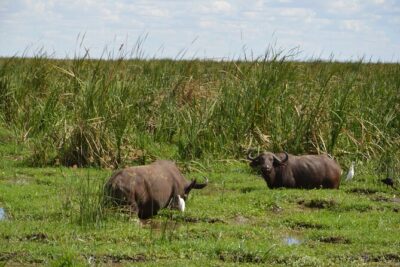
The headline here is simple: four days carry you from Arusha to the Serengeti and Ngorongoro Crater, with three nights under canvas and long hours in a pop-up-roof 4×4. This is the classic northern Tanzania route, and it gives you a strong chance of seeing lions, elephants, buffalo, zebras, wildebeest, cheetahs, crocodiles, and plenty of smaller creatures.
I like the small shared vehicle, limited to six clients plus the driver and chef, and I like the guaranteed window seat. I also like the practical design: park fees, meals, sleeping bags, bottled water, hotel transfers, and an English-speaking guide are bundled into the $950 price.
The main catch is time. You will spend many hours on rough roads and game drives, sometimes covering great distances with no animals in sight. Camping is basic, especially the Serengeti facilities, and the schedule can leave you seven hours between breakfast and lunch, so bring snacks.
Key points to know before booking
- Three nights in tents: Sleeping bags are supplied, but this is camping, not a lodge safari.
- Six clients per vehicle: The small group and guaranteed window seat make wildlife viewing easier.
- Serengeti plus Ngorongoro: You get broad open plains first, then a much denser wildlife experience inside the crater.
- Meals are part of the package: Safari chefs such as Christian and Musa have prepared well-liked local meals, but drinks are extra.
- The migration is seasonal: You may see wildebeest and zebra herds, but their exact location changes throughout the year.
- Olduvai Gorge costs extra: The optional museum visit on the way to Ngorongoro is not included.
What $950 buys you on this Tanzania safari
At $950 per person, this trip offers a lot of expensive pieces in one package: four days of transport, park entry fees, a 4×4 safari vehicle, three nights of camping, meals, bottled water, a chef, a guide, and hotel pickup and drop-off in Arusha.
That price makes the tour a useful choice if you want the major northern Tanzania parks without arranging each part yourself. You are not only paying for seats in a vehicle. You are also paying for the permits, camp setup, food preparation, and driving between parks. Those costs add up quickly on an independent safari.
Still, value depends on your expectations. You are not booking a private safari or a comfortable lodge circuit. You are joining a shared group, and the days can involve eight hours of driving or game viewing. If you measure value by the number of wildlife areas covered, this route is strong. If you measure it by personal space and easy road travel, it is less attractive.
The group size matters. Six clients in a vehicle gives you a better chance of getting a clear view than a packed minibus, especially when the roof is raised for game viewing. The guaranteed window seat is another practical advantage. You will not need to negotiate for a position every time the vehicle stops.
More Overnight Safaris in Arusha
- 4 Days Group Camping Safari
★ 5.0 · 1,101 reviews - 5 Days Group Camping Safari
★ 5.0 · 730 reviews - 3 Days Serengeti & Ngorongoro Group Camping Safari
★ 5.0 · 574 reviews
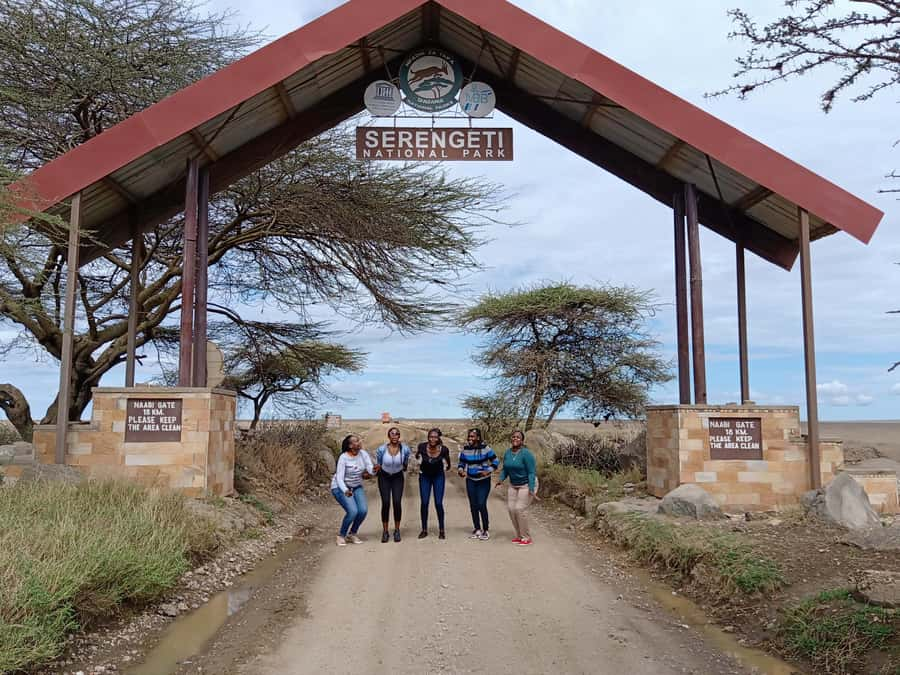
Day 1: From Arusha to the Serengeti
Pickup begins in the morning at your Arusha hotel, or at a private residence if you provide the address while booking. Airport pickup is also possible the day before the safari for an extra charge, with transport into Arusha.
The drive to Serengeti is a major part of the day. You receive a packed lunch, and the safari begins properly with a game drive as you approach the campsite. This first day is less about settling into a slow rhythm and more about covering ground so you can reach the park and start looking for wildlife.
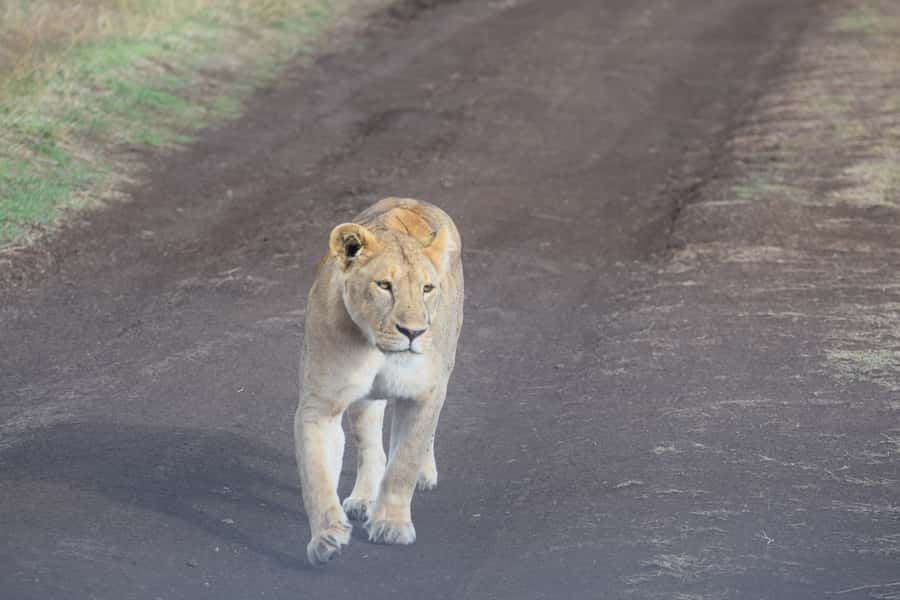
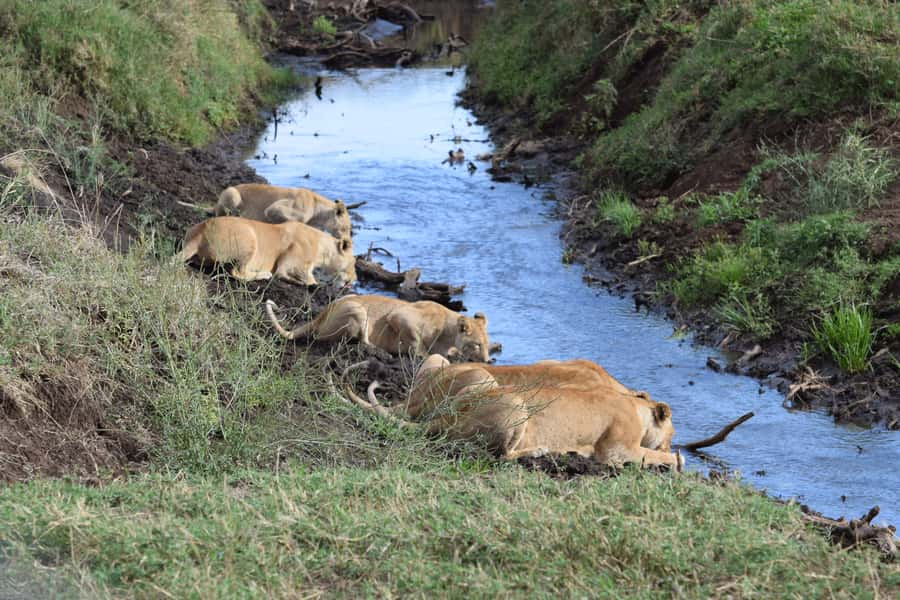
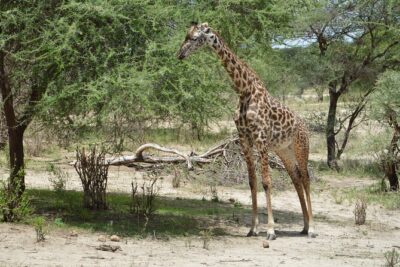
The Serengeti is famous for its open plains and its large animal populations. Lions, leopards, elephants, cheetahs, buffalo, zebras, wildebeest, eland, wild dogs, gazelles, crocodiles, and many bird species are all part of the park’s wildlife list. Seeing any one animal is never guaranteed, and leopard sightings are especially uncertain, but the range of possible sightings is a major reason to make the long journey.
The name Serengeti means endless plains in the Maasai language. You will understand the idea quickly. The open setting gives you long views, but it also means animals can be spread far apart. Some drives may feel slow when there is nothing nearby, while a sudden lion or elephant sighting can make the empty miles worthwhile.
Dinner is served at camp, followed by your first night in a tent. Sleeping bags are provided. The camping setup is meant to keep costs down and put you close to the park, but do not expect hotel-style bathrooms or hot showers. One important practical point is that the Serengeti camp toilets have been described as very basic and in poor condition, with cold water only.
Day 2: A full day among Serengeti herds
Day two gives you the best amount of time for the Serengeti itself. After breakfast, you head out for morning and afternoon game drives, with a break for lunch at camp. This split is useful because it lets you search different areas instead of treating the park as a quick pass-through.
Your guide and driver do much of the work. Guides such as Ali, Thomas, and Julius have been praised for steady driving, animal spotting, and explanations about the park. A good guide matters here because the Serengeti is huge. You need someone who can read animal behavior, communicate with other safari vehicles, and decide when a distant shape is worth pursuing.
The day may bring big cats, hyenas, migrating wildebeest, zebra herds, crocodiles, gazelles, or birds. The annual migration is one of the park’s great draws, but you should treat it as a moving event rather than a fixed attraction. Wildebeest and zebra shift with food and water, so the exact show depends on the season and the animals’ location during your visit.
The birdlife also deserves attention. The route can include migrant birds from Eurasia, along with larger resident species. If you focus only on the Big Five, you may miss much of what makes a safari interesting. Ask your guide to point out birds and smaller animals too.
The tradeoff is that a full Serengeti day can mean many hours in the vehicle. One account of the trip described long stretches without much to see, which can feel monotonous. That is not necessarily poor guiding. The park is genuinely large, and wildlife is not arranged for easy viewing. Bring patience, protect yourself from the sun, and use the breaks well.
Food is a bright spot on this camping trip. The safari chef prepares breakfast, lunch, and dinner, and Christian in particular has been praised for tasty local meals and good organization. Musa has also been singled out for cooking well. These names may not be your assigned crew, but they show the role the chef plays in making a basic camp feel more manageable.
There is one food-planning weakness: the gap between breakfast and lunch can stretch to six or seven hours. Pack extra snacks before departure. Drinks are not included, so budget separately for them.
Day 3: Leaving the plains for Ngorongoro
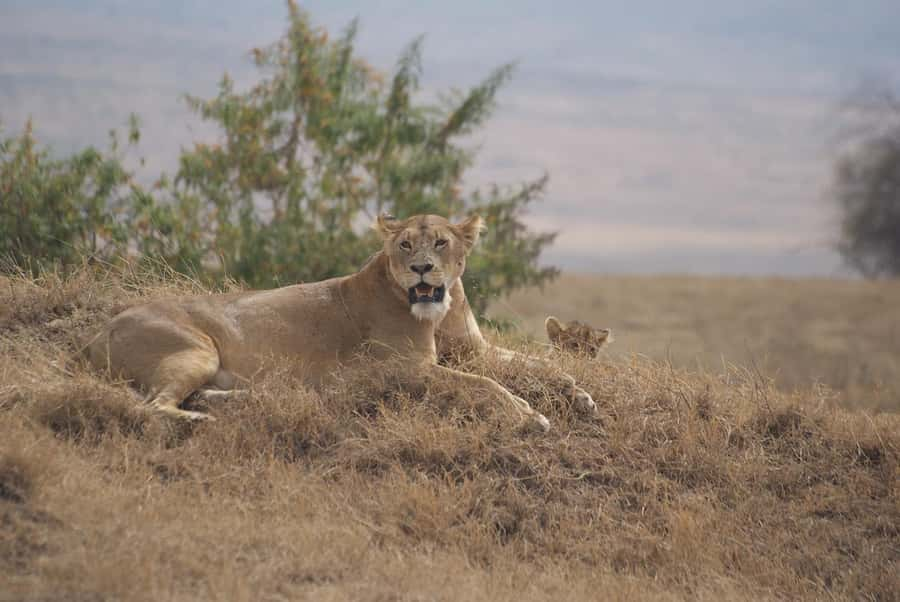
After breakfast, you check out and continue toward Ngorongoro Crater. The day includes a game drive on the way, so the Serengeti does not end the moment you leave camp. You may have more chances to spot animals along the route, though this is also another long transfer day.
Olduvai Gorge is offered as an optional stop, with an extra fee for the museum. This is useful for anyone interested in human origins and the archaeological importance of the area. It is not part of the included price, so decide in advance if the museum fits your interests and budget.
You spend the night at Ngorongoro A Campsite. Again, the setting is basic. The benefit is location and cost, not comfort. After two nights in the Serengeti area, you may be ready for a shower or a longer rest, but the schedule keeps the trip moving toward the crater floor.
The transfer from Serengeti to Ngorongoro also changes the feel of the safari. The Serengeti offers distance and wide views. Ngorongoro promises concentrated wildlife in a much smaller area. That contrast is one of the strongest reasons to combine both parks instead of visiting only one.
More Overnight Safaris in Tanzania
- 2 Days Tarangire and Ngorongoro Group Camping Safari
★ 5.0 · 146 reviews - 6 Days Tanzania Budget Camping Safari
★ 5.0 · 145 reviews - 3 Day Serengeti National Park & Ngorongoro Crater Camping Safari
★ 5.0 · 142 reviews - Multi-Day Tanzania Odssey Safari from Arusha
★ 5.0 · 120 reviews
Day 4: Wildlife inside Ngorongoro Crater
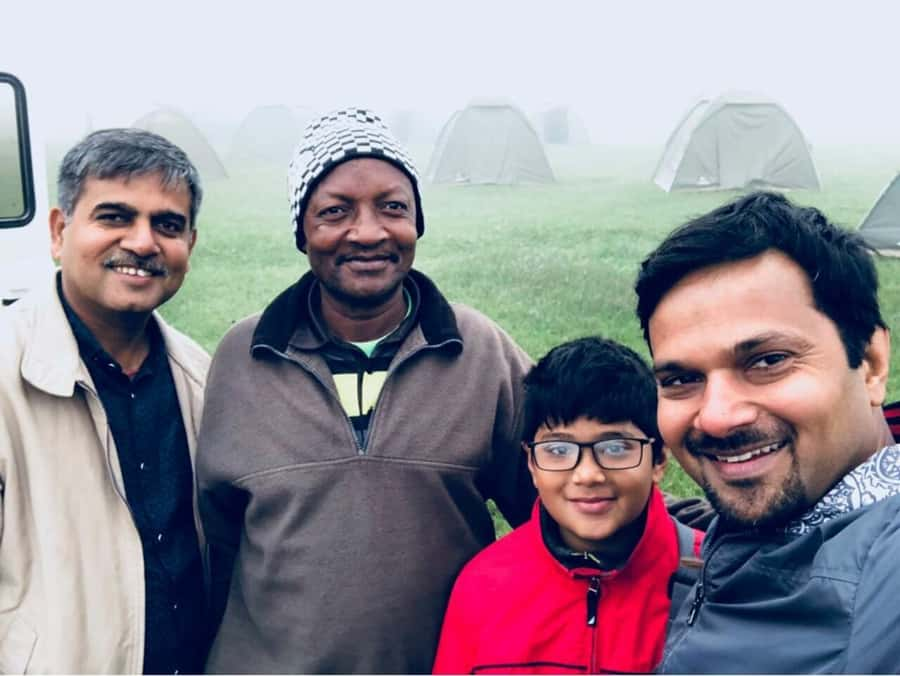
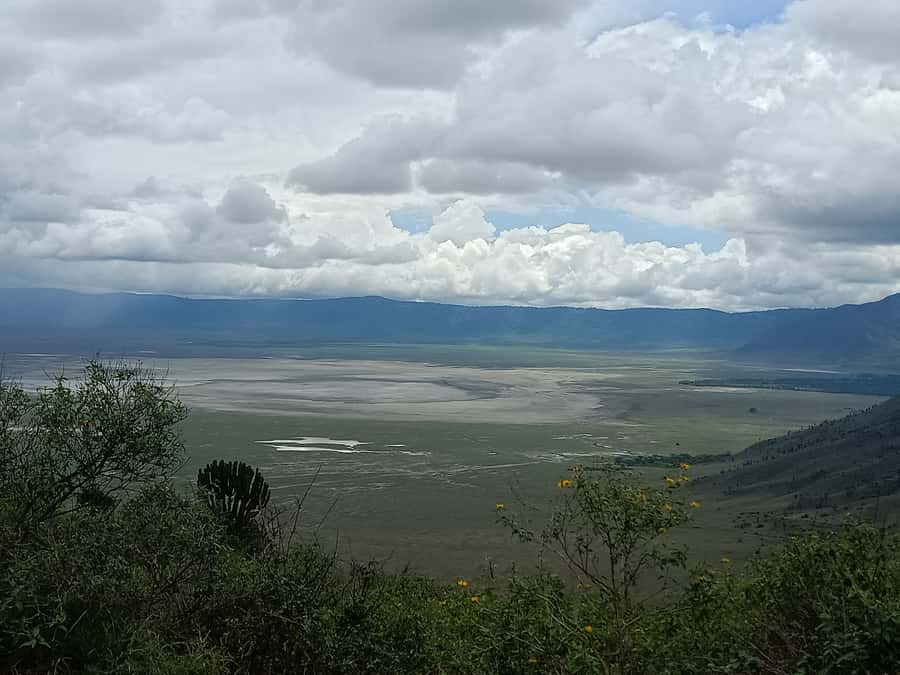
The final morning begins early with breakfast and a descent to the crater floor. The early start helps you make the most of the limited game-drive hours before the return to Arusha.
Ngorongoro is different from the Serengeti because the animals are gathered within the crater’s enclosed floor. This does not guarantee every sighting, but it often makes the search feel more rewarding. A past visitor found the crater busier with animals and less monotonous than the long Serengeti drives.
Soda Lake is a notable stop for flamingos. Around the water and nearby areas, you may see geese, storks, vultures, and other birds. The crater is not only about large mammals. Water and open feeding areas create good conditions for bird watching, so keep your eyes moving even when the vehicle is stopped.
Lunch is taken at the scenic Ngoitoktok Springs picnic site. After lunch, you get some final game viewing while climbing out of the crater. The trip then returns you to your hotel in Arusha.
This is a demanding final day. You are combining an early start, a crater game drive, lunch, more wildlife viewing, and the transfer back to town. It is also a satisfying finish because Ngorongoro can provide a denser concentration of animals after the wide distances of Serengeti.
Camping, food, and the real level of comfort
The three-night tent arrangement keeps the price within reach, but you should choose this trip for the safari, not for the camp amenities. Sleeping bags are supplied, and meals are included, but the facilities can be rough. At the Serengeti camp, toilets may be poorly maintained and water may be cold.
That matters more on a four-day trip than it would on one overnight. You will use the camp after long drives, so a relaxed attitude toward simple washing facilities is essential. If you need private bathrooms, reliable hot water, and a quiet room each night, choose a lodge-based safari instead.
The chef can make a major difference. Meals have included local food, and strong cooking has been one of the most praised parts of the trip. Even so, the lack of snacks between breakfast and lunch is easy to fix. Carry biscuits, fruit, nuts, or another food that travels well.
Bottled water is included. Drinks beyond that are not, so bring extra money. The information provided does not specify the exact camp equipment beyond tents and sleeping bags, so you should ask any questions about bedding or washing arrangements before departure if those details matter to you.
The 4×4 ride and group arrangement
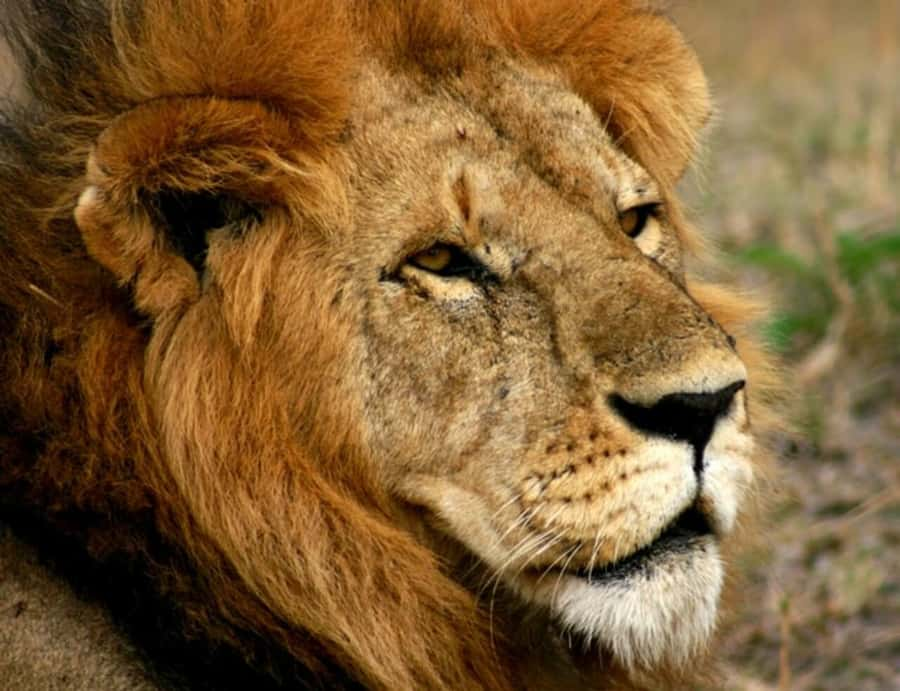
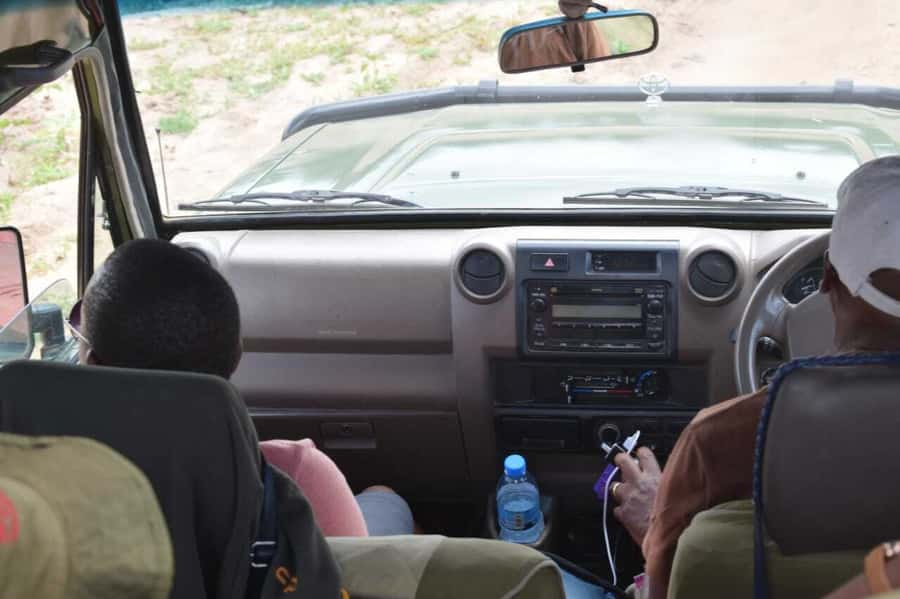
You travel in a 4×4 Land Rover or similar vehicle with a pop-up roof. The roof lets you stand or sit upright for a better view, while the window seating helps you watch animals without leaning across another person.
Six clients share the car with the driver and chef. That is a good middle ground. A private vehicle would give you more control over stops and pacing, but a six-person group costs less and still avoids the crowded feeling of a large coach.
Long drives are part of the bargain. The Serengeti section can involve many miles, and the route back to Arusha on day four is another substantial transfer. The vehicle is designed for safari roads, not smooth city travel, so you should be comfortable spending much of the day seated and looking out for animals.
The driver-guide pairing is important. Ali was praised for careful driving and finding enough wildlife to produce a Big Five sighting. Another guide, Thomas, was praised for good organization and strong work with chef Christian. Julius was described as friendly, attentive, and experienced with animals. These are useful examples of the service level you might receive, but staff assignments can change.
One issue deserves a clear warning. A change of operating company has occurred for at least one booking, with Arunga Expeditions and Safaris handling the trip instead of Perfect Wilderness Tours and Safaris. If the exact provider matters to you, confirm the operator before departure. Also ask how tipping works. One account described pressure around a minimum tip, so set your own budget and ask for clear guidance rather than feeling rushed at the end.
Who will enjoy this safari most?
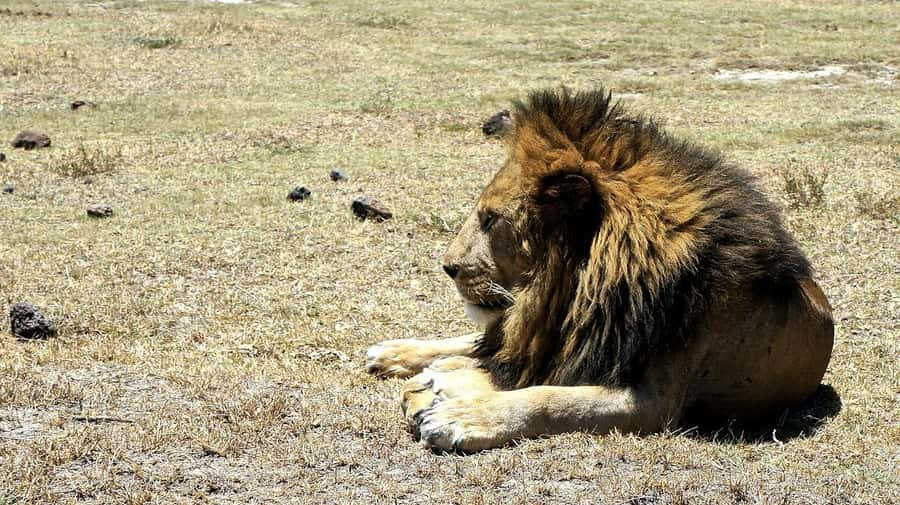
I would recommend this trip to you if you want the main northern Tanzania wildlife route at a controlled price and you are happy to trade comfort for access. It suits first-time safari visitors who want both the Serengeti and Ngorongoro without arranging several transfers themselves.
It is also a good fit for people who care more about animals than polished lodging. The small group, window seat, pop-up roof, guide, chef, and included park fees give you the essentials for a serious wildlife trip.
You should think twice if you dislike long drives, basic toilets, cold water, or shared schedules. The Serengeti can involve hours without a sighting, and the gaps between meals may be uncomfortable if you do not carry snacks. Families or older visitors should consider how well everyone handles rough roads and long days, since the supplied information does not promise special vehicle or mobility arrangements.
The trip is especially appealing if your priority is seeing a broad range of wildlife. Several people have seen four or all five of the Big Five, while a leopard is never assured. That is the honest safari deal: a strong chance, not a guarantee.
Should you book this four-day safari?
Book it if you want a high-value camping safari with the two most important wildlife areas in northern Tanzania, and if you can accept long drives and simple facilities. The combination of a six-person vehicle, guaranteed window seat, included meals, park fees, sleeping bags, and Arusha transfers gives the $950 price real value.
Before paying, confirm the pickup address, the operating company, the likely camp arrangements, and how drinks and optional Olduvai Gorge costs will be handled. Pack snacks, prepare for cold-water facilities, and leave room for patience when the Serengeti feels empty.
I would not choose this trip for comfort or a leisurely pace. I would choose it for the chance to watch wildlife across two very different settings, eat useful camp meals, and spend four demanding but memorable days on Tanzania’s classic safari circuit.
FAQ
How long is the safari?
The safari lasts four days and includes three nights of camping.
Where does pickup take place?
Pickup is included from your hotel in Arusha. Pickup from a private residence within Arusha is also possible if you provide the address while booking.
Can I be picked up at the airport?
Airport pickup is available the day before the tour for an extra cost. You are then brought to Arusha.
How many people share the safari vehicle?
The shared vehicle carries up to six clients, along with the driver and chef.
Is a window seat guaranteed?
Yes. The experience includes a guaranteed window seat.
What type of vehicle is used?
You travel in a 4×4 Land Rover or similar jeep or SUV with a pop-up roof for game viewing.
Are meals and water included?
Meals listed in the schedule and bottled water are included. Drinks are not included.
Is the Olduvai Gorge visit included?
No. The Olduvai Gorge museum visit is optional and costs extra.
Newest safaris around Arusha
- 7 days great migration safari★ 5.0 · 77 reviews
- 4 days safari★ 5.0 · 34 reviews
- 6 days Tanzania budget safari★ 5.0 · 65 reviews
- Amazing 4 Days Tanzania Budget Camping Group Joining Safari★ 5.0 · 15 reviews
- 5 days safari, hiking & culture (Serengeti & kilimanjaro)★ 5.0 · 27 reviews
- Best 5 Days Tanzania Private Luxury Safari with luxury Lodges★ 5.0 · 12 reviews
- Serengeti & Ngorongoro fly in safari★ 5.0 · 76 reviews
- 8 Days 7 Nights Tanzania Wildlife & Culture Lodge Safari★ 5.0 · 17 reviews
Overnight & Camping Safaris, side by side.
Overnight Safari, Dinner, Stargazing & Al Khayma Camp
Read our review →
Dubai Overnight Desert Safari, BBQ & Stargazing at Al Khayma Camp
Read our review →
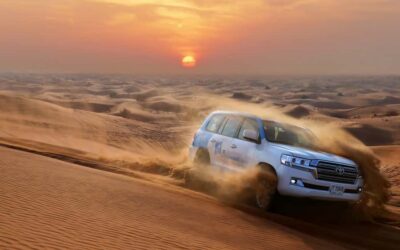
Desert Safari with Camp, Dinner, & Optional Overnight
Read our review →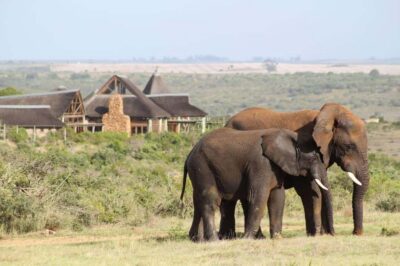
3 Days Serengeti & Ngorongoro Group Camping Safari
Read our review →Lists this safari turns up in