Review · OVERNIGHT & CAMPING SAFARIS
2 days private lodge safari
Tarangire’s elephant herds and Ngorongoro Crater’s dense wildlife make this a sharp two-day introduction to northern Tanzania. You leave Arusha early, spend the first day among baobabs and swamps, then descend into the crater for a half-day game drive before returning.
I like the small maximum group of seven and the fact that park fees, meals, fuel, and a safari vehicle are bundled into the price. I also like the range of guides praised for patient driving and strong animal knowledge, including Joel, Hariel, Terry, Bryson, and Herman.
The main point to check before paying is the accommodation description. The trip is presented as a lodge safari in some places and a camping safari in others, with past stays described as clean igloo-style tents or small houses. At $1,600 per person, you should confirm exactly what room and transport arrangement you are buying.
Key points to know before booking
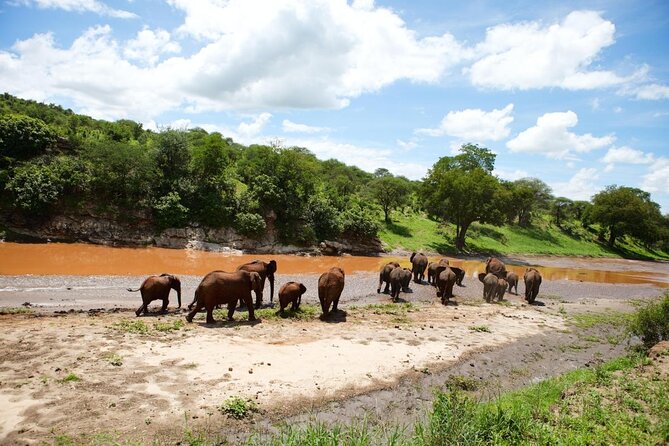
- Tarangire comes first: You get a long game drive among elephants, baobabs, acacia woodland, and seasonal swamps.
- Ngorongoro is the second-day prize: A 600-meter descent leads to one of Tanzania’s most concentrated wildlife areas.
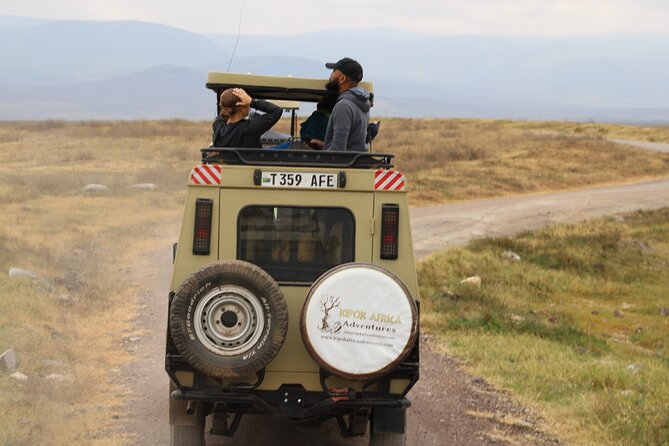
- The group stays small: The maximum is seven people, while transport is listed as a custom-built 4×4 safari vehicle.
- Meals and park costs are covered: Breakfast, dinner, two lunches, park fees, fuel, taxes, and campsite or accommodation costs are included.
- Guide quality matters: Joel, Hariel, Terry, Bryson, and Herman are among the guides associated with particularly strong experiences, but your assigned guide can vary.
- The pace is brisk: This is a useful two-day sampler, not a slow safari with long time in each park.
Why these two parks work well in two days
A two-day safari can feel rushed, but Tarangire and Ngorongoro make a sensible pair. Tarangire gives you open space, giant trees, and some of northern Tanzania’s best elephant viewing. Ngorongoro then changes the scene completely, placing you inside a vast crater where water and grass support animals through the year.
I like this combination because the parks offer different visual rewards. In Tarangire, you look for movement along the Tarangire River and around the swamps. In Ngorongoro, the crater walls frame the drive and wildlife often appears across a broad, enclosed basin.
You should still set realistic expectations. Two days gives you a strong sample, but it leaves little room for a missed animal sighting, a slow road, or a delayed departure. This is best for someone who wants two major stops and is willing to trade a relaxed pace for efficiency.
The price is $1,600 per person. That is a serious amount, but it covers many of the expensive parts of a northern Tanzania safari: park entry, a guide-driven 4×4, fuel, accommodation, meals, taxes, and game drives. The value depends heavily on your final accommodation and on whether the transport is shared or exclusive.
More Overnight Safaris in Arusha
- 4 Days Group Camping Safari
★ 5.0 · 1,101 reviews - 5 Days Group Camping Safari
★ 5.0 · 730 reviews - 3 Days Serengeti & Ngorongoro Group Camping Safari
★ 5.0 · 574 reviews
Day one: elephants and baobabs in Tarangire
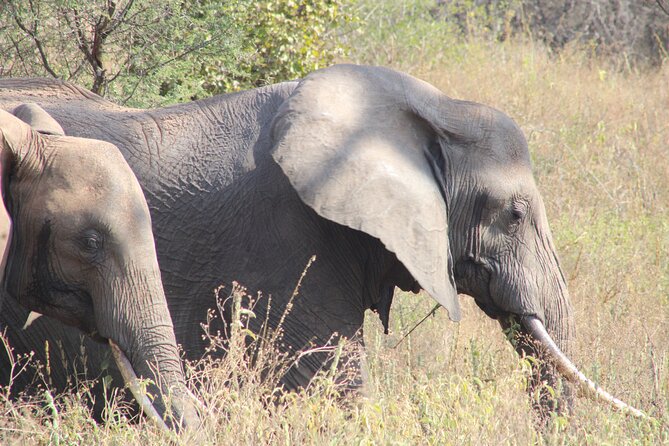
Your first morning begins after breakfast in Arusha, with an early drive toward Tarangire National Park. The stated time inside the park is about nine hours, so this is not a quick stop for a few photographs. You should expect most of the day to be built around a game drive.
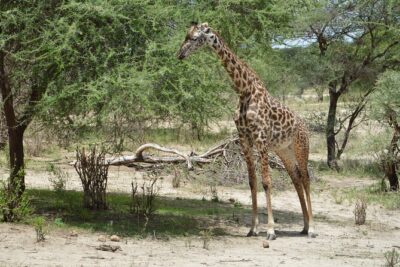
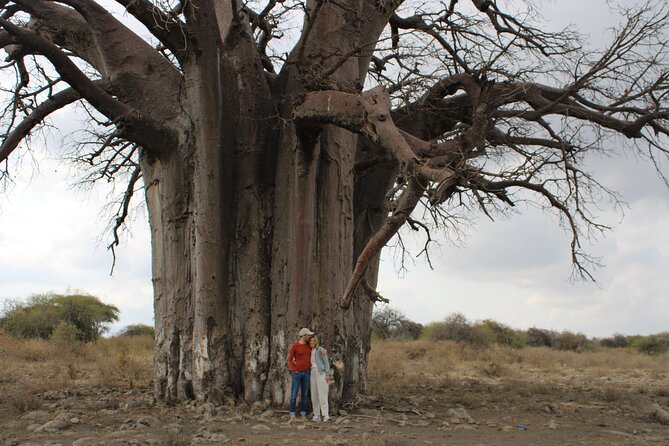
Tarangire follows the Tarangire River, with low hills on the Great Rift Valley floor. Acacia woodland gives way to giant baobabs and large swamp areas, especially toward the south. These features matter because water and food draw animals into particular areas during the dry season.
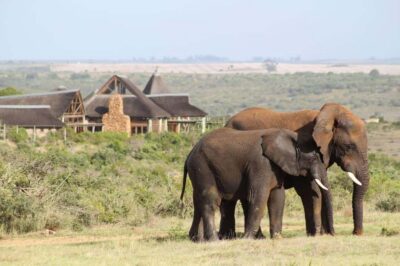
The park is best known for elephants, and this is where the trip may deliver its most memorable sighting. Large herds can gather around water and move between the trees. You may also see lions, depending on conditions and the skill of your driver-guide, but the park’s elephant setting is the more dependable draw.
Tarangire is also associated with three less common species: greater kudu, fringe-eared oryx, and ashy starling. These are not guaranteed sightings, so treat them as welcome bonuses rather than promises. A guide who knows the park well can help you understand why one animal is easier to find in woodland while another favors a different part of the park.
The long game drive is a real strength, but it can be tiring. Safari roads can be bumpy, and you spend much of the day seated in the vehicle. One useful detail from the feedback is that good guides made regular breaks, carried cooled water, and drove with patience around animals. I would ask about water and breaks before departure, especially if you are traveling with children.
Lunch is included, and the package lists two lunches in total, one for each safari day. Dinner and breakfast are also included, so you do not need to budget for meals during the trip. Personal drinks, laundry, communication, and tips remain your responsibility.
After Tarangire, you continue toward the Mto wa Mbu area for the night. This location is practical because it places you near the route to Ngorongoro. It is not presented as a full evening of entertainment, so think of the overnight stay as a useful base between two long park days.
The overnight stay: lodge, camp, or small house?
This is the part I would clarify most carefully. The experience is described as a lodge safari in one place, while the main summary presents a group camping safari. The included items mention lodge accommodation, and specific experiences describe clean, comfortable igloo-style campsites or small houses with good food and views.
Those descriptions may refer to different accommodation categories used by the operator, or to wording that has not been updated across the package. You should ask three direct questions before booking:
- Is the night in a permanent lodge, an igloo-style tent, or a standard tent?
- Is a private room included, or is the room shared?
- Are campsite fees and camping equipment included for this exact departure?
This matters because $1,600 per person suggests a higher price than a basic camping trip, although the cost also includes two parks and a guide-driven 4×4. The accommodation reports are encouraging, with clean facilities, comfortable small units, good meals, and panoramic views. Still, the exact room type affects the value.
The group size also deserves clarification. The package allows up to seven people, which means you may share the vehicle with other people. At the same time, the transport is described as a private custom-built 4×4. That can mean a vehicle arranged for your booking but carrying a small group, not necessarily a vehicle used only by you.
Day two: descending into Ngorongoro Crater
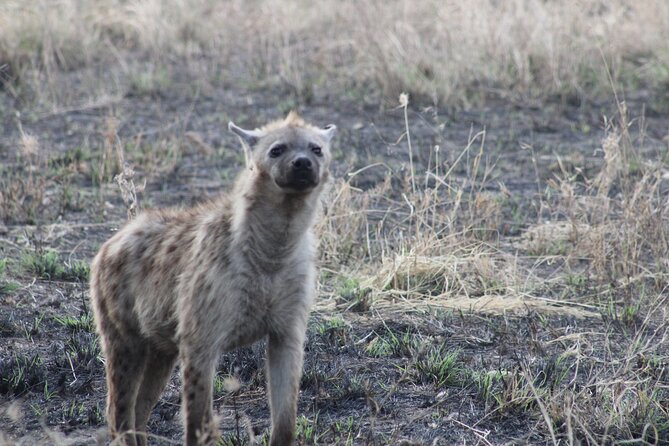
After breakfast, you head to Ngorongoro Crater for a morning and half-day game drive. The route descends about 600 meters into the crater, and the change in elevation gives this part of the trip a strong sense of arrival.
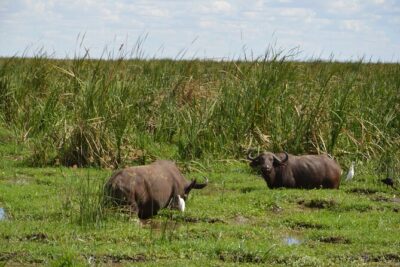
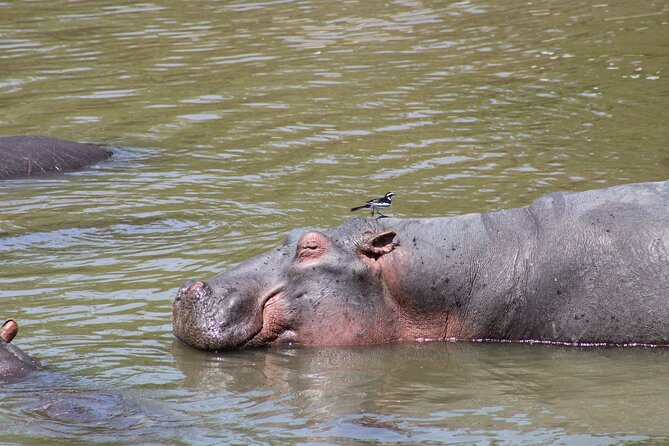
Ngorongoro is a large natural basin with a year-round water supply and grazing areas. That steady food and water support a high concentration of animals. The stated estimate is about 30,000 animals, including wildebeest, zebra, buffalo, eland, warthog, hippo, and elephants.
This is also the park where you have a chance to see black rhino. Sightings are never guaranteed, but the crater is one of the important places in Tanzania to look for them. A guide who takes time to explain animal behavior can make a distant shape or brief movement much more meaningful.
Predators are another major reason to visit. Lions, hyenas, jackals, and cheetahs are listed among the crater’s wildlife. The enclosed setting can make sightings feel more concentrated than in a large, open park, though the number of vehicles and the animals’ location can affect your experience on the day.
I would give the crater your full attention, even if you are tired from Tarangire. The views from above are striking, but the real value comes after the descent, when you see how the crater floor supports grazing animals, hippos, elephants, and predators in one compact area.
A half-day drive is enough to see a great deal, but it does not allow you to linger everywhere. If you want a slower visit, more time with birds, or repeated attempts to find a particular animal, a longer safari would suit you better. This tour is built around seeing the highlights before returning to Arusha.
More Overnight Safaris in Tanzania
- 2 Days Tarangire and Ngorongoro Group Camping Safari
★ 5.0 · 146 reviews - 6 Days Tanzania Budget Camping Safari
★ 5.0 · 145 reviews - 3 Day Serengeti National Park & Ngorongoro Crater Camping Safari
★ 5.0 · 142 reviews - Multi-Day Tanzania Odssey Safari from Arusha
★ 5.0 · 120 reviews
The guide can shape the whole experience
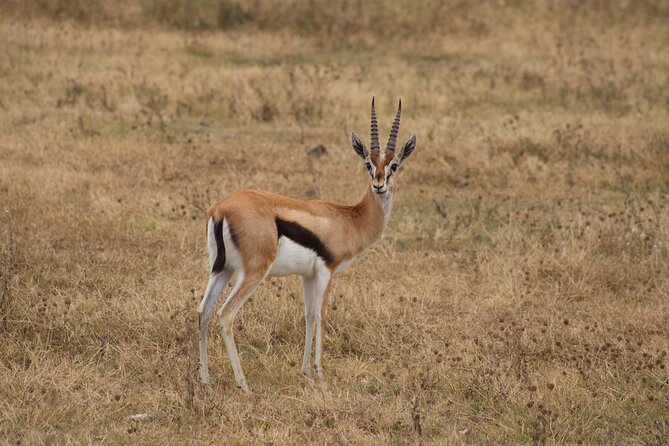
Your driver-guide is more important than the brochure language. The vehicle gets you to the parks, but the guide decides how carefully you approach animals, how clearly the habitat is explained, and how patiently the day is handled.
Several guides are connected with especially strong experiences. Joel is praised for explaining animals and vegetation in detail, and for making the two-day trip feel personal. Hariel, also written as Heriel in some material, is associated with careful driving, strong park knowledge, and family-friendly service.
Terry is described as knowing both Tarangire and Ngorongoro well, including birds and animals. Bryson is noted for being kind, clever, and good company during a bumpy two-day drive. Herman is associated with respectful driving around wildlife.
You cannot assume you will receive one of these specific guides. Names can change with availability. I would request a guide who speaks clear English and ask whether the assigned driver also handles guiding, which is common on this type of safari.
The best guide is not simply the one who finds a lion. You want someone who explains why animals are in a certain area, avoids careless approaches, allows time for photographs, and keeps the vehicle comfortable. Reports of punctual starts, cooled water, good breaks, and respect for animals are all useful signs of the service level to seek.
What the included price really covers
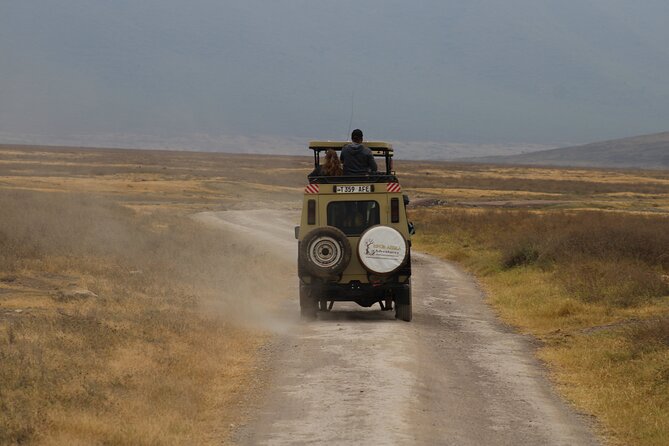
At $1,600 per person, the package includes:
- Breakfast and dinner
- Two lunches
- English-speaking guide
- Park fees
- A custom-built 4×4 safari vehicle
- Driver-guide fuel
- All fees and taxes
- Lodge accommodation, according to the inclusions
- Camping equipment and campsite fees, according to the main description
That last pair is where the wording needs confirmation. If lodge accommodation is included, ask why camping equipment is also listed. If the trip uses an igloo-style camp, ask whether it is a permanent structure or a tent with camping services.
The package does not include international flights, travel insurance, a Tanzania visa, tips, laundry, or communication costs. You should also allow money for personal purchases and any drinks not supplied as part of the meal service.
The value is strongest if you want an organized short safari and do not want to arrange park access, accommodation, meals, and transport separately. It is weaker if you expect a luxury lodge, a completely private vehicle, or a slow schedule with long stays in each park.
Who will like this safari most?
I would recommend it to a first-time safari visitor with limited time in Tanzania. You get two famous parks, a strong chance of seeing large herbivores, a realistic opportunity for predator sightings, and the possibility of seeing black rhino in Ngorongoro.
Families may also find it suitable. A family with two children reported a clean and comfortable igloo-style campsite, good food, and a guide who handled the trip well. Still, the long vehicle days and bumpy roads mean you should discuss the pace with the operator before committing.
This trip also suits people who prefer a small group to a fully private safari. A maximum of seven keeps the vehicle from becoming a large bus, and sharing can reduce costs. If you want every stop chosen around your own interests, ask for a private departure and confirm the additional price.
I would not choose it for a relaxed honeymoon, a luxury lodge holiday, or a specialist birding trip. The two-day schedule is compact, and the accommodation description is not precise enough for someone paying mainly for high-end comfort.
Practical details before you go
Pickup is offered from Arusha, and the activity ends back at the meeting point. Confirmation is provided at booking, and most people can participate. The experience is near public transportation, though the main safari itself is conducted in the supplied vehicle.
The cancellation policy allows a full refund if you cancel at least 24 hours before the start time. Changes or cancellations inside that period are not accepted for a refund. The operator also requires a minimum number of people and may offer another date or a full refund if that minimum is not reached.
I would confirm the pickup time, exact accommodation, group size, and guide name a few days before departure. I would also ask what kind of lunch is supplied and whether drinking water is included, since those details make a long game drive much easier.
Should you book it?
Book this safari if you want a fast, well-organized introduction to Tarangire and Ngorongoro, with most major costs included and a small group rather than a large coach. The wildlife pairing is excellent, and the strongest service reports point to careful guides, good explanations, respectful driving, comfortable accommodation, and smooth planning.
Pause before booking if the words private lodge safari are central to your decision. At $1,600 per person, you should receive a clear answer about the room, the vehicle, and whether you share with other people. Once those details are confirmed, this can be a practical two-day route for seeing elephants, crater wildlife, baobabs, hippos, and perhaps black rhino without arranging every piece yourself.
FAQ
Where does the safari start and finish?
It starts in Arusha, Tanzania, with pickup offered. The activity ends back at the meeting point.
How long is the experience?
The safari lasts approximately two days. The Tarangire portion is listed at about nine hours, and the Ngorongoro Crater portion at about eight hours.
Which parks are included?
The safari visits Tarangire National Park on the first day and Ngorongoro Crater on the second day.
How many people can join?
The maximum group size is seven travelers.
Is accommodation included?
Yes. Accommodation is listed as included, although the package uses both lodge and camping descriptions. Confirm the exact accommodation type before booking.
Are meals included?
Yes. Breakfast, dinner, and two lunches are included.
Is a guide included?
Yes. An English-speaking guide and a driver-guide with a custom-built 4×4 safari vehicle are included.
What is not included in the price?
International flights, travel insurance, a Tanzania visa, tips, laundry, communication, and personal expenses are not included.
More two-day safaris in Arusha
- 2 Days Group Joining Camping Safari Tarangire Park and Ngorongoro Crater
★ 4.5 · 28 reviews - 2 days Mid Range Safari in Ngorongoro and Tarangire Big 5 Parks
★ 5.0 · 27 reviews - 7 Day Kilimanjaro Climb Lemosho Route & 2 Day Safari
★ 5.0 · 16 reviews - 2 Day Safari Tarangire and Ngorongoro Crater
★ 5.0 · 16 reviews
Newest safaris around Arusha
- 7 days great migration safari★ 5.0 · 77 reviews
- 4 days safari★ 5.0 · 34 reviews
- 6 days Tanzania budget safari★ 5.0 · 65 reviews
- 5 days safari, hiking & culture (Serengeti & kilimanjaro)★ 5.0 · 27 reviews
- Amazing 4 Days Tanzania Budget Camping Group Joining Safari★ 5.0 · 15 reviews
- Best 5 Days Tanzania Private Luxury Safari with luxury Lodges★ 5.0 · 12 reviews
- Serengeti & Ngorongoro fly in safari★ 5.0 · 76 reviews
- 8 Days 7 Nights Tanzania Wildlife & Culture Lodge Safari★ 5.0 · 17 reviews
Overnight & Camping Safaris, side by side.
Overnight Safari, Dinner, Stargazing & Al Khayma Camp
Read our review →
Dubai Overnight Desert Safari, BBQ & Stargazing at Al Khayma Camp
Read our review →

Desert Safari with Camp, Dinner, & Optional Overnight
Read our review →