Review · NATIONAL PARK SAFARIS
4 Days Tanzania Private safari to Serengeti ,ngorongoro crater and Tarangire
The real prize here is variety: in four days, you move from elephant country in Tarangire to the open plains of the Serengeti, then finish inside the wildlife-packed Ngorongoro Crater. A private jeep, pop-up roof, guide-driver, and chef make the trip feel personal rather than packaged.
I like the early Serengeti game drive, when sunrise and cool air give you the best chance for an active morning. I also like having a chef along. After hours on rough park roads, a proper hot meal matters. The main drawback is the pace: this is a lot of ground in four days, with long drives between parks and only part of Day 4 on the crater floor.
Key points to know
- Three famous parks in four days: Tarangire, Serengeti, and Ngorongoro each offer a different wildlife setting.
- Private vehicle for up to two people: You share the custom safari jeep only with your own party.
- A chef travels with you: Breakfast, lunch, and dinner are listed, along with drinking water.
- Ngorongoro is the grand finale: The 610-meter descent leads to a crater floor with permanent water and resident wildlife.
- Early starts are part of the deal: The Serengeti morning drive begins at 6 a.m., so bring warm clothing.
- Guide quality matters: Elias, Frank, Innocent, Mirage, and Prochose are among the guides praised for animal knowledge and care, though the assigned guide is not guaranteed.
Three North-Circuit Parks in Four Days
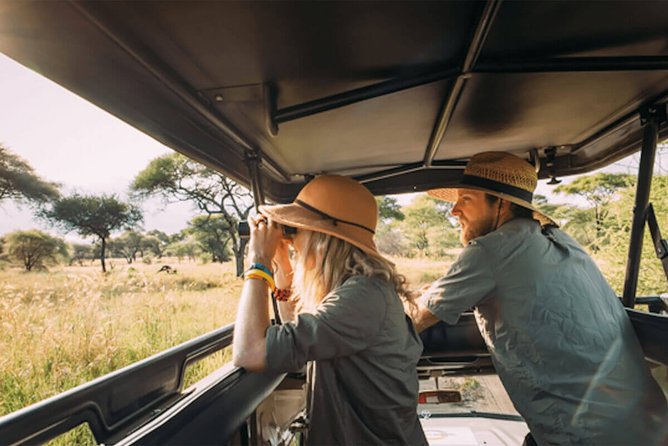
This private Tanzania safari is designed for people who want the classic northern circuit without joining a large group. You start in Arusha and travel by custom safari jeep with a pop-up roof, a guide-driver, and a chef. The roof gives you a clear view for photography and animal spotting, while the private setup lets you ask questions, pause for sightings, and set the rhythm around your own group.
The price is $3,200 per group of up to two people. That works out to $1,600 per person if two people share the cost. It is not a bargain-basement safari, but the price includes private transport, park-related parking fees, a chef, meals, drinking water, binoculars, beer and wine, and the services of a guide-driver.
Accommodation details are not fully specified, so you should ask exactly which lodges and campsites are planned before paying. The trip describes lodge accommodation after Tarangire, a campsite near Seronera in the Serengeti, and Simba Campsite near Ngorongoro. Some experiences have used comfortable lodges and camping, giving you a mix of convenience and a closer-to-nature night.
More National Park Safaris in Arusha
- 3 Day Serengeti National Park & Ngorongoro Crater Camping Safari
★ 5.0 · 142 reviews - 5 Days Tanzania Group Joining Safari, Tarangire/Serengeti/Ngorongoro Crater
★ 5.0 · 85 reviews - 5 day safari Tarangire Serengeti and Ngorongoro crater
★ 5.0 · 83 reviews
Day 1: Elephants and Baobabs in Tarangire
After breakfast, pickup begins in Arusha, followed by a direct drive to Tarangire National Park. You carry a picnic lunch and begin a game drive in the middle of the park. The day can run until late afternoon or evening before you continue to your lodge for dinner and sleep.
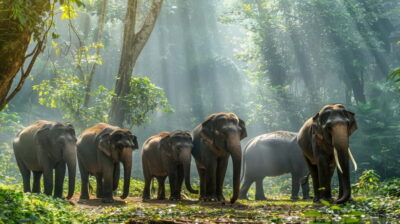
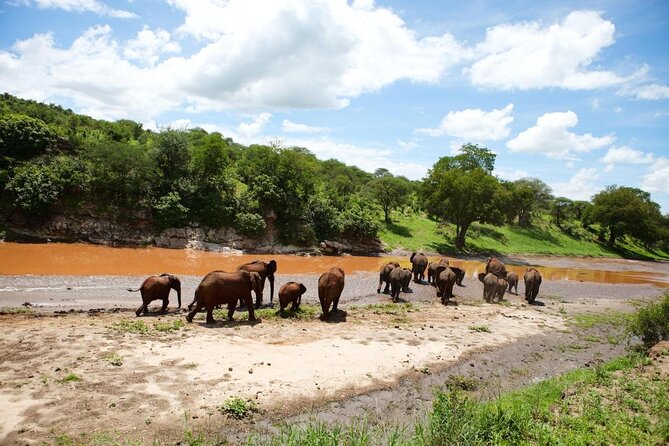
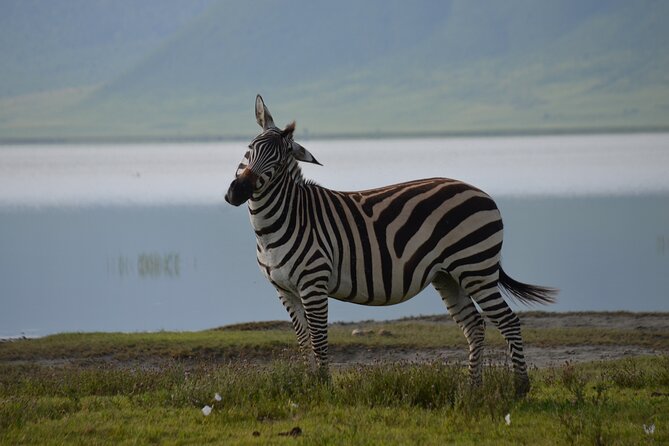
Tarangire is often treated as a warm-up for the Serengeti, but that sells it short. It is especially known for its large elephant herds. Keep your eyes low for buffalo, impala, zebra, warthog, and giraffe, then look into the trees as well. A leopard may be resting above the road, though no wildlife sighting is guaranteed.
The park offers a useful introduction to safari viewing because you are not looking for only one famous animal. You begin to learn how a guide reads movement, tracks, trees, and open ground. This is where a private vehicle helps. You can ask your guide to explain why the jeep stops, what an animal is doing, and how to use the binoculars provided.
The first day is also a long one. The drive from Arusha and the game viewing add up to roughly six hours or more of scheduled activity, not counting road conditions and stops. You will want a hat, sunscreen, water, and a light jacket. The open roof is wonderful for viewing, but sun and dust are part of the experience.
Day 2: The Long Road to the Serengeti
Day 2 starts with an early breakfast. You pack your belongings into the jeep and travel toward the Serengeti through the Manyara area and along the Rift Valley escarpment. A Maasai village visit is offered as an option on the way, giving you a chance to add a cultural stop if you want more than wildlife viewing.
This is the transfer day, and it deserves realistic expectations. The Serengeti is not next door to Tarangire. Much of the day is spent on the road, although the changing views and the approach to the park make the journey part of the safari. You are expected to reach the Serengeti by evening and continue with a game drive toward the Seronera area.
Seronera is a practical base in the central Serengeti. The area is known for game viewing, and arriving with time for an evening drive gives you a first look before settling at camp. Depending on the season and recent animal movements, you might find big cats, grazing herds, or smaller animals active as the day cools.
The itinerary describes camping near Seronera. Confirm whether your booking uses a basic campsite, a tented camp, or another arrangement. The distinction matters. Camping can be a memorable part of the safari, but it offers a different level of comfort from a lodge. The operator supplies a chef, which helps make camp meals more reliable and comfortable.
Day 3: Sunrise Over the Serengeti
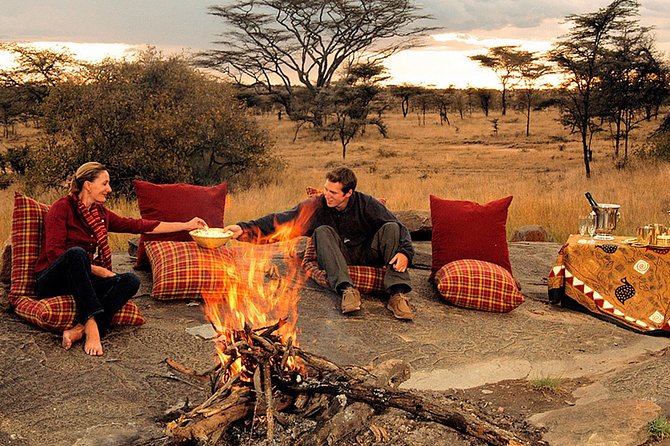
The strongest wildlife day may be Day 3. You wake around 6 a.m. after a hot cup of coffee and head out for a morning game drive. The early light is beautiful, and animals can be active before the heat of the day. The tradeoff is simple: mornings in the Serengeti can be cold, so pack warm clothes in an easy-to-reach bag.
You continue viewing animals until midday, then return to camp for a full breakfast and lunch, described as a combined brunch. That return gives you time to eat and rest instead of spending every hour in the vehicle. It also shows the value of having your own chef and a private schedule.
Later, you leave the Serengeti for the Ngorongoro Conservation Area, with game viewing along the route to Simba Campsite. This transition is one of the most memorable parts of the trip. The broad Serengeti plains give way to the higher crater area, and the change in setting prepares you for the final morning.
The Serengeti is where the safari can produce its biggest surprises. The experience has included sightings of the Big Five, many other animals, and even a successful cheetah hunt. Those moments depend on timing and luck, not on a promise from the operator. A good guide can improve your chances by knowing the area and watching how other vehicles respond, but nature sets the schedule.
Several guides connected with this experience have received strong praise for their animal knowledge and care. Elias is repeatedly identified as a skilled guide who explains animals, parks, and Tanzania clearly. Frank is noted as a French-speaking guide, while Innocent and Mirage are also praised for their driving, kindness, and knowledge. Prochose is described as a strong guide for family trips. Ask who will lead your safari and what languages they speak.
More National Park Safaris in Tanzania
- 3 Days Small Group Safari to Serengeti NP and Ngorongoro Crater Tour in Tanzania
★ 5.0 · 77 reviews - 5 Day Silver Serengeti & Ngorongoro Crater & Tarangire Safari
★ 5.0 · 46 reviews - 6 days 5 nights safari Ngorongoro, Serengeti and Tarangire National Parks
★ 5.0 · 39 reviews - 4 Days lodge safari Tarangire , Ngorongoro crater & Walking
★ 5.0 · 39 reviews
Day 4: Inside the Ngorongoro Crater
After breakfast, you take a picnic lunch and make the short drive to the crater descent gate. The road drops 610 meters to the crater floor, where you spend about half a day on a game drive. The views from the rim are a major part of the appeal, but the crater floor is the reason to come down.
Ngorongoro has permanent water, so animals can remain in the crater through much of the year. You might see large numbers of resident animals in a relatively compact area. There is also a chance of spotting rhinoceros, although even here, sightings are never certain.
The crater is a striking final act because it feels different from the open Serengeti. You are surrounded by steep walls, with wildlife concentrated on the floor below. That can make animal viewing easier, but it also means the experience may feel more structured and less expansive than a full day on the plains.
After lunch, you ascend to the rim, collect the camping staff, and begin the drive back to Arusha. The listed duration for Day 4 appears inconsistent with the described crater visit and return drive, so ask the operator for the exact expected arrival time. You should not plan a tight flight or other fixed appointment that evening without confirmation.
What the Private Safari Setup Adds
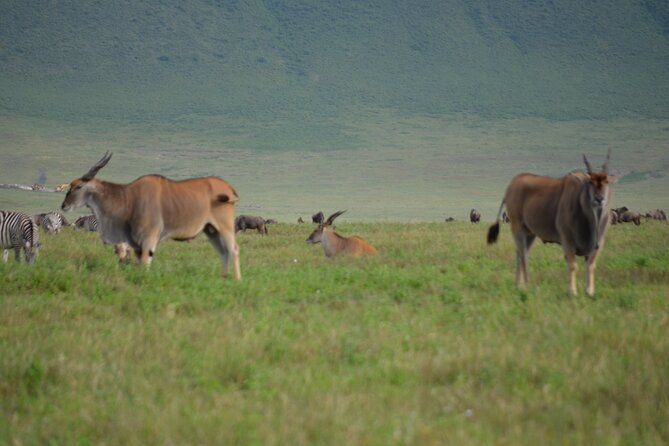
A private tour for up to two people gives you control that is hard to get in a larger vehicle. You can spend longer with an animal, request more explanation, or choose a quieter pause when the roads and heat become tiring. You are not waiting for several unrelated parties to finish lunch or photography.
The custom jeep has a pop-up roof, which is the standard useful feature you want on a wildlife trip. You can stand or sit beneath the roof for a broad view, then lower your position when the sun becomes strong. Binoculars are included, but you should still bring a camera with a useful zoom if photography matters to you.
The guide-driver is central to the quality of the trip. The best guides do more than point out animals. They explain behavior, identify species, share information about the parks and local culture, and drive with patience around wildlife. The past feedback highlights guides such as Elias, Frank, Innocent, Mirage, and Prochose, but you should treat those names as examples rather than a guarantee of assignment.
Having a chef is another major advantage. The package lists four lunches, four dinners, and three breakfasts, plus drinking water. Since the trip is four days and three nights by its description, ask the company to clarify the meal count and exactly which meals are served in lodges, camps, or picnic settings. Beer and wine are also listed, an unusual inclusion for a safari package, but you should confirm what quantity and serving arrangements apply.
Food, Camping, and Comfort
This is not presented as a luxury lodge safari, though some arrangements may be quite comfortable. You get a mixture of lodge accommodation and camping, and the level of comfort can vary from night to night. That mix suits you if you want some convenience but also want to experience sleeping closer to the parks.
Camping near the Serengeti and Ngorongoro can make the trip feel more connected to the setting. It also means you should pack with flexibility. Bring warm layers for early mornings, comfortable clothes for long drives, sturdy footwear, sun protection, and a small day bag for items you need during game drives.
The food has been a clear strength of the experience. A dedicated chef can prepare meals suited to the safari schedule, including picnic lunches and hot food at camp. If you have dietary restrictions, tell the operator before departure and ask for written confirmation.
Is $3,200 Good Value for Two People?
At $3,200 for a private group of two, the value depends on what matters most to you. You are paying for private use of the vehicle, a guide-driver, chef service, park access arrangements, meals, water, binoculars, and a four-day route through three major destinations. Compared with a shared safari, the private vehicle and personal service are the main reasons to consider the price.
The package does not include visa costs, guide-driver tips, or souvenirs. Accommodation is described but not named in the supplied details, so the price cannot be judged properly until you know the exact camps and lodges. Ask whether all park fees, camping fees, transfers, and accommodation charges are included in the quoted total.
For two people who value privacy and want the classic northern circuit, the price can be reasonable. For a solo visitor, it is less attractive because the full group rate applies to one or two people. If your budget is tight, compare the same route with a shared vehicle, but understand that you may lose control over stops and timing.
Who Will Enjoy This Safari Most?
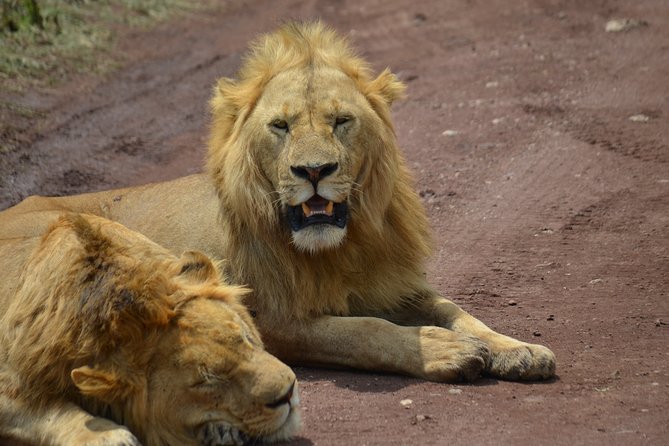
I would choose this trip if your main goal is wildlife and you want to see the three best-known destinations in northern Tanzania within a short window. It works well for couples, close friends, or a small family group that values its own vehicle.
The itinerary also suits you if you are comfortable with early starts, long drives, changing accommodation, and basic camping. You should not book it expecting a slow, lodge-based holiday with late mornings and generous free time.
Families can benefit from the private format because the guide can explain animals at a pace that suits younger people. Couples may appreciate the quiet of a private vehicle and the chance to shape the day around a memorable sighting. If you want a cultural component, ask to add the optional Maasai village visit on Day 2.
The trip is a good fit for first-time safari visitors because it covers a wide range of animals and settings. More experienced safari fans may prefer a longer stay in one park, especially if their priority is following the Great Migration or spending more time in the Serengeti. This four-day plan gives you breadth, not endless hours in a single area.
Practical Details Before You Book
Pickup is offered in Arusha, and confirmation is provided at booking. The activity is private, so only your own group participates. Most people can take part, but you should be ready for long periods seated in a vehicle and for uneven roads inside the parks.
The tour requires suitable weather. If poor weather causes cancellation, you are offered another date or a full refund. You can cancel for a full refund up to 24 hours before the experience begins. Cancellations or changes inside that 24-hour window are not accepted.
Before booking, get clear answers on four points:
- The names and standards of each lodge or campsite
- The guide’s name and language
- The exact meal schedule and what the four lunch and dinner entries mean
- Your expected return time to Arusha on Day 4
These questions are not fussing over small details. They tell you how comfortable the trip will be and whether it fits your onward plans.
Should You Book This Four-Day Safari?
Book it if you want a private, wildlife-first introduction to Tarangire, Serengeti, and Ngorongoro, and you are happy to trade a relaxed pace for a broad route. The elephant herds, early Serengeti drive, crater descent, chef-prepared meals, and private jeep create a strong four-day package.
Think twice if you dislike camping, long road transfers, or uncertain return times. Also ask for accommodation details before committing, since that information affects the real value of $3,200.
For two people who want a focused northern Tanzania safari with personal guiding, this is a sensible choice. The itinerary is busy, but it gives you three very different wildlife settings and a final morning in Ngorongoro Crater, one of the most memorable places on the route.
FAQ
Where does the safari begin?
The safari begins with pickup from your hotel in Arusha, Tanzania.
How many people can join the private tour?
The price covers a private group of up to two people. Only your own group participates.
Which parks are included?
The route includes Tarangire National Park, Serengeti National Park, and the Ngorongoro Crater within the Ngorongoro Conservation Area.
Are meals included?
Yes. The package lists breakfast, lunch, dinner, and drinking water. A chef travels with the safari. Because the itinerary describes three nights but lists four lunches and four dinners, ask the operator to confirm the exact meal schedule.
Is a Maasai village visit included?
A Maasai village visit is optional on the way to the Serengeti on Day 2. It is not described as a required part of the route.
What is not included in the price?
Tips for the guide-driver, visa costs, and souvenirs are not included. The accommodation details should also be confirmed before booking.
More four-day safaris in Arusha
- 4 Days Group Camping Safari
★ 5.0 · 1,101 reviews - 4-Day Safari from Arusha: Tarangire, Serengeti and Ngorongoro
★ 5.0 · 173 reviews - 4 Days safari Tour Tanzania
★ 5.0 · 159 reviews - 4 Days Tarangire, Serengeti and Ngorongoro Mid-Range Group Safari
★ 5.0 · 84 reviews
Newest safaris around Arusha
- 7 days great migration safari★ 5.0 · 77 reviews
- 4 days safari★ 5.0 · 34 reviews
- 6 days Tanzania budget safari★ 5.0 · 65 reviews
- Amazing 4 Days Tanzania Budget Camping Group Joining Safari★ 5.0 · 15 reviews
- 5 days safari, hiking & culture (Serengeti & kilimanjaro)★ 5.0 · 27 reviews
- Best 5 Days Tanzania Private Luxury Safari with luxury Lodges★ 5.0 · 12 reviews
- Serengeti & Ngorongoro fly in safari★ 5.0 · 76 reviews
- 5-Day Mid-Range Safari in Tanzania★ 5.0 · 33 reviews
National Park Safaris, side by side.
Teide National Park Sunset & Stargazing with Dinner (Star Safari)
Read our review →
Teide National Park: Sunset & Stargazing Safari with Dinner
Read our review →Udawalawe National Park | Private Safari Tour
Read our review →
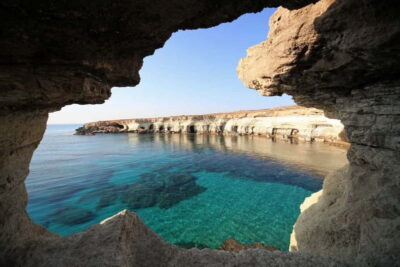
East Coast National Park: Half-Day Caves Jeep Safari
Read our review →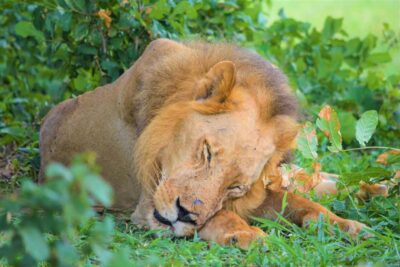
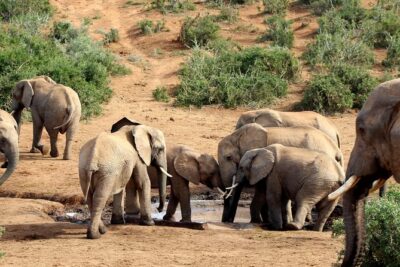
Addo Elephant National Park All Inclusive Full-Day Safari
Read our review →