
Review · 7-DAY EXPERIENCES
7-Day Great Migration Safari
The real strength of this safari is its sweep. In seven days, you move from Tarangire’s elephant country to Lake Manyara, spend three nights in the Serengeti, then finish with the Ngorongoro Crater. Three Serengeti nights give you a much better chance at unhurried game drives than a quick one-night visit.
I like the private format, since your group can work with the guide on picnic lunches, early drives, and late-afternoon outings. I also like the guide team’s reputation for sharp animal spotting. Wilson, Emmanuel, Mathieu, and other EastCo guides are praised for their field knowledge, driving, and ability to make the trip work for families and photographers.
The main consideration is the amount of time on rough park roads. This is a full safari, not a restful lodge holiday, and the words Great Migration do not guarantee a river crossing or a particular herd location. Migration sightings depend on season, rain, and animal movement.
Key points to know before you book
- Three nights in the Serengeti: This is the heart of the trip, with two full days for game drives and a travel day in and out.
- A private safari vehicle and guide: Only your group participates, allowing more flexibility than a shared departure.
- Four major wildlife areas: Tarangire, Lake Manyara, Serengeti, and Ngorongoro each offer a different setting and style of viewing.
- Meals and park fees included: Six breakfasts, six lunches, seven dinners, bottled water, accommodation, taxes, and national park fees are covered.
- Optional activities: Add a Tarangire night drive for $30 per adult or a Ngorongoro Crater Rim walk for $30 per person.
- A long final day: You descend into Ngorongoro early, enjoy about six hours of crater touring, then drive back to Arusha.
Why this seven-day route works
At $3,850 per person, this safari is a serious purchase. But the price includes private touring, seven dinners, six breakfasts and lunches, accommodation, park fees, taxes, and bottled water. You are paying for access to four major wildlife areas, not just for a vehicle and a few game drives.
The route also avoids the common mistake of squeezing the Serengeti into one hurried night. You spend Day 3 reaching Seronera, then have Days 4 and 5 for full-day exploration. That gives your guide room to choose between a picnic lunch in the park or two shorter drives with a midday break at camp.
I would still ask for the exact lodge category and room arrangements before paying. The listed properties include Boundary Hill Lodge, Rhotia Valley Lodge, Serengeti Pure Luxury Camp, and Ngorongoro Sopa Lodge. The itinerary says accommodation is included, but it does not provide room types, bedding arrangements, or a detailed meal plan.
The private setup matters here. Guides such as Wilson have been praised for teaching families about animals, while Mathieu is singled out for finding an unusually close wildlife sighting. Emmanuel is also described as a calm, well-prepared guide who helped keep the trip organized. Specific guide assignments can change, so treat those names as examples rather than a promise.
More week-long safaris in Arusha:
- 7-Day Premium Luxury Tanzania Safari All-Inclusive
★ 5.0 · 426 reviews - Group Safari 7 Days in Tanzania’s Main Parks
★ 5.0 · 240 reviews - 7 Days Tanganyika Wilderness Safari
★ 5.0 · 159 reviews
Day 1: Tarangire’s elephant country
You leave Arusha at 8:00 a.m. with a picnic lunch and head for Tarangire National Park. The plan calls for afternoon game viewing as you travel toward Boundary Hill Lodge for dinner and the night.
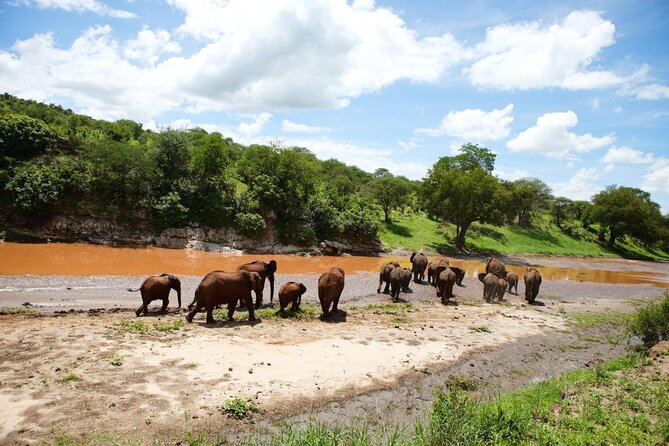
Tarangire is a good first park because it offers a clear introduction to northern Tanzania’s wildlife. The park is known in this itinerary for its elephant swamps, and the setting gives the opening day a different feel from the wide Serengeti plains. Your guide can use the afternoon to begin reading the area, finding animals, and getting your group comfortable with the safari vehicle.
The trade-off is timing. You do not have a full day in Tarangire. An afternoon drive gives you a useful first look, but you should not expect it to cover every part of the park.
A night drive is available as an extra for $30 per adult and $20 per child. Ask about the timing and exact operating arrangements before deciding. It can add a different feel to the day, but it also makes for a long start to the safari.
Day 2: Lake Manyara and the Great Rift Valley
The second morning begins with a walk before you leave for Lake Manyara National Park. The itinerary does not specify the length or precise format of this walk, so ask your operator for details and suitable footwear advice.
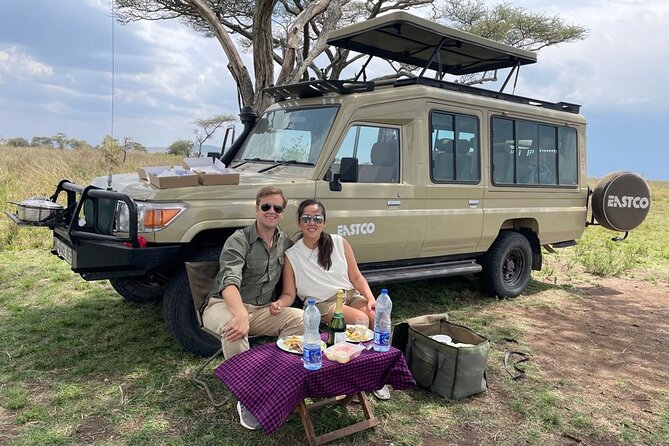
You then take a picnic lunch into Lake Manyara for game viewing before climbing toward the Great Rift Valley and Rhotia Valley Lodge. This day combines a park visit with a major change in elevation and scenery. You will not spend the night beside Lake Manyara. Instead, you finish higher up in the valley area.
Lake Manyara is a shorter stop than the Serengeti portion, so think of it as a varied chapter rather than the main event. If your priority is a certain animal or a long photographic session, tell the guide early. The private format gives you a better chance to discuss how to use the available time.
The walk and picnic lunch also make this day feel less repetitive. You are not simply sitting in the vehicle from breakfast to dinner. Still, two straight days of road travel and park touring can be tiring, especially for children.
Day 3: The long road to Seronera
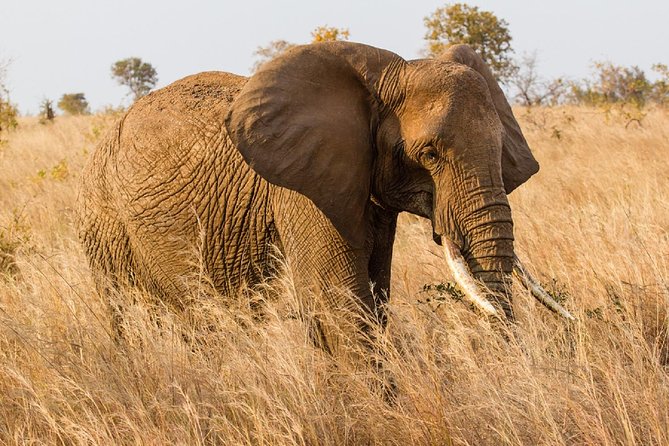
After leaving Karatu, you travel toward the Serengeti with a picnic lunch and game viewing along the way. You finish at Serengeti Pure Luxury Camp near Seronera.
This is a major transition day. The Serengeti is vast, and reaching the central Seronera area takes time. The benefit is that you arrive inside the park rather than treating it as a quick day trip from outside. You can begin looking for wildlife before reaching camp, then use the next two days for fuller exploration.
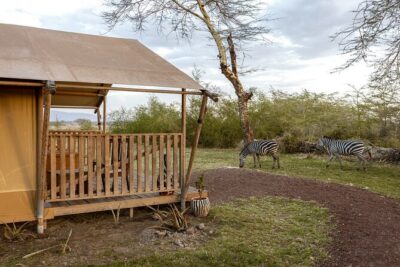
Seronera is an important base for this itinerary because it gives you three nights in the Serengeti. The schedule includes dinner and overnight at camp, but it does not state the exact camp facilities, tent setup, or electrical arrangements. Ask about those points if comfort or photography equipment is important to you.
Do not judge the Serengeti only by the first afternoon. The drive in can produce good sightings, but the real advantage of this plan comes on Days 4 and 5, when the guide can adjust the route.
A few more safaris around Arusha worth a look
- Balloon Safari & Bush Breakfast in Serengeti – Miracle Experience
★ 5.0 · 1,646 reviews - 4 Days Group Camping Safari
★ 5.0 · 1,101 reviews - 5 Days Group Camping Safari
★ 5.0 · 730 reviews - 3 Days Serengeti & Ngorongoro Group Camping Safari
★ 5.0 · 574 reviews
Days 4 and 5: Two full days in the Serengeti
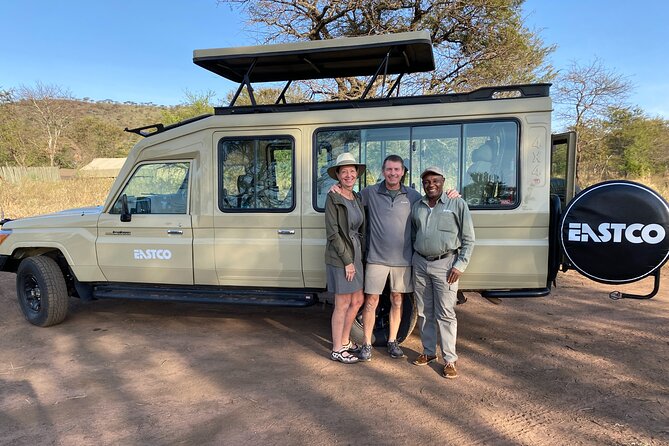
These are the strongest days of the schedule. You have two full days to explore the Serengeti, and the plan is flexible. You can take a picnic lunch and stay out longer, or return to camp after an early morning drive and go out again later in the afternoon.
I like that choice. A picnic day can make sense if your group wants to cover more ground or follow a promising area. Two separate drives can suit families, photographers, or anyone who wants a break during the hottest part of the day. Talk with the guide each evening rather than locking yourself into one pattern.
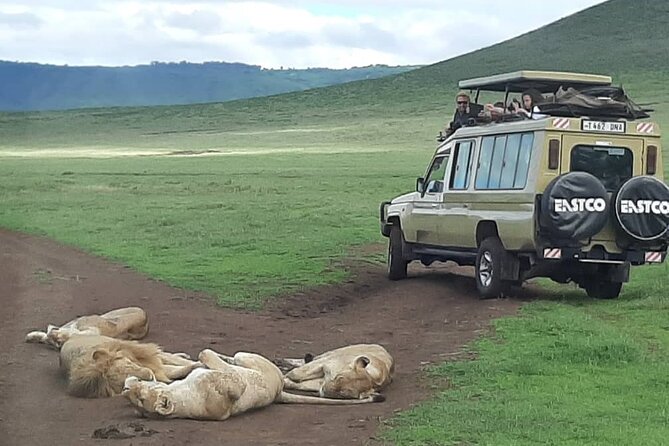
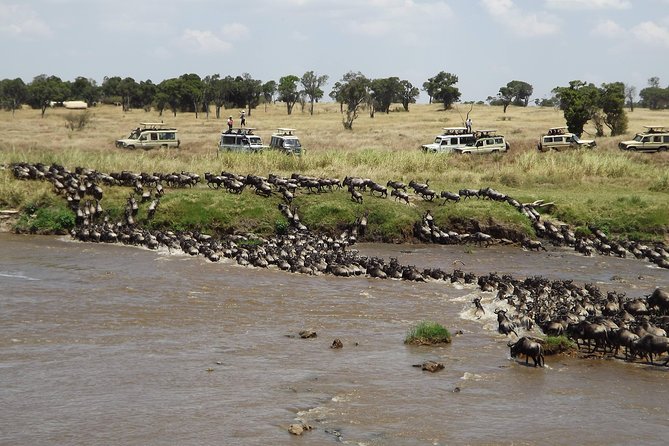
The Serengeti is also where the Great Migration label matters most, but expectations need care. The provided schedule does not name a travel month or a specific migration zone. Herds move across a huge area, and a Mara River crossing cannot be promised. You may see wildebeest and zebra, but the exact spectacle depends on conditions beyond the operator’s control.
One past EastCo itinerary included a Mara River crossing, and another safari featured a close rhino sighting. Those are exciting possibilities, not guaranteed inclusions in this seven-day route. Ask the company where the vehicle will focus during your travel dates and what recent conditions have been like.
Your guide makes a real difference during these two days. A guide with strong animal-spotting skills may notice movement far beyond the road or explain why several vehicles have stopped. The supplied guide feedback repeatedly highlights Wilson, Emmanuel, Mathieu, and other EastCo staff for field knowledge, good driving, and friendly teaching. Families and photographers seem especially well matched to this style of private safari.
Day 6: From Serengeti to Ngorongoro
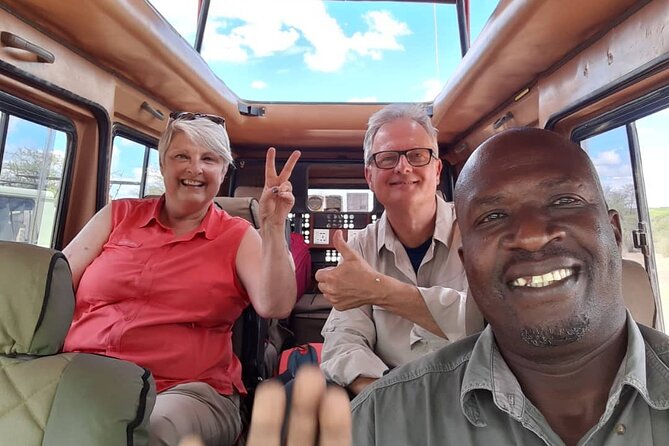
You leave the Serengeti with a picnic lunch and continue game viewing on the way to Ngorongoro Sopa Lodge. Dinner and overnight are included.
This is another substantial road day, but it links two very different parts of Tanzania. The open Serengeti gives way to the Ngorongoro Conservation Area, where the crater rim becomes the setting for your overnight stay.
The optional Crater Rim walk costs $30 per adult and $20 per child. It is conducted with an NCCA guide. Because this is a separate activity, confirm the departure time, fitness requirements, and weather arrangements before adding it. The itinerary says the tour operates in all weather, so pack a light rain layer and practical walking shoes.
The crater rim can be cool compared with the lower parks, especially early or late in the day. The itinerary does not give a temperature range, so bring layers rather than relying on one heavy item.
Day 7: Ngorongoro Crater and the return to Arusha
The final day starts early with a descent to the crater floor, picnic lunch, and game viewing before the drive back to Arusha. The crater portion is listed at about six hours, and arrival in Arusha is expected in the late afternoon.
This is a fitting finale because the crater concentrates a large wildlife experience into a contained area. You get a full morning and early afternoon on the floor rather than a brief viewpoint visit. After five previous days of park touring, the crater offers a different visual experience and a clear ending.
The long drive back is the cost of returning by road. If you have a flight or onward connection from Arusha, do not book it too tightly. The stated arrival is late afternoon, and road conditions, park exits, or wildlife stops can affect the timing.
The tour ends back at the Arusha meeting point. Pickup is offered, but the information does not specify hotel boundaries, airport transfers, or extra transfer charges. Confirm those details when arranging your start.
Lodges, meals, and what the price covers
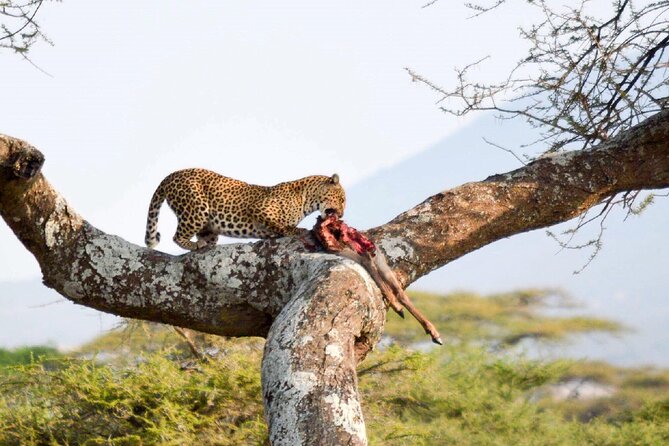
Your package includes all stated accommodation, seven dinners, six breakfasts, and six lunches. Picnic lunches are used on the main driving and game-viewing days, which is practical because you can spend more time in the parks instead of returning to a restaurant.
Bottled water is included. Alcoholic drinks are not, though they are available to purchase. Other food and drinks are excluded unless specifically stated, so bring a little spending money for extras.
The package also covers national park fees, taxes, handling charges, and a private tour. That is important in Tanzania, where park access can form a large part of the total safari cost. Tips and visas are not included.
Vegetarian meals are available if you request them at booking. You should also report allergies and other dietary needs before departure, not after you reach a remote camp.
Who will enjoy this safari most
This route suits first-time safari visitors who want the major northern Tanzania parks in one trip. It also works well for families, couples, honeymooners, and photographers who value a private vehicle and several Serengeti days.
It is less suitable if you want a slow holiday with few transfers. The route covers a lot of ground, and the picnic lunches, early starts, and rough roads are part of the experience. Most people can participate, but children must be accompanied by an adult, and the child rate applies only when sharing with two paying adults.
You should also be comfortable with flexible wildlife viewing. No guide can order a leopard into view or guarantee a migration crossing. The best result comes from allowing the guide to adjust the day according to animal movement and road conditions.
Practical details before departure
Confirmation is provided at booking. The trip starts in Arusha at 8:00 a.m. and returns to the meeting point on Day 7. It operates in all weather, so pack layers, sun protection, sturdy shoes, and rain protection.
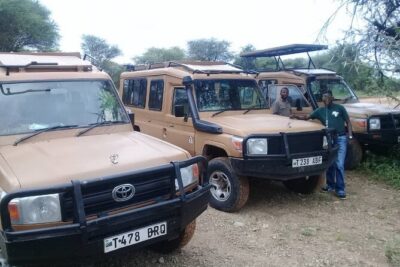
The tour is private, but the information does not state the vehicle size or whether there is a guaranteed window seat for each person. Ask before booking if photography space or seating matters to you.
Free cancellation is available if you cancel at least 24 hours before the local start time. Changes or cancellations inside that window are not accepted for a refund.
Should you book the 7-Day Great Migration Safari?
I would book this safari if you want a private, full-bodied introduction to northern Tanzania and value three nights in the Serengeti. The combination of Tarangire, Lake Manyara, Ngorongoro, and the Serengeti gives you a strong range of habitats, while the included park fees and meals make the $3,850 price easier to assess.
I would pause if your main goal is a guaranteed wildebeest crossing. The schedule offers access to the Serengeti, not control over the migration. Ask about your travel dates, expected herd location, guide assignment, vehicle setup, and exact accommodation before paying.
For families and first-time safari visitors, the private format is the strongest reason to choose it. For experienced wildlife photographers, the two full Serengeti days and flexible game-drive pattern are the main draw. Just remember that this is an active road safari, with early mornings, long transfers, and plenty of time spent waiting for the right animal to appear.
FAQ
Where does the safari start?
The safari starts in Arusha, Tanzania, at 8:00 a.m. Pickup is offered.
Where does the safari end?
The activity ends back at the Arusha meeting point on Day 7.
Is this a private tour?
Yes. Only your group participates in the activity.
Which parks and conservation areas are included?
The route includes Tarangire National Park, Lake Manyara National Park, Serengeti National Park, the Ngorongoro Conservation Area, and Ngorongoro Crater.
How many nights are spent in the Serengeti?
You spend three nights at Serengeti Pure Luxury Camp, covering the arrival day and two full days of exploration.
Are meals included?
Yes. The package includes seven dinners, six breakfasts, and six lunches. Picnic lunches are used on several game-viewing and transfer days.
Are park fees included?
Yes. National park fees, taxes, fees, and handling charges are included.
What optional activities cost extra?
A Tarangire night drive costs $30 per adult and $20 per child. A Crater Rim walk with an NCCA guide costs $30 per person, with children charged $20. Alcoholic drinks, tips, and visas are not included.
Newest safaris around Arusha
- 7 days great migration safari★ 5.0 · 77 reviews
- 4 days safari★ 5.0 · 34 reviews
- 6 days Tanzania budget safari★ 5.0 · 65 reviews
- Amazing 4 Days Tanzania Budget Camping Group Joining Safari★ 5.0 · 15 reviews
- 5 days safari, hiking & culture (Serengeti & kilimanjaro)★ 5.0 · 27 reviews
- Best 5 Days Tanzania Private Luxury Safari with luxury Lodges★ 5.0 · 12 reviews
- Serengeti & Ngorongoro fly in safari★ 5.0 · 76 reviews
- 8 Days 7 Nights Tanzania Wildlife & Culture Lodge Safari★ 5.0 · 17 reviews
7-Day Experiences, side by side.
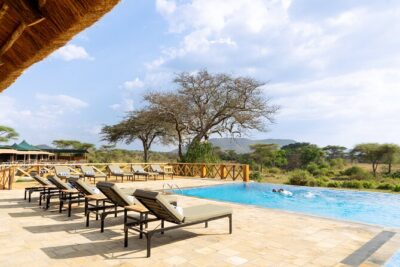
7-Day Premium Luxury Tanzania Safari All-Inclusive
Read our review →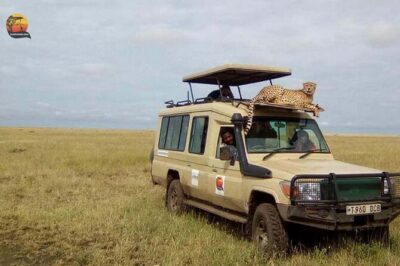
Group Safari 7 Days in Tanzania’s Main Parks
Read our review →
7-Day Midrange Tanzania Safari Adventures (Big 5)
Read our review →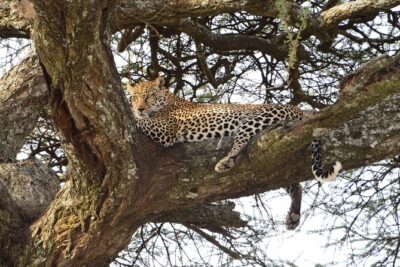
7 Days Classic Safari Central Northern Circuit
Read our review →Lists this safari turns up in