Review · BIG FIVE & WILDLIFE SAFARIS
7-Day Midrange Tanzania Safari Adventures (Big 5)
The real draw here is the variety packed into seven days. You move from elephant country and baobabs in Tarangire to flamingo-filled Lake Manyara, the wide plains of the Serengeti, and the wildlife-filled bowl of Ngorongoro Crater. It is a strong first safari route, especially if you want several habitats rather than one long stay in a single park.
I like the private format, since only your own group takes part, and I like the chance to spend a complete day in the Serengeti instead of treating it as a quick drive-through. Guides including Justin, Gasper, Denis, and Rapha have been singled out for sharp animal spotting, driving skill, and strong natural-history explanations. The tradeoff is simple: you will spend long hours on rough safari roads, and the schedule is active rather than restful.
Key points to know before you book
- Tarangire begins the wildlife story: Expect elephants, baobabs, seasonal wetlands, giraffes, buffalo, zebra, and possible lion, leopard, or cheetah sightings.
- Lake Manyara packs in birdlife: The shallow seasonal lake draws flamingos, while forest and cliffs hold monkeys, elephants, giraffes, and perhaps tree-climbing lions.
- The Serengeti gets the most time: Day four includes an afternoon game drive, followed by a full game-drive day on day five.
- Ngorongoro is a major finale: The 600-meter-deep crater covers about 260 square kilometers and supports roughly 25,000 animals.
- Private means flexible company: Your group travels alone, with pickup available at Kilimanjaro International Airport, Arusha Airport, or Namanga border.
- The price reflects a full safari circuit: At $2,924 per person, the value comes from several parks, transport, guiding, park access, meals, and accommodation, though you should confirm the exact lodging plan before paying.
Four parks, one compact Tanzania safari
This route gives you a useful sample of northern Tanzania without trying to cover every famous park. You see dry woodland and baobabs, a lake edged by birdlife, endless grassland, and a crater where animals gather in remarkable numbers.
The order also makes sense. You start near Arusha, visit Tarangire and Lake Manyara, then continue through the Ngorongoro Conservation Area to the Serengeti. On the return, you spend time in Ngorongoro Crater before driving back to Arusha.
That variety matters. If this is your first safari, you may not yet know if your favorite sight will be a lion in a tree, a herd of elephants under acacias, a flamingo-covered shoreline, or a rhino below the crater rim. This program gives you a fair chance at all of them.
The itinerary is described as a lodge safari, with Serengeti Heritage Tented Camp named for the two Serengeti nights. The exact accommodation for every night is not provided, so I would ask for the full lodging list, meal plan, and room arrangements before booking.
More Wildlife Safaris in Arusha
- Big Five Luxury Safari in Tanzania
★ 5.0 · 68 reviews - 6 Day Tanzania Wildlife Mid range Safari
★ 5.0 · 54 reviews - 5 Days 4 Nights Tarangire, Serengeti , Ngorongoro & Manyara Wildlife Safari
★ 5.0 · 40 reviews
Day 1: A soft landing in Arusha
Your trip starts with pickup at Kilimanjaro International Airport, Arusha Airport, or the Namanga border. A company representative drives you to your Arusha accommodation, roughly one hour away.
This first day is more about getting settled than seeing wildlife. That is a good thing after an international flight. You have time to meet the local team, organize your bags, and prepare for early starts.
The listed start time is 8:30 a.m., but airport pickup depends on your arrival details. Share your flight or border plans clearly with the operator. The final day can also be adjusted around your onward plans, including travel to Zanzibar or a flight home.
Day 2: Tarangire’s elephants and baobab country
After breakfast, your guide collects you for the roughly two-hour drive to Tarangire National Park. The park is especially known for its elephant families, huge baobabs, seasonal swamps, and the Tarangire River.
The river gives this day its focus. Wildlife gathers around dependable water, so you might see giraffes, bushbuck, hartebeest, buffalo, zebra, and wildebeest. Lions are possible, leopards are possible, and cheetahs are less common.
The roof-open safari vehicle is important here. You can watch animals from the truck while taking in the full sweep of the park, rather than viewing everything through closed windows. A picnic lunch is part of the day, so expect a long outing rather than a quick park visit.
Tarangire is a good opening park because it offers large animals and striking scenery without waiting for the Serengeti to provide all the action. I particularly like the contrast between elephants and baobabs. The main limitation is the drive time from Arusha and the fact that wildlife sightings are never guaranteed, even in a productive park.
Day 3: Lake Manyara’s birds, forest, and tree-climbing lions
You leave after breakfast with a lunch box from your accommodation and continue to Lake Manyara National Park. The park lies about 120 kilometers west of Arusha and is smaller than the Serengeti, but its habitats change quickly.
The shallow salt lake expands and contracts with the seasons. At the right time, thousands of flamingos gather along the water, joined by more than 500 bird species recorded in the area. Bird lovers should pay close attention, even when the larger animals are keeping out of sight.
The scenery shifts from open grassland to woodland filled with monkeys, then toward baobab-dotted cliffs. Giraffes, zebras, wildebeest, buffalo, and elephants are all possible. Lions lounging in trees are one of the park’s famous sights, though you should treat that as a lucky possibility rather than a promise.
This is a varied day, but it is still an eight-hour park outing. Lake Manyara works best for people who enjoy changing habitats and birdlife, not only big-cat sightings. The lake’s appearance and flamingo numbers can change with the season, so the experience will not be identical on every departure.
More Wildlife Safaris in Tanzania
- Big Five Classic Safari in Tanzania **Sustainable Travel approach
★ 5.0 · 31 reviews - 2 days Mid Range Safari in Ngorongoro and Tarangire Big 5 Parks
★ 5.0 · 27 reviews - 4 Days Wildlife Safari and Cultural Experience in Tanzania
★ 5.0 · 23 reviews - Big Five Luxury 7 Days Safari Tour in Arusha
★ 5.0 · 20 reviews
Day 4: The long road into the Serengeti
After breakfast, you travel through Tanzania’s fertile highlands, where the Iraqw people grow wheat, coffee, and corn. The route then passes through the Ngorongoro Conservation Area, giving you a chance to see the Ngorongoro Crater before continuing toward the Serengeti.
A picnic lunch comes during the journey. You reach the Serengeti in the afternoon and use the remaining daylight for an extensive game drive before dinner and overnight accommodation at Serengeti Heritage Tented Camp.
This is a big travel day. The reward is that the drive connects several different parts of northern Tanzania in one continuous route. You are not simply being transported between airports. You are watching the country change from cultivated highlands to protected wildlife country.
The drawback is the amount of time in the vehicle. If you want slow mornings and long hours at one camp, this route may feel rushed. If you want to see the major northern parks in one week, the long transfer is part of the bargain.
Day 5: A full day on the Serengeti plains
Day five is the heart of the safari. You spend up to 12 hours exploring the Serengeti, with time for animals, open country, and the changing rhythm of the plains.
The Serengeti supports impalas, buffalo, crocodiles, hippos, and many other species. It is best known for the migrating herds of wildebeest and zebra, but their location depends on rainfall and changes from year to year. You may see a large concentration of animals, or you may spend the day searching across broad grassland for smaller groups.
Predators add the suspense. Lions, leopards, and cheetahs are all possible. The supplied trip details also point to the chance of seeing the Big Five, meaning lion, leopard, elephant, buffalo, and rhinoceros. No ethical operator can guarantee every animal, but a full Serengeti day gives your guide more time to search.
This is where the guide matters most. Justin has been praised for finding lions, leopards, cheetahs, and wildebeest crossings. Denis has been described as an experienced driver with excellent animal vision, while Gasper has been valued for turning sightings into a lively zoology lesson. Guide assignments can vary, so ask at booking if a specific guide is important to you.
Two nights at the same Serengeti camp are also practical. You avoid packing and unpacking after every game drive, and the full day gives you a better chance of seeing the park beyond the first roadside sighting.
Day 6: Down into Ngorongoro Crater
You leave after an early breakfast for an en-route game drive through the Serengeti. That early start may produce some of the day’s best animal activity, since you are out before the heat builds.
You then travel toward the Ngorongoro Conservation Area and reach the crater rim before lunch. The crater is about 600 meters deep and covers roughly 260 square kilometers. Once you descend, the setting changes quickly: wildebeest, zebra, gazelles, elephants, and many bird species may be visible across the crater floor.
The area supports an estimated 25,000 animals, which helps explain why Ngorongoro is such a reliable place for game viewing. You may also have a chance at seeing rhinoceros, though sightings are never certain.
The crater is a superb final wildlife day because its enclosed geography keeps many animals within a relatively concentrated area. You get a strong sense of scale from the rim, then a close-up view from the crater floor.
The schedule is demanding. You have an early breakfast, a morning drive, a crater descent, and another journey afterward. Bring patience, keep your camera ready, and remember that the road itself is part of the day.
Day 7: Back to Arusha and onward
After breakfast, you drive back to Arusha, with about four hours listed for the journey. The operator can coordinate your onward plans, including Zanzibar or a flight home.
There is also time for shopping for gratuities. If you fly home on a KLM flight, a hot lunch and airport drop-off are offered according to the trip details.
This final day is useful because it does not force you to arrange your own return from the safari area. Still, check the timing carefully against your flight. The drive back to Arusha is not a quick airport transfer, and the right departure time depends on your travel plan.
What $2,924 buys you in practical terms
The price is $2,924 per person. That is a serious amount, but a seven-day northern Tanzania safari includes costly elements: a private safari vehicle and driver-guide, park access, long-distance transport, game drives, accommodation, and meals or picnic lunches as described.
The strongest value is the range. You are not paying for seven days in one small reserve. You are covering Tarangire, Lake Manyara, the Serengeti, and Ngorongoro, with a full Serengeti day and a private group arrangement.
The price is easier to justify for a small private group that values its own vehicle and guide. It may feel less attractive if you mainly want a relaxed camp holiday, since several days include long road transfers and early starts.
Before you commit, ask for the exact list of inclusions. The supplied details confirm admission tickets for Tarangire and Lake Manyara, but mark some other itinerary entries as free admission. That may simply reflect how the schedule is displayed, but you should confirm park fees, crater fees, meals, accommodation, airport transfers, and any optional costs in writing.
Guides can shape the whole safari
A safari guide is not just a driver. The guide decides where to search, reads animal behavior, handles rough roads, and explains what you are seeing.
Several guides associated with this program have earned strong praise for these skills. Denis has been described as handling muddy roads well during the rainy season and spotting animals that were difficult to see even with binoculars. Justin has been credited with finding major predators and wildebeest crossings. Gasper has been valued for clear explanations and a friendly manner. Rapha has been praised for working hard to find animals and for his driving.
You cannot assume which guide you will receive, so ask directly. If you care about language, guiding style, photography stops, or a particular guide, request that before paying. The private format gives you a better chance to discuss your priorities than a large shared vehicle would.
The road time is real
This safari covers a lot of ground. Tarangire is about two hours from Arusha, the Serengeti approach takes most of day four, and the return to Arusha takes about four hours on day seven.
You should expect bumpy roads and long periods in the vehicle. That is not a flaw unique to this trip. It is part of reaching the parks, and it allows you to see how farmland, highland country, forest, grassland, and crater country connect.
The schedule suits you if you would rather see more places in one week. It suits you less if you need plenty of downtime, have difficulty with long drives, or want to stay in one area for detailed photography.
Who should book this seven-day route?
I would recommend it to a first-time Tanzania safari visitor who wants the major northern circuit in a manageable week. Families can also find it appealing: one family of four with children aged nine and ten completed the seven-day program, and the private format means your group sets the social rhythm.
It is also a good fit for couples, including honeymooners, who want wildlife first and can accept active days. The combination of lodges and tented camp gives you a safari feel without making the entire trip a basic camping trip.
Wildlife photographers should ask about vehicle arrangements, seat access, and how much time the guide allows at sightings. The route offers strong subjects, but the itinerary alone cannot guarantee ideal light, close animals, or a migration crossing.
I would hesitate to recommend it to someone who wants a slow luxury holiday or a tightly controlled timetable. Animal sightings, road conditions, rainfall, and migration positions all affect the day.
Should you book it?
Book this safari if your priority is variety, private guiding, and a serious chance at major wildlife sightings in one week. Tarangire gives you elephants and baobabs, Lake Manyara adds birds and forest, the Serengeti provides the longest wildlife search, and Ngorongoro offers a concentrated final game drive.
Ask for the full accommodation and inclusion list, confirm your guide and airport timing, and plan for long drives. If you can accept those practical points, $2,924 buys a substantial northern Tanzania circuit rather than a short taste of one park. If you want a slower trip, consider a shorter route with more nights in fewer places.
FAQ
How long is the safari?
The safari lasts approximately seven days, with six nights of accommodation described in the program.
Where does the safari begin?
Pickup is offered from Kilimanjaro International Airport, Arusha Airport, or the Namanga border. The first accommodation is in Arusha.
What time does the safari start?
The stated start time is 8:30 a.m. Airport and border pickup details depend on your arrival plans.
Is this a private safari?
Yes. Only your own group takes part in the activity.
Which parks and protected areas are included?
The route includes Tarangire National Park, Lake Manyara National Park, Serengeti National Park, and the Ngorongoro Conservation Area.
Will I see the Big Five?
The route offers opportunities to see lions, leopards, elephants, buffalo, and rhinoceros, but wildlife sightings cannot be guaranteed.
How much time is spent in the Serengeti?
You reach the Serengeti on day four for an afternoon game drive, then spend a full day there on day five.
Where do I stay in the Serengeti?
The named accommodation is Serengeti Heritage Tented Camp for the nights after the Serengeti game drives.
Can the safari end in Zanzibar?
The operator can work with your onward plan, including travel to Zanzibar or returning home.
Can I cancel or change the booking?
No. The experience is non-refundable and cannot be changed for any reason. Cancellations or amendment requests do not receive a refund.
More week-long safaris in Arusha
- 7-Day Premium Luxury Tanzania Safari All-Inclusive
★ 5.0 · 426 reviews - Group Safari 7 Days in Tanzania’s Main Parks
★ 5.0 · 240 reviews - 7 Days Tanganyika Wilderness Safari
★ 5.0 · 159 reviews - 7 days great migration safari
★ 5.0 · 77 reviews
Newest safaris around Arusha
- 7 days great migration safari★ 5.0 · 77 reviews
- 4 days safari★ 5.0 · 34 reviews
- 6 days Tanzania budget safari★ 5.0 · 65 reviews
- Amazing 4 Days Tanzania Budget Camping Group Joining Safari★ 5.0 · 15 reviews
- 5 days safari, hiking & culture (Serengeti & kilimanjaro)★ 5.0 · 27 reviews
- Best 5 Days Tanzania Private Luxury Safari with luxury Lodges★ 5.0 · 12 reviews
- Serengeti & Ngorongoro fly in safari★ 5.0 · 76 reviews
- 2 Day Budget Safari in Tarangire and Ngorongoro From Arusha★ 5.0 · 10 reviews
Big Five & Wildlife Safaris, side by side.
Sunrise Desert Jeep Safari with Wildlife Experience
Read our review →
Addo Elephant National Park All Inclusive Full-Day Safari
Read our review →
Udawalawe National Park: Elephant Safari with Expert Guide
Read our review →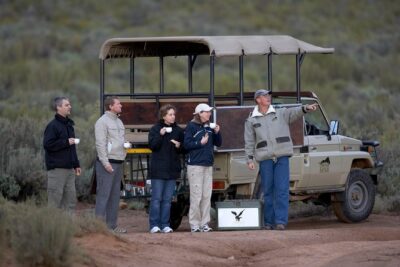
Big Five Game Reserve Wildlife Safari from Cape Town
Read our review →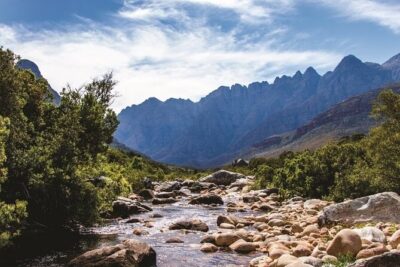
Big Five Safari and Breede River Valley Guided Day Trip
Read our review →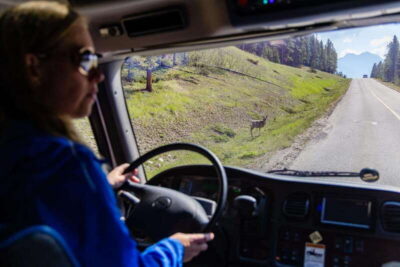
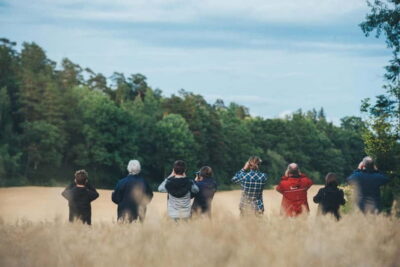
From Stockholm: Moose & Wildlife Safari with Campfire Dinner
Read our review →