
Review · OVERNIGHT & CAMPING SAFARIS
Multi-Day Camping Safari Experience in Arusha
The best reason to choose this safari is its timing and route. From December through April, it takes you into Ndutu and southern Serengeti, where short grass, newborn wildebeest, and hungry predators create some of Tanzania’s most dramatic wildlife viewing. The itinerary also adds Tarangire, Ngorongoro Crater, and Lake Manyara, so you get more than one famous park.
I like the small group limit of six and the open-roof safari jeep, which should make wildlife viewing and photography easier. I also like the practical package: park fees, water, six lunches, six breakfasts, five dinners, and WiFi are included. The main drawback is the amount of driving, plus basic camping. This is an active safari, not a relaxed lodge holiday.
Key points to know before booking
- Ndutu is the main event: The safari is built around the December to April migration and the calving period, with the busiest calving often lasting about three weeks around February.
- You visit four major wildlife areas: Tarangire, Ndutu and Serengeti, Ngorongoro Crater, and Lake Manyara.
- The group is capped at six people: That is a useful size for a safari vehicle and smaller than many shared departures.
- Early mornings matter: Day four begins at 5:45 a.m. for sunrise and an early game drive.
- Camping keeps the price in check: At $1,496 per person, the trip includes a lot, but you should expect simpler sleeping arrangements than a lodge-based safari.
- Confirm the Mto wa Mbu bike ride: It is advertised as part of the experience, but the six-day schedule does not place it on a specific day.
Why Ndutu makes this safari special
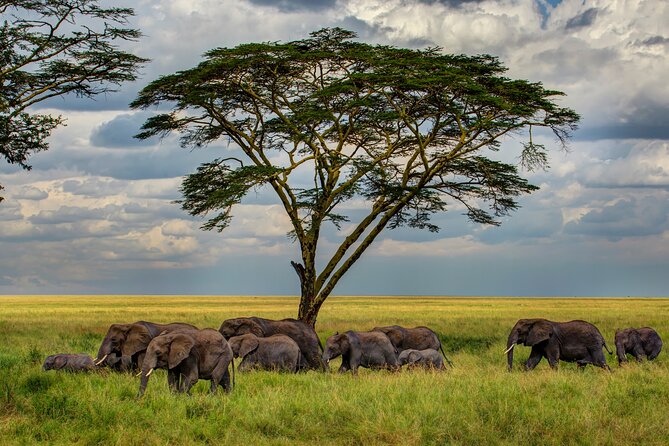
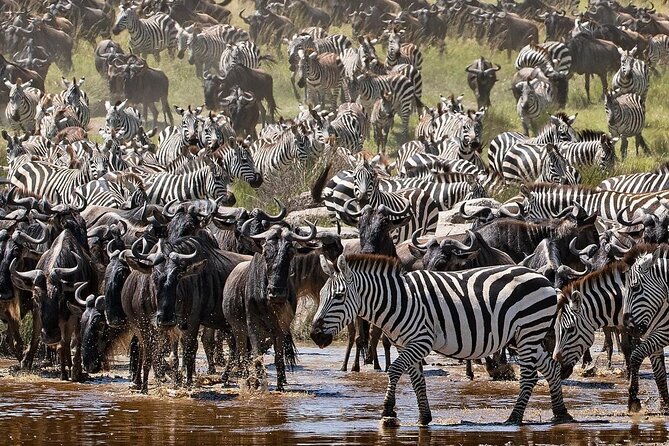
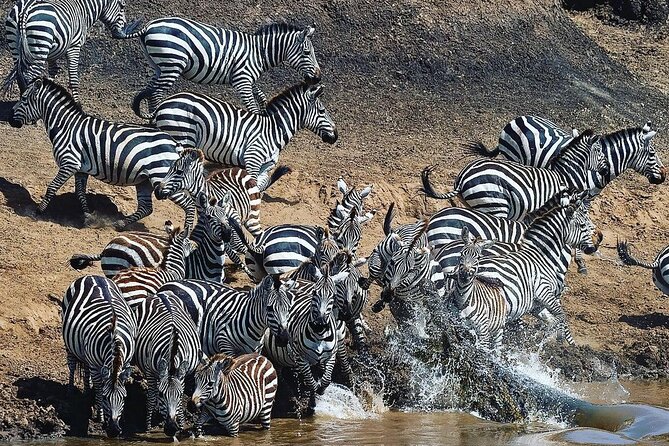
The southern Serengeti and Ndutu area are chosen for a very good reason. During the calving season, huge herds of wildebeest spread across the short grass plains. Zebras are part of the moving herds, while elephants, birds, and resident wildlife remain in the area year-round.
The calving period is not just about seeing large numbers of animals. It changes the behavior of the entire area. Newborn wildebeest can run within minutes, and after roughly three days they are strong enough to keep up with the herd. That quick start is essential because the open grass offers little cover from lions, cheetahs, hyenas, and leopards.
I would treat February as the strongest month for the most concentrated calving action, based on the timing given for the safari. December through April offers the wider viewing window, but nature does not work to a fixed timetable. You may see thousands of animals spread across the plains, yet the exact location of the herds and predator activity can change from day to day.
The route gives you two full or nearly full opportunities in Ndutu. Day two includes an afternoon game drive, and day three is a full day among swamps, woodland, soda lakes, and short grass. That second day matters. It gives your guide more time to follow animal movement instead of treating Ndutu as a quick stop.
More Overnight Safaris in Arusha
- 4 Days Group Camping Safari
★ 5.0 · 1,101 reviews - 5 Days Group Camping Safari
★ 5.0 · 730 reviews - 3 Days Serengeti & Ngorongoro Group Camping Safari
★ 5.0 · 574 reviews
Day one: Tarangire’s elephants and baobabs
After breakfast in town, pickup takes you toward Tarangire National Park. The day is listed at about eight hours, so this is not a short introduction before camp. You should expect a full day of road time and wildlife viewing.
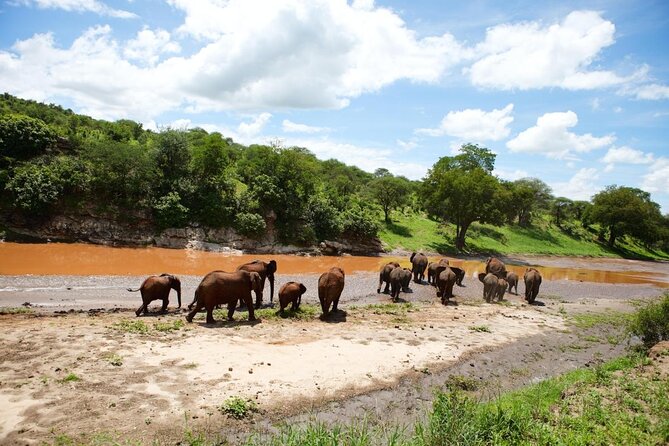
Tarangire is especially known for elephants, baobab trees, and the Tarangire River. The river flows throughout the year and acts as a key water source for wildlife, particularly during dry periods. That helps explain why elephant herds are such a central part of the park experience.
The park also offers the chance to see tree-climbing lions, though no sighting is guaranteed. Baobabs add a memorable visual feature, with their thick trunks and unusual shapes giving the park a very different feel from the open plains of the Serengeti.
This first day is a good choice for variety. You begin with woodland, river country, and large mammals before moving toward the open plains. The drawback is that Tarangire makes the first day long. If you arrive in Arusha tired or have had a late flight, allow yourself time to adjust before this safari begins.
Days two and three: following the herds at Ndutu
After breakfast on day two, you travel toward Ndutu, part of the southern Serengeti ecosystem within the Ngorongoro Conservation Area. The afternoon is set aside for a game drive, with about five hours listed for the stop.
Lake Ndutu is alkaline, as are many lakes in the Rift Valley. Wildlife uses the lake and surrounding habitats, and the area supports more than migrating wildebeest. You might find elephants, birds, resident predators, and other plains animals sharing the same broad area.
Day three is the strongest wildlife day on paper. You spend about nine hours exploring Ndutu, moving through swamps, woodland, soda lakes, and open grass. That mix gives your guide several types of habitat to check instead of relying on one viewpoint.
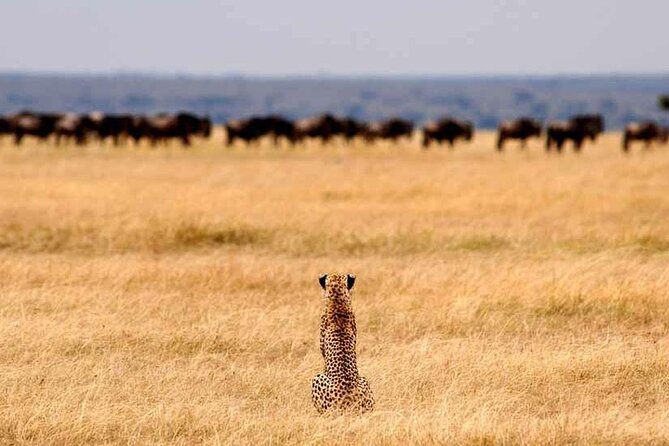
The open plains can be thrilling and harsh at the same time. You may see a newborn calf taking its first steps, or you may see predators testing the herd. The safari description points specifically to cheetahs, lions, hyenas, and leopards, with the possibility of fast-moving hunts. Keep your camera ready, but keep your expectations sensible. A predator sighting is possible, not promised, and a kill is never something a responsible safari can schedule.
This is where the pop-up roof matters. You can watch from a higher position and take photos without the obstruction of a fixed vehicle roof. WiFi on board is also included, though you should not let a phone screen steal time from the animals outside.
Day four: sunrise in Serengeti and the road to Ngorongoro
Day four begins at 5:45 a.m. with an early breakfast. You then take a morning game drive until about 11:30 a.m., return to camp for a hot lunch, pack your belongings into the vehicle, and continue driving through Serengeti toward Simba campsite near Ngorongoro.
Early starts are standard on a wildlife safari for a practical reason: animals are often active in the cooler morning hours. Sunrise inside Serengeti also gives you a special change of light across the plains. This is one of the days when warm clothing and a willingness to leave camp before dawn will pay off.
The schedule lists about seven hours for the stop, but this is still a transition day. You get another game drive, then a camp move and a long transfer. Do not treat it as a slow morning followed by an easy afternoon. You will need to pack efficiently and keep your personal items organized.
The hot lunch is a welcome detail. A cooked meal at camp gives you a proper break before the next drive, and the food receives especially strong praise in the available feedback. If meals matter to you, this safari appears to put real effort into cooking rather than treating food as an afterthought.
More Overnight Safaris in Tanzania
- 2 Days Tarangire and Ngorongoro Group Camping Safari
★ 5.0 · 146 reviews - 6 Days Tanzania Budget Camping Safari
★ 5.0 · 145 reviews - 3 Day Serengeti National Park & Ngorongoro Crater Camping Safari
★ 5.0 · 142 reviews - Multi-Day Tanzania Odssey Safari from Arusha
★ 5.0 · 120 reviews
Day five: inside Ngorongoro Crater
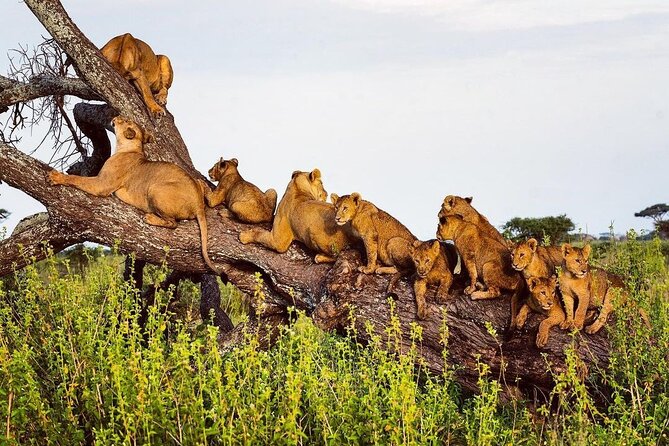
The fifth day takes you into the Ngorongoro Conservation Area and down about 600 meters into the crater. The crater floor has water, grazing, and a large concentration of wildlife, making it one of the most dependable animal-viewing days on this route.
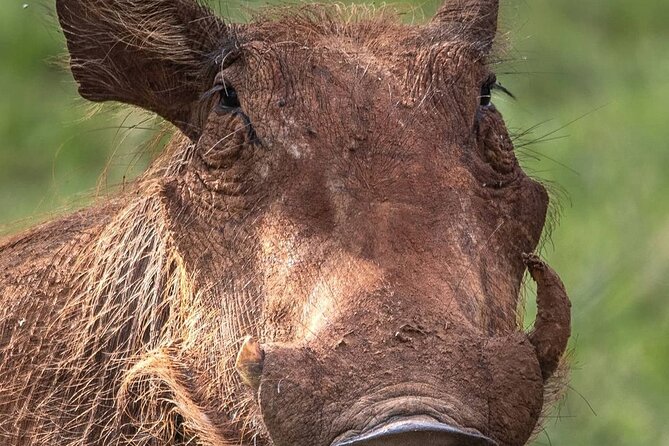
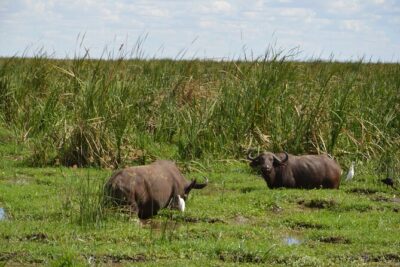
You may see wildebeest, zebra, buffalo, eland, warthog, hippos, and elephants. Predators include lions, hyenas, jackals, cheetahs, and, with luck and a sharp-eyed guide, leopard. The range of animals is one reason the crater works so well in a six-day itinerary. Even if the migration is farther away than expected, Ngorongoro gives you another strong wildlife setting.
Lake Magadi is one of the crater’s main features. It is a shallow alkaline lake where flamingos, hippos, and other water birds may gather. The contrast between the lake, the crater walls, and the animals on the floor makes this a particularly rewarding day for photographs.
There is a tradeoff. The crater is famous, so it can feel busier than the more open Ndutu plains. The schedule also lists about eight hours, including the descent, wildlife viewing, and return. You will want to conserve your energy after several long safari days.
Day six: Lake Manyara and the final wildlife circuit
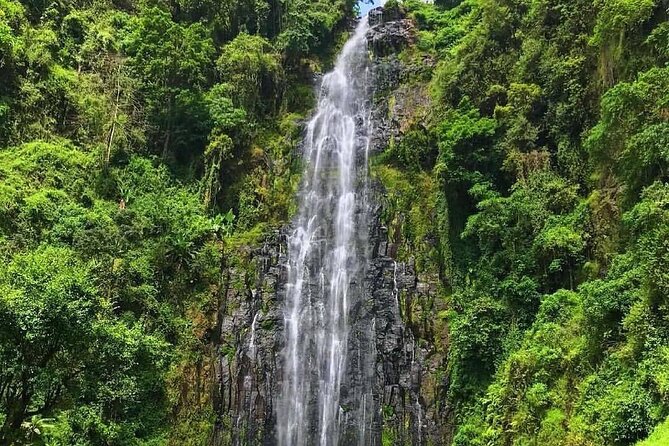
After breakfast, you drive to Lake Manyara National Park. The day is listed at about nine hours, so this is another substantial outing rather than a quick final stop.
Lake Manyara covers about two thirds of the park, with the Great Rift Valley wall rising behind it. The scenery shifts again, from Serengeti grassland and crater floor to lake country, forest, and bird habitat. More than 400 bird species are found in the park, including pink-hued flamingos.
Manyara is useful at the end of the trip because its wildlife circuit is compact and varied. You can fit a lot into a relatively contained area, although the long final day may feel tiring after five nights of camping and early starts.
The itinerary does not provide a final drop-off time, so you should allow flexibility for the game drive and road conditions when planning onward transport.
The Mto wa Mbu biking question
The overview includes a biking adventure in Mto wa Mbu, which could add a welcome cultural and active element to a vehicle-heavy safari. Mto wa Mbu is not assigned to a day in the detailed schedule, however.
I would ask the operator to confirm three things before paying: which day includes the bike ride, how long it lasts, and whether bikes and any required equipment are included. Do not assume it is part of the trip simply because it appears in the headline description. The safari route itself is clear, but this particular activity needs clarification.
What the $1,496 price includes
At $1,496 per person, the value depends mainly on how much you want to see in six days and how comfortable you are with camping. The package includes:
- Pickup
- WiFi on board
- All fees and taxes
- A pop-up-roof safari jeep
- Unlimited drinking water
- Six lunches
- Six breakfasts
- Five dinners
That is a useful list of inclusions. Park fees alone can make northern Tanzania safaris expensive, and having meals, water, transport, and taxes included makes budgeting easier.
You still need to cover tips, visa costs, air tickets, personal items, and alcoholic drinks. Camping also means you should not compare this directly with a lodge safari at the same price. The sleeping arrangements are not described in detail. Since the trip is advertised as camping and the schedule includes several camp changes, ask what type of tent, bedding, bathroom facilities, and charging access are provided.
The strongest value is the route. In six days, you reach Tarangire, Ndutu, Serengeti, Ngorongoro, and Manyara, while focusing on the best seasonal wildlife event. The cost is less attractive if you dislike long drives, basic camps, or early mornings.
Guides, meals, and group size
The company has been associated with guides named Robert, Raymond Ayo, and Swalehe in the supplied feedback. Robert is praised for finding animals and explaining scenery, wildlife, and culture. Raymond is described as helpful and involved in arranging logistics, while Swalehe is noted for working hard to find the Big Five.
You cannot choose the exact guide from the itinerary alone, so ask who will lead your departure. A good guide matters greatly in Ndutu, where spotting a predator or following a moving herd depends on patience, communication, and knowledge of local roads.
Food is one of the more consistently praised parts of the experience. Meals are described as delicious and better than expected, which is encouraging on a camping safari. Still, tell the operator about dietary needs before departure, since the supplied information does not explain special-diet arrangements.
A maximum of six people is a real advantage. You have fewer voices competing for window space and a better chance of agreeing on how long to watch an animal. Pickup is offered, confirmation is sent at booking, and the experience is listed near public transportation, though your pickup point should be confirmed directly.
Who should book this safari
I would recommend this trip to you if the wildebeest calving season is your main goal and you want several famous parks in one compact itinerary. It also suits people who value a smaller group, cooked meals, and a safari vehicle with an open roof more than polished lodge facilities.
It is a good fit for photographers, first-time safari visitors, and anyone who wants a strong chance of seeing a broad range of wildlife. The itinerary includes elephants, lions, zebras, wildebeest, birds, flamingos, hippos, and the possibility of cheetah, hyena, leopard, buffalo, and other animals.
I would think twice if you need a slow pace, dislike camping, or want guaranteed predator action. The phrase calving migration can sound like nonstop drama, but wildlife is unpredictable. You may see an extraordinary birth or hunt, or you may spend time watching herds graze quietly.
Should you book it?
Book this safari if you want Ndutu during calving season, a small group, and a packed northern Tanzania route at a price that includes many major costs. The combination of migration viewing, Ngorongoro Crater, Tarangire elephants, and Lake Manyara birds gives you excellent variety.
Before booking, confirm the camping setup, exact pickup details, guide assignment, and the Mto wa Mbu biking activity. If those details suit you, this is a strong choice for an active six-day safari. If you prefer comfort and fewer hours on the road, spend more on a lodge-based itinerary with a slower schedule.
FAQ
How long does the safari last?
The experience lasts approximately six days, with visits to Tarangire National Park, Ndutu and Serengeti, Ngorongoro Crater, and Lake Manyara.
When is the best time to see the wildebeest calving?
The safari is designed for December through April. The largest concentration of calving is usually around February and may last about three weeks.
How many people can join the safari?
The maximum group size is six travelers.
Is pickup included?
Yes. Pickup is offered, and confirmation is provided at the time of booking.
What meals and drinks are included?
The package includes six breakfasts, six lunches, five dinners, and unlimited drinking water. Alcoholic beverages are not included.
Can I cancel for a full refund?
Yes. You can cancel at least 24 hours before the experience start time for a full refund. Cancellations or changes made less than 24 hours before the start time are not accepted for a refund.
Newest safaris around Arusha
- 7 days great migration safari★ 5.0 · 77 reviews
- 4 days safari★ 5.0 · 34 reviews
- 6 days Tanzania budget safari★ 5.0 · 65 reviews
- Amazing 4 Days Tanzania Budget Camping Group Joining Safari★ 5.0 · 15 reviews
- 5 days safari, hiking & culture (Serengeti & kilimanjaro)★ 5.0 · 27 reviews
- Best 5 Days Tanzania Private Luxury Safari with luxury Lodges★ 5.0 · 12 reviews
- Serengeti & Ngorongoro fly in safari★ 5.0 · 76 reviews
- 5-Day Mid-Range Safari in Tanzania★ 5.0 · 33 reviews
Overnight & Camping Safaris, side by side.
Overnight Safari, Dinner, Stargazing & Al Khayma Camp
Read our review →
Dubai Overnight Desert Safari, BBQ & Stargazing at Al Khayma Camp
Read our review →

Desert Safari with Camp, Dinner, & Optional Overnight
Read our review →
3 Days Serengeti & Ngorongoro Group Camping Safari
Read our review →Lists this safari turns up in