Review · BIG FIVE & WILDLIFE SAFARIS
Arusha: 3-Day Serengeti & Ngorongoro Crater Big Five Safari
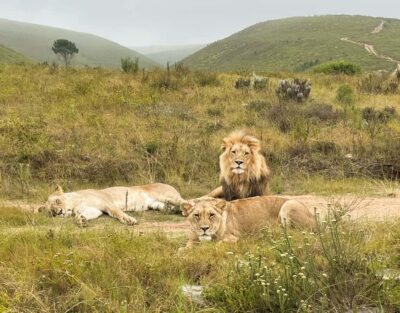
The main attraction here is simple: in just three days, you visit the Serengeti and Ngorongoro Crater, two of Tanzania’s finest wildlife areas. Early drives, open plains, crater views, and a well-equipped 4×4 give you a strong chance of seeing lions, elephants, buffalo, leopards, and rhinos.
I like the choice between mid-range lodges and camping, and I like that park fees, meals, water, and a professional guide are included. The trade-off is the mileage. Day one involves a long road journey, and the rough tracks can be tiring. One serious safety complaint involved a vehicle accident, so confirm the vehicle’s condition and your driver’s approach before setting out.
Key points at a glance
- Three major wildlife settings: Mto wa Mbu, the Serengeti plains, and the Ngorongoro Crater each add something different.
- Early starts pay off: Sunrise drives give you better chances of seeing predators and active herds.
- Camping feels genuinely wild: You may hear elephants, buffalo, giraffes, and other animals near camp.
- Fresh cooking is part of the appeal: Camping trips include a safari chef, while lodge trips include full-board meals.
- The 4×4 matters: A pop-up roof and open viewing area are important for photography and animal watching.
- Pack light and warm: The luggage limit is 10 kilograms, and crater rim nights can fall to about 5°C.
Why three days can work for a northern Tanzania safari
At $900 per person, this is not a cheap weekend trip. It is a compact safari package covering park entry fees, transit and concession charges, the Ngorongoro crater service fee, transport, meals, water, guiding, and two nights of accommodation.
That bundle gives the price real value, especially because park fees alone form a large part of any northern Tanzania safari bill. You also avoid arranging separate transfers, vehicles, food, and accommodation. The catch is that three days leaves little spare time. You will see a lot, but you will spend several hours driving between parks.
I would choose this trip if you have a short stay in Tanzania and want the two most famous wildlife stops. If you can add another day or two, you would get more time for the Serengeti and less time on the road.
The tour begins and ends in Arusha, with pickup available from central Arusha and several nearby areas, including Mto wa Mbu, Makuyuni, and Karatu. Hotels outside the city center may incur an extra pickup charge. Airport transfers on the day before or after the safari also cost extra.
More National Park Safaris in Arusha
- 3 Day Serengeti National Park & Ngorongoro Crater Camping Safari
★ 5.0 · 142 reviews - 5 Days Tanzania Group Joining Safari, Tarangire/Serengeti/Ngorongoro Crater
★ 5.0 · 85 reviews - 5 day safari Tarangire Serengeti and Ngorongoro crater
★ 5.0 · 83 reviews
Day one: Mto wa Mbu, the Rift Valley, and the Serengeti
The first day starts early with pickup in Arusha. The drive heads through the Great Rift Valley and the Ngorongoro Highlands, with changing scenery along the way. This is not just a transfer. It helps you see how quickly Tanzania shifts from urban streets to farms, highland settlements, open grassland, and protected areas.
A stop at Mto wa Mbu adds a useful local touch. You get a brief look at village life and a chance to taste local produce before continuing west. The stop is short, so think of it as an introduction rather than a full cultural tour.
The road portion can take around five hours before the main Serengeti activity. You should expect bumps, dust, and a fairly long day in the vehicle. One recent account described the roads as rough enough to cause frequent shaking, though careful driving made a major difference.
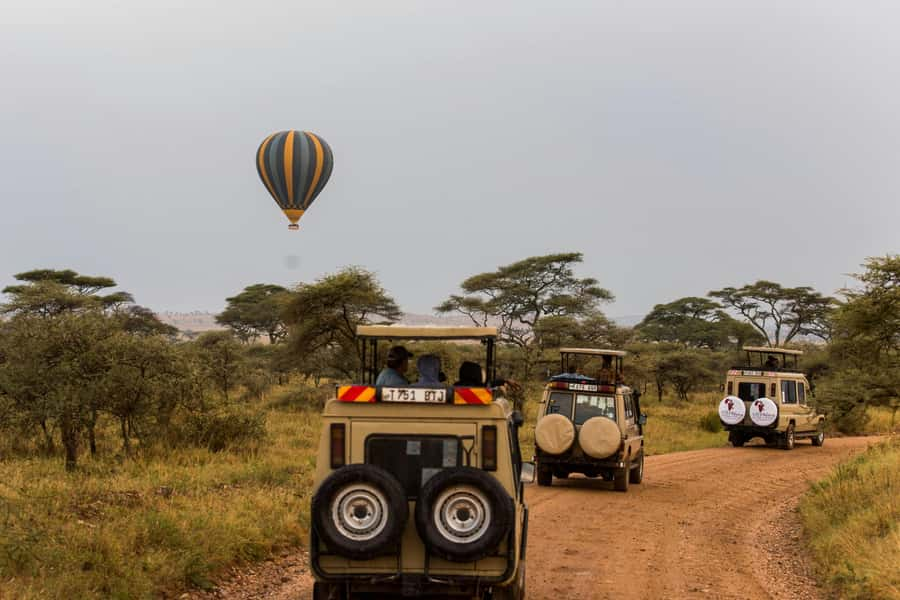
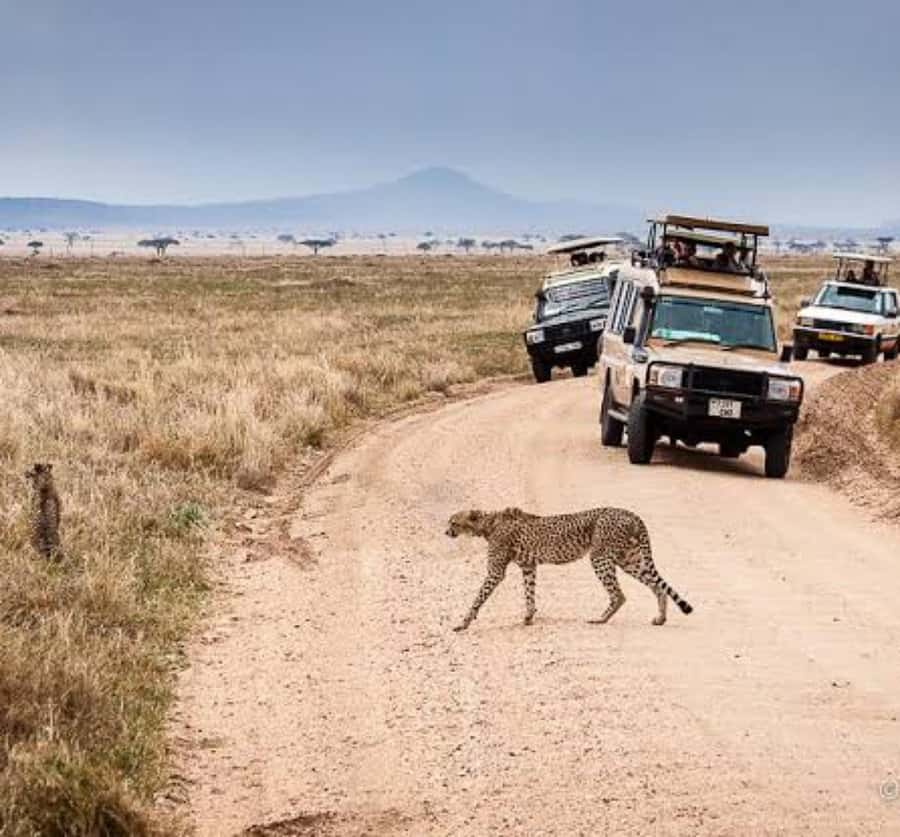
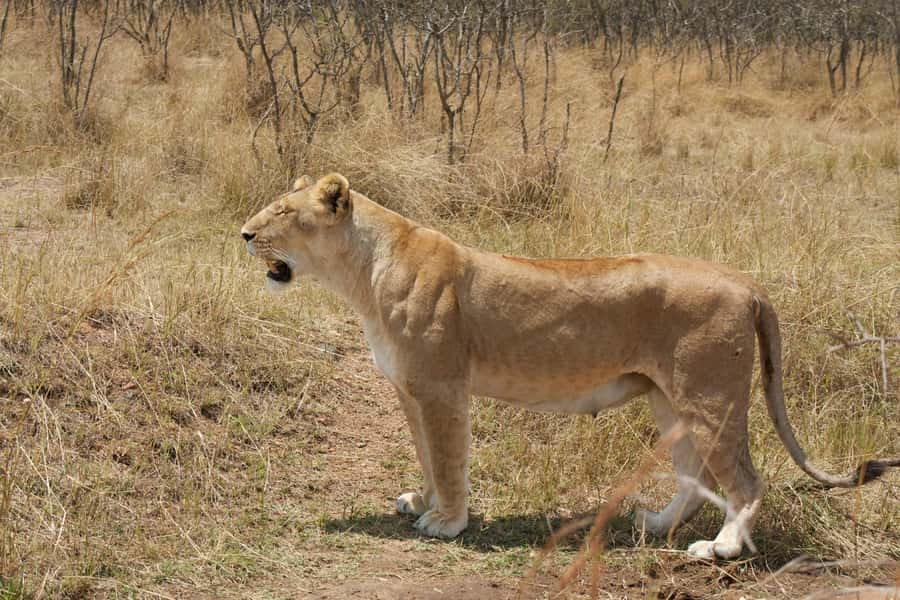
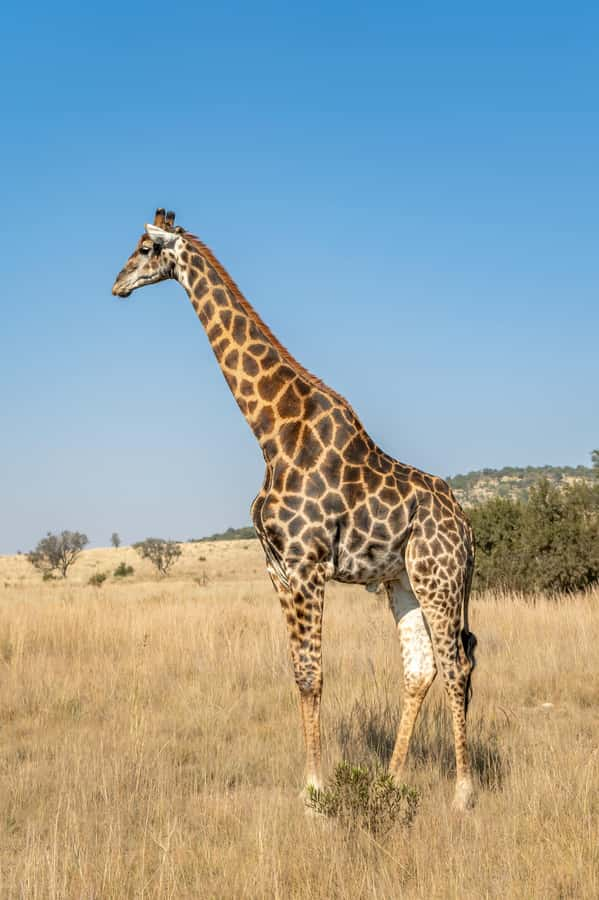
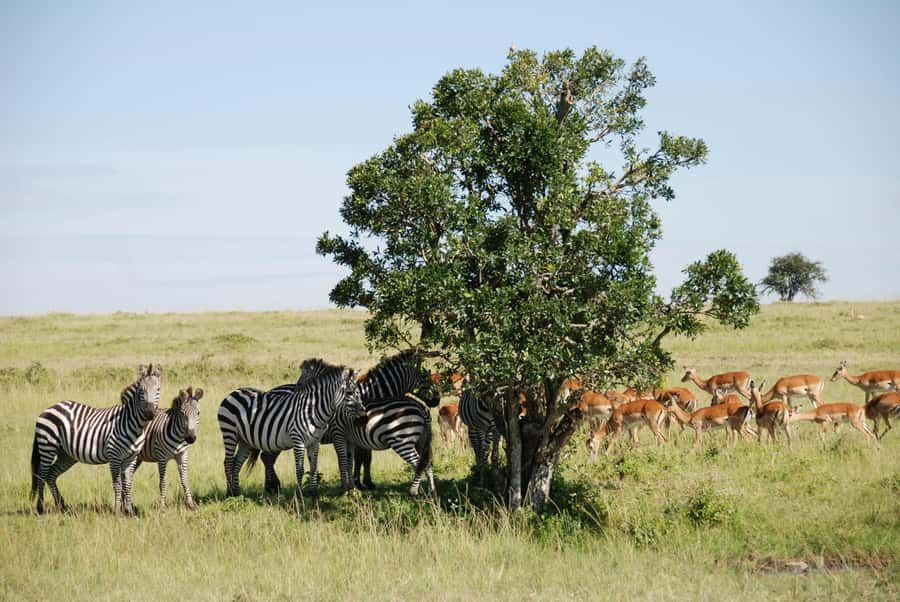
You continue toward Naabi Hill Gate, the main entry point for this part of the park. After the entry formalities, the first game drive begins. This is where the trip changes pace. The open-sided viewing position lets you scan for elephants, giraffes, lions, zebras, antelopes, and smaller animals spread across the plains.
The Serengeti is famous partly because the scale is so large. You may see an animal clearly, then watch it disappear into miles of grassland. Your guide’s skill matters here. Mike, Eric, Savio, and Nico are among the guides associated with this experience, and reports of their driving and animal spotting are especially strong. Nico was praised for positioning the vehicle so each animal could be seen well, while Savio was noted for calm driving over rough roads.
The evening brings dinner and an overnight stay in the park. Mid-range accommodation may be at Shuhudia Tented Lodge, Kumbukumbu Tented Lodge, or a similar property. The camping option uses a public campsite with tents, mattresses, tables, chairs, cooking equipment, and a safari chef.
The camping choice is more basic, but it gives you the stronger sense of sleeping in the bush. You may hear animal sounds at night, and camp can feel close to wildlife. Rangers help maintain safety, but you still need to follow instructions and avoid wandering away from the camp area.
Day two: a sunrise Serengeti drive before the crater rim
Day two starts early, which is exactly right for the Serengeti. At sunrise, the air is cooler and animals are often active. Predators may still be hunting, while herds begin moving and birds become easier to spot.
You have breakfast in or near the park, followed by another morning game drive. This second chance is important. Wildlife is unpredictable, and a single afternoon drive cannot guarantee every animal you hope to see. The extra morning gives your guide time to respond to fresh sightings and changing animal movement.
One of the strongest reports from this trip came during calving season, when a very large herd added drama to the drive. Seasonal conditions can change what you see, so the Big Five should remain a goal rather than a promise. The experience has produced complete Big Five sightings, but no guide can control where animals appear.
After the morning drive, you leave the Serengeti and head toward the Ngorongoro Conservation Area. The route takes around two hours according to the supplied timing, though road conditions and stops can affect the day. Expect more scenic driving, rolling hills, and a gradual change from open plains to the highland setting around the crater.
A picnic lunch breaks up the transfer. Camping groups receive meals prepared by a safari chef, and the food has received especially warm praise. Lunch is packed in large containers so the group can eat together outdoors. That arrangement is more pleasant than eating alone from a small box, though you should not expect restaurant service in the middle of the park.
The night is spent near the crater rim, at a property such as Ngorongoro Wild Tented Lodge or Ngorongoro Safari Lodge, or at Simba Public Campsite for the camping option. The rim setting is one of the most memorable parts of the route. The crater itself is a huge natural bowl, and views can be impressive even before the next morning’s descent.
Bring a warm sweater, socks, and a jacket. Temperatures at night can fall to about 5°C, and the crater rim is cooler than many first-time safari visitors expect.
Day three: 600 meters down into Ngorongoro Crater
After breakfast, the vehicle descends about 600 meters into Ngorongoro Crater. The descent is a highlight in its own right, with changing views across the crater floor and steep walls around you.
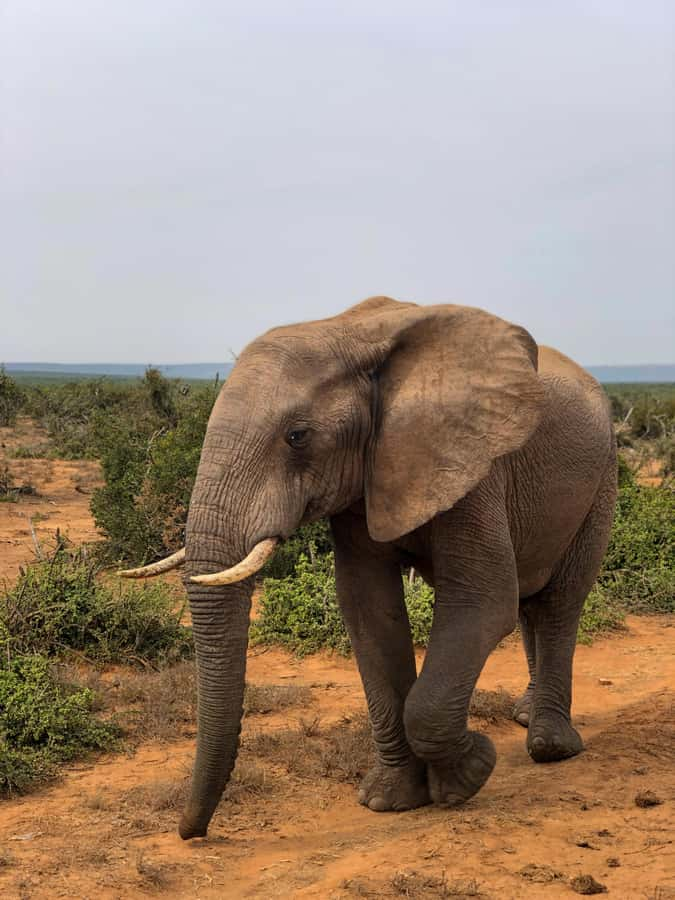
Inside, the crater supports a concentrated mix of wildlife. You may see rhinos, lions, elephants, zebras, hippos, and wildebeests during the morning drive. This is one of the best parts of the trip for someone hoping to complete the Big Five, especially because several major species can be found within a relatively compact area.
The crater does not offer the same endless openness as the Serengeti. Instead, the appeal comes from the concentration of wildlife and the dramatic setting. Your guide will look for animals while keeping an eye on road conditions and the needs of other vehicles.
A picnic lunch follows the morning viewing period. After lunch, you ascend the crater walls and return to Arusha. The drive back takes about three hours, with arrival expected in the late afternoon. Drop-off is available at an Arusha hotel or airport, though airport arrangements outside the standard pickup and drop-off plan may carry an extra charge.
This final day is long, so do not schedule an important evening activity too close to the expected arrival time. Road conditions, crater traffic, wildlife sightings, and park procedures can all affect the timing.
More National Park Safaris in Tanzania
- 3 Days Small Group Safari to Serengeti NP and Ngorongoro Crater Tour in Tanzania
★ 5.0 · 77 reviews - 5 Day Silver Serengeti & Ngorongoro Crater & Tarangire Safari
★ 5.0 · 46 reviews - 6 days 5 nights safari Ngorongoro, Serengeti and Tarangire National Parks
★ 5.0 · 39 reviews - 4 Days lodge safari Tarangire , Ngorongoro crater & Walking
★ 5.0 · 39 reviews
The 4×4 vehicle and the reality of safari roads
Transport is by Toyota Land Cruiser with a pop-up roof. That roof is a practical feature, not decoration. It gives you a better view above the grass and bushes and helps you take photographs without shooting through a side window.
A safari vehicle also needs to cope with rough tracks. Expect jolts, dust, and long periods seated in the same position. Comfortable clothes, a small day bag, sunscreen, and water are more useful than bulky luggage.
The luggage limit is 10 kilograms per person, with duffel bags recommended. Extra bags can be left in a hotel storage room. Pack only what you need for three days, including a warm layer, insect repellent, toiletries, and a towel. Toilet paper is also specifically recommended.
Safety deserves direct attention. Most of the available feedback is highly positive about the guides, including praise for calm driving and careful positioning. However, one serious incident involved a vehicle overturning on the first day, causing injuries. The company provided support and refunded the trip, but that report is an important reminder to inspect the vehicle, ask about seat belts, and speak up if driving feels unsafe.
Lodge comfort or camping under the night sky
The mid-range option uses lodges or tented lodges. This suits you if you want a bed, a more settled evening, and less work after a full day in the vehicle. Meals are included each day, and the properties are selected around the safari route.
Camping costs less in comfort, not necessarily in atmosphere. You sleep in tents with mattresses and use shared camp facilities. Tables, chairs, cooking gear, and a chef are provided, so this is organized camping rather than carrying your own equipment.
The appeal is the sound of the bush at night. Accounts of elephants, giraffes, and Cape buffalo near camp make clear that this can feel like a real wilderness stay. It also means you need to respect camp rules and follow ranger instructions.
Food is a strong point for the camping package. Chef Brightness was singled out for good lunches and dinners, and other meals were described as fresh and well prepared. If you enjoy simple outdoor meals and the idea of eating together at a picnic table, camping adds character to the trip.
Guides, meals, and the human side of the trip
Your English-speaking driver-guide shapes much of the experience. A good guide does more than point out animals. The guide explains behavior, chooses viewing positions, handles the rough roads, and helps the day run safely.
Mike was praised for explaining wildlife, nature, and Maasai culture. Eric was described as friendly and well informed about the animals and birds. Savio received credit for controlled driving, especially on rough roads. Nico was praised for finding good viewing angles and helping a group see the Big Five.
The company’s support team also includes Patrick, Ernest, and Mwanga. Patrick is involved in communication and trip support, including helping with arrangements through the end of the stay. That can matter if you have a flight, a hotel change, or a question after returning to Arusha.
The food plan is full board, with breakfast, lunch, and dinner on the first two days, then breakfast and lunch on day three. Bottled drinking water is supplied throughout. You should still bring sunscreen and insect repellent, and binoculars will improve your chances of spotting distant animals. A guide has binoculars available to share, but your own pair is more convenient.
Who should book this three-day safari
I would recommend this trip to you if you want Tanzania’s headline parks but have limited time. It suits first-time safari visitors, couples, small groups, and anyone who wants a package with transport, park fees, food, and accommodation handled in one booking.
The private or small-group format is useful if you care about viewing angles and a quieter vehicle. A small group can also make the camping meals and evening routine more social.
I would hesitate if you dislike long drives, rough roads, early starts, or basic camping. Pregnant people should not book this activity, and anyone with mobility concerns should discuss the details in advance even though the activity is listed as wheelchair accessible.
The hot-air balloon safari is an optional extra at $530 per person. That cost is not included, so budget carefully before adding it.
Practical details before you leave Arusha
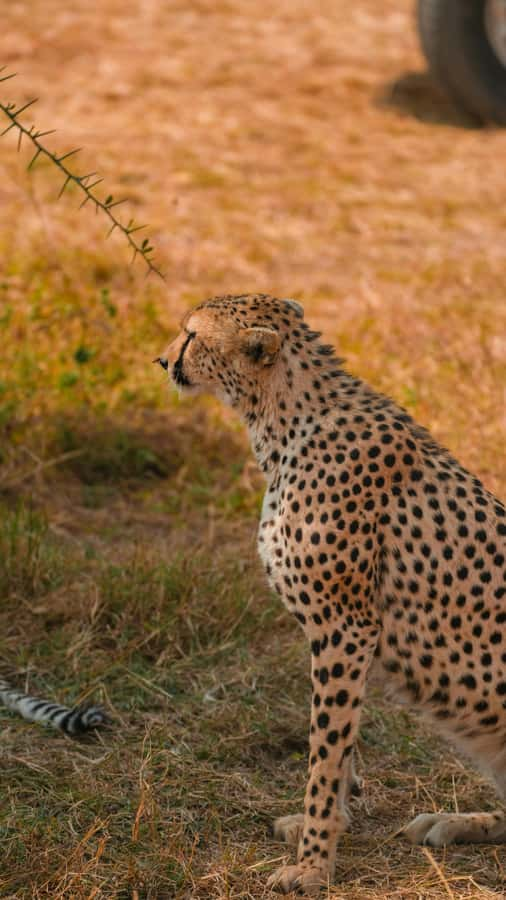
Wear neutral colors such as beige, green, or white. Bright clothing is discouraged, and you should never feed or touch animals. Drones are not allowed.
Free cancellation is available up to 24 hours before departure, and you can reserve now and pay later. Starting times depend on availability, so check the date before booking.
The listed score is 4.6 from 20 ratings, with especially strong praise for guides, cooking, wildlife variety, and the camping atmosphere. The safety complaint is serious enough that I would not ignore it, even though it appears alongside many positive accounts.
Should you book it?
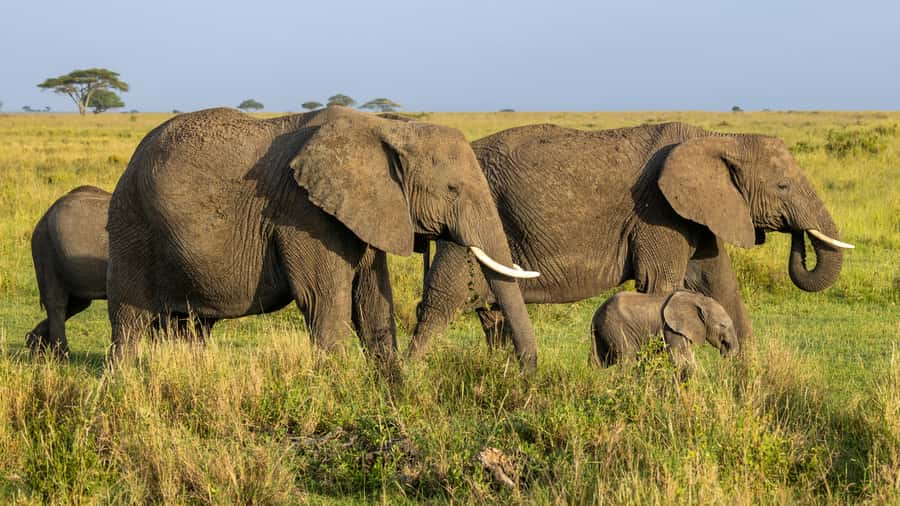
Book this safari if you want the Serengeti and Ngorongoro Crater in a compact three-day plan and accept that the road hours are part of the experience. The strongest reasons are the excellent wildlife route, the chance to camp close to the sounds of the bush, and the practical inclusion of park fees, meals, water, and a 4×4 guide.
Choose the mid-range lodge option if you value rest. Choose camping if the night sounds, outdoor cooking, and simple setup are part of what you came to Tanzania for.
Before paying, confirm your accommodation level, pickup point, luggage plan, vehicle condition, and driver arrangements. With those details clear, this is a strong short safari for seeing Tanzania’s most famous wildlife areas without arranging every piece yourself.
FAQ
Where does the safari start and finish?
The safari starts and ends in Arusha, with pickup and drop-off available at selected locations in Arusha, Mto wa Mbu, Makuyuni, and Karatu.
How long does the safari last?
The experience lasts three days and includes two nights away from Arusha.
Which parks and conservation areas are included?
The route includes Serengeti National Park and the Ngorongoro Conservation Area, including a game drive inside Ngorongoro Crater.
What type of vehicle is used?
Transport is provided in a 4×4 Toyota Land Cruiser with a pop-up roof.
Are meals included?
Yes. Breakfast, lunch, and dinner are included on the first two days. Breakfast and lunch are included on the third day, along with bottled drinking water throughout.
Can I choose between a lodge and camping?
Yes. Mid-range lodge or tented lodge accommodation is available, while the camping option includes tents, mattresses, tables, chairs, cooking equipment, and a safari chef.
What should I bring?
Bring sunscreen, insect repellent, neutral-colored clothing, a warm sweater, socks, a jacket, binoculars if you have them, a towel, and toilet paper.
How much luggage can I bring?
The luggage limit is 10 kilograms per person. Duffel bags are recommended, and extra luggage can be stored at your hotel.
Is the hot-air balloon safari included?
No. The hot-air balloon safari is optional and costs $530 per person.
More Wildlife Safaris in Tanzania
- Big Five Classic Safari in Tanzania **Sustainable Travel approach
★ 5.0 · 31 reviews - 2 days Mid Range Safari in Ngorongoro and Tarangire Big 5 Parks
★ 5.0 · 27 reviews - 4 Days Wildlife Safari and Cultural Experience in Tanzania
★ 5.0 · 23 reviews - Big Five Luxury 7 Days Safari Tour in Arusha
★ 5.0 · 20 reviews
More Wildlife Safaris in Arusha
- Big Five Luxury Safari in Tanzania
★ 5.0 · 68 reviews - 6 Day Tanzania Wildlife Mid range Safari
★ 5.0 · 54 reviews - 7-Day Midrange Tanzania Safari Adventures (Big 5)
★ 5.0 · 43 reviews - 5 Days 4 Nights Tarangire, Serengeti , Ngorongoro & Manyara Wildlife Safari
★ 5.0 · 40 reviews
Newest safaris around Arusha
- 7 days great migration safari★ 5.0 · 77 reviews
- 4 days safari★ 5.0 · 34 reviews
- 6 days Tanzania budget safari★ 5.0 · 65 reviews
- Amazing 4 Days Tanzania Budget Camping Group Joining Safari★ 5.0 · 15 reviews
- 5 days safari, hiking & culture (Serengeti & kilimanjaro)★ 5.0 · 27 reviews
- Best 5 Days Tanzania Private Luxury Safari with luxury Lodges★ 5.0 · 12 reviews
- Serengeti & Ngorongoro fly in safari★ 5.0 · 76 reviews
- 8 Days 7 Nights Tanzania Wildlife & Culture Lodge Safari★ 5.0 · 17 reviews
Big Five & Wildlife Safaris, side by side.
Sunrise Desert Jeep Safari with Wildlife Experience
Read our review →
Addo Elephant National Park All Inclusive Full-Day Safari
Read our review →
Udawalawe National Park: Elephant Safari with Expert Guide
Read our review →
Big Five Game Reserve Wildlife Safari from Cape Town
Read our review →
Big Five Safari and Breede River Valley Guided Day Trip
Read our review →
From Stockholm: Moose & Wildlife Safari with Campfire Dinner
Read our review →